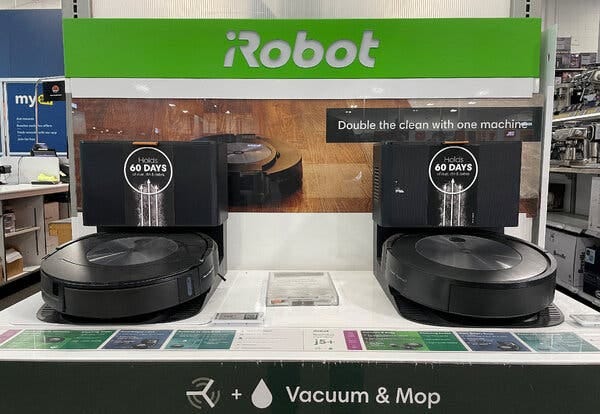
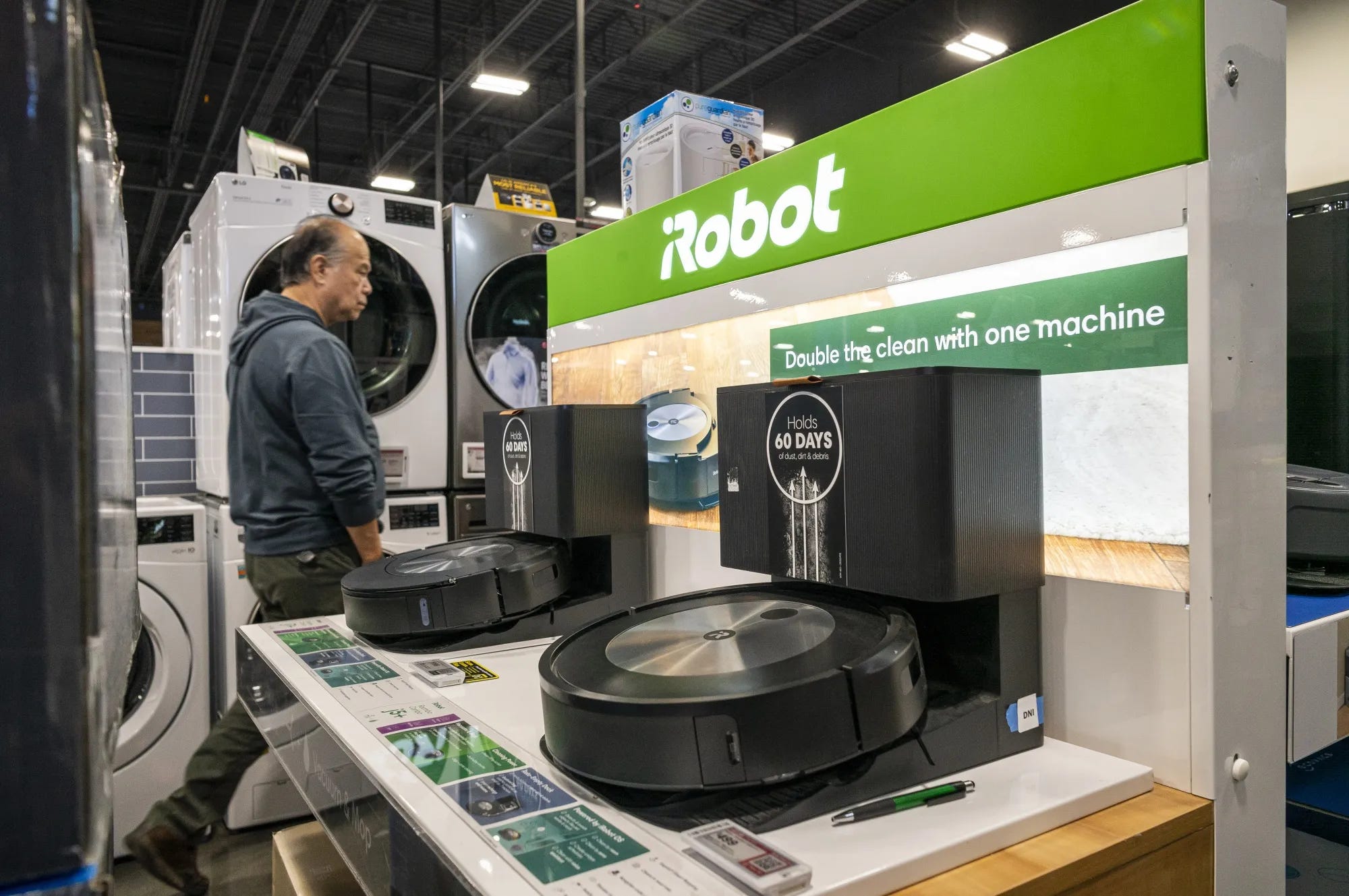
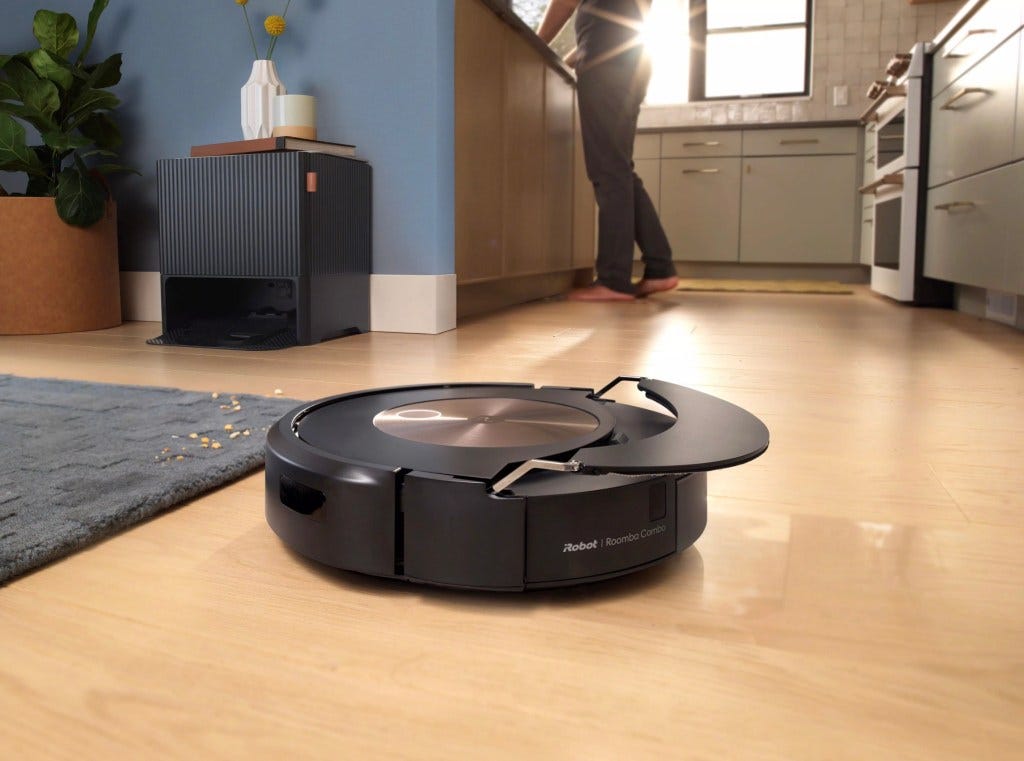
This all comes to mind as iRobot, of Roomba fame, one of the most promising robotic startups in the US in the last few decades, saw a major stumbling block, with a development that may move its remaining assets to China.
“iRobot Corp. filed for bankruptcy and proposed handing over control to its main Chinese supplier, Shenzhen PICEA Robotics Co.”
“The company’s common stock will be wiped out under the proposed Chapter 11 plan, which will allow iRobot to remain as a going concern.”
“iRobot’s earnings began to decline in the post-Covid era due to supply chain issues and cheaper competitors, despite having sold more than 40 million home robots.”
“iRobot Corp., the company that revolutionized robot vacuum cleaners in the early 2000s with its Roomba model, filed for bankruptcy and proposed handing over control to its main Chinese supplier.”
“The Massachusetts-based consumer robot maker, which is currently listed, will be taken over by China’s Shenzhen PICEA Robotics Co. and a subsidiary of the Chinese firm, according to a press release. The common stock of the company, founded in 1990 by engineers from the Massachusetts Institute of Technology, will be wiped out under the proposed Chapter 11 plan filed in Delaware on Sunday.”
It was a long, multi-decade road, full of aspirations and achievements:
“iRobot enjoyed initial success with the Roomba that it debuted in 2002 and which quickly became synonymous with autonomous vacuum cleaners. But earnings at the firm, which has sold more than 40 million home robots, began to decline in the post-Covid era, hit by supply chain issues and cheaper competitors. The firm warned of potential bankruptcy earlier this month.”
There was even a development three years ago that could have given the company a different future:
“In 2022, Amazon.com made an offer that would have turned the company’s fortunes, but it collapsed over a clash with European Union competition authorities.”
“iRobot received more than $90 million in compensation for the failed deal, but part of it was used to pay advisory fees and to repay a portion of a $200 million loan extended by Carlyle Group Inc. as a bridge while the Amazon transaction closed. Last month, Shenzhen PICEA subsidiary Santrum Hong Kong Co. acquired the $191 million of outstanding debt in principal and interest from the US investment firm, and PICEA has been in talks with iRobot since then to secure new capital and address the outstanding debt.”
“The bankruptcy plan will allow iRobot to remain as a going concern and continue to meet its commitments to employees and make timely payments in full to vendors and other creditors for amounts owed throughout the court-supervised process, the company said in a statement. In the filing, the company listed between $100 million and $500 million of assets and liabilities.”
“There’s something painfully American about the arc of iRobot, the company that taught your vacuum to navigate around the furniture. Founded in 1990 in Bedford, Massachusetts by MIT roboticist Rodney Brooks and his former students Colin Angle and Helen Greiner, the company filed for Chapter 11 bankruptcy on Sunday, punctuating a 35-year run that took it from the dreams of AI researchers to your kitchen floor and, finally, to the tender mercies of its Chinese supplier.”
But the broad reminder of this tale is that early technologies are hard to bring to mainstream scale, especially on the road to developing true ‘product-market-fit’ and the supply chains to meet the demand once it all gets going.
We still have a long way to go to figure out the same imperatives for AI humanoid robots and devices. And the iRobot story reminds us that timeline expectations of a few years can turn into decades.
AI Devices of all types beyond humanoid robots will have a similar gauntlet to run over the next few years and likely decade. And while these pages are about the long-term optimistic opportunities of this AI Tech Wave, it’s also useful to keep in mind the pragmatic details on the way there as we figure out the glasses half empty and full. Stay tuned.
(NOTE: The discussions here are for information purposes only, and not meant as investment advice at any time. Thanks for joining us here)
Rates How much the yield curve has steepened. (mrzepczynski.blogspot.com) How worried should we be about tighter credit spreads? (bloomberg.com) High...
The Bigger Picture, Sunday, March 1, 2026 This week’s AI news gave me reason to bring up one of the most unexpected charts (from last year), from an...