AI: About those Mideast AI Data Centers. RTZ #1020

New attack vectors from above never considered.
What a difference a few months make to flip perspectives. It was only last year the most of the US big tech Mag 7s, along with AI leaders OpenAI, Anthropic and others were in the middle east, at times with President Trump, outlining grand plans for multi-hundred million dollar AI data centers in the region.
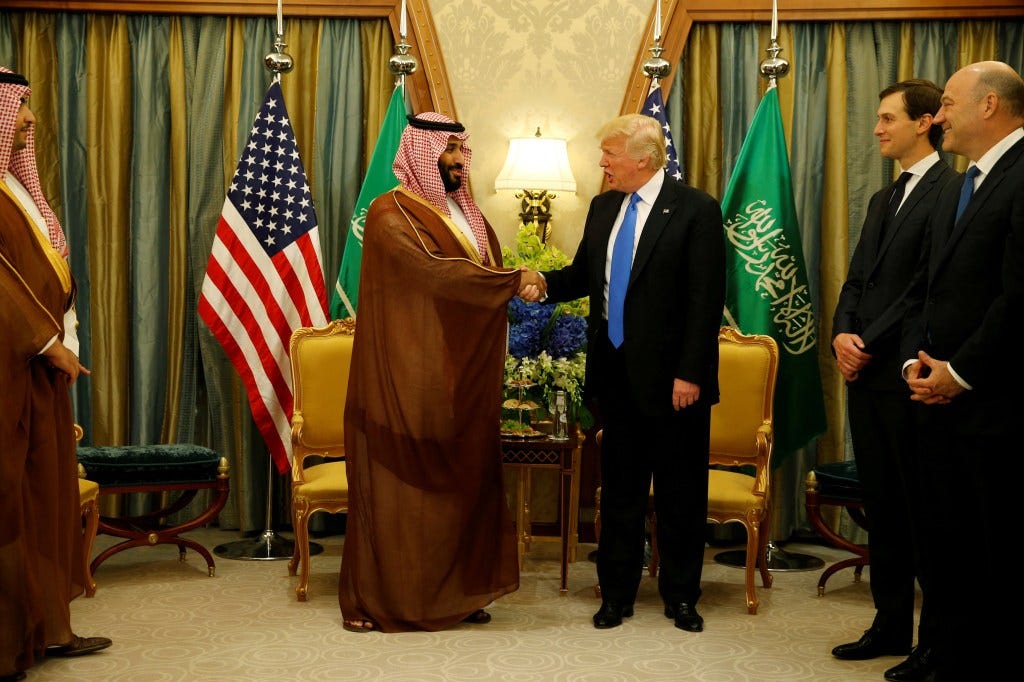
Using hundreds of thousands plus of Nvidia’s latest AI GPU chips. Which just a few months prior had been diligently fenced off the region for possible spillage risks into China. The air was filled with the logic of these sovereign AI deals. The mideast sovereigns had the energy resources and the gobs of capital for multi gigawatts worth of AI data centers.

Now a War of choice with Iran has upset the well-laid plans on all sides. The unintended consequences of Israel and the US launching a War on Iran has resulted in a nation of 92 million ruled by a highly regimented and organized leadership of clerics and their military muscle almost a million strong, to counter-attack over a dozen nations in the middle east and beyond.
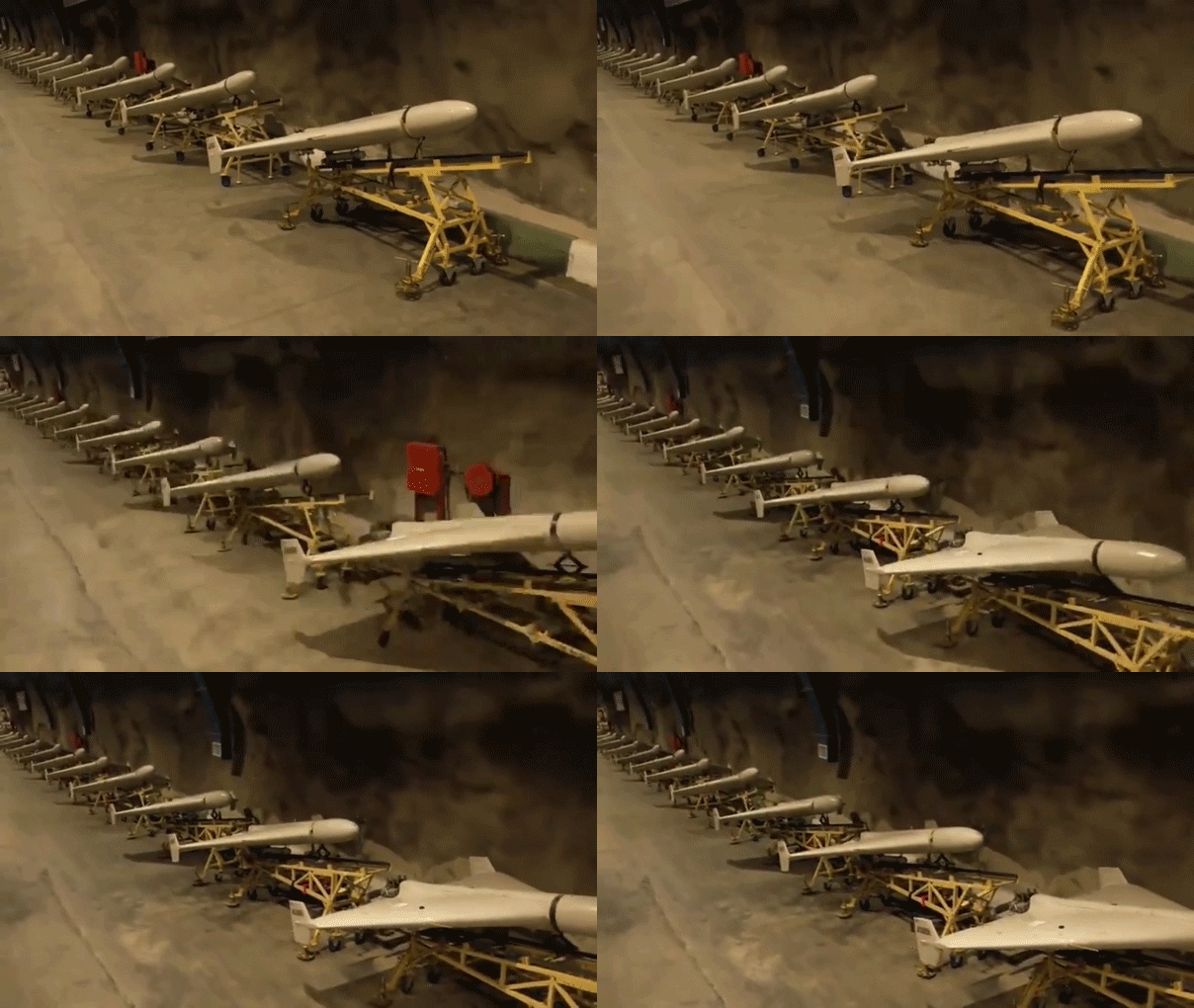
And it resulted in organized drone attacks on AI data centers, starting with ones run by Amazon AWS.

The Guardian highlights the new realities in “‘It means missile defence on datacentres’: drone strikes raise doubts over Gulf as AI superpower”:
“Iran’s targeting of commercial data centres in the UAE and Bahrain signals a new frontier in asymmetric warfare.”
“It is believed to be a first: the deliberate targeting of a commercial datacentre by the armed forces of a country at war.”
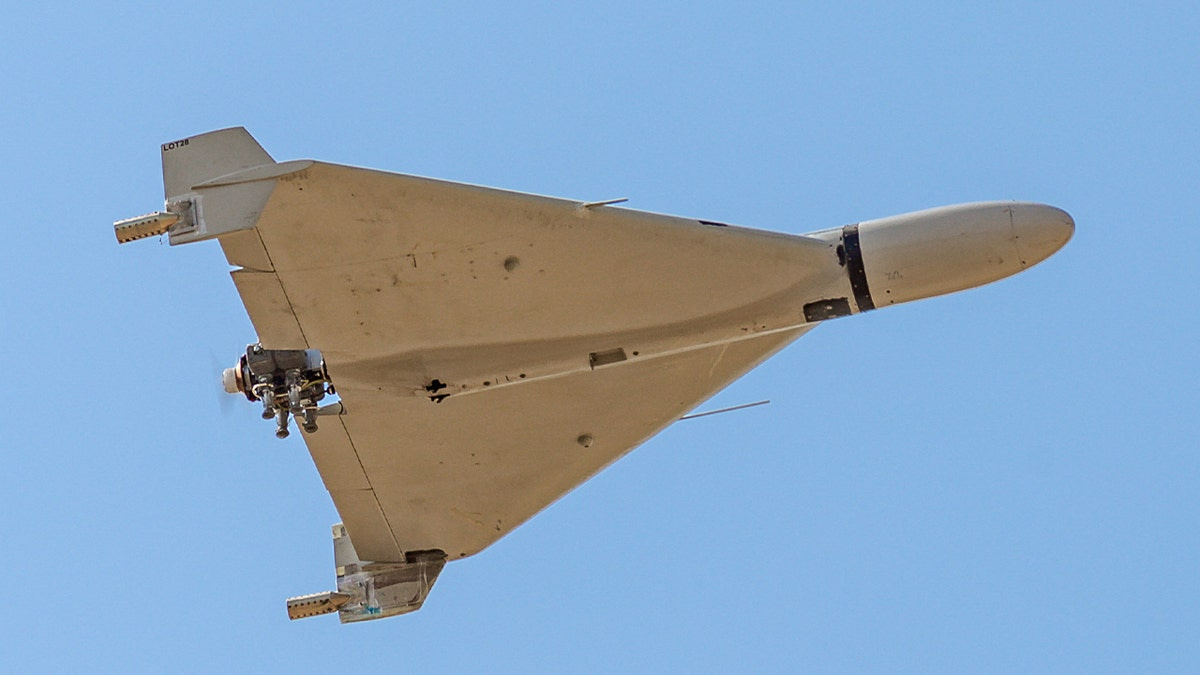
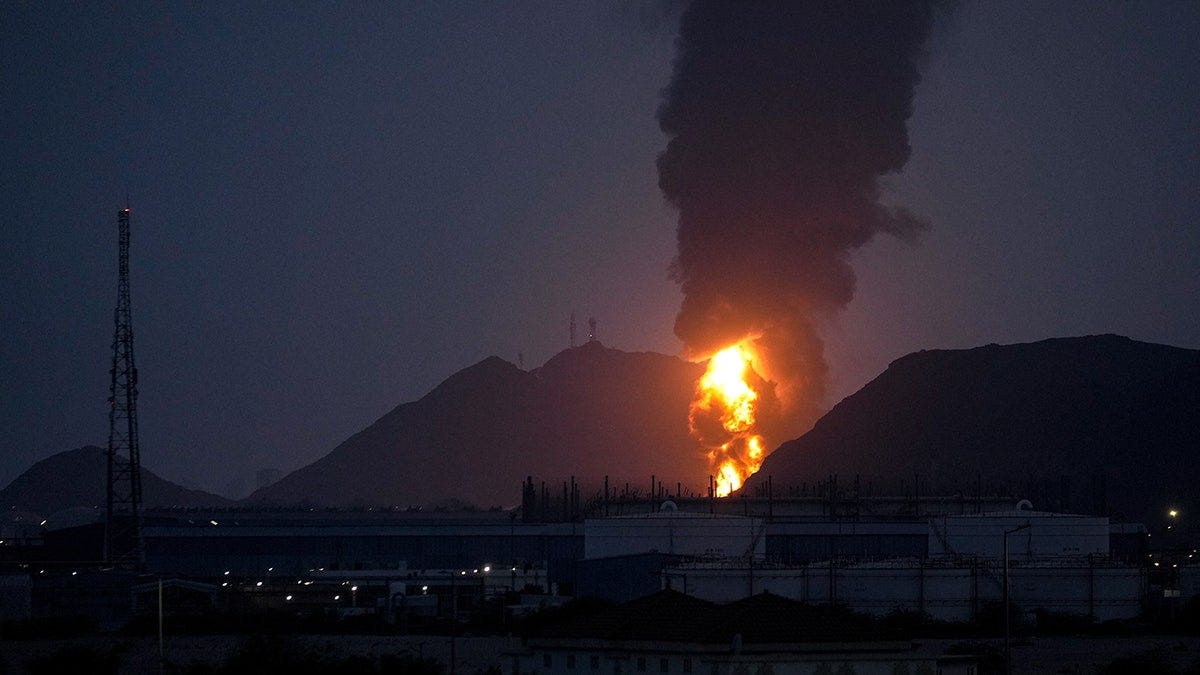
“At 4.30am on Sunday morning, an Iranian Shahed 136 drone struck an Amazon Web Services datacentre in the United Arab Emirates, setting off a devastating fire and forcing a shutdown of the power supply. Further damage was inflicted as attempts were made to suppress the flames with water.”
It wasn’t a one of one attack:

“Soon after, a second data centre owned by the US tech company was hit. Then a third was said to be in trouble, this time in Bahrain, after an Iranian suicide drone turned to fireball on striking land nearby.”
“Iranian state TV has claimed that Iran’s Islamic Revolutionary Guard Corps launched the attack “to identify the role of these centres in supporting the enemy’s military and intelligence activities”.
And that serial nature of the attacks from Iranian Shaheed drones from above were the unexpected variable in these grand AI plans:
“The network built by Jeff Bezos’s company could withstand one of its regional centres being taken out of action but not a second, let alone a third of their huge warehouses of technology.”
“The coordinated strike had an immediate impact.”
“Millions of people in Dubai and Abu Dhabi woke up on Monday unable to pay for a taxi, order a food delivery, or check their bank balance on their mobile apps.”
“Whether there was a military impact is unclear – but the strikes swiftly brought the war directly into the lives of 11 million people in the UAE, nine out of 10 of whom are foreign nationals. Amazon has advised its clients to secure their data away from the region.”
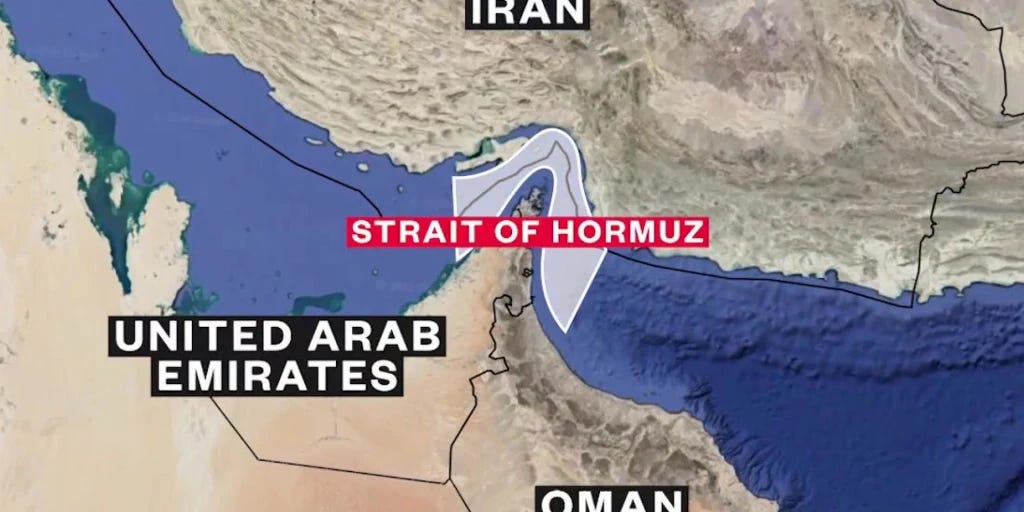
It’s no longer oil installations in the desert, and oil/gas container ships traversing the ever critical Strait of Hormuz. The region has a new target that didm’t exist in previous conflicts.
Raising some new questions for the first time:
“Perhaps more significantly, the strikes on this ‘next generation’ war target are now raising questions about the prospects of the UAE building on its plans, and many billions of pounds worth of US and other foreign investment, to exploit what they hope will be the ‘new oil’: artificial intelligence (AI).”
“The UAE really wants to be a major AI player,” said Chris McGuire, an AI and technology competition expert who served as a White House national security council official in Joe Biden’s administration. “Their government has very strong conviction about this technology, probably stronger than any other government in the world, and if there’s going to start to be security questions around that, then they’re going to have to resolve those very quickly, somehow.”
One of the biggest supply constraints on AI data centers is the cost of Power. That is what’s being attacked here:
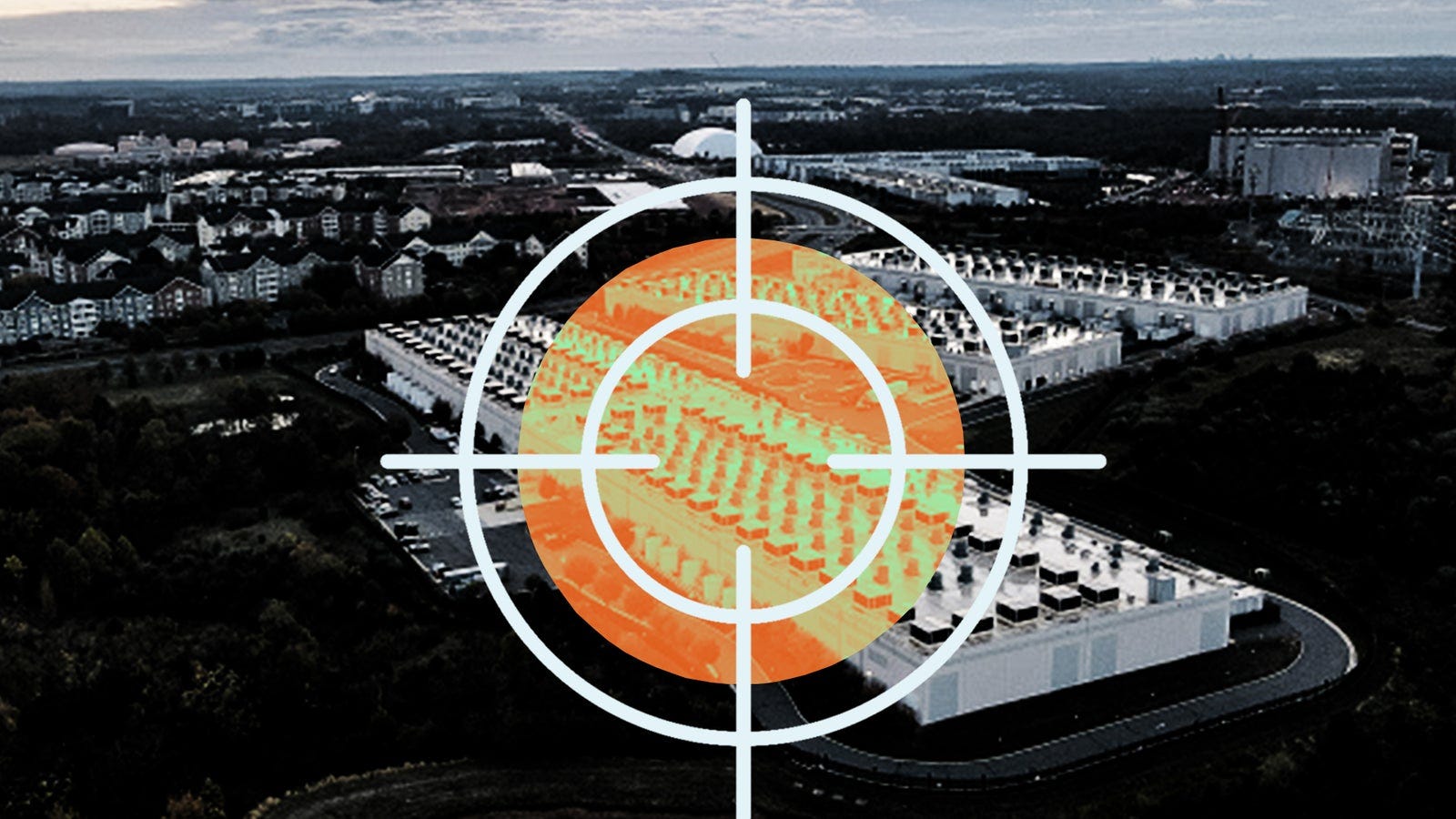
“According to Turner & Townsend’s Global Data Centre Index, the overall global cost increase of data centre construction increased in 2025 by 5.5% – but the UAE ranks 44th in the league table of most expensive unit cost per watt out of 52.”
Not to mention under water fiber communnications:
“The UAE’s geography also makes it a critical subsea cable landing point, providing access between Europe and Asia.”
“Then there are the geo-politics, with the US keen to keep the Gulf states away from Chinese technology.”
The attacks dent plans recently expanded, as discussed above:
“A four-day tour by Donald Trump of Saudi Arabia, Qatar, and the UAE last May coincided with the announcement of the construction of a vast new AI campus – a partnership between the UAE and the US – for the purpose of training powerful AI models.”
“As part of the deal, the Trump administration eased restrictions on advanced chips sales to the Gulf. OpenAI has said the planned UAE campus could eventually serve half the world’s population.”
The new issue is how short or longer term these concerns remain:
“McGuire said that this week’s events could be pivotal. “If we’re going to have large scale datacentres built out in the Middle East, we’re going have to get pretty serious about how we protect them,” he said. ‘We think about how to protect it right now, and we’re saying, ‘Oh, it means you have guards and good cybersecurity’.”
The whole piece is worth a closer lead to understand the new digital vulnerability in the mid east in addition to the age old energy one.
This AI Tech Wave now has a real geopolitical battle along side the long standing US/China ones around digital supply chains to and from Taiwan.
With no easy, short term solutions in sight.Stay tuned.
(NOTE: The discussions here are for information purposes only, and not meant as investment advice at any time. Thanks for joining us here)


