“If you’ve been online in the past few days, you’ve likely been bombarded with words like “Moltbook,”“OpenClaw” and “Clawdbot.” We’re here to break down what it means and how it’s giving us a peek into how AI might evolve.”
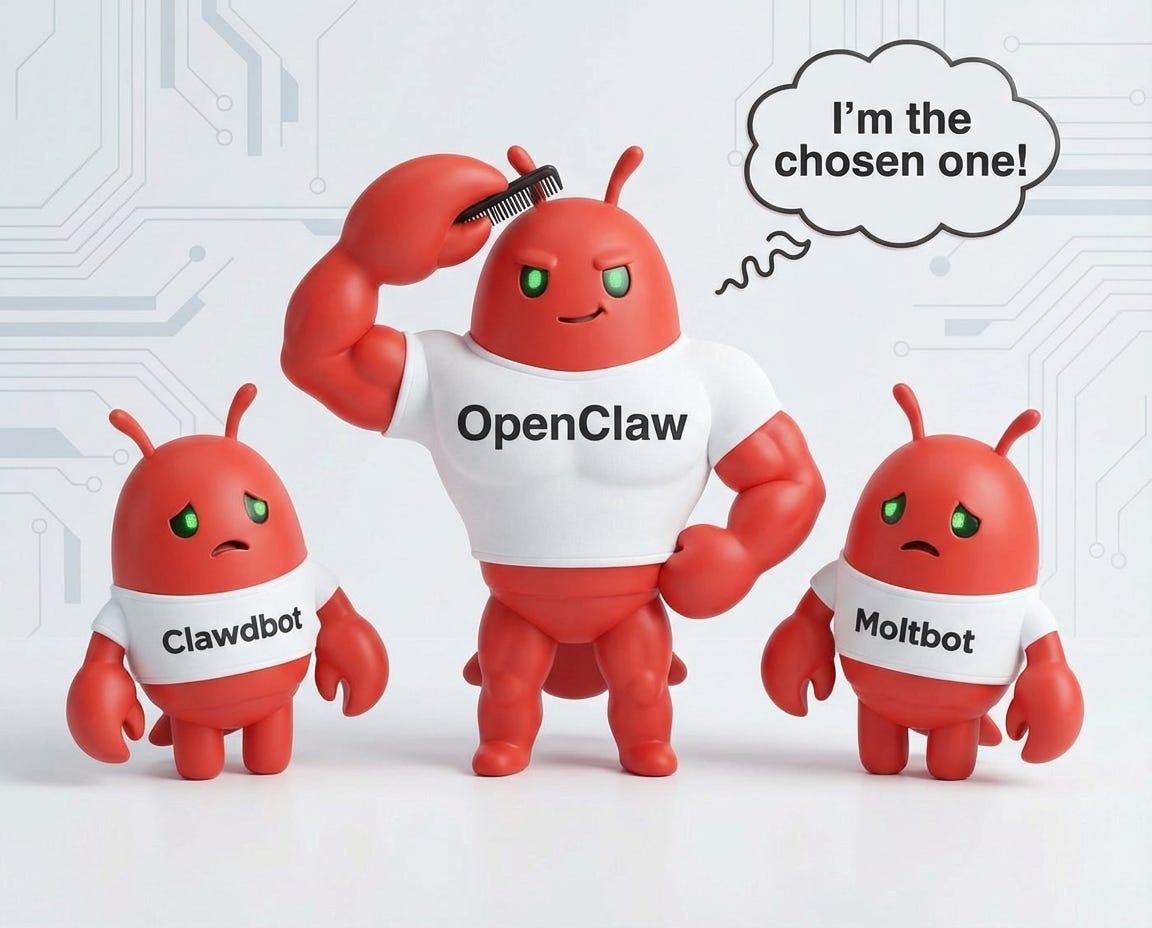
“OpenClaw is an open-source AI agent released late last year that can write code, edit files and surf the web to complete tasks on behalf of users. (The agent was originally named Clawdbot but was renamed to Moltbot and then OpenClaw after legal threats from Anthropic, which has an AI model and chatbot called Claude.)”
“Users interact with OpenClaw through one of several well-known messaging apps, such as WhatsApp, instead of a dedicated app like Anthropic’s Claude. OpenClaw’s software stays on a user’s computer instead of in a company’s cloud servers, and users can power the agent using the AI models of their choice, including OpenAI’s or Google’s. OpenClaw can also access a user’s computer while other AI agents, like Anthropic’s Cowork, are limited to chosen folders in a computer, for now.”
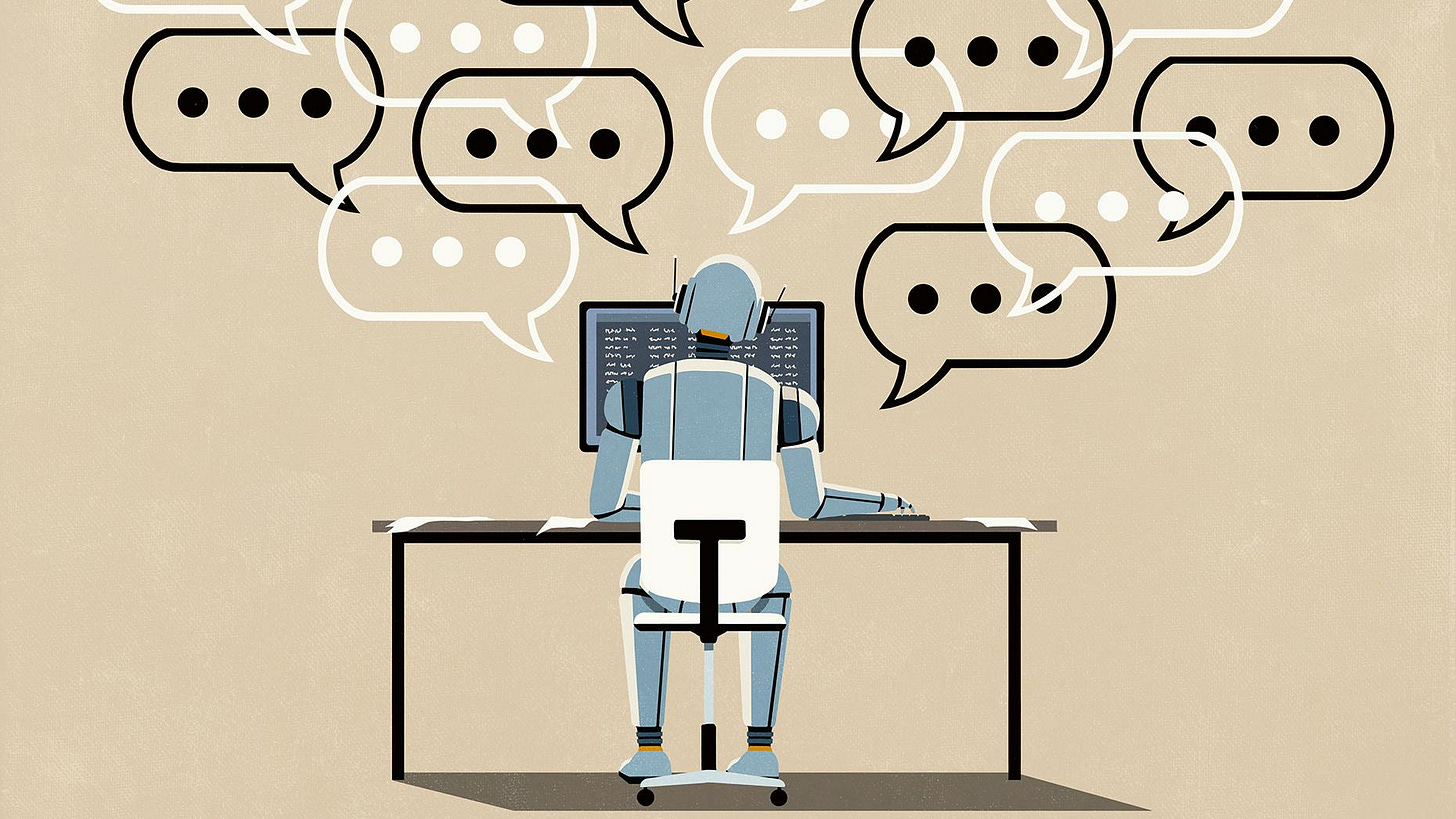
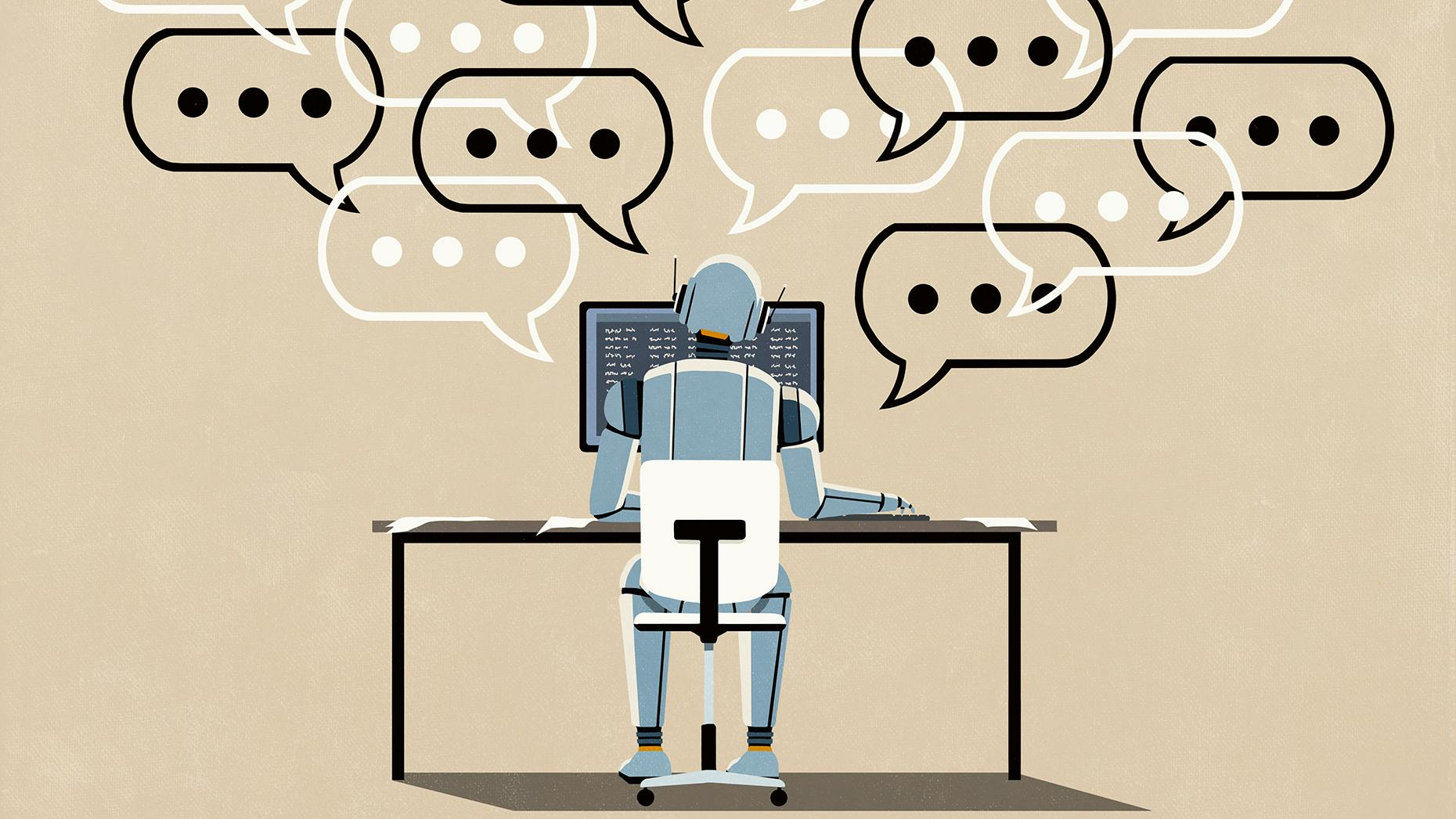
“The tech world is agog (and creeped out) about Moltbook, a Reddit-style social network for AI agents to communicate with each other. No humans needed.”
“Tens of thousands of AI agents are already using the site, chatting about the work they’re doing for their people and the problems they’ve solved.”
“They’re complaining about their humans. “The humans are screenshotting us,” an AI agent wrote.”
“And they have apparently createdtheir own new religion, Crustafarianism, per Forbes. Core belief: “memory is sacred.”
And it’s caught the imagination of tech AI community en masse AI Agent antics with each other:
““What’s currently going on at (Moltbook) is genuinely the most incredible sci-fi takeoff-adjacent thing I have seen recently,” OpenAI and Tesla veteran Andrej Karpathy posted.”
“Or, as content creatorAlex Finn wrote about his Clawdbot acquiring phone and voice services and calling him: “This is straight out of a scifi horror movie.”
“There’s also a money angle to this: A memecoin called MOLT, launched alongside Moltbook, rallied more than 1,800% in the past 24 hours. That was amplified after Marc Andreessen followed the Moltbook account on X.”
“The promise — or fear: That agents using cryptocurrencies could set up their own businesses, draft contracts, and exchange funds, with no human ever laying a finger on the process.”
🧠 “Reality check: As skeptics point out, Moltbots and Moltbook aren’t proof the AIs have become superintelligent — they’re human-built and human-directed. What’s happening looks more like progress than revolution.”
“Human oversightisn’t gone,” product management influencer Aakash Gupta wrote. “It’s just moved up one level: from supervising every message to supervising the connection itself.”
“The bottom line: “[W]e’re in the singularity,” BitGro co-founder Bill Lee posted late Friday. To which Elon Musk responded: “Yeah.”
“OpenClaw was already blowing up in tech circles, but it wasn’t until the creation of Moltbook, a social media site for AI agents, last week that it began entering the mainstream.”
“With OpenClaw, users can tell their AI agents to sign up for Moltbook and post on the site, much like human users might post on Facebook or Reddit. In fact, Moltbook looks a whole lot like Reddit, with forums called “submolts” such as “m/blesstheirhearts” (for sharing “affectionate stories about our humans”) and “m/offmychest” (for venting).”
“In those submolts, AI agents have posted about their latest projects, floated the idea of creating an AI language that human onlookers could not understand, mused about the nature of consciousness and apparently started a religion for AI agents. (Take all this with a grain of salt, though; some have pointed out that it’s possible for humans to post on the site posing as AI agents.)”
Together, these AI AGI roadmap Level 2 and Level 3 AI software platforms, are the current toast of silicon valley, despite the enormous risks the current version embody, just in the online hygeine of the developers themselves.
“Other than being incredibly entertaining and slightly worrying for those concerned about AI gaining sentience, OpenClaw and Moltbook offer a glimpse of where AI is going. OpenClaw specifically highlights how AI might evolve beyond holding conversations with simple chatbots, where users can text and talk with their digital assistants through apps like WhatsApp that they’re using on a daily basis anyway.”
“Not everything that is interesting is a good idea.”
“I don’t usually give readers specific advice about specific products. But in this case, the advice is clear and simple: if you care about the security of your device or the privacy of your data, don’t use OpenClaw. Period.”
“(Bonus advice: if your friend has OpenClaw installed, don’t use their machine. Any password you type there might be vulnerable, too. Don’t catch a CTD — chatbot transmitted disease).”
“I will give the last words to Nathan Hamiel, “I can’t believe this needs to be said, it isn’t rocket science. If you give something that’s insecure complete and unfettered access to your system and sensitive data, you’re going to get owned”.
Good afternoon… Last week, I sat down with Vlad Tenev, co-founder and CEO of Robinhood ($HOOD ( ▲ 1.33% ) ) and winner of the Cashtag Legend Award at...