
AI: Anthropic’s mega-IPO Aims Past SpaceXAI & OpenAI. AI-RTZ #1188

The mega-AI IPO parade keeps accelerating in this AI Tech Wave. A week ago we walked through the math that makes a $2+ trillion Anthropic debut sayable: the projections, the multiples, and the trial balloons early Anthropic investors were floating. Over the weekend, the New York Times reports on discussions moving forward with updated details.
The NYT lays it out in “Anthropic Could Aim to Raise $100 Billion in Blockbuster I.P.O.”:
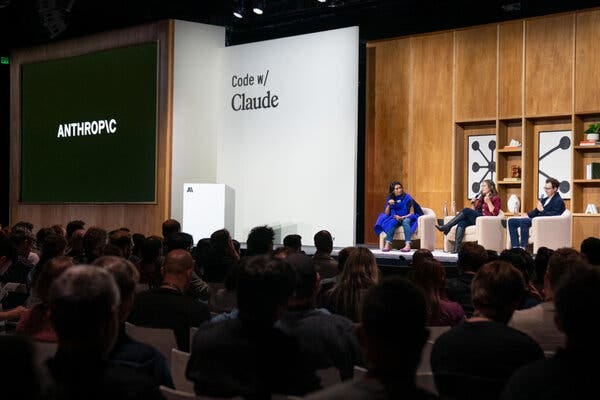
In early conversations with potential investors, Anthropic’s bankers said the five-year-old company could seek to raise more than $100 billion at a valuation around $2 trillion. If it launches, it would be the largest public offering ever. The key items to build on: the raise, the value, the metric yardsticks, and the revenue engine underneath.
The yardstick the bankers reached for is the one we have been discussing here for months: Elon’s SpaceX/xAI, which went public in June at a $1.77 trillion value and raised $85.7 billion, after an IPO filing that laid out Elon’s boundless AI ambitions. Anthropic’s offering, per the Times, is being pitched to exceed both records, with the prospectus expected in the coming weeks and the listing in the coming months, on the tight IPO clock we flagged in June.
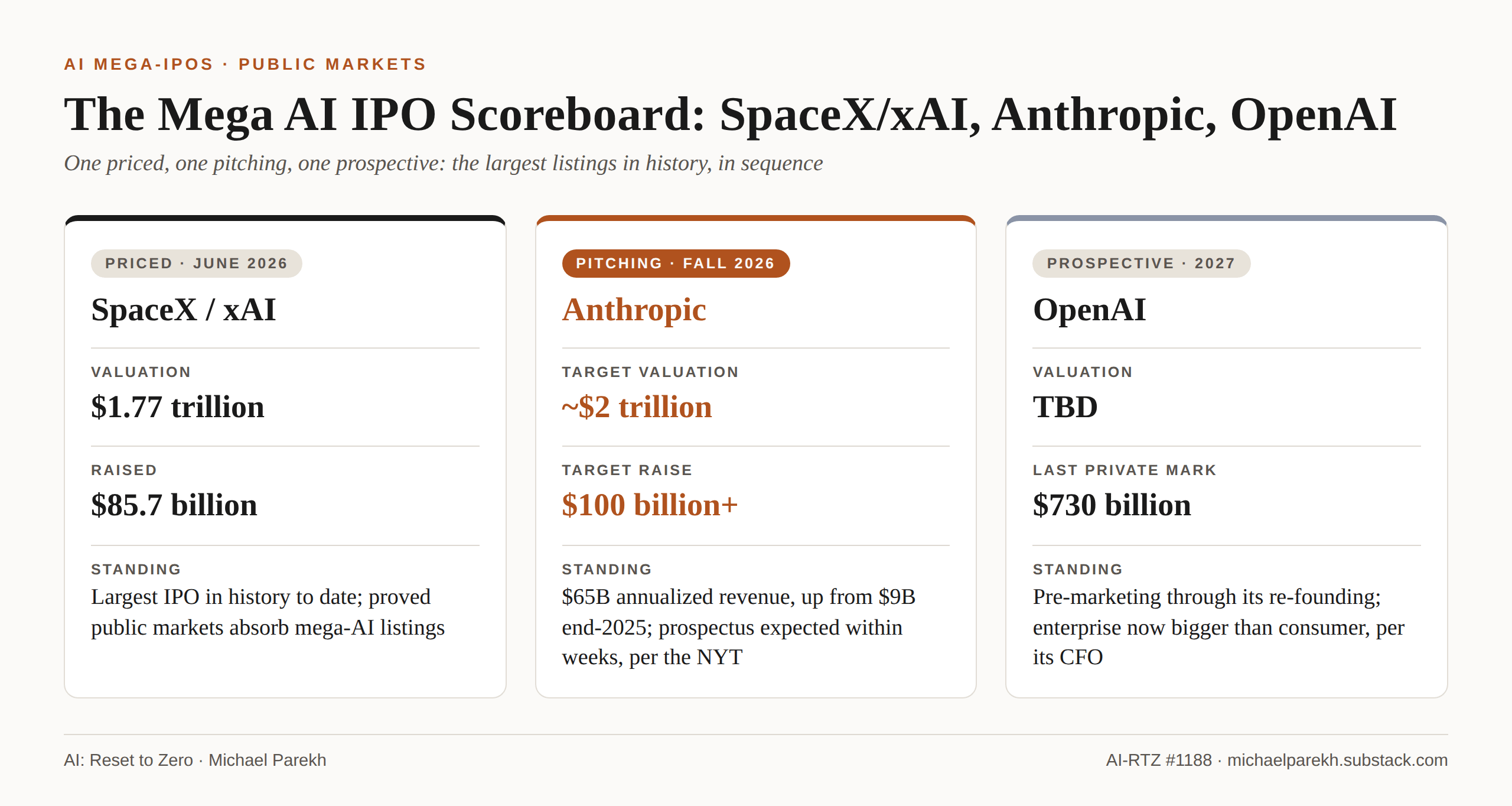
The revenue engine underneath keeps making the case. Anthropic topped $65 billion in annualized revenue last month, per the Times, up from $9 billion at the end of last year, with $11.6 billion of revenue in the second quarter alone and a pitch of consistent 10x-plus growth over the prior year. That is the 14-fold Q2 surge we covered last Monday, now backstopped by the banker conversations.
Worth remembering how we got here. In May, Anthropic passed OpenAI to become the world’s most valuable private startup, at $900 billion against OpenAI’s $730 billion per the Times, a flip we have chronicled from the Tortoise-laps-Hare days through Anthropic zagging while OpenAI zigs to the Claude app taking the consumer lead.

The company once seen as the also-ran is now the Coke, and OpenAI, pre-marketing its own IPO for next year through the churn, finds itself in the unfamiliar Pepsi seat. The Times credits the flip to the breakthroughs around Claude Code and enterprise automation, which matches the quite-the-current-match story we have tracked all year.
The Times flags the key investor question, and it is the one this newsletter has been hammering: can Anthropic get access to enough AI compute, data centers, chips and energy, to fulfill the demand for its services. That is our four-part AI supply and demand series playing out in a prospectus: Elon’s mega data center supply ambitions (part 1), the Dwarkesh compute demand bull case (part 2), the compute crunch at ground level (part 3), and the two sides together in part 4.
And here Anthropic has been notably pragmatic, leading the charge relative to OpenAI. It rents excess compute from Elon’s SpaceX/xAI, helping paint Elon’s IPO fence while getting scarce GPUs on demand, alongside its long-standing Amazon and Google arrangements. Less religion about owning every electron, more focus on converting white-hot demand into revenue. In a supply-constrained era, that operational flexibility is a real edge.
The pragmatism now extends into hardware itself. On Friday, Bloomberg reported Anthropic hired Amir Salek, a founder of Google’s custom chip program who delivered the first seven generations of its TPUs, with Nvidia and Cerberus on his resume, joining the compute team under James Bradbury as the company lays groundwork for its own in-house silicon. Anthropic buys chips from Nvidia, Google and Amazon today, an Amazon relationship we have tracked since the early Trainium days, and is signing capacity deals at a rapid clip, from a roughly $250 million initial order with UK chip startup Fractile to fresh agreements with Riot Platforms and Volta Infra. OpenAI is on the same path with its Broadcom co-developed Jalapeno chip due later this year, extending the mega-deal habit we covered. Custom silicon is the endgame answer to the semiconductor gating factor: cope with the shortages, and tailor the designs to the workloads.
The pricing side completes the picture. Anthropic’s pitch, per the Times, is that its models will keep improving, letting it keep charging a premium while competitors undercut on price. OpenAI has led the industry to a la carte, metered pricing, through the price wars we covered at Ludicrous Speed and the meter running on long AI agents. Investors, the Times notes, are asking the obvious question: how does premium pricing hold up against the rise of cheaper open-weight models.
The FT just put fresh data on that exact question in “Anthropic’s best AI model struggles to attract users as cheaper tools thrive”: spending on Fable 5, Anthropic’s largest and priciest model, has plateaued at about 11% of the overall outlay on the company’s tools more than two months after its release, per Ramp spending data across 70,000 companies charted in the piece. Older and cheaper models are handling the bulk of business demands: Anthropic’s own smaller Opus 5 has already passed Fable 5 in business spending since its late July launch, and OpenAI’s GPT 5.6, priced significantly lower, has jolted its annualized revenue up 35% this quarter to over $40 billion as it works to close the gap. “Most people don’t need to operate at the frontier,” as Accel’s Miles Clements, an investor with close to $1 billion in Anthropic, told the FT.
The piece flags the tension for the roadshow: July’s $65 billion annualized revenue undershot the most bullish $80 billion investor projections, even as Anthropic notched its first adjusted operating profit in the second quarter and counts 6,000 customers spending $100,000 or more a year.
The pattern underneath is one we have been tracking all year: business customers are moving from Tokenmaxxing to Tokenbudgeting, trying a whole host of models, closed and open-weight alike, and routing each job to the cheapest model that clears the bar. That is some of the rationale behind Stripe’s purchase of OpenRouter we covered. It reframes, rather than breaks, the premium-pricing question above: the frontier model becomes the showcase and the recruiting magnet, while the paid volume flows through the smaller, cheaper tiers below.
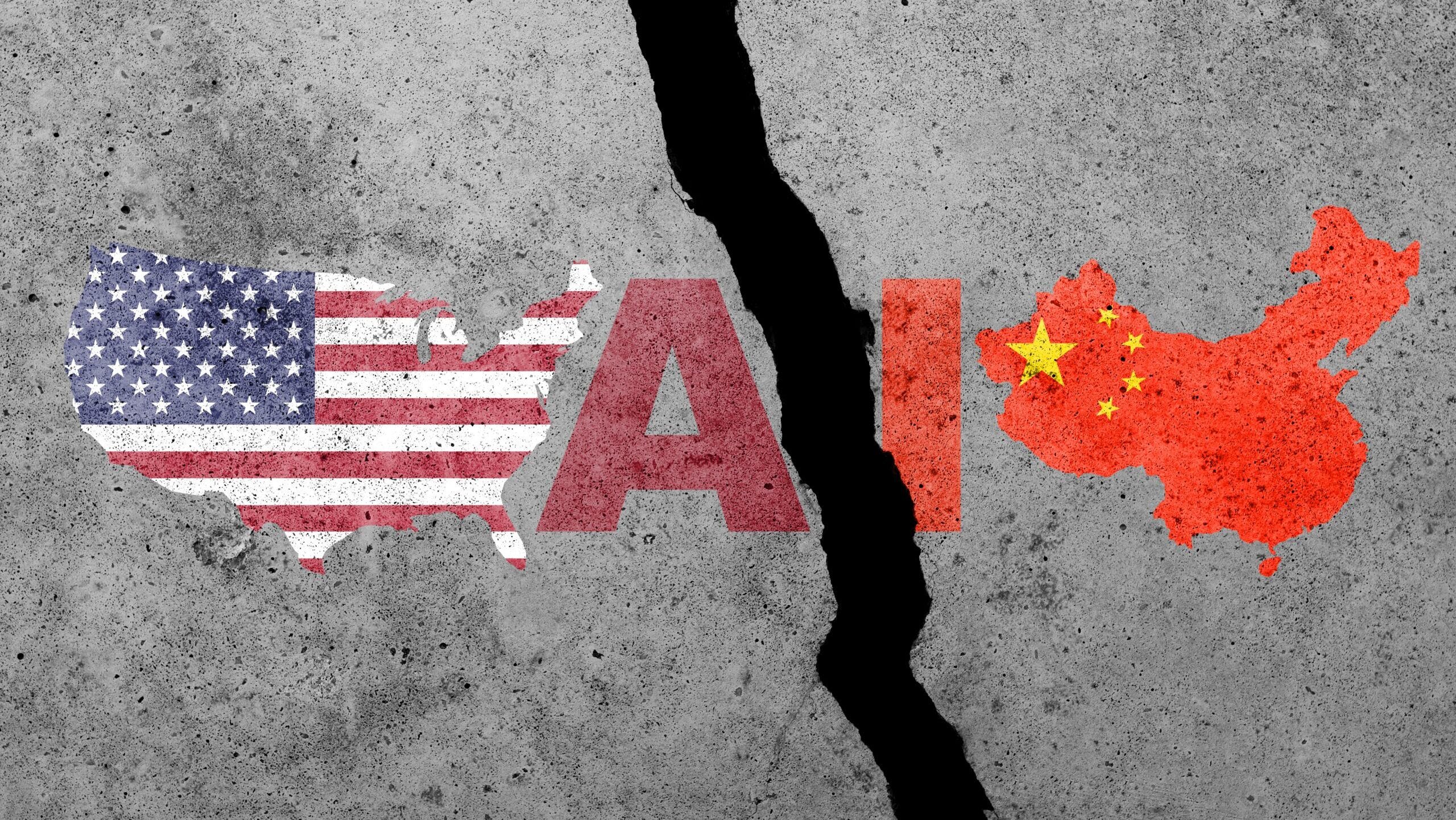
Which points to the other thing that makes Anthropic distinct in this field: its laser, ‘shout from the hills’ focus on AI safety and cybersecurity. Gating its most capable Mythos-class models while peers loosen up. As well as its nearly solitary stance against open-weight models and against Chinese AI. Where Nvidia and much of the industry lean the other way.
We covered both labs striking their safety poses and the for-better-or-worse commitments on the way to these listings; in the prospectus, that posture becomes a differentiator to sell and a risk factor to disclose, at the same time.
My take: the $2 trillion number has graduated from trial balloon to banker talking points in a week which is directionally how these pre-marketing campaigns are supposed to work.
The SpaceX comparison is an earlier example. Elon’s June debut showed how the public markets would absorb a mega-AI listing at scale, and Anthropic’s bankers are now pricing the sequel to exceed it.
The prospectus questions are the right ones, and they are the ones we have been writing about all along: compute supply against runaway demand, premium pricing against open-weight gravity, and a safety-first posture in a market that mostly is not.
A $2 trillion ask on a $65 billion run rate is roughly 30 times revenue; the answer investors accept will set the terms for OpenAI’s follow-on next year, and for every AI listing after that.
The fall calendar is the biggest test by Anthropic, is this AI Tech Wave has faced yet in the public markets. Stay tuned.
(NOTE: The discussions here are for information purposes only, and not meant as investment advice at any time. Thanks for joining us here.)


