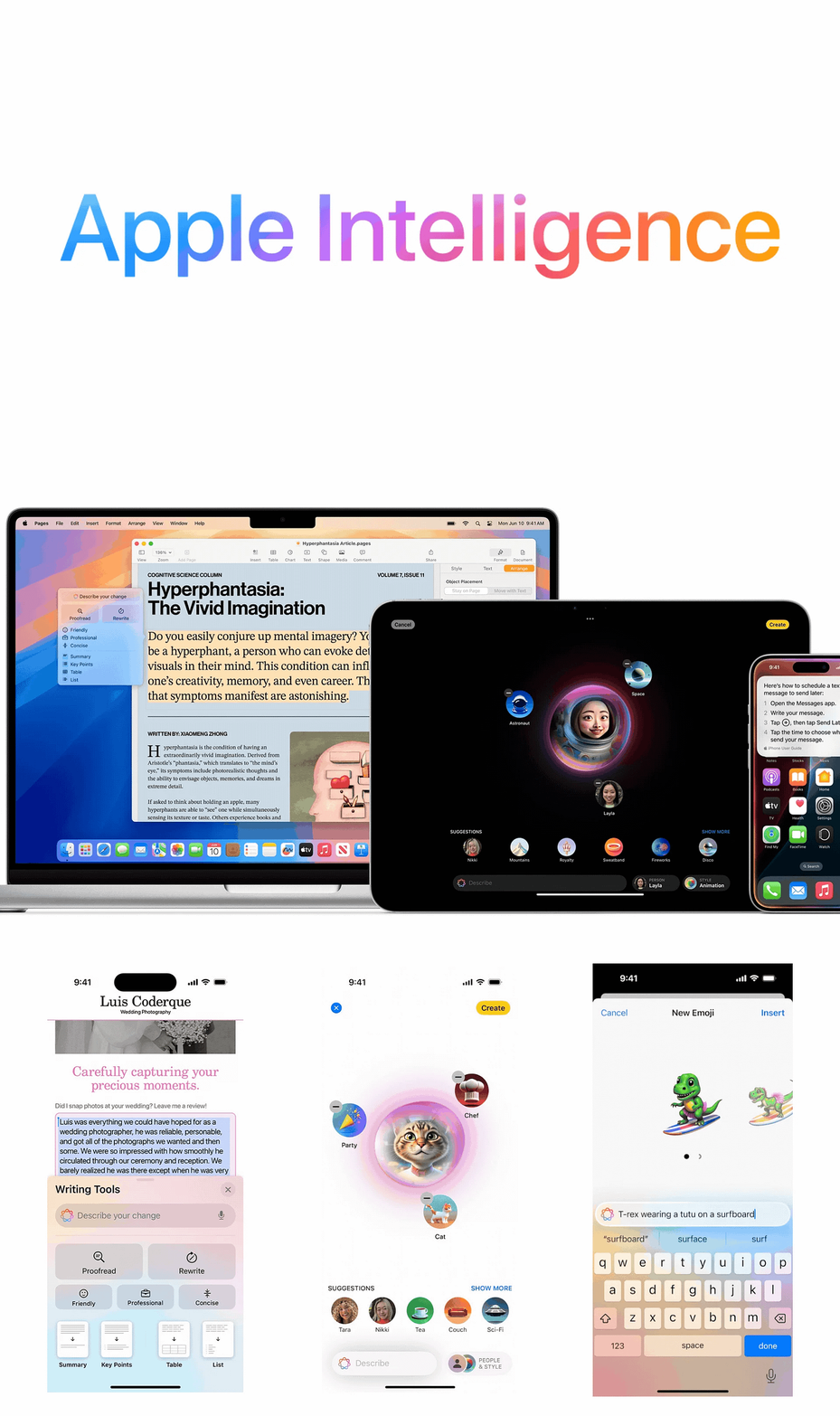
Sometimes in big tech, big initiatives that don’t work out end up paying important dividends down the road. That may be the case for Apple and its ‘Apple Intelligence’ strategy this AI Tech Wave, often viewed as the AI laggard amongst it peers. I’ve argued otherwise in many pieces here on AI-RTZ.
Now, there is an Apple chip roadmap emerging that gives shape to this argument that Apple has some chip technologies that may end up giving it an unintended advantage in ‘local AI processing’. I’d like to unpack that today.
“Apple’s new Mac chip road map represents the company’s latest move to rebuild its operations for the artificial intelligence world.”
“When Apple Inc. canceled its self-driving car project in 2024, the move appeared to wipe out a decade of work. The effort had involved thousands of employees, the creation of hundreds of patents, specialized facilities and more than $10 billion in spending.”
“But even though an Apple vehicle never reached the market — and likely never will — the endeavor had an important legacy: helping lay the technological foundation for the company’s modern artificial intelligence hardware strategy. Without that push, Apple would probably be even further behind in AI than it is today.”
Right in time for the new management team at Apple, led by incoming CEO John Ternus this September, and Apple’s long time Apple Silicon head, Johny Srouji.
The twists and turns in that journey are notable indeed.
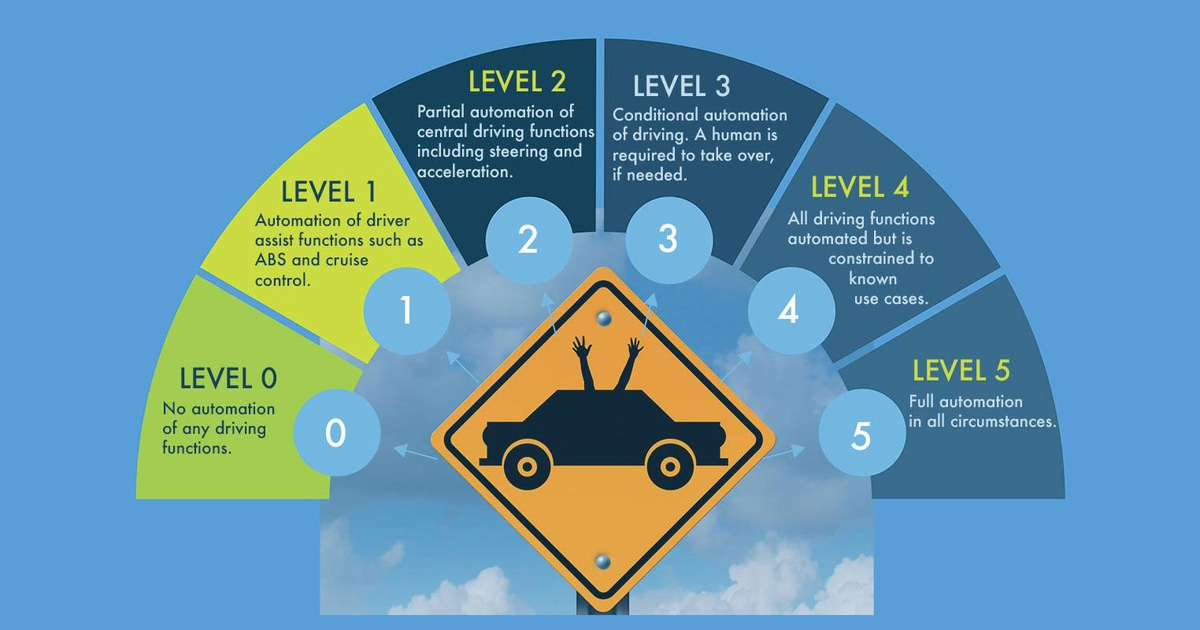
“Early on in the history of the car program, Apple decided that any vehicle it shipped would need to stand out from rivals by being fully autonomous — with Level 5 capabilities, the top classification for self-driving cars. That move necessitated one of the company’s first large-scale AI initiatives, requiring breakthroughs in machine learning and custom silicon chips.”
“Apple needed processors capable of handling enormous AI workloads in real time, and while it never completed the chip designed for its vehicle, the work on those components ultimately became the foundation for technologies far beyond the car. Most notably, that effort gave rise to its Neural Engine, the dedicated portion of Apple’s chips responsible for on-device AI processing.”
“That technology launched in the iPhone X in 2017, helping power features such as Face ID and the Animoji characters before expanding across the product lineup. Since the arrival of Apple’s in-house Mac processors in 2020, every new computer has included a Neural Engine. That helped turn the Mac into one of the strongest platforms for running AI locally, both for consumers and — increasingly — professionals.”
Apple wasn’t as far back in AI hardware as people think even today.
“The same work also influenced the company’s mighty Ultra-class Mac chips and the custom processors now running Apple Intelligence servers. Though AI today is largely synonymous with generative models and chatbots, Apple has spent more than a decade building the hardware foundation needed to power the technology.”
“That doesn’t mean Apple hasn’t struggled to create compelling software and services that can capitalize on that hardware. The company has certainly stumbled on that front, with upgrades to Apple Intelligence and the Siri digital assistant taking far longer than anticipated.”
“But those early hardware investments are beginning to pay dividends as AI applications expand, more processing is done on-device and Apple works to rebuild its software strategy with the new Siri AI assistant.”
:Since launching the M1 chip in 2020, Apple has steadily improved the Neural Engine, including significant gains with the M4. Those advances are now beginning to reshape Apple’s silicon road map itself.”
Bloomberg goes onto update us on the current M series chip roadmap.
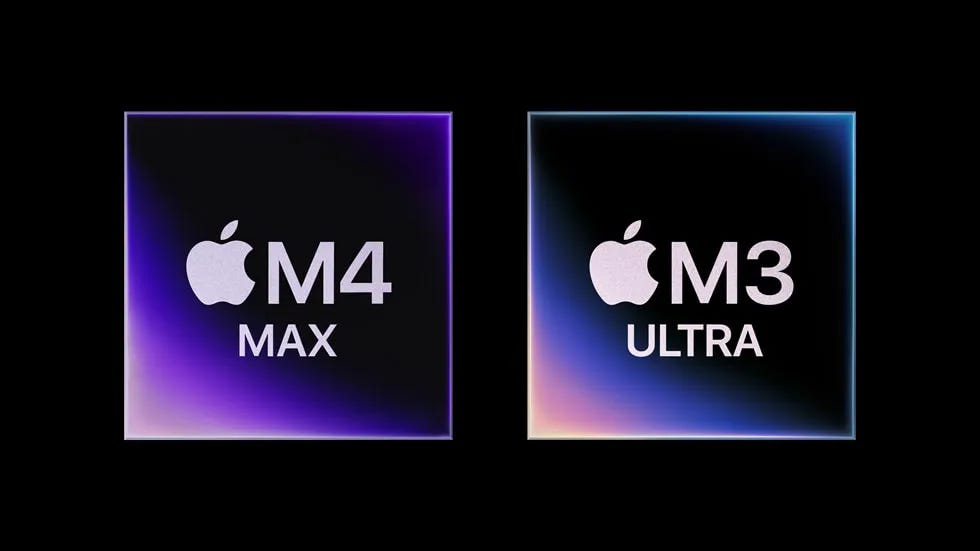
“As I recently reported, Apple has overhauled the next several years of its chip plans for the Mac. The next cycle should begin this fall with a familiar pattern: a base-level M6 chip. Under the traditional strategy, that processor would have been followed by M6 Pro and M6 Max variants — with an M6 Ultra eventually arriving for the company’s highest-end desktop computers.”
But this there tis a twist.
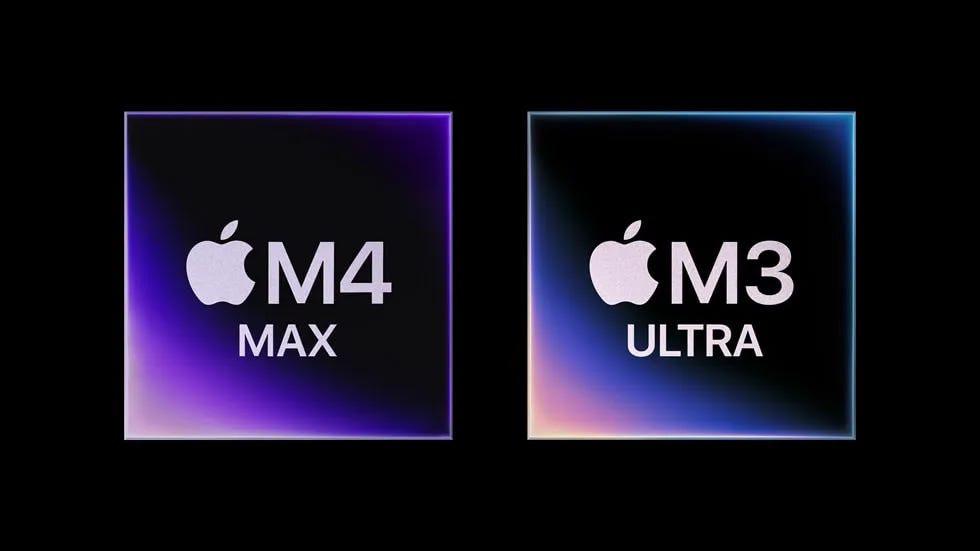
“For the first time, though, the company is skipping the high-end chips for a new generation. Instead of completing the M6 family with Pro, Max and Ultra variants, Apple is moving directly to M7. In fact, Apple started taping out the M7 — the stage where it finalizes a chip’s design — just six months after undertaking that process for the M6. That means that the M7 should arrive in the first half of 2027, followed by the M7 Pro and M7 Max at the end of 2027 and an M7 Ultra in 2028.”
“Though Apple has skipped Ultra chips before — such as with the M4 generation — forgoing all the higher-end versions of a new lineup is unprecedented.”
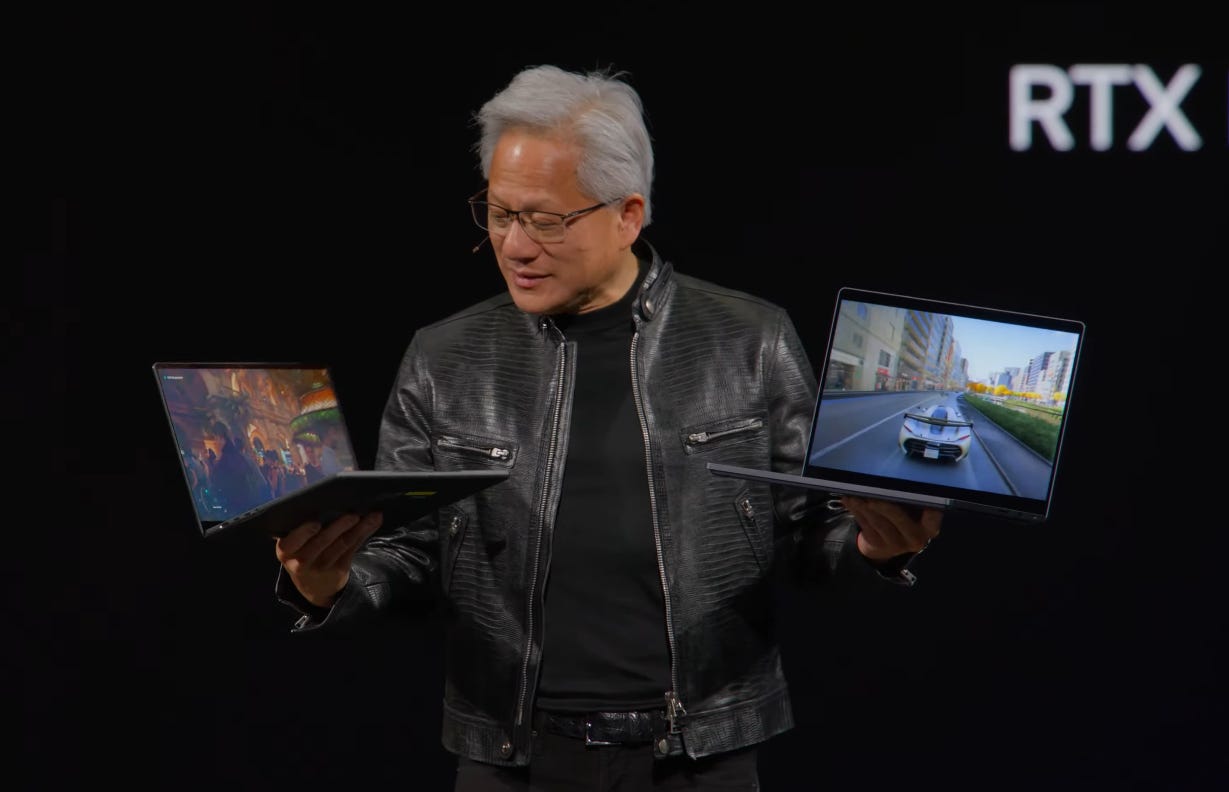
“The reason for this break with tradition: AI. Apple had been planning major neural-processing upgrades for the M7 family and ultimately decided those improvements were important enough to justify accelerating the next generation rather than completing the M6 lineup. Those changes go into high gear with the M7 Ultra. I’m told the processor dramatically upgrades AI performance, bringing it closer to the class of dedicated AI accelerators such as Nvidia Corp.’s Blackwell.”
That’s an unexpected peer to catch up to, even as Nvidia races ahead beyond Blackwell with Vera Rubin todaya and Feynman tomorrow. Apple’s chips are more than comnpetitive on the local side vs the AI Data Center focus today.
“The chip may also ultimately be the basis of a coming overhaul to the AI server strategy. Apple plans to soon deploy a more powerful server based on the M5 Ultra under the internal code name J246, but engineers are already developing another new server chip for launch by 2029 that is built around the M7 Ultra’s capabilities.”
“The new Ultra is designed to support as much as 1.5 terabytes of memory — roughly double the capacity planned for the M5 Ultra — though whether Apple ultimately offers that configuration will depend on the state of the industry. Widespread memory-chip shortages have made the component harder to find and more expensive.”
“Beyond the M7, Apple is already developing M8 chips with even greater AI capabilities, including a processor code-named Soko arriving by 2028. There are also other new chips in the works for higher-end Macs under the name Cardinal. The 2028 generation processors are moving to a 1.4-nanometer manufacturing process, delivering another leap in efficiency.”
“The takeaway is that AI is no longer just another feature Apple’s chips need to support. It is now shaping how those products are designed and when they are shipped. That’s a shift from the days when the main concerns were things like processing speeds, graphics, battery life and thinner designs.”
Again, unexpected dividends from under-achieving investments.
“Looking back, the Apple car project probably shouldn’t be remembered as a futile exercise. Sure, the company abandoned the vehicle. But it kept the technology that may ultimately prove far more valuable.”
“The AI hardware effort originally intended to power a self-driving car is now shaping Macs and AI servers. In the end, one of Apple’s costliest failures may be seen as one of its most consequential technology investments.”
The whole piece is worth a read for more details, including new updates to iPads, Macbooks and the Apple Pencils.
The AI Tech Wave is going to look very different in its eighth year by 2030, than it does today. Local AI processing with far beefier chips is part of that landscape.
And Apple has a competitive chip roadmap, and an important role to play ahead. Along with Nvidia, Google, and others. Stay tuned.
(NOTE: The discussions here are for information purposes only, and not meant as investment advice at any time. Thanks for joining us here)
Good morning… At Social Leverage we are excited to announce our latest investment out of Fund IV, Archive Intel. At Archive Intel, Larry and his team...