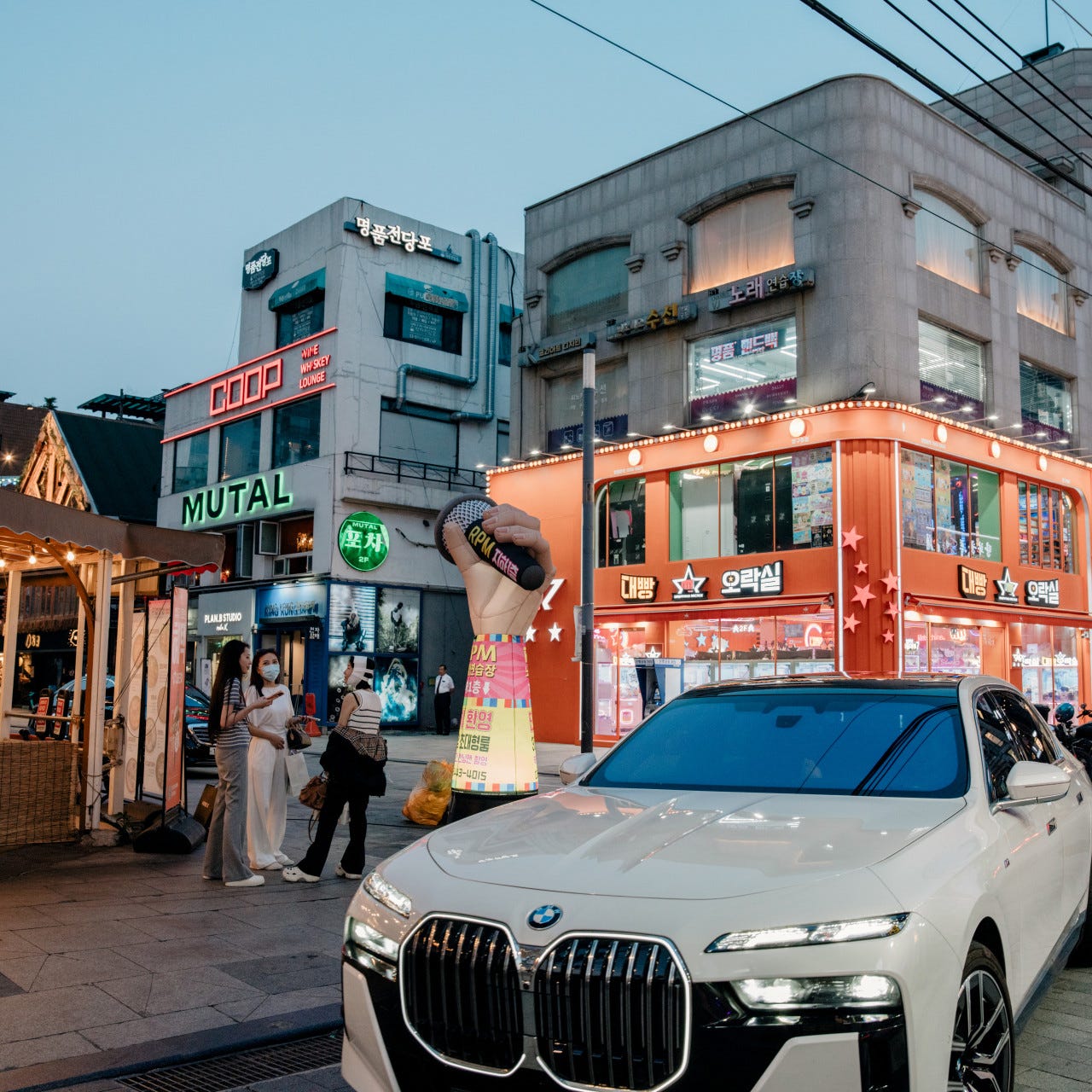
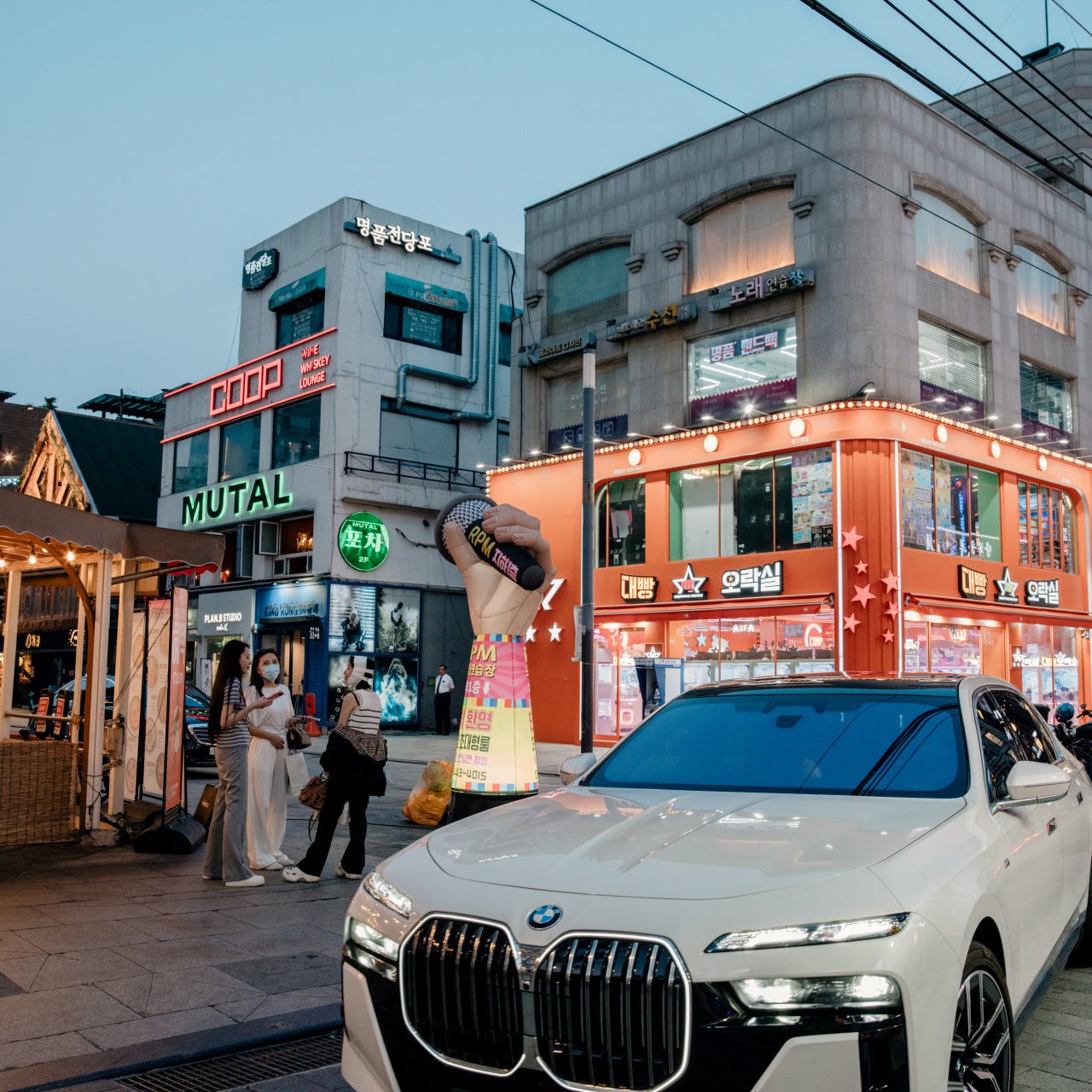
This AI Tech Wave here in the US seems to be the center of the world. But it’s a big world, and it’s easy to miss the other big AI wave over in Asia. Feeding the momentum here in so many ways. And that’s the Bigger Picture I’d like to unpack this Sunday.
“Global success of AI-related companies in South Korea, Taiwan and Japan stokes market fever”. ”Trillions of dollars are flowing into AI’s global build-out, which relies on semiconductors and chip-making technology from a handful of Asian exporters. The worldwide surge in chip demand is swelling exports, corporate profits and the bank accounts of many investors, seemingly without end.”
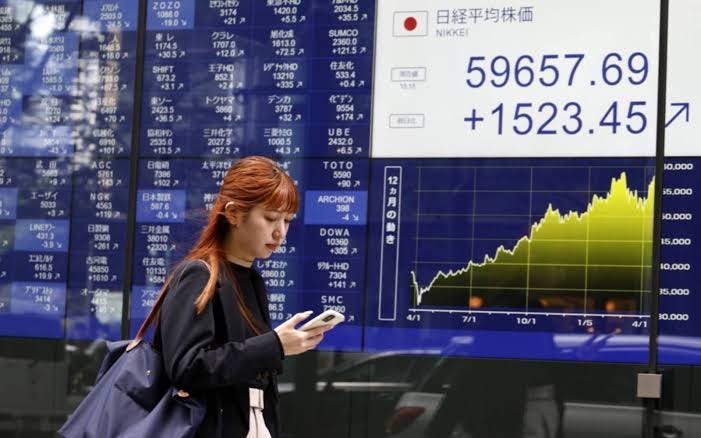
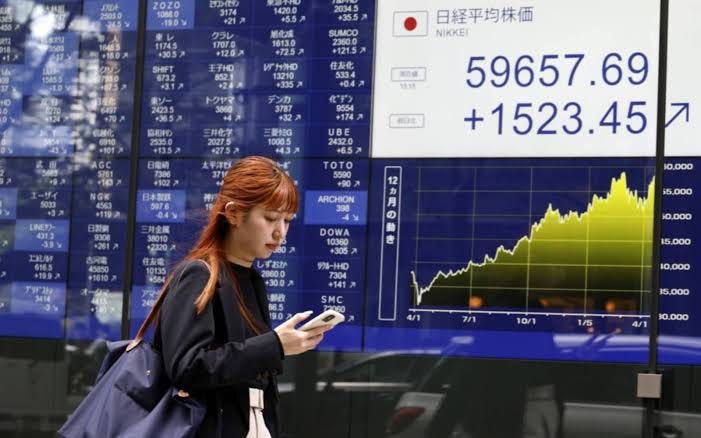
“Even after recent pullbacks, Taiwan’s main stock market has doubled in value over the past year. South Korea’s has tripled. Japan’s Nikkei has surged more than 80% over the same period—triple the returns of the S&P 500.”
Leading Taiwan’s charge of course is TSMC, detailed often in these pages.
“Accelerating demand for AI-related goods has spurred investors—in Taipei, taxi drivers trade stocks mid-ride—and boosted salaries. A surefire pickup line is saying you work at Taiwan Semiconductor Manufacturing Co., or TSMC, the world’s biggest contract chip maker and a generous local employer. Workers in the memory-chip division at South Korea’s Samsung Electronics expect bonuses this year averaging around $400,000. The company is projected to deliver bigger profits in 2026 than any global firm except Nvidia.”
“This part of the tech world looks to prosper whether or not OpenAI’s ChatGPT, Anthropic and SpaceX can deliver on promises to monetize AI services. Asia’s titans supply indispensable hardware, the figurative picks and shovels of the AI gold rush.”
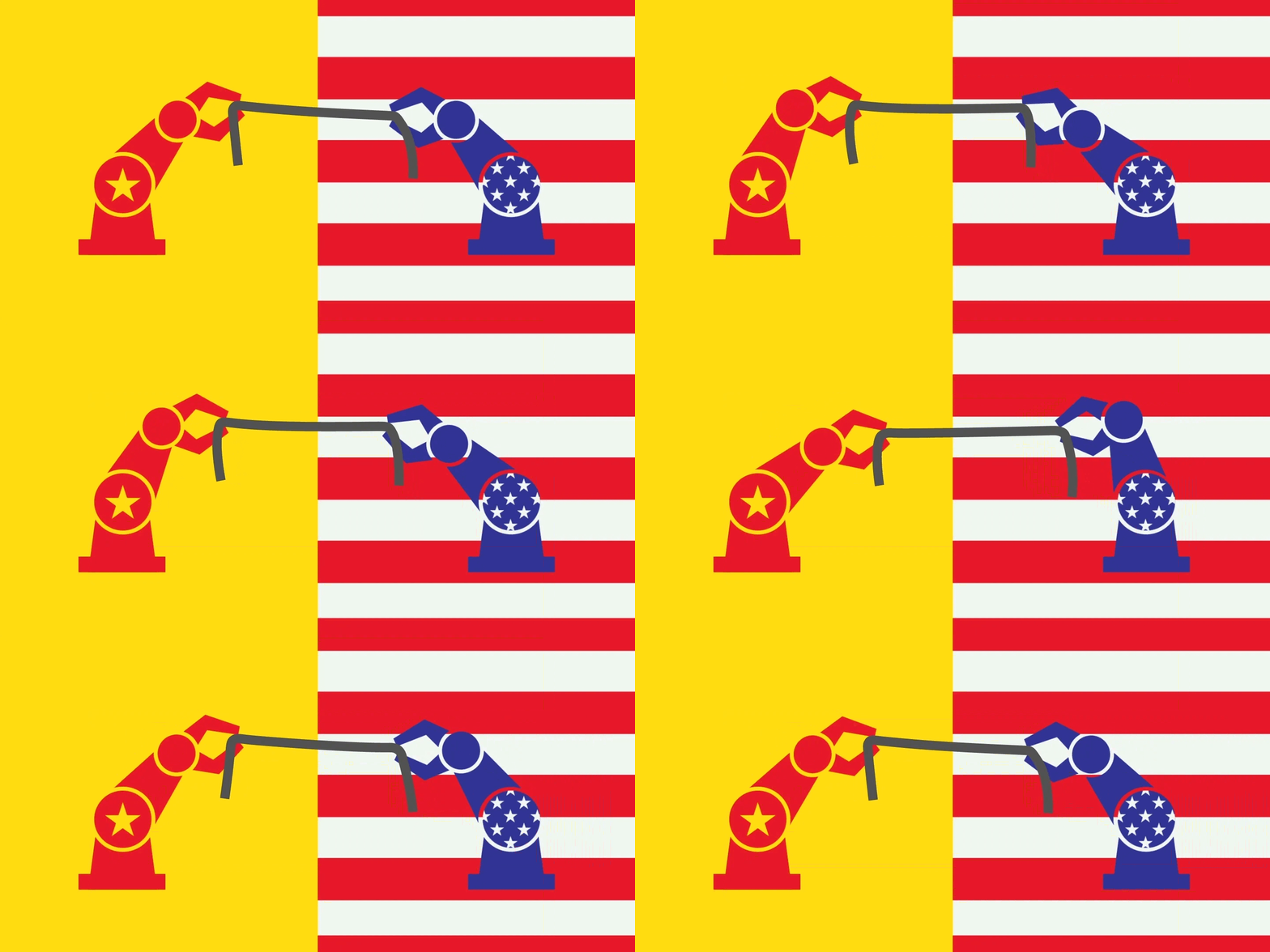
It’s all tied to the success of AI in the US of course. Despite the ongoing ‘threading the needle’ geopolitical efforts between the US and China.
“Silicon Valley’s four hyperscalers—Microsoft, Meta Platforms, Amazon and Alphabet’s Google—together plan to spend as much as $670 billion this year on AI-related capital expenditures. That level of spending towers over the inflation-adjusted outlays for the U.S. railroad expansion of the 1850s, as well as the decadeslong construction of America’s interstate highway system initiated a century later.”
“Global exports of AI-enabling goods hit nearly $4 trillion last year, with Asia accounting for two-thirds of that total, according to an Allianz Trade report. Those goods included semiconductors, data-storage servers and cooling systems.”
“Direct spending on AI—covering services, infrastructure and software—is forecast to total $2.6 trillion this year, up 47% over 2025, according to Gartner, a market researcher. Next year, it is expected to reach about $3.5 trillion.”
“Jensen Huang, the chief executive of premier U.S. chip-designer Nvidia, recently concluded a high-profile, 18-day visit filled with events, speaking engagements and business meetings in Taiwan and South Korea.”
“In Taipei, where convenience stores sell lottery tickets that can win as many as 500 shares of Nvidia stock, Huang announced plans to spend $150 billion a year in Taiwan, which he called the epicenter of the AI revolution. In South Korea, Huang signed deals with local firms in robotics, memory chips and AI.”
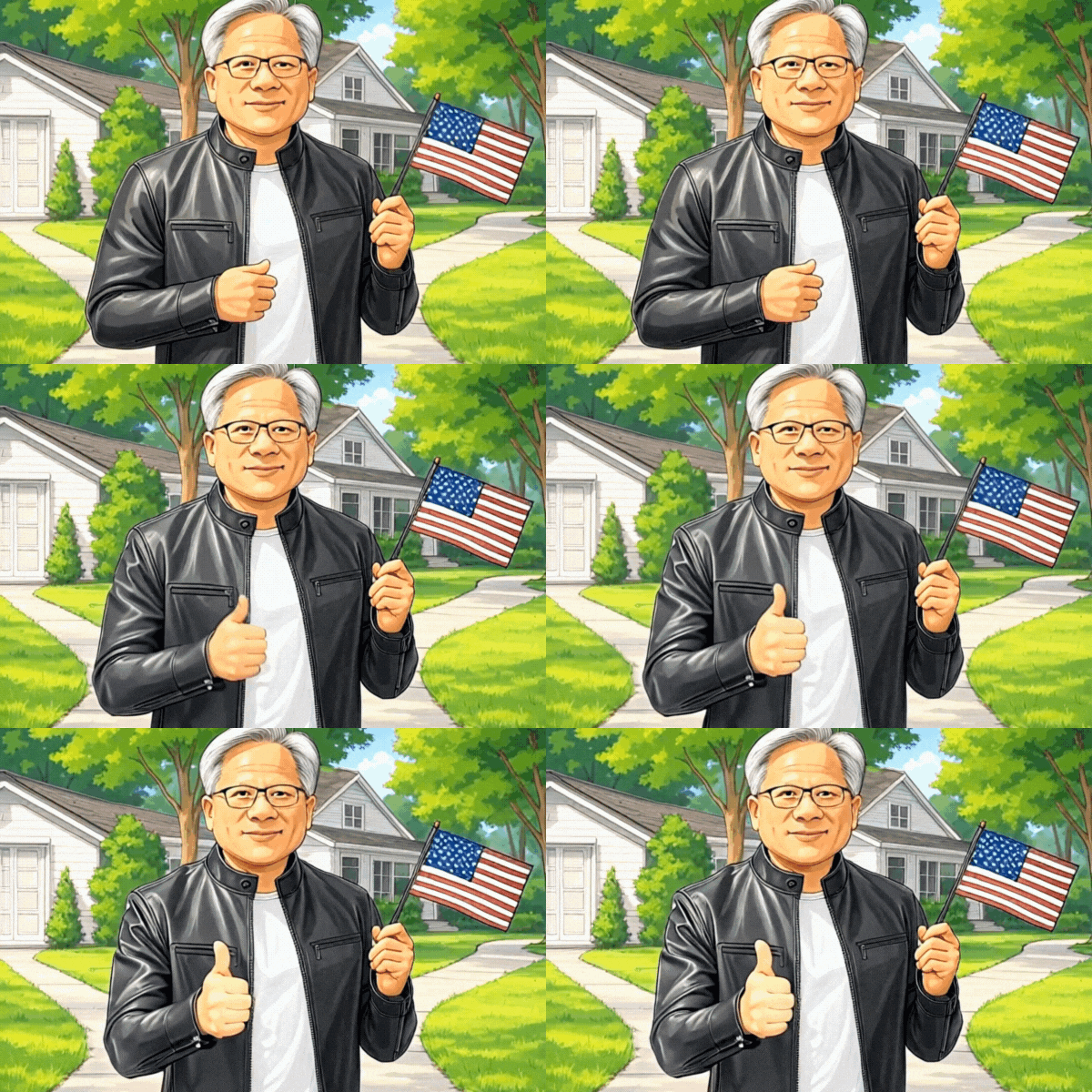
“While Huang was in Seoul, South Korea’s main stock index halted trading on June 8 after cratering more than 8%. The drop followed a U.S. selloff in chip shares, including Nvidia. Huang, in his usual leather jacket even in sweltering Seoul heat, shrugged off the fall.”
“Everyone should be very happy about the stock prices,” he said, “because you can buy the stock more cheaply.”
The whole piece is worth a full read for all the charts, nuance and energy, among the young and old across Asian shores.
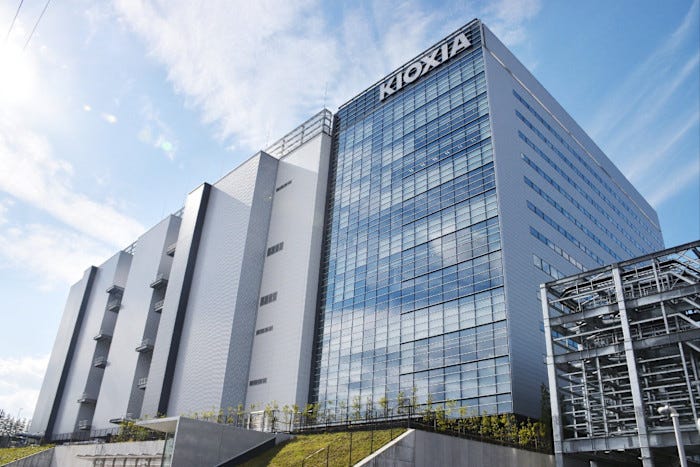
“Bain Capital stands to pocket profits of $15bn on 2018 buyout of Kioxia, the former Toshiba Memory”.
”Bain Capital has notched up one of the most lucrative private equity deals on record after the memory chipmaker it bought eight years ago became one of Japan’s most valuable companies following a share price surge of more than 5,000 per cent. Bain stands to pocket profits of more than $15bn on its 2018 buyout of Kioxia — then called Toshiba Memory — according to multiple people familiar with the matter.”
“The deal is set to return close to 20 times Bain’s investment as Kioxia’s value has soared since being listed in 2024, including a windfall of more than $8bn for the US firm’s 12th flagship PE fund. The memory chipmaker has jumped 700 per cent this year and is now Japan’s most valuable company, worth more than ¥51tn ($318bn) — more than Toyota or SoftBank. Kioxia is also on track to be the best-performing stock on the MSCI World index for two years running.”
Both tales above highlight the global nature of the true Bigger Picture of this AI Tech Wave underway. Only the fourth year after the launch of OpenAI’s ChatGPT, November 30, 2022.
And we haven’t even gone deeper into what’s going on in mainland China at all levels of AI, both digital and physical.
Trillions of dollars staked and made around the world. Bigger than any of the past tech waves at this point in their cycles. Just discussed the periphery in Asia. Not even glancing at India in the rear mirror.
A crazy, rich AI story in Asia indeed.
The whole thing just barely getting started. Up and Down. In ever oscillating waves.
Not just in the US. Stay tuned.
(NOTE: The discussions here are for information purposes only, and not meant as investment advice at any time. Thanks for joining us here.)
Happy Sunday… I have a redeye to London tonight from Toronto. I will be attending the world’s great cycling show (according to Matteo the founder), which...
Good evening. Welcome to Trends with No Friends. For those just joining us, here’s an overview… We launched this publication to help investors sift through...