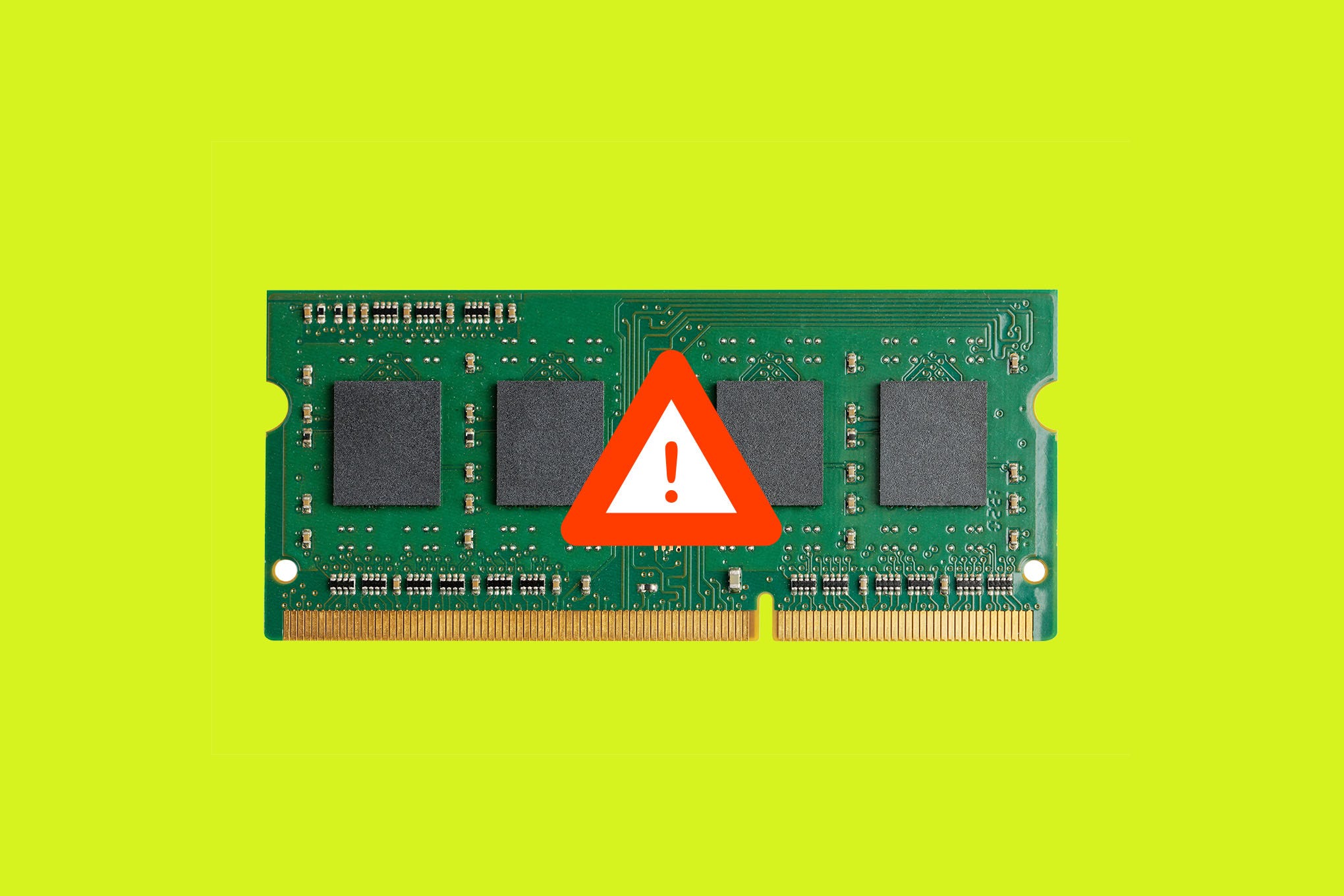
“A global shortage of memory chips is likely to persist another four to five years because of constraints in semiconductor production.”
“Supply of the basic wafers that get made into chips are lagging demand by more than 20%, according to Chey Tae-won.”
“The shortage is beginning to hammer profits, derail corporate plans and inflate price tags on various products, and many expect the crunch to worsen before it improves.”
“A global shortage of memory chips is likely to persist another four to five years because of endemic constraints in semiconductor production, the head of South Korean conglomerate SK Group said.”
That’s half a decade, not a few quarters that have typically driven the ups and down for semiconductor companies over decades across earlier tech waves.
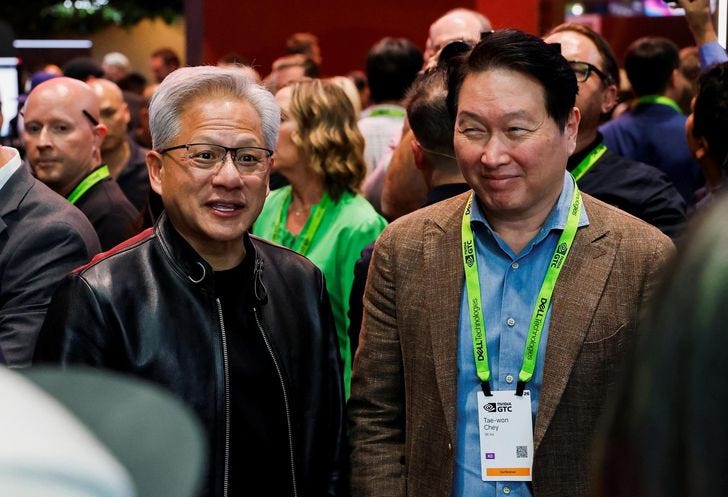
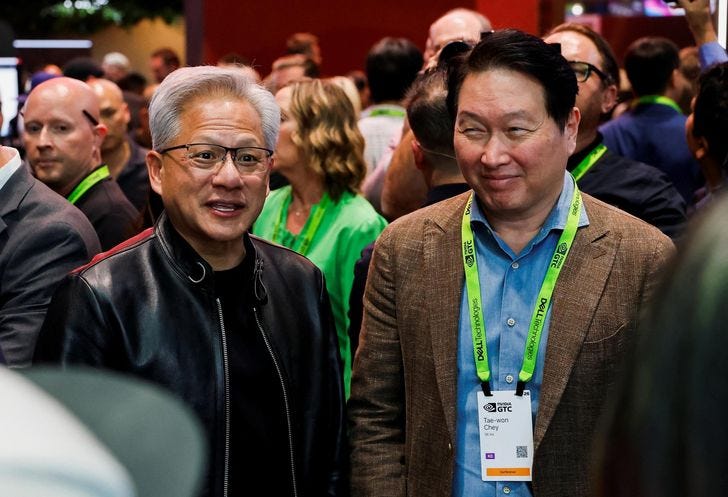
“Leading players such as SK Hynix Inc. are expanding capacity but they’re unlikely to fully sate demand till around 2030, said Chey Tae-won, whose company controls the chipmaker. Industry-wide, supply of the basic wafers that get made into chips are lagging demand by more than 20%, Chey told reporters on the sidelines of Nvidia Corp.’s GTC event in San Jose.”
“SK Hynix, Samsung Electronics Co. and Micron Technology Inc. together dominate the supply of memory chips globally. The three have shifted production in recent years toward a specialized form of memory intended for use in Nvidia’s in-demand AI accelerators, leading to a shortfall in output of more conventional storage.”
“That deficit is beginning to hammer profits, derail corporate plans and inflate price tags on everything from laptops and smartphones to cars and data centers — and many expect the crunch to worsen before it improves. SK Hynix is preparing to outline measures to help stabilize prices, Chey added, without elaborating.”
The whole piece is worth a fuller lead, with additional charts that add color to the picture.
Overall, it bears repeating that memory shortages are now a critical factor affecting everything in this AI Tech Wave.. From the mainframe like AI Data Centers to local PCs, smartphones and wearables in the hands of billions of global users.
If anything, because ultimately three companies SK Hynix, Samsung, both in Korea, and Micron in the US, supply most of both types of memory, the problem is currently relatively ‘zero sum’.
Their shifting of their manufacturing ‘fab’ capacities from ‘local memory’ to ‘high bandwidth memory (aka HBM)’ on the AI Data Center side is driven by economics. Higher margins on the latter vs the former.
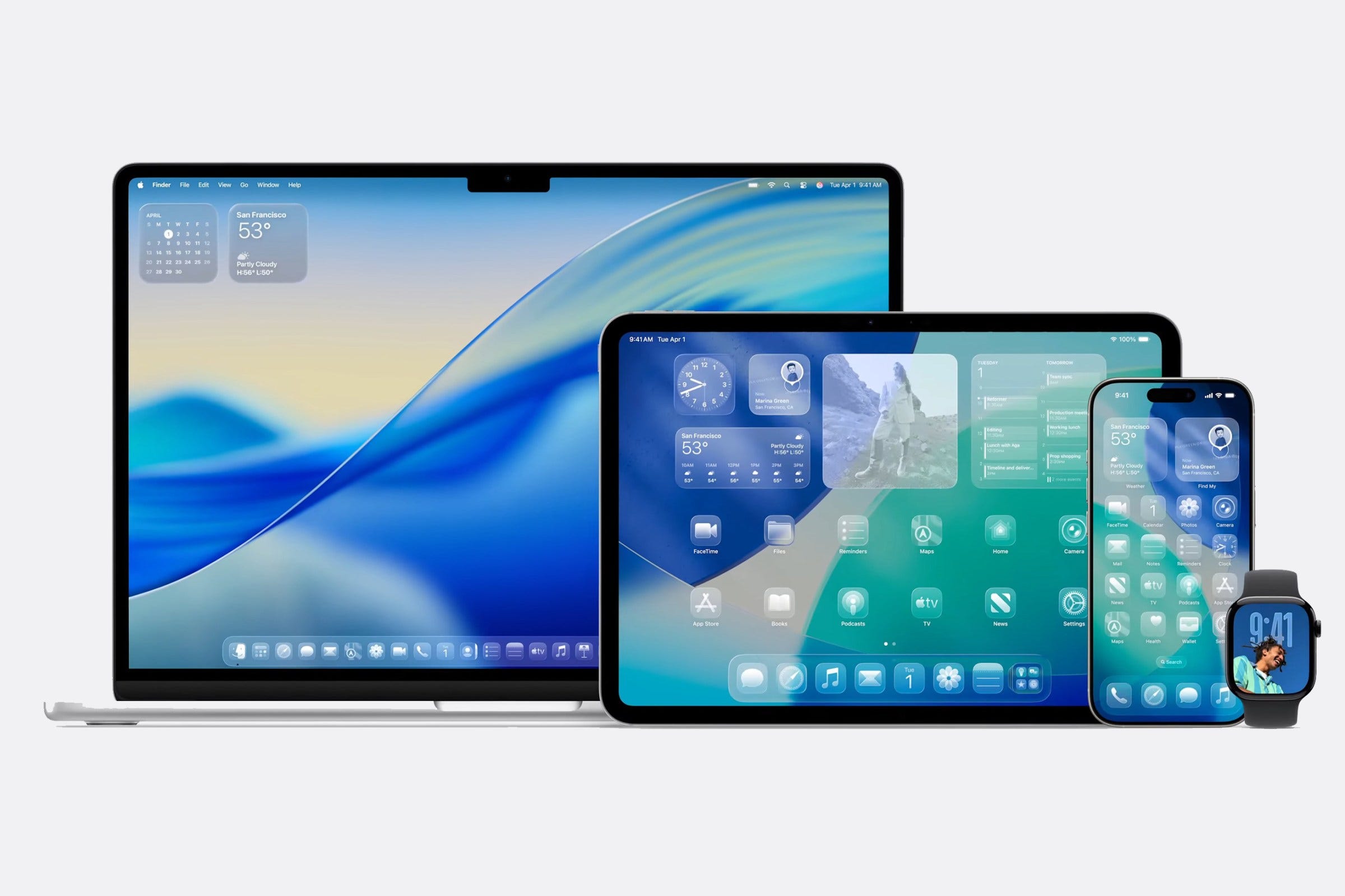
The environment favors three companies that have tied in most of the memory chip supply on both ends of global chip demand: the AI Data Centers, and local computing devices. Those of course are Nvidia,Google and Apple. The latter especially on the global consumer end of the market as I’ve outlined in detail.
This is especially because they’re all vertically integrated, with the LONGEST supply contracts locked in on the memory side in particular, and a whole host of other components in general.
This includes the global memory oligopoly above, and the broader chip foundries like Taiwan Semiconductor (TSMC). Not to mention the purveyors of key chip making equipment companies like ASML in the Netherlands, with their half a billion+ EUV lithography machines, likely the most complex machines made by humans.
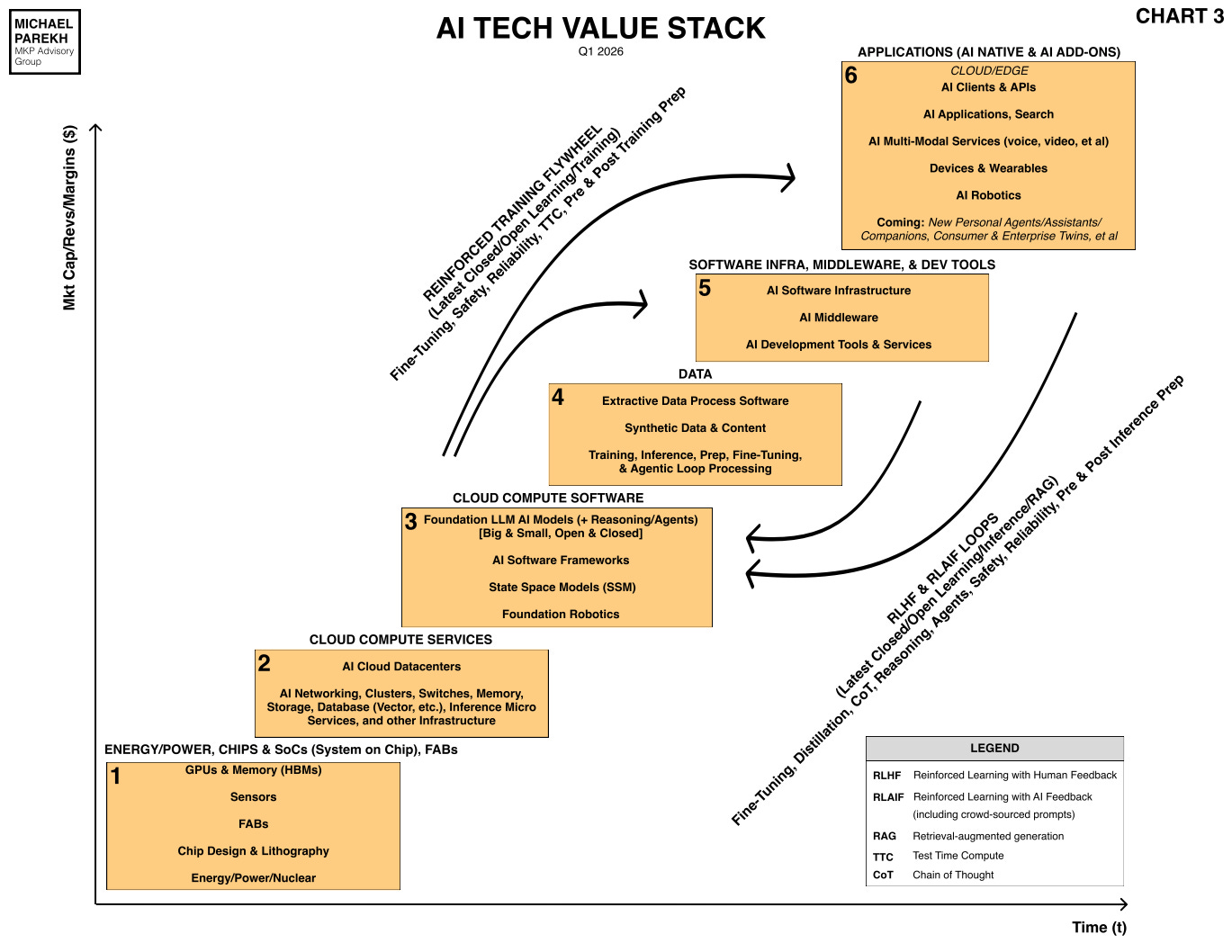
It basically means that the lower part of the AI Tech Stack is locked up in their supply for the rest of the decade at least. And being in front of the line as top customers is FAR MORE valuable than ever before.
And despite of the regular cyclicality of traditional technology waves, this time, the secular supply/demand constraints are visible and measurable not just in quarters, but in years.
And that is a different reality at this point in the AI Tech Wave than most earlier tech waves. Makes both consumption and investment decisions a bit simpler for a while ahead.
Focus on compaies with direct connection to billions of end users with hardware and software. Stay tuned.
(NOTE: The discussions here are for information purposes only, and not meant as investment advice at any time. Thanks for joining us here)
Every morning I wake up to catch up on my very limited ‘filtered’ news that I have set for myself and it seemingly gets worse. Yesterday, one rocket killed...