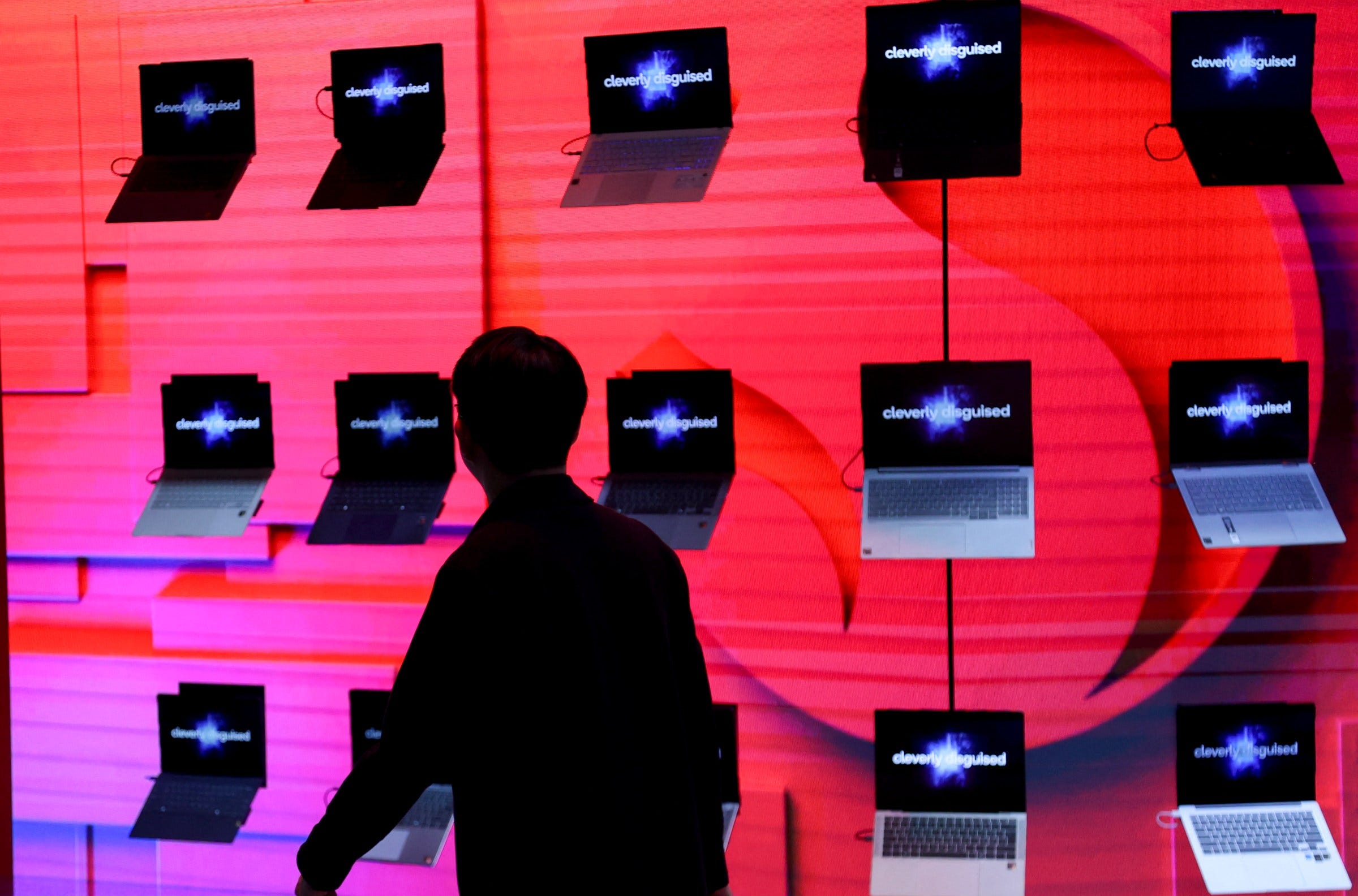
There’s a ‘best of times, worst of times’ dynamic going on. On the former front, we’re seeing the expected flood of AI powered PCs, laptops, smartphones and a plethora of devices, with more AI capabilities than ever.
“Building a PC or buying one is about to get even pricier”.
“The personal computer has remained surprisingly resilient to change over the past 15 years. Apple promised a “post-PC” era with the iPad in 2010 and failed to deliver one. Smartphones even overtook laptops as the most popular device to connect to the internet a decade ago, but millions of people still kept buying PCs every year. But this PC resiliency is going to be tested even further this year.”
Not to mention smartphones, which are also dependent on rising memory chip minimums to at least 16GB (gigabytes) from previous base levels of 8GB. Even at Apple as of 2024 onwards or its Mac computers, and increasingly iPhones.
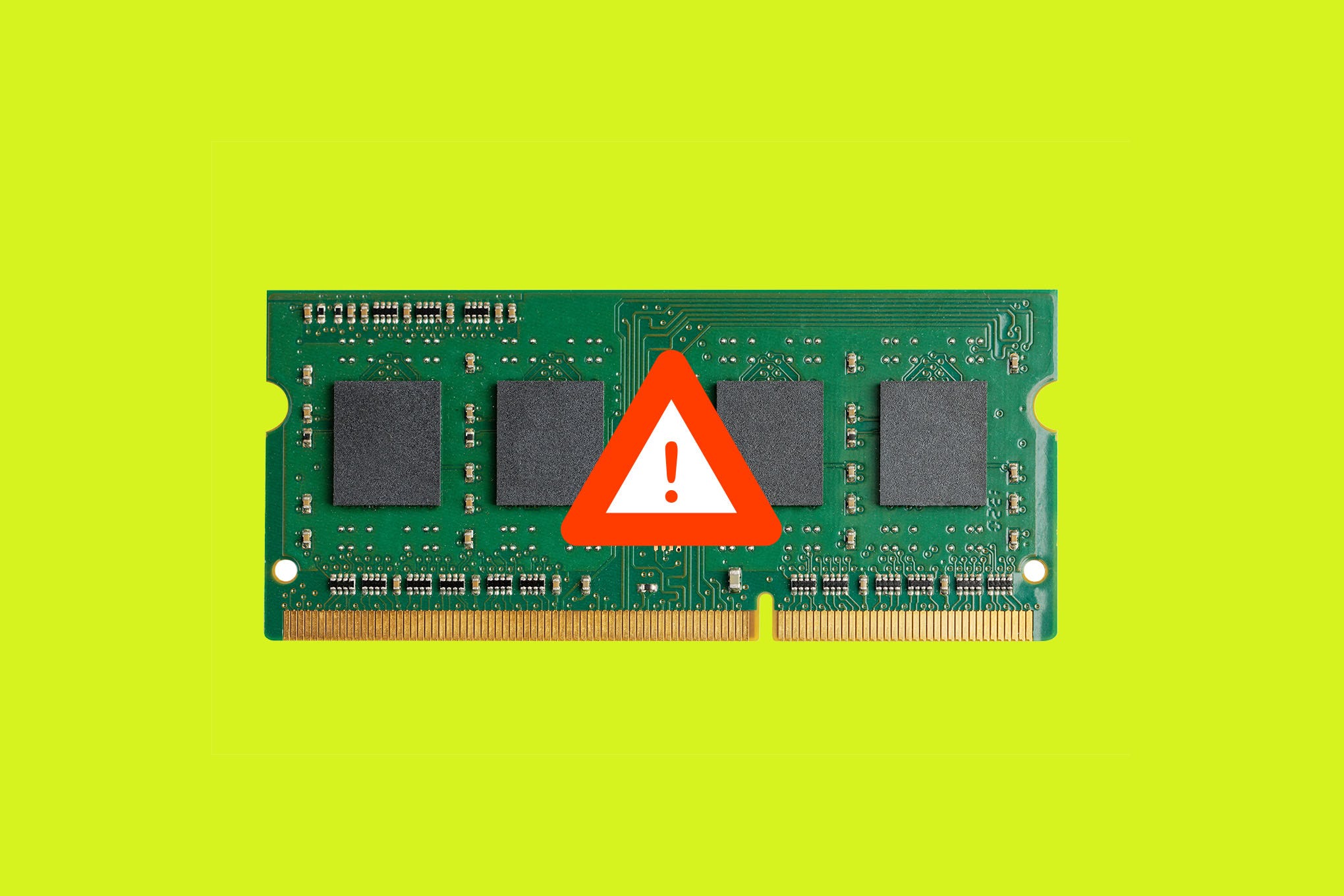
“RAM and NAND / SSD prices have surged in recent months due to shortages created by AI data center demand. Some stores have had to sell memory like it’s lobster, prebuilt PC costs have risen, and some assemblers are even selling PCs without RAM.”
“Now, we’re about to see how the shortage hits regular laptops and PCs from the likes of Lenovo, Dell, HP, Asus, and Acer. TrendForce predicts that memory prices are projected to “rise sharply again in the first quarter of 2026.” More price rises will only put further pressure on laptop and PC pricing, and we’re seeing early signs that PC makers are adjusting prices at CES this week.”
The list of PC OEMs struggling over this issue goes on:
“Asus announced to its channel partners this week that it’s implementing price hikes across its products as a result of the memory market conditions. Dell also adjusted the launch pricing of its XPS 14 and XPS 16 just hours before they were announced this week, in a sign that laptop pricing is going to become increasingly fluid. Lenovo has been stockpiling PC memory to try and weather the storm throughout 2026, and HP has warned it will have to increase prices and offer lower RAM configurations later this year. Like Lenovo, HP also has a stockpile of memory, but it expects the continued rise in costs will begin eating into PC product margins by May.”
With no respite in sight:
“There’s no quick fix for PC makers, either. Offering less RAM on laptops will be difficult for manufacturers, particularly below the 8GB threshold. Windows 11 has a minimum RAM requirement of 4GB, but it doesn’t run particularly well in those conditions. While TrendForce predicts some smartphones are likely to return to just 4GB this year, “for budget notebooks, DRAM cannot be reduced quickly due to processor pairing needs and operating system limitations.”
It all means negative things for comnpanies like Microsoft, OpenAI, Apple and others further up the AI Tech Stack in Boxes 4 through 6 below.
Their Applications and AI chatbots like Copilot, ChatGPT, Gemini and others increasingly need ever increasing RAM to do their AI chatbot, reasoning, agentic things.
“The timing of this memory shortage couldn’t be any worse for Microsoft and its PC partners. Windows 10 just hit end of life in October, and many businesses are in the process of migrating to Windows 11. That often involves a PC refresh cycle, and there were strong signs throughout 2025 that PC shipments were accelerating thanks to a refresh of the existing install base. That momentum could be derailed later this year once RAM stockpiles are depleted.”
And it doesn’t seem like a cyclical trend over a few quarters.
“Timing isn’t the only problem for the PC market, as the increased prices of RAM and SSDs could be permanent instead of a temporary supply constraint. “This is not just a cyclical shortage driven by a mismatch in supply and demand, but a potentially permanent, strategic reallocation of the world’s silicon wafer capacity,” warns IDC. “For decades, the production of DRAM and NAND Flash for smartphones and PCs was the primary driver for production. Today, that dynamic has inverted.”
Of course, the memory companies like SK Hynix, Micron and others are only shifting to where the big money is growing, AI Data Centers writ super-large.
“The demand from hyperscalers like Microsoft, Google, Meta, and Amazon has pushed Samsung, SK Hynix, and Micron to pivot toward building high-bandwidth (HBM) and high-capacity DDR5 memory. “Every wafer allocated to an HBM stack for an Nvidia GPU is a wafer denied to the LPDDR5X module of a mid-range smartphone or the SSD of a consumer laptop,” says IDC.”
Ironically, the trend is striking hard at Nvidia’s core gaming AI GPU business, which over almost thirty years, helped get the company to get to a point where it could become an AI Infrastructure behemoth.
“Demand for memory looks set to impact GPU prices too. Rumors have suggested that Nvidia could force GPU partners to adjust pricing to factor in increased memory costs. “The demand for memory in the market is at record levels, and this does mean supply will be tight,” admitted Ben Berraondo, director of global PR for Nvidia GeForce, in a briefing with The Verge last week. “There have been no major changes in how we manage memory with our customers. There are no major supply chain changes to GeForce,” says Berraondo.”
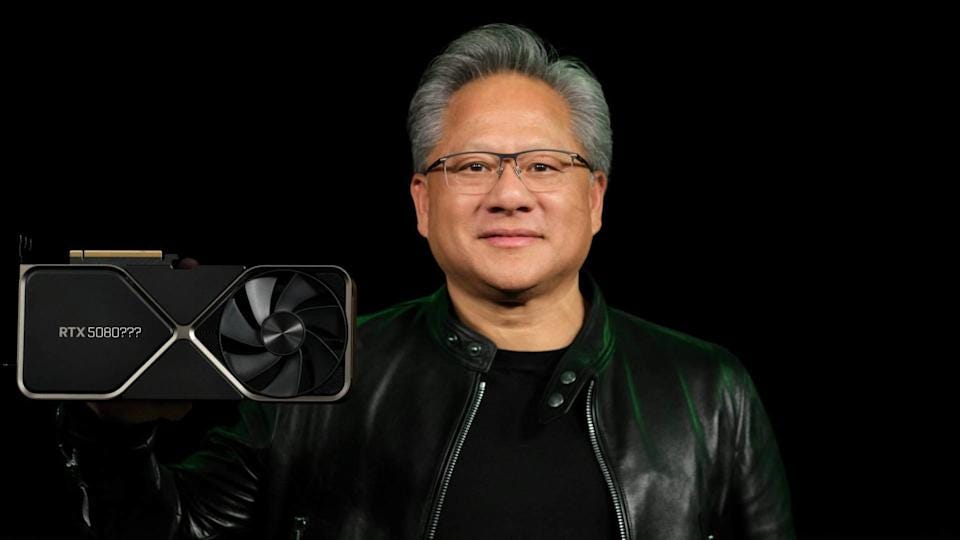
We’re looking at almost 100% increases in Nvidia’s top of the line gaming AI GPU 5000 series cards:
“Despite a lack of major memory changes to GeForce, pricing is already starting to increase. Newegg has started listing a variety of RTX 5090 cards at well above $4,000. It’s becoming increasingly difficult to find an RTX 5090 for under $3,000, after prices were close to the $1,999 retail price in September.”
“Berraondo didn’t comment directly on the rumors of $5,000 pricing for the RTX 5090, but he did point to Nvidia’s Founders Edition model still being listed at $1,999 at Best Buy. That’s great, but it’s constantly out of stock so it’s not representative of the true retail pricing of the RTX 5090.”
And again it’ll affect downstream gaming hardware like consoles and hand-helds:
“If the costs of building a gaming PC don’t stabilize in 2026, Microsoft will also feel increased pressure on its next-gen Xbox plans. Microsoft is aggressively pivoting toward PC for the future of Xbox consoles, with the handheld Xbox Ally devices just the beginning of its plans. Component costs could force the price of the next-gen Xbox even higher and also impact Sony’s plans with the PS6 and Valve’s upcoming Steam Machine.”
But in particular, the trend impact Microsoft’s AI PCs, which is a 100 million plus unit global market across dozens of OEM PC vendors:
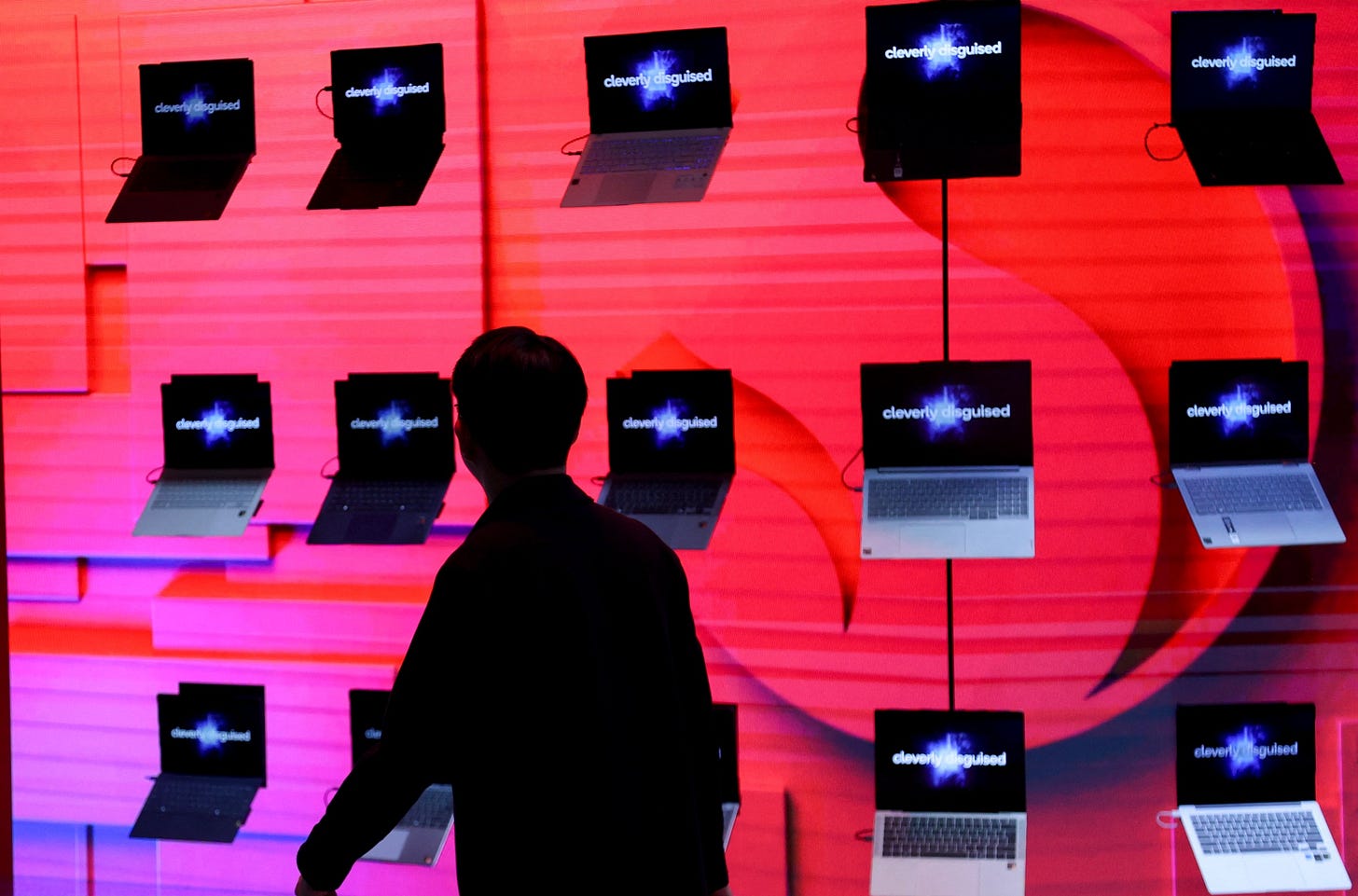
“The memory shortage also threatens to impact Microsoft’s AI PC push. Microsoft set a surprising minimum of 16GB of RAM for its Copilot Plus PCs, in order to handle local small language models. Qualcomm has been pushing to bring Windows on Arm (Copilot Plus PCs) down to the $600 price range, but that effort looks set to reverse due to memory costs.”
“It increasingly feels like we’re witnessing a battle over the future of the PC, where component prices and AI features are having a big impact on computing. If AI demand wins the battle then more traditional computing tasks will increasingly be performed in the cloud. That could force businesses to increasingly move to virtual machines instead of refreshing laptops and gamers to look at cloud streaming services instead of buying an expensive gaming PC.”
This morning I was live this morning with @timevalueofbtc from the Bitcoin Layer podcast discussing my IWM short thesis which I recommended a couple weeks...