The challenges are especially fraught, given the additional US/China geopolitical competitive headwinds for tech supply chains. I’d like to discuss the Bigger Picture of implications for the tech/AI industry at least for this year and likely beyond.
“Shares of tech goods makers rose off their morning lows on news of the high court’s ruling.”
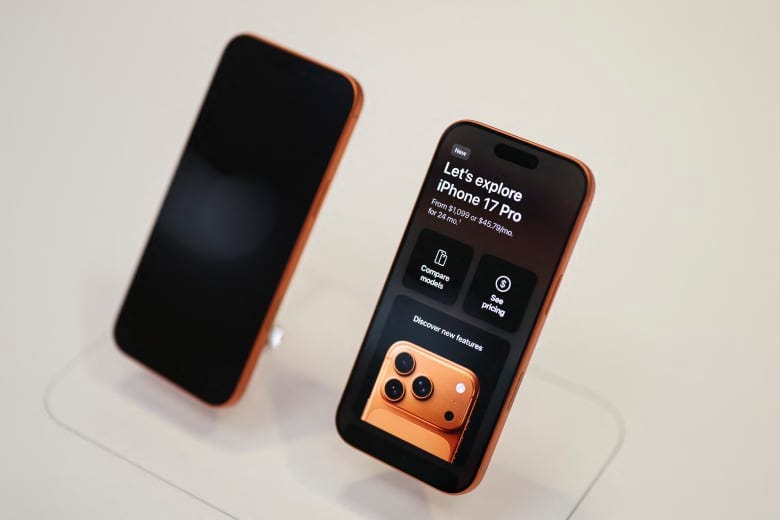
“Tech goods have been some of the least affected imports because the Trump administration exempted swaths of tech from some of the levies soon after the IEEPA tariffs were announced.”
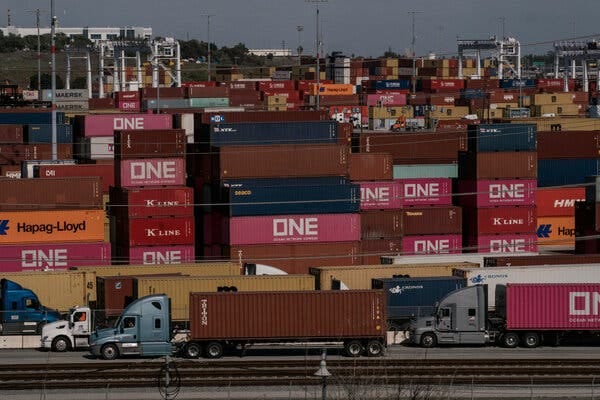
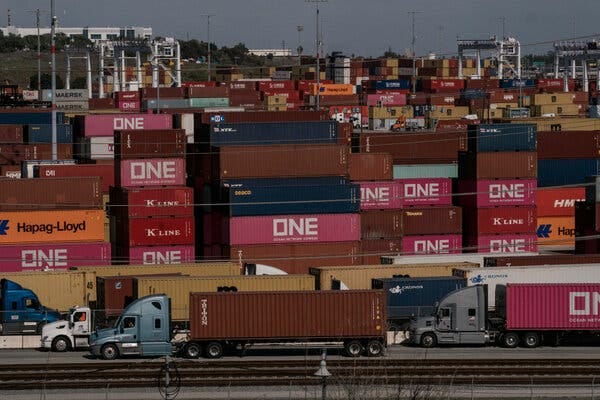
“Included in the exemptions were smartphones, servers and PCs. The big thing that remained was a 20% tax on imports from China, where many of these products are assembled. Some of these goods also got slapped with a 25% IEEPA tariff on imports from Mexico. Now, those have been lifted.”
“Many of these companies were able to mitigate the effects of the tariffs by moving assembly to other countries.”
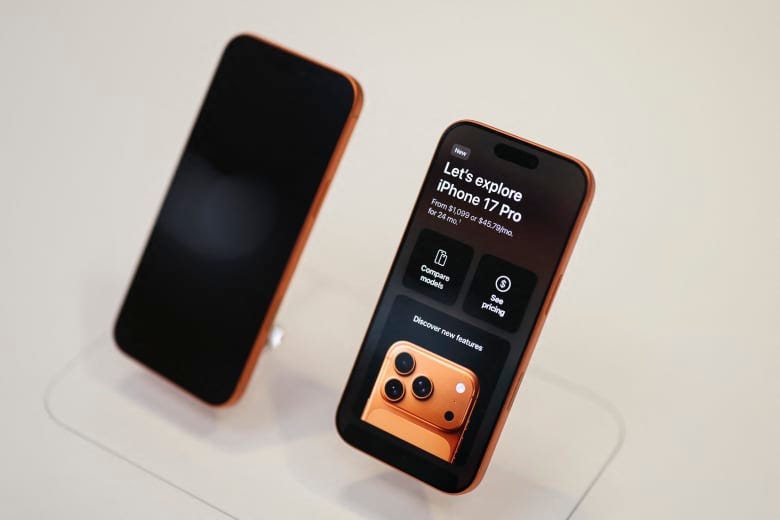
“Apple, for example, had spent years beefing up its iPhone manufacturing capacity in India, and was able to shift that output to the U.S. In its first quarter, Apple’s products gross profit margin increased by 1.4 percentage points from the year before, despite the tariff headwind. Apple stock rose 0.6% in midday trading, after being down as much as 0.9%.”
“Also seeing rallies on the news were shares of Dell, Hewlett Packard Enterprise, Nvidia, Advanced Micro Devices, Arm, and Taiwan Semiconductor Manufacturing. Intel makes chips in the U.S., and its stock remained down over 2% during midday trading.”
“Immediate “Tech Tariff Trade”Takeaways: 1. Alleviates some memory driven Tech Pricing Pressures. 2. More pricing certainty on AI Supply Chain Deals 3. Expedites building new AI Tech Wearables. Positive for $AAPL & $NVDA especially. More here.”
“The move signaled that the president would press ahead with steep global tariffs despite the legal setback from the Supreme Court.”
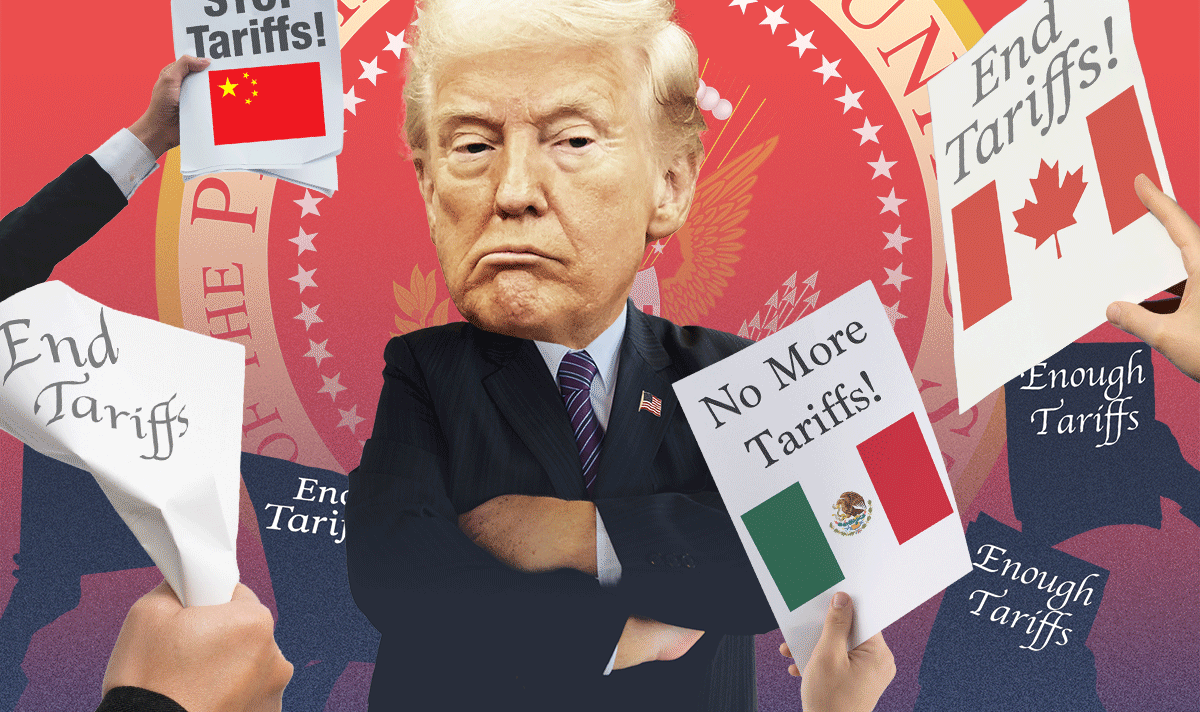
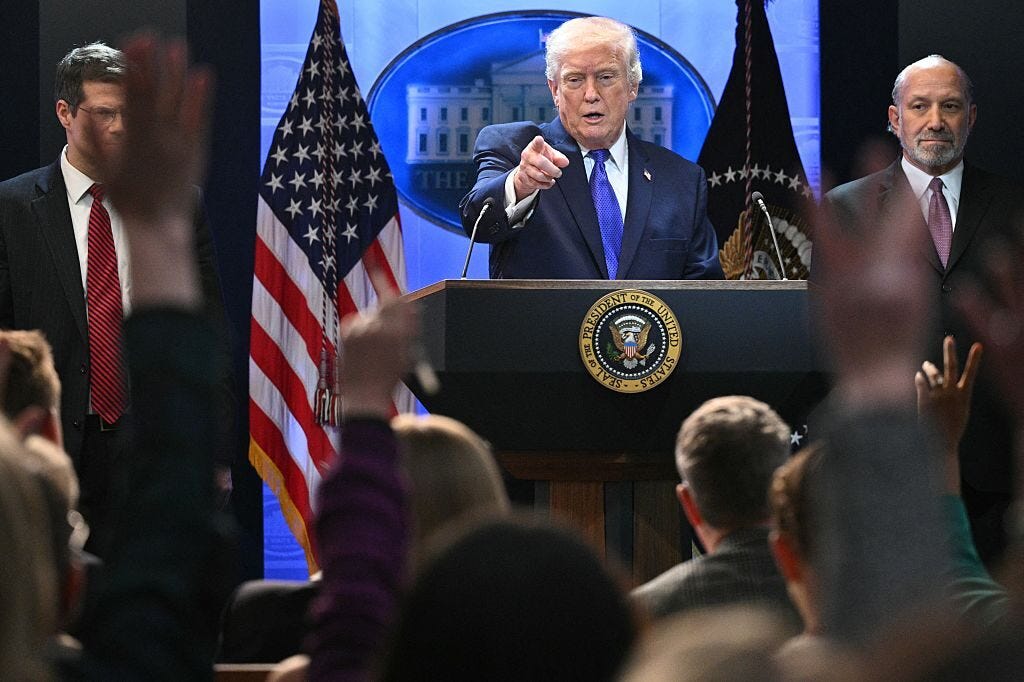
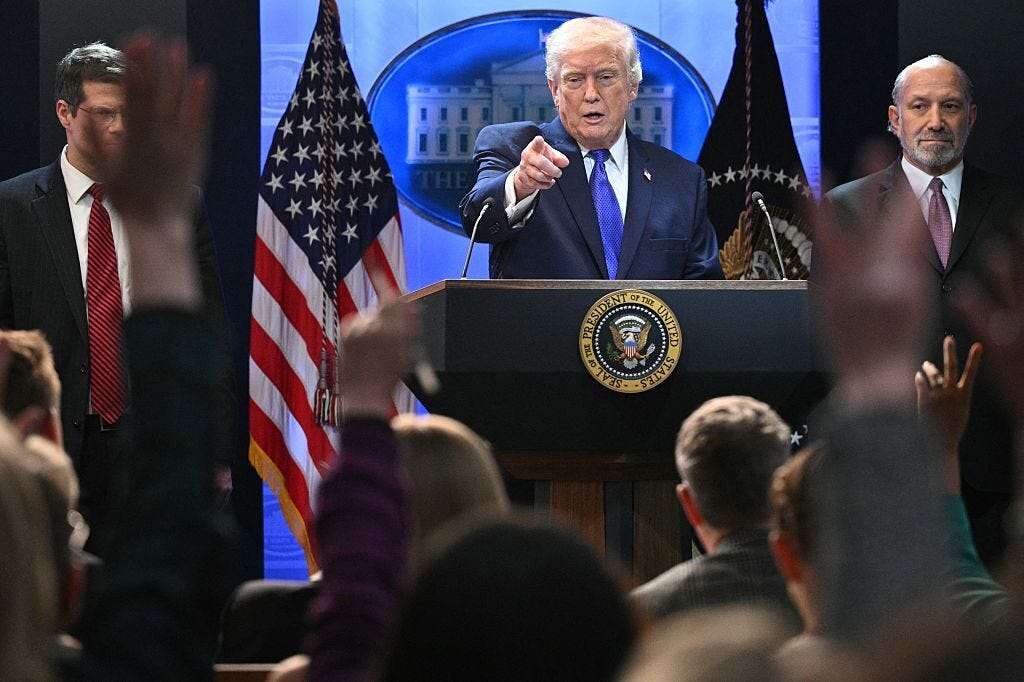
“President Trump announced on Saturday that he would raise his new, global tariff to 15 percent, a day after he took steps to replicate some of the punishing duties that had been struck down by the Supreme Court.”
“Mr. Trump announced the change in a post on social media, and said the policy would take effect immediately, as he signaled that he would press ahead with his trade war despite a major legal setback.”
“For some countries, Mr. Trump’s new 15 percent tariff may actually be higher than the rates that previously applied to their exports to the United States. Those tariffs were invalidated on Friday, after a majority of the court’s justices found that the president did not have the authority to issue them using a set of emergency powers.”
“Mr. Trump previously set his replacement global rate at 10 percent, using a provision in a law — never before invoked by a president — that allows him to impose an across-the-board tariff for 150 days unless Congress agrees to extend it. The statute caps the rate at 15 percent, though Mr. Trump has signaled he plans to use other trade provisions to continue raising taxes on imports.”
His ability to enforce these and other measures is hampered by legal and political realities. Something Neal Katyal, the lawyer who argued against the Trump Administration at the Supreme Court, explains:
“Seems hard for the President to rely on the 15 percent statute (sec 122) when his DOJ in our case told the Court the opposite: “Nor does [122] have any obvious application here, where the concerns the President identified in declaring an emergency arise from trade deficits, which are conceptually distinct from balance-of-payments deficits.”
”If he wants sweeping tariffs, he should do the American thing and go to Congress. If his tariffs are such a good idea, he should have no problem persuading Congress. That’s what our Constitution requires.”
But that is not what the likely set of responses from the Administration is going to be. Especially ahead of a ‘State of the Union’ address in front of the Supreme Court justices this Tuesday.
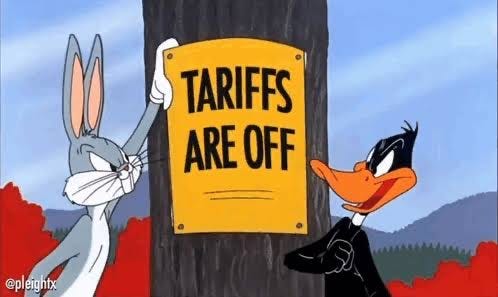
So the tariff issue is likely to continue unabated and indefinitely. In different forms. Stretching out paralysis and uncertainty for business around the world. While raising regressive taxes in all but name, back in the US. CEOs of tech and non-tech companies are still in their trade and tariff ‘War Rooms’ post the SCOTUS decision, and now post the Administration’s waves of reactions to come. And of course, going back and forth with their Boardrooms and investors.
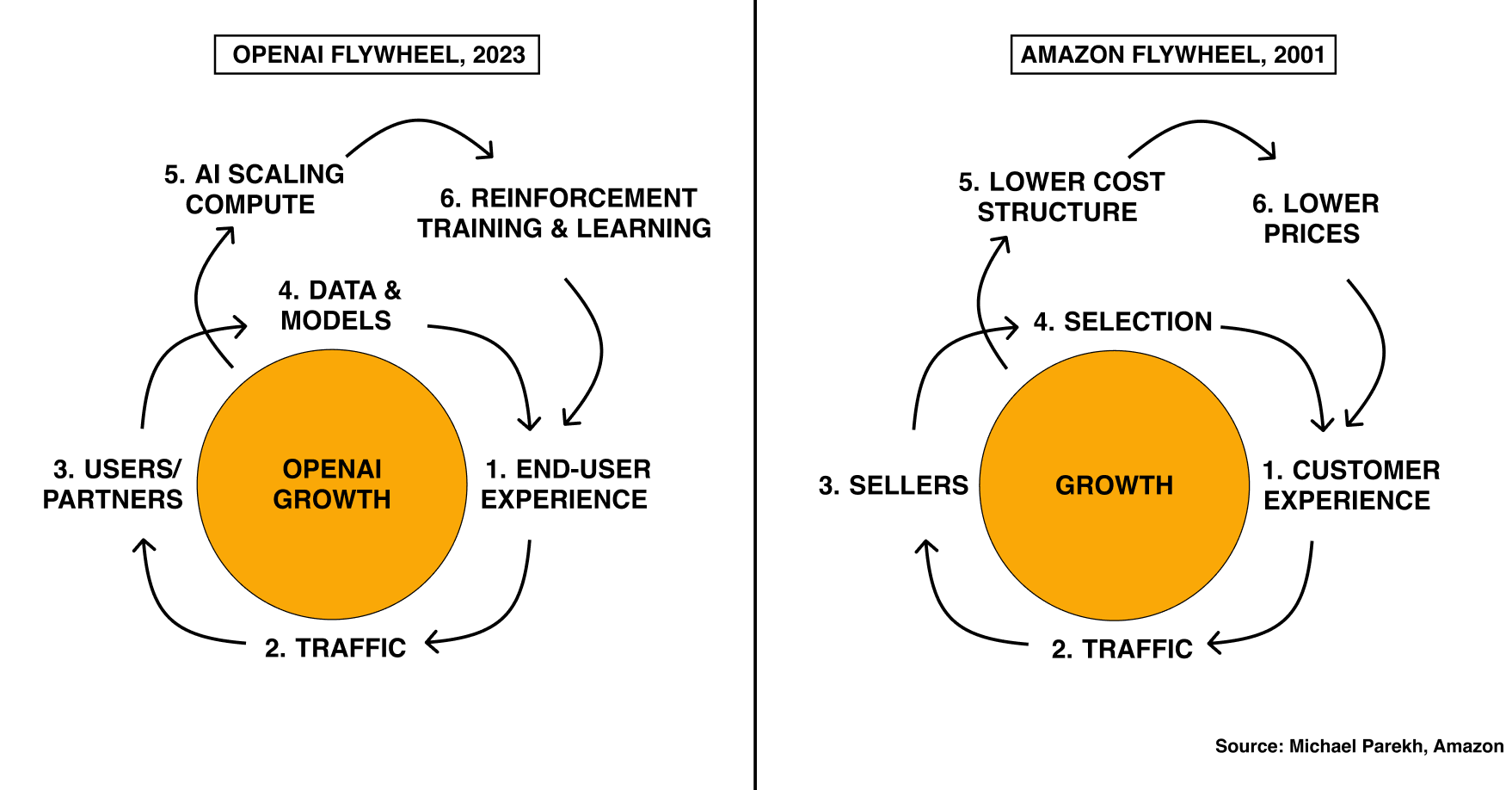
So the tech and AI industry in particular, will have to continue to operate under its headwinds for the foreseeable future. Uniquely challenged compared to their non-tech counterparts due to the far faster moving tech and business flywheels of their models. Amazon and OpenAI are examples I’ve long used. But very ‘Mag 7’ and small tech company has their own version.
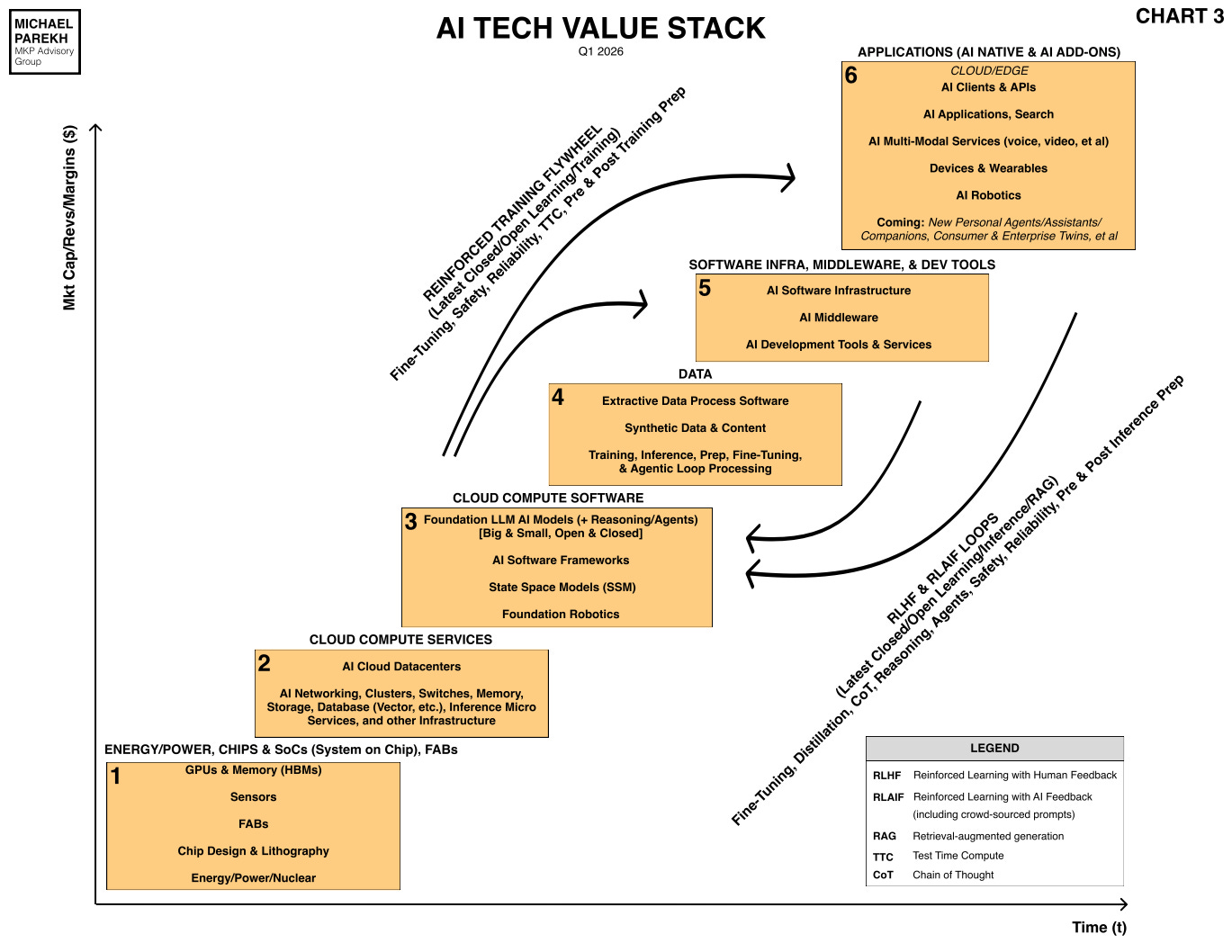
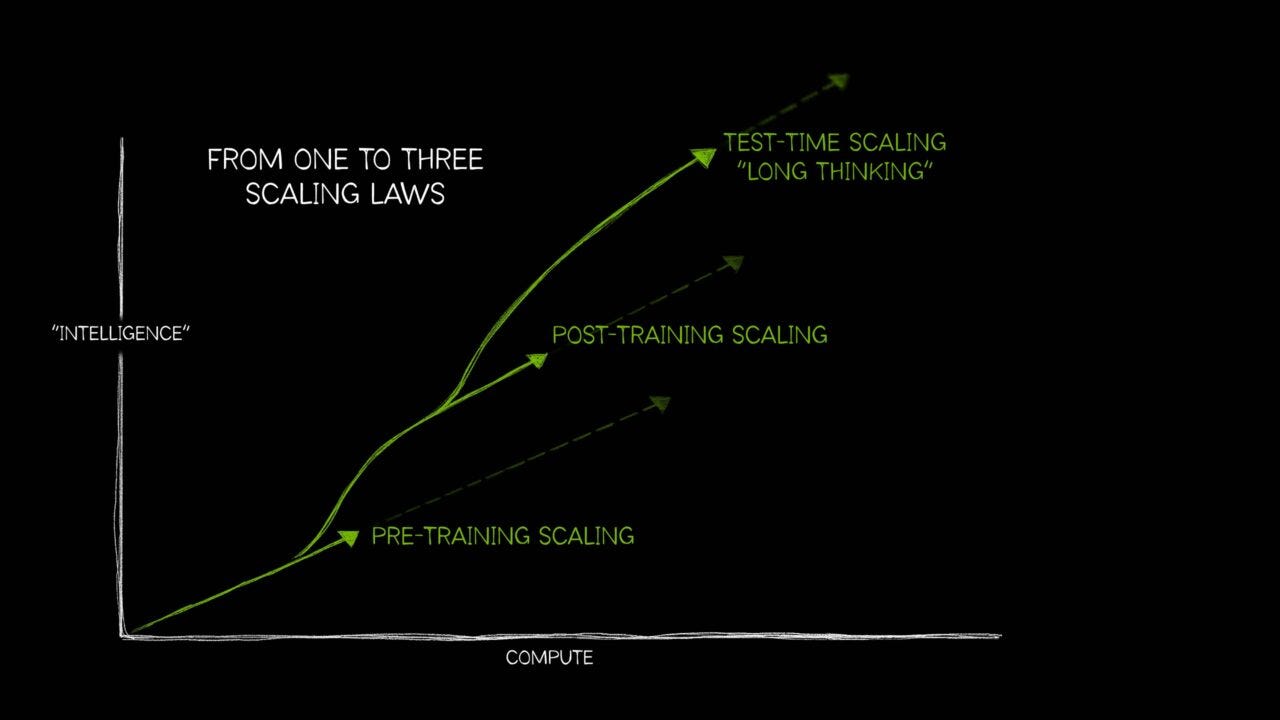
And of course the AI Flywheels of the training and inference loops (see below) driving the economics of the AI Intelligence tokens in and out, driven by the variable costs of rising customer applications. Especially as AI continues to Scale through ever-increasing intelligence token processing waves.
Seen below covering most of the ‘AI Staircase’ tech stack. Boxes 3 to 6 in particular. Each box containing hundreds of tech companies. Many with business models across boxes up and down the stack.
All facing the headwinds of the geopolitical trade and tariff forces company managements, boards, employees, and investors have to navigate today.
Those of course dynamically impact the all important financial Y-axis above of revenues, margins and profits. At any given point in time on the X-axis.
Making for a far more fluid situation than tech waves before the current geopolitically fraught times.
Business as Unusual for now.
That is the Bigger Picture to keep in mind this AI Tech Wave. At least for the rest of the year. Stay tuned.
(NOTE: The discussions here are for information purposes only, and not meant as investment advice at any time. Thanks for joining us here)
I’ve long discussed the accelerating trend for content deals in this AI Tech Wave. Particularly for the multimodal LLM AI companies to increasingly sign...