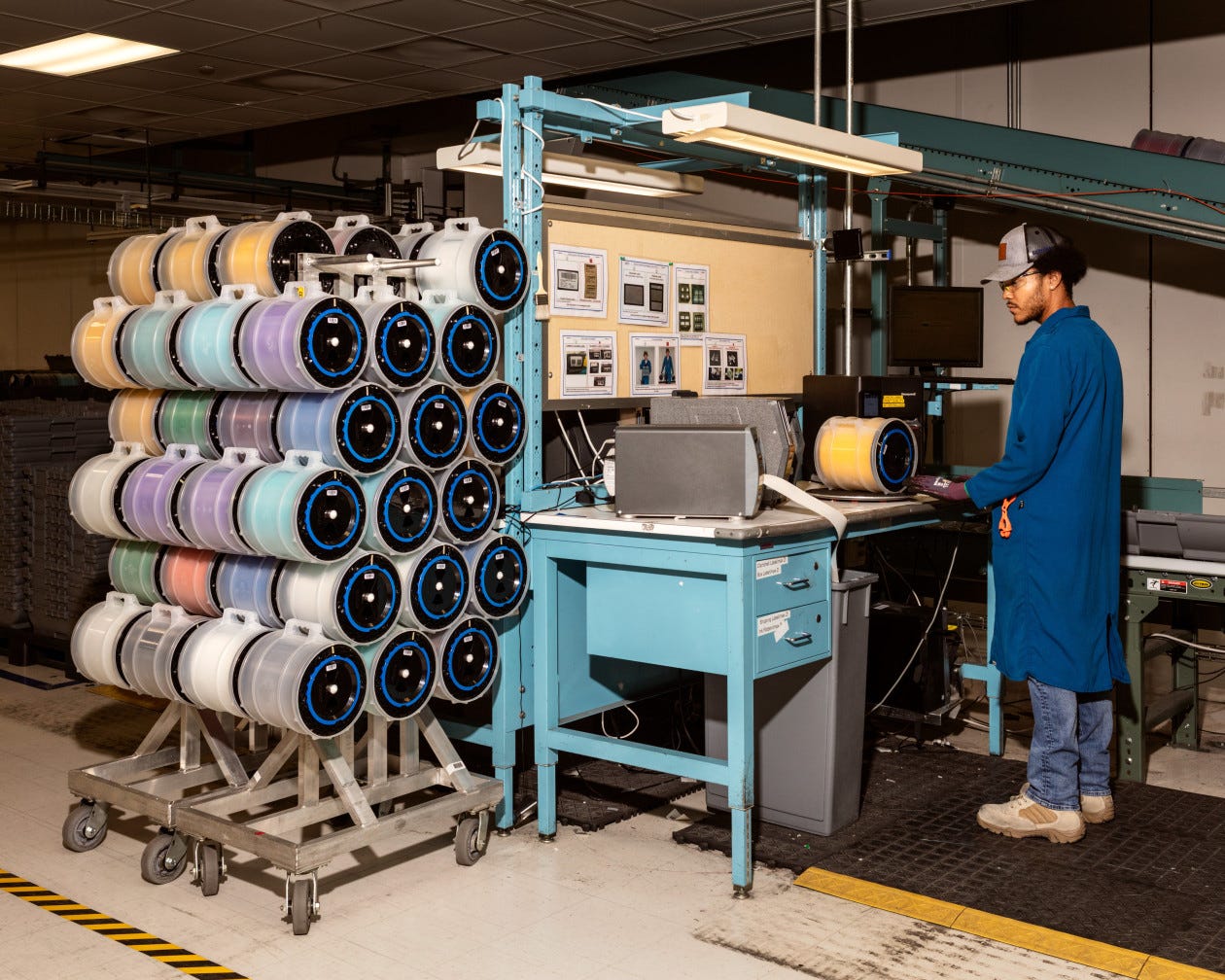
One of my spotlights earlier this year in these pages was on Corning Glassworks ($GLW), a 175 year old glassmaker, suddnely turned of late into an AI superstar in this AI Tech Wave.
Back this February, it’s market cap was a little over $100 billion vs over $160 billion today. Investors have been rewarding the supply chain criticality of its business to AI buildouts. And particularly this past week to a half a billion dollar investment by Nvidia for glass fiber for AI Data Centers.
And that market enthusiasm is what I’d like to unpack and discuss today.
“Corning shares doubled this year, boosted by AI demand and Nvidia deal.”
“Company’s valuation appears fragile compared to fiber optic rivals.”
“Corning’s projections imply 20% annual revenue growth through 2028.”
“Shares of iconic glassmaker Corning Inc. have doubled so far this year to their highest price ever, thanks to surging demand for Corning’s fiber optic cables that connect servers and AI data centers to one another. A partnership Corning announced with Nvidia this week gave the stock another lift.”
It then goes into valuation questions vs expectations on the rise, a subject I don’t generally discuss here (see footnote below).
“But Corning’s current deluxe valuation, which is now based almost entirely on sky-high expectations for its optics business, might be more fragile than it appears. Corning is currently trading at a significantly higher multiple of either revenue or profits than rival fiber optic cable makers Prysmian or Furukawa Electric (see chart below). Both are also benefiting from the AI data center boom, although Corning’s expected growth rate is higher.”
“Moreover, while Corning stock has rallied like that of other data networking hardware firms benefiting from the AI boom—such as Lumentum—it isn’t expected to benefit as much. Corning’s own revenue projections imply a relatively sedate growth rate of around 20% for the next few years. Analysts project Lumentum’s growth rate to rocket to 81% this fiscal year from 21% last fiscal year.”
“To be fair, even maintaining a growth rate of 20% would be a big improvement on Corning’s growth of the past decade or so, which averaged in the low single-digit percentages. That changed last year, when revenue jumped 19% in 2025. Corning’s free cash flow nearly doubled last year to $1.72 billion.”
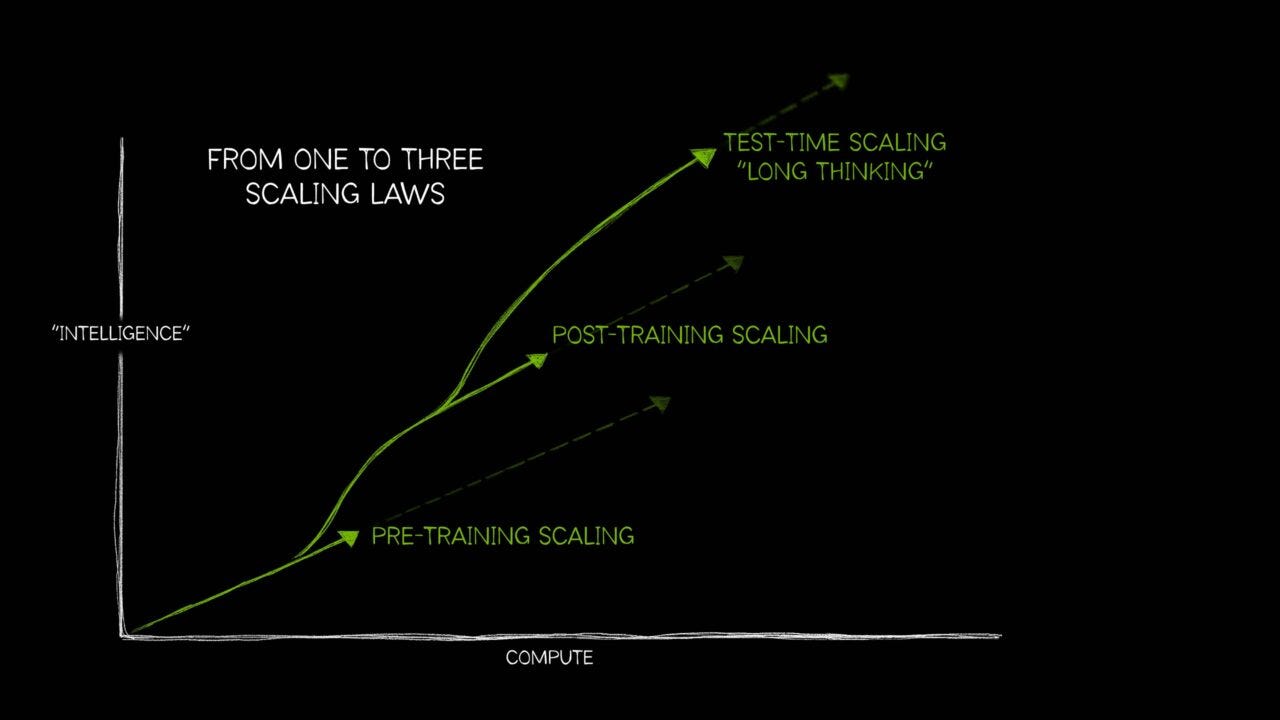
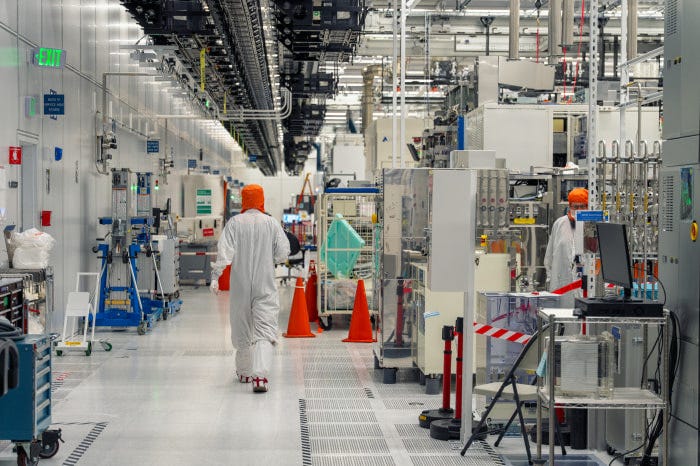
The driver of course is the all important fiber optic cables that are critical at scale as multi-gigawatt AI Data centers are being built all over the world. Needed because AI training and inference require the lowest of data latency at the highest of immediate volumes. Since AI in particular is about immense (teraflops) of compute token calculations using massive amounts of probabalistic matrix math at its core.
“Driving the surge was the company’s optical communications segment, which sells fiber optic cables for data centers, among other businesses. The unit has grown rapidly over the last year or so as Corning has signed deals with large tech firms such as Meta Platforms that are using its technology in their AI data centers.”
“The segment’s revenue surged 35% last year, and it rose at a similar rate in the first quarter of this year, Corning has reported. It made up 40% of the company’s sales in 2025, up from 36% in 2024.”
And this segment by itself of course pales in comparison to Corning’s other businesses in relative growth.
“Other parts of Corning’s business aren’t doing as well. In the first quarter of this year, for instance, in the glass display segment—which makes screens for smartphones, including the ceramic shield used in Apple iPhones—revenue rose just 1%. Overall, Corning’s revenue grew 20% in the first quarter.”
This kind of enthusiasm is underway for a wide array of supply components to this AI Tech Wave.
But financial moves of these types generally come with volatility. Often when investors for the most part are knowingly participating in the momentum game of ‘musical chair’ investments.
It’s just that as the music continues, participants need to be ever more keenly alert for when the musi pauses. Or stops for any period of time. Stay tuned.
(NOTE: The discussions here are for information purposes only, and not meant as investment advice at any time. Thanks for joining us here)
Good afternoon. Welcome to Trends with No Friends. FOR THOSE JUST JOINING US, HERE’S AN OVERVIEW Stocks stumbled. Every major index finished lower. The...
As a reminder, MarketSurge (by Investor’s Business Daily) is now a sponsor of the weekly show. All the charts you have been seeing in the videos and...