
AI: The never-ending misalignments between Operating Platforms & Applications. RTZ #1059

It’s a rite of passage in every major tech wave over decades. New operating systems and platforms (OSes and OPs) with every new technology, provide new opportunities for incumbent tech companies and startups atop their new technologies. And their interests initially are very aligned. And symbiotic for early, rocket ship growth.
Then as the applications find their product-market-fit, the underlying OS/OP companies enter the best application and services layers with their own offerings. Thus the rapid new misalignments.
The AI Tech Wave is seeing these moves in droves. Up and down the AI Tech Stack. OS/OP companies in Box 6 competing ‘Frenemies’ style with companies in Boxes 5 and 6 above.
I’ve written about software coding competition between Anthropic and Coding AI phenom Cursor at the software layer. And of course Nvidia with its cloud customers at the hardware level around AI GPU chips.
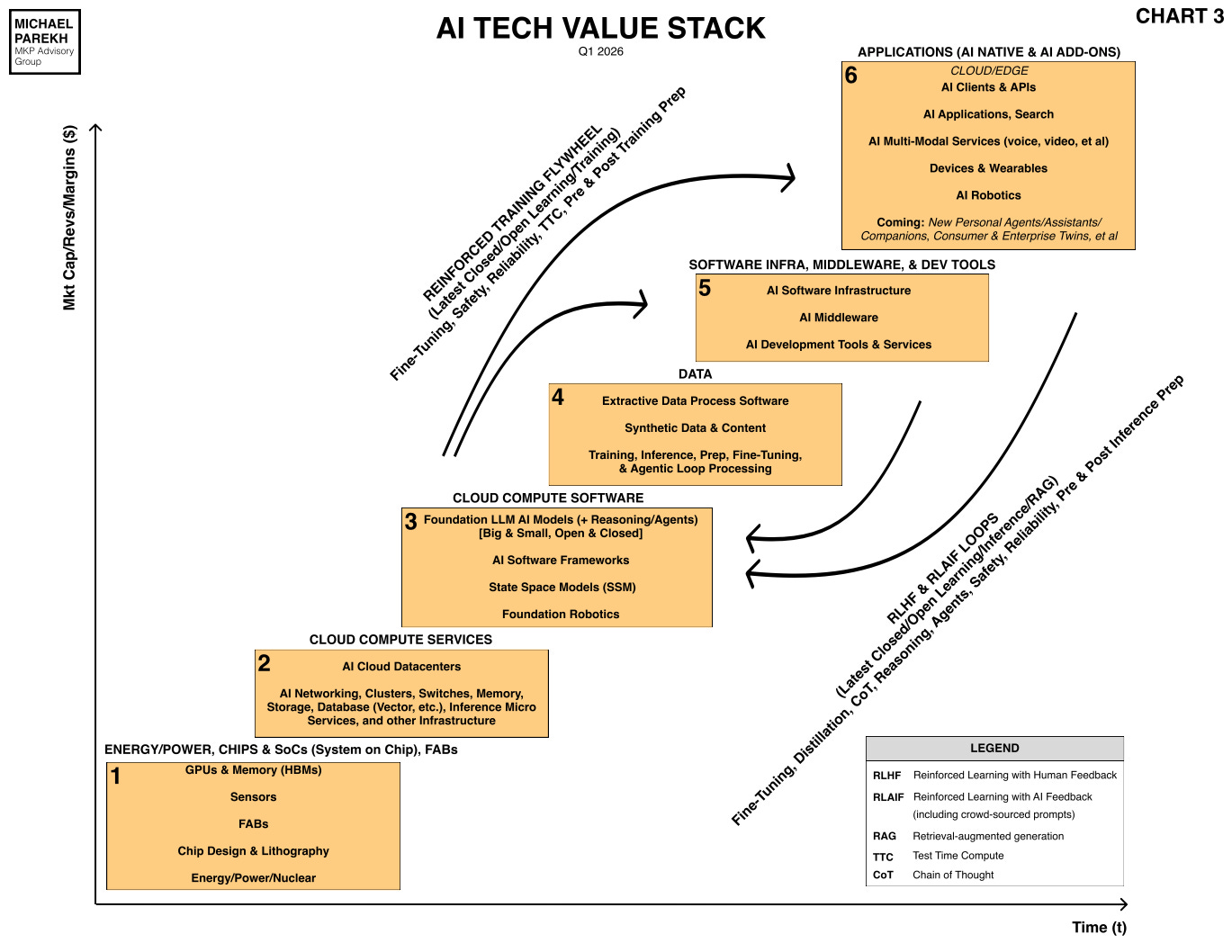
Particularly with Anthropic of late competing continuing to pursue more upstream applications with startups beyond Cursor with its Claude Code and Claude Cowork apps. Each with their extraordinary multi-billion dollar growth.
And of course the recent heightened competition with open source OpenClaw around AI Agents. OpenClaw now of course is also part of sibling rival OpenAI.
This is coming up again for Anthropic, with a twist at the Board level of an incumbent Application company. And it echoes a similar moment between Steve Jobs led Apple and Google at the dawn of the iPhone era in the 2000s.
The Information explains in “Figma’s Apple Moment”:
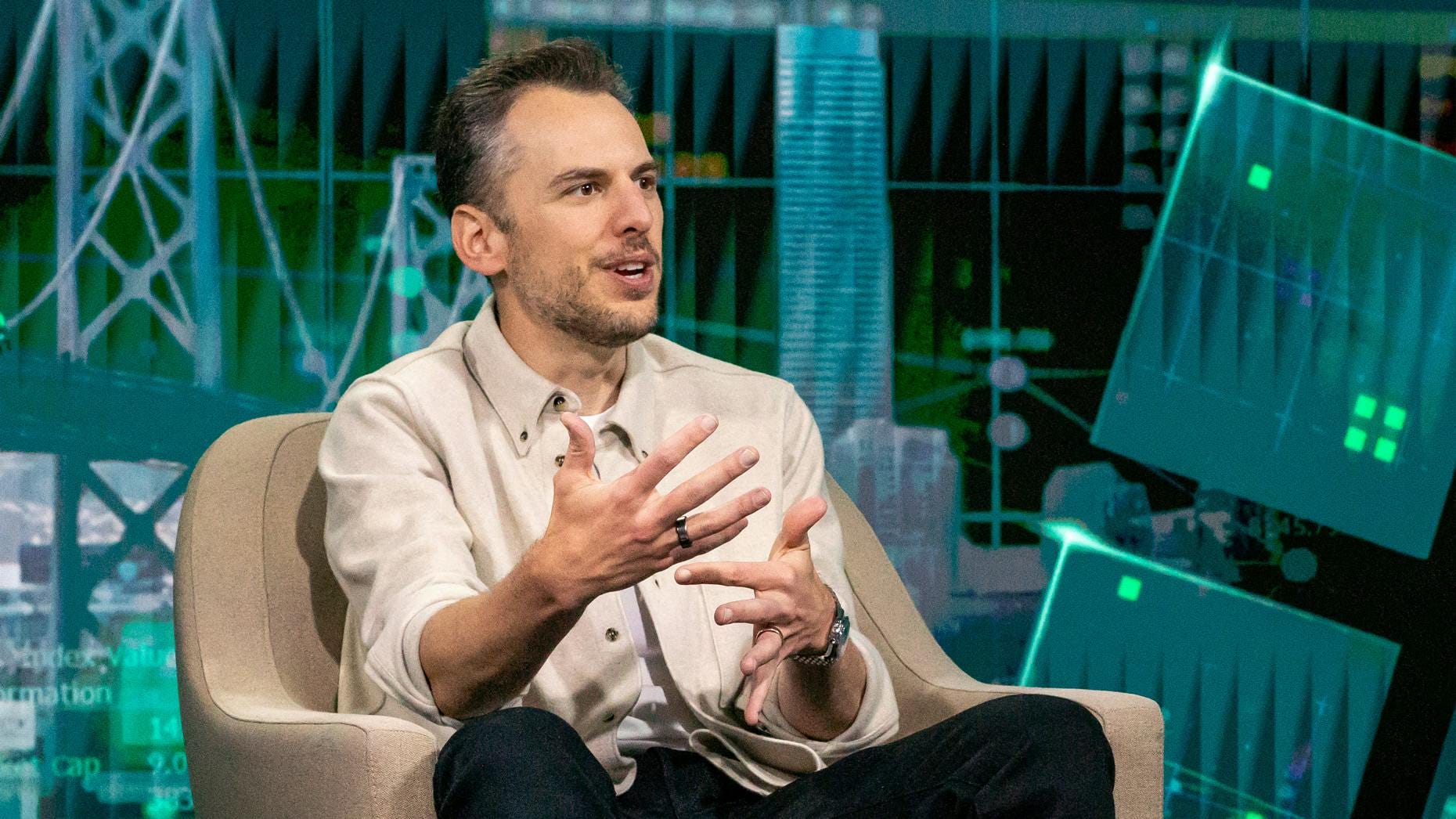
Mike Krieger from Anthropic. David Paul Morris/Bloomberg via Getty Images
“AI really is transforming the world! [An example is this] meaningful news: Anthropic executive Mike Krieger’s departure from the board of Figma.”
“This might be what you’d call Figma’s Apple moment. For young folks, we’re talking about the then-Google CEO’s summer-2009 exit from the Apple board. He left a month after Google introduced the Chrome operating system and 11 months after Google’s Android first showed up powering a mobile phone. Both moves put Google into direct competition with Apple, something then-CEO Steve Jobs pointed out to explain why Schmidt was leaving Apple’s board.”
As a technology analyst who’s been in these rooms for decades, I vividly remember Steve Jobs’ ire over Google’s actions here.
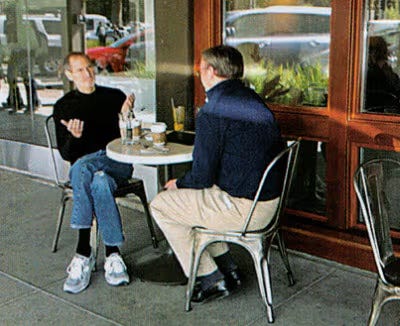
This one, while not as dramatic, does have a close historical rhyme.
“Krieger’s exit from the Figma board echoes that episode. He departed on Tuesday, the same day The Information reported on Anthropic’s plans to introduce a new tool for designing websites, which would compete with Figma’s offerings. While that timing was likely a coincidence, Krieger surely knows the two companies are headed for a more intense rivalry.”
“Until now, Figma and Anthropic have seemed more like business partners. Figma has been actively pitching its products as ideal for working with Anthropic’s Claude Code. Take this blog post from February, which carried this subtitle: “Now you can take workflows that start in Claude Code even further in Figma.” The problem for Figma is that whatever advantages its software offers, some designers are likely to find that simply using Claude is easier. Anthropic has figured that out and so have Figma shareholders—which explains why its stock has dropped 45% this year. What’s next for Figma?”
Again, to stress this point, we have seen these types of clashes going back across tech waves.
For examples, we can track them before the PC tech wave in 1982, but let’s start there for brevity.
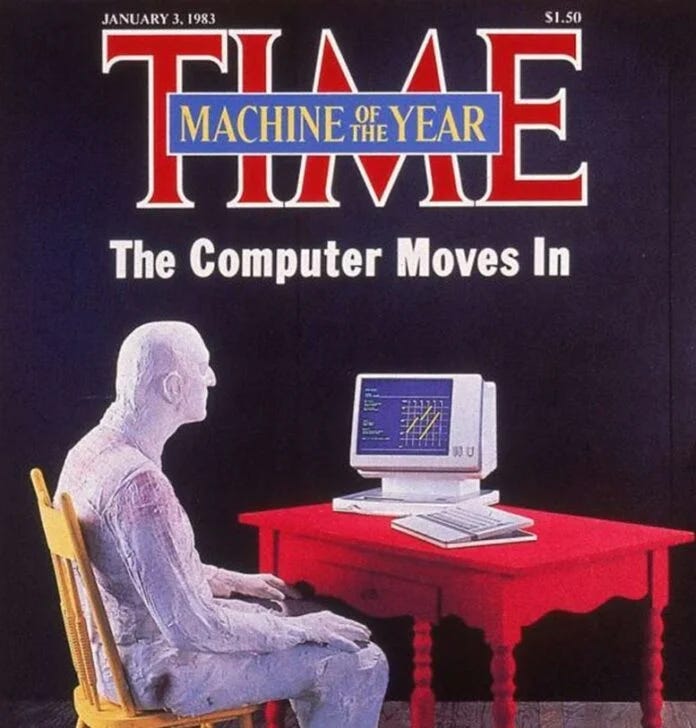
Microsoft and IBM together kicked off the PC tech wave with the IBM PC powered by MS-DOS by Microsoft.
The latter of course being the operating system (OS), what we’d call the operating platform (OP) today. As I outline in my “Building Value over Time” piece, the PC Tech Wave looked can be seen here.
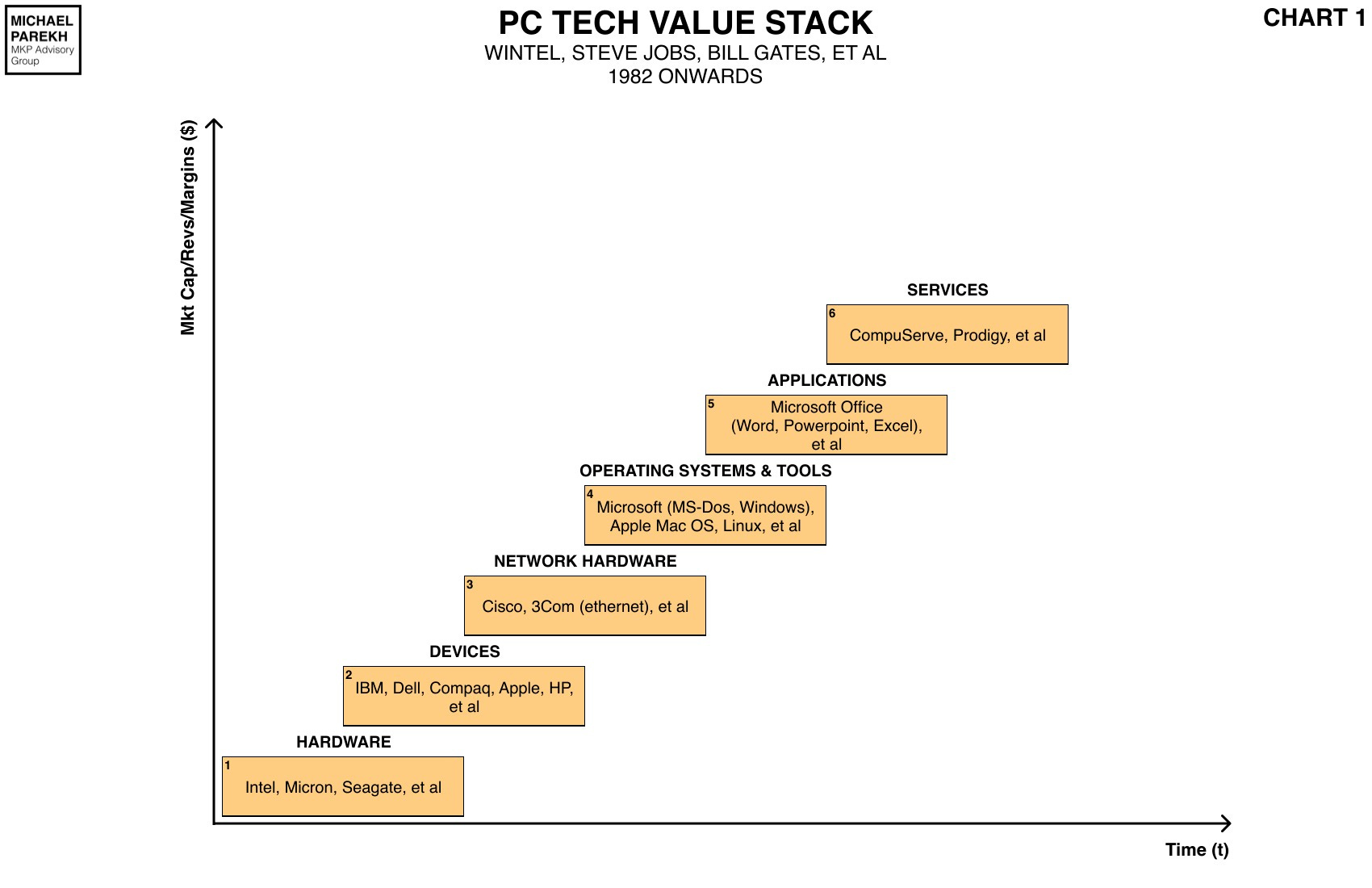
The new platform sees a flourishing of applications on top of the OS/OP, the holy grail Boxes are 5 and 6, the applications and services. The ones with the best growth and margins on the y axis over time, the x-axis. The ‘Killer App’ for the early PC were of course spreadsheets like Lotus 1-2-3 and Visicalc in the early 80s.
And word processing companies like Wordperfect. But inevitably, the temptation is too great and the OS/OP company develops its own and competes ‘Frenemy’ style with the applications/services atop their platform. Thus we got Microsoft Word in 1983. and Microsoft Excel in 1985 . The rest as they say, was history.
And history rhymes through tech waves. We saw it again with the Internt Tech Wave in the 1990s, when Microsoft’s Internet Explorer competed with Netscape and its iconic browser.
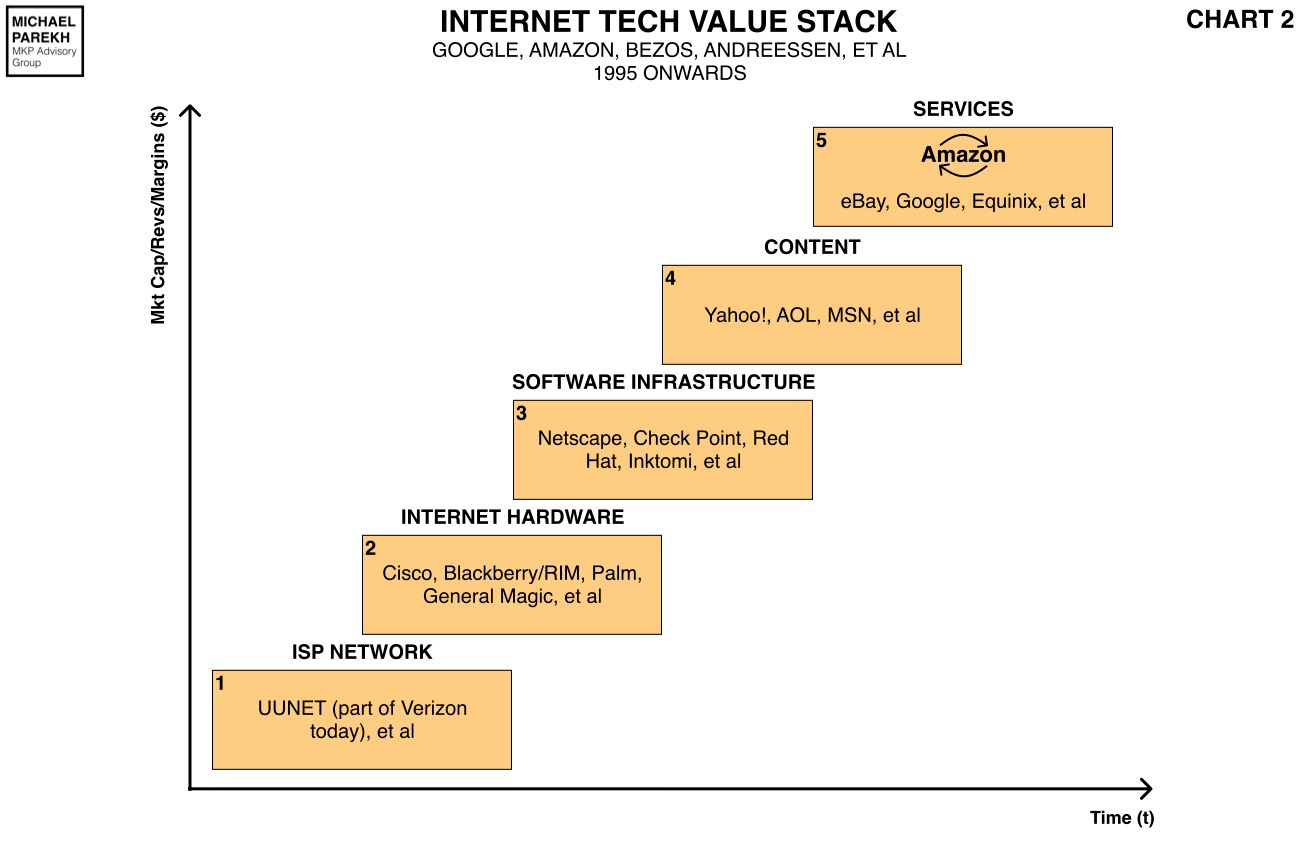
And then of course there were the Google/Apple examples in the mid 2000s where we saw two OS/OP companies Apple and Google clash over similar misalignments.
The key here is that they happen suddenly and ferociously at times in every tech wave.
And this AI Tech Wave is likely going to see more than its fair shares of the misalignments across the tech stack layers ahead. Stay tuned.
(NOTE: The discussions here are for information purposes only, and not meant as investment advice at any time. Thanks for joining us here)


