AI: Weekly Summary. RTZ #1039


-
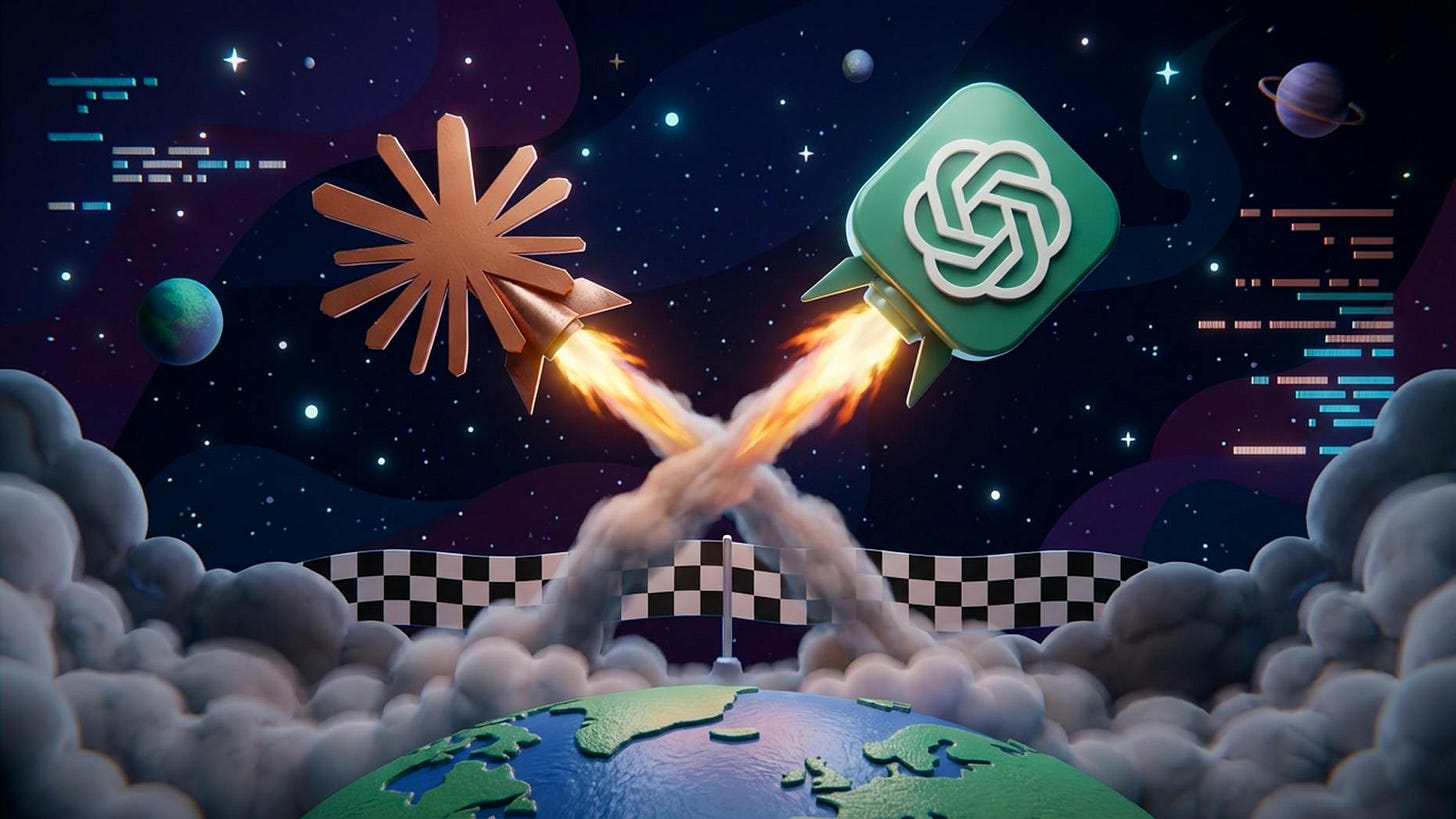
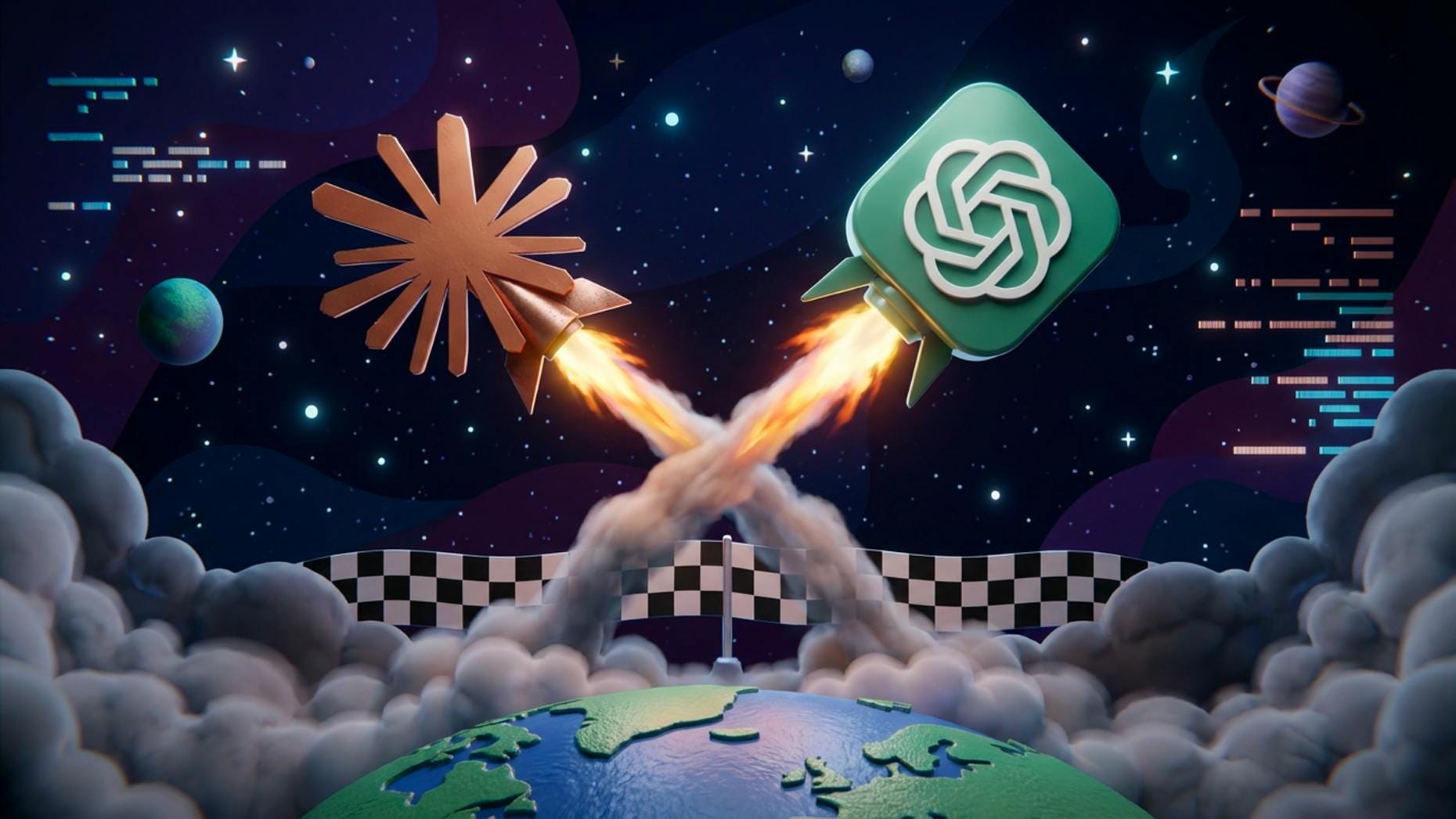
Anthropic & OpenAI spruce financials ahead of 2026 IPOs: Investors are increasingly assessing OpenAI vs Anthropic financial metrics, ahead of their anticipated mega-IPOs later this year. The focus has been on both operating and capital expenditure metrics. Relative revenue growth rates, as well as ramps on margins and path to eventual free cash flow. In the meantime, both companies are aggressively ramping up their AI Data Centers via a variety of partners. And doing so at a time of supply constraints of talent, GPU/memory chips, Power and a range of other elements. Complicating matters for OpenAI has been its dual focus on consumer and enterprise markets, where the former has higher variable costs and lower relative revenues per customer. It’s in that context that OpenAI is pruning its business to run faster against Anthropic on the enterprise front (see below). Both companies remain at the peak of their LLM AI and software tools game. And have remarkable ramps in financial metrics despite the various headwinds.. More here.
-
OpenAI Sora cut highlights tilt to Enterprise: OpenAI made its anticipated shifts away from ‘AI side quests’ this week, shutting down its two year old text to video Sora App, and other consumer AI application initiatives. The move is a tilt towards enterprise applications with its next generation ‘Spud’ LLM AI models, Codex for developers, and other AI initiatives that leverage ChatGPT and AI Agents in the enterprise. The moves are designed to focus on Anthropic’s rising momentum with its Claude Code and Cowork products, which are making aggressive inroads into the enterprise market globally. It’s also an effort to position OpenAI better vs Anthropic in anticipated mega-IPOs later this year. There are organizational changes with this move, where ex-Meta exec Fidji Simo is moving her focus from ‘CEO of Applications’ to ‘AGI Deployment’. OpenAI will presumably also re-task recent hires from Meta to shift from the consumer ad sales efforts to the new enterprise oriented initiatives ahead. More here.


-
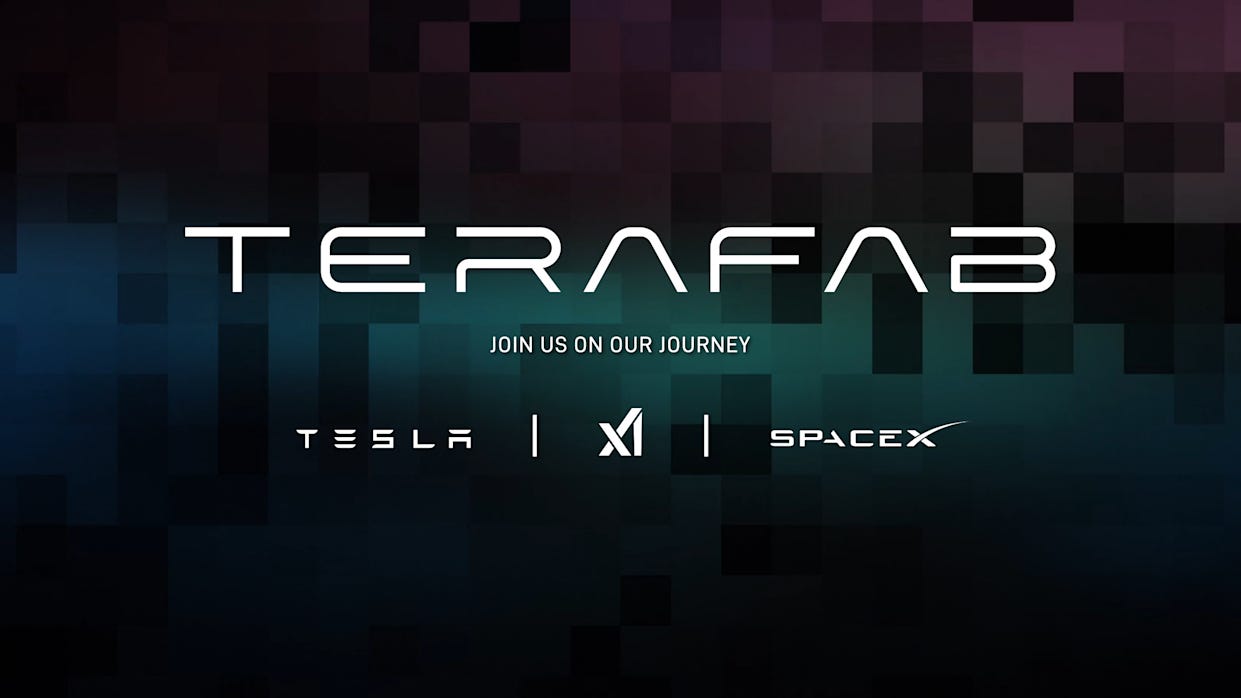
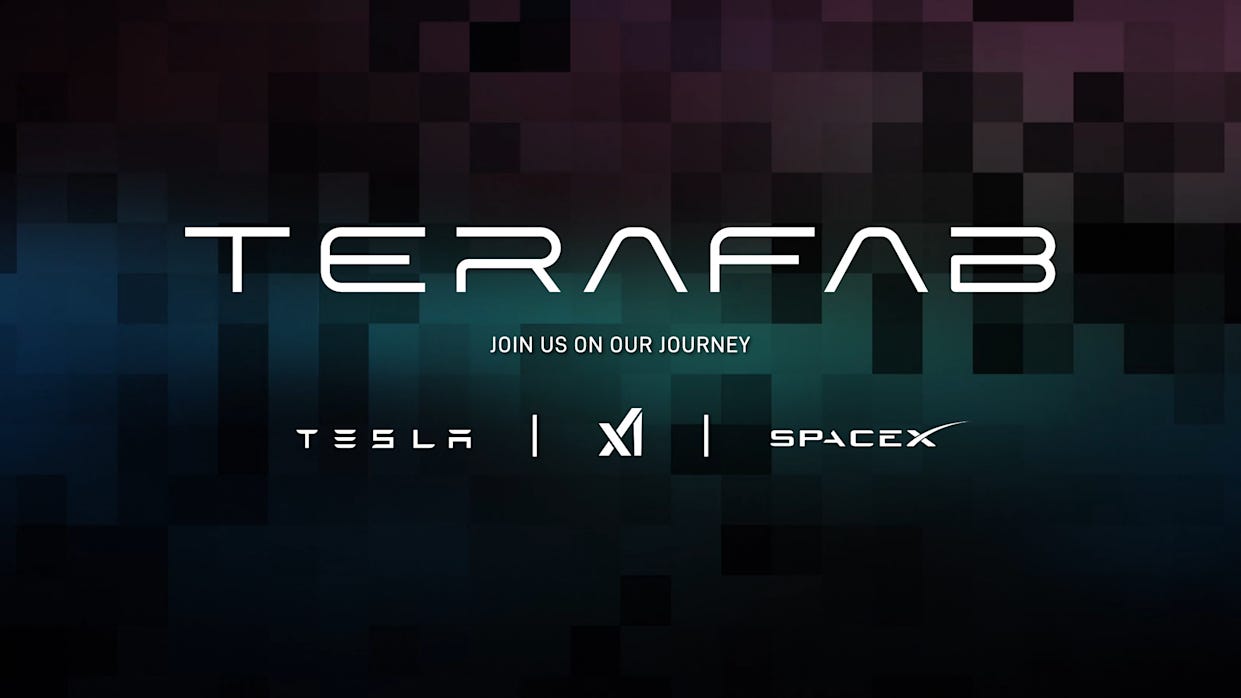
Elon Musk’s Terafab glaze on SpaceX/xAI & Tesla: Elon Musk kicked off his ambitious AI chip initiative Terafab in Texas this week. The keynote is worth a watch for its aspirations to span earth and space for making next generation AI chips. In true Elon style, the ambitions span his long-term ambitions to build AI Data Centers in Space, a narrative that is now part of his upcoming SpaceX/xAI IPO plans, expected to be filed with the SEC imminently. Terafab also envisions a Scifi inspired moon base to launch lower-cost satellites into space, as well as a staging ground for future SpaceX missions to Mars. Terafab is also expected to provide massive amounts of chips that in Elon’s estimation, cannot be provided by existing chip foundry infrastructure by Taiwan Semiconductor (TSMC), SK Hynix, Samsung, and others. It all highlights his plans to be far more vertically integrated in all things AI than his 2026 AI IPO peers. More here.
-
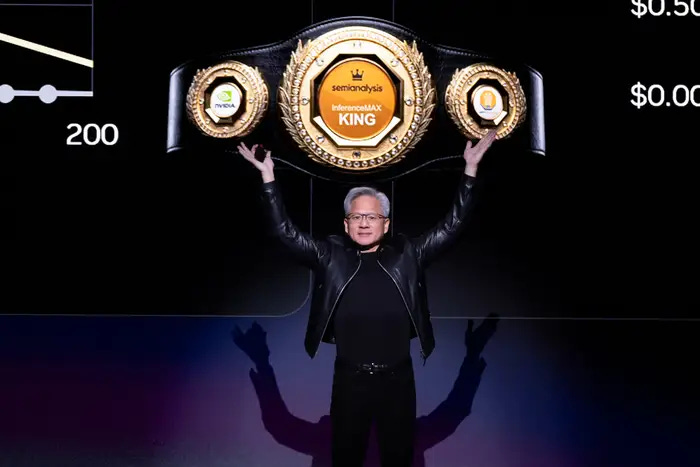
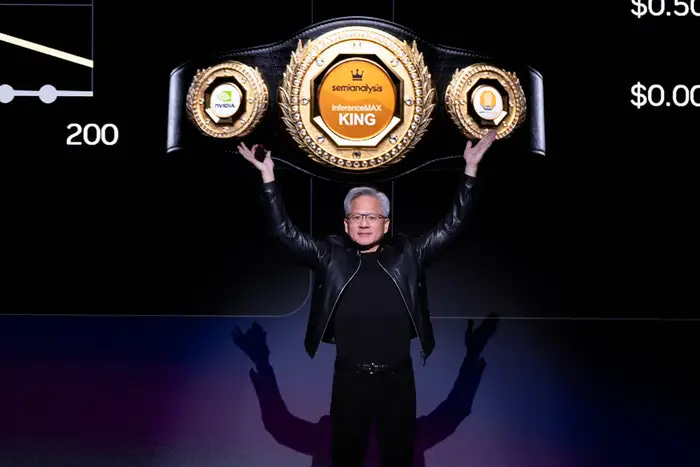
Nvidia accelerates ‘Kingmaker’ role: Nvidia is accelerating its global clout in AI Data Center Infrastructure, to play ‘Kingmaker’ with a variety of companies up and down the AI tech stack. Past examples here include CoreWeave amongst the ‘Neoclouds’, and Nvidia’s $20 billion Groq inference acquihire a few months ago. Recent examples include its multi-billion dollar investments and partnerships with AI companies like Anthropic, Thinking Machine, and Reflection AI. The last one is developing open source LLM AI solutions in the US after Meta’s de-emphasis on its Llama initiatives. Also notable are Nvidia’s partnerships with Perplexity, which remains a strong aggregator of LLM AI models to provide consumer AI search services. All these efforts of course advance Nvidia’s long-term AI computing roadmap globally, from hardware to software initiatives. More here.
-
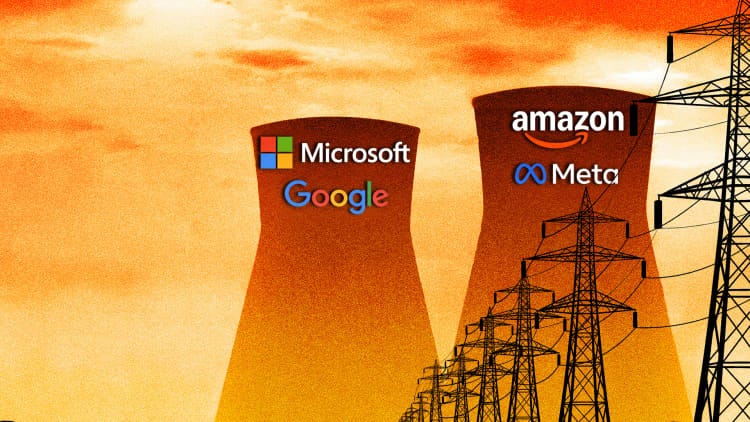
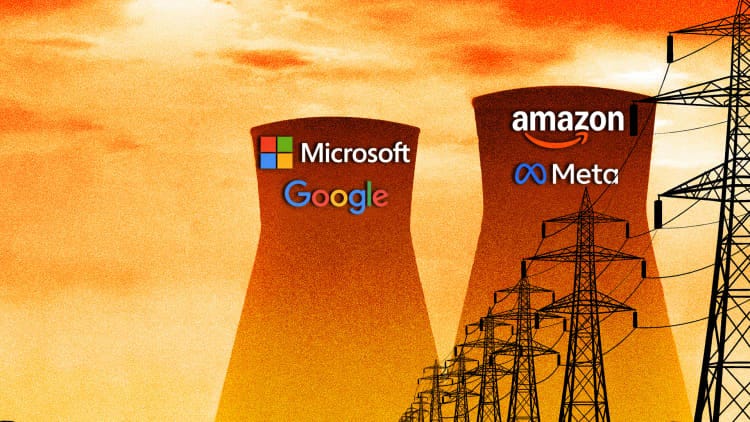
Nuclear Fusion an AI ‘stretch goal’: The AI industry’s quest for more AI Data Center power sources ‘behind the meter’ continues to stretch in new directions. The latest includes nuclear fusion vs traditional nuclear fission power. With this week seeing a new partnership by OpenAI with Helion Energy, a venture portfolio company of OpenAI founder/CEO Sam Altman. The week also saw more details of nuclear fusion efforts advancing in China. The OpenAI/Helion partnership is a plan for 5 gigawatts by 2030, scaling to 50 gigawatts by 2035. That would represent about 12.5% of Helion’s production in the near term. The China efforts are focused on a range of private fusion firms that have yet to match overseas efforts. But it’s a priority in China’s 15th five year plan , setting research priorities and funding guidelines for accelerated efforts in this domain. It’s a global race for nuclear fusion and fission for AI Data Center generated training and inference intelligence tokens. More here.
Other AI Readings for weekend:
-
New verdicts lead new regulatory initiatives for Child Safety Online. More here.
-
Bloomberg profiles John Ternus, possible Tim Cook successor as CEO. More here.
(Additional Note: For more weekend AI listening, here’s the latest AI Ramblings Episode 47 on topical items. This week, a deep dive on Nvidia’s post-GTC 2026+ roadmap, & More):
Up next, the Sunday ‘The Bigger Picture’ tomorrow. Stay tuned.
(NOTE: The discussions here are for information purposes only, and not meant as investment advice at any time. Thanks for joining us here)