
AI: A 'Disturbance in the Force' in India — Youth & Tech Shake Up Modi's BJP. AI-RTZ #1159

The Bigger Picture, Sunday July 26, 2026

Today’s ‘Bigger Picture’ topic is the ‘Disturbance in the Force’ we’re currently seeing in India. Impacting Prime Minister Narendra Modi, and his Bharatiya Janata Party (BJP). Increasingly driven by restless young Indians natively using social media and AI.
It’s an acceleration of a trend we’ve seen in the US, in the UK and EU with Brexit, and across the rest of the world over the last couple of decades. Driven by fundamental shifts in technologies like social media. Now showing up in the world’s most populous country with nearly 1.5 billion souls. A lot more of them young vs peer countries.
And a major economy with extraordinary potential, second only to China among the large emerging ones. It is a topic worth discussing as a ‘Bigger Picture’ this AI Tech Wave.
It started with one word.
On May 15, India’s Chief Justice Surya Kant made an off-hand remark in open court. There are “youngsters like cockroaches,” he said, “who don’t get any employment or have any place in the profession.” He clarified the next day that he meant people with fraudulent degrees. It didn’t matter.
By then Abhijeet Dipke, a 30-year-old Indian political strategist and Boston University graduate living in the US, had answered with six of his own, on X: “What if all cockroaches come together?” Out of that came the satirical ‘Cockroach Janta Party’ (CJP).
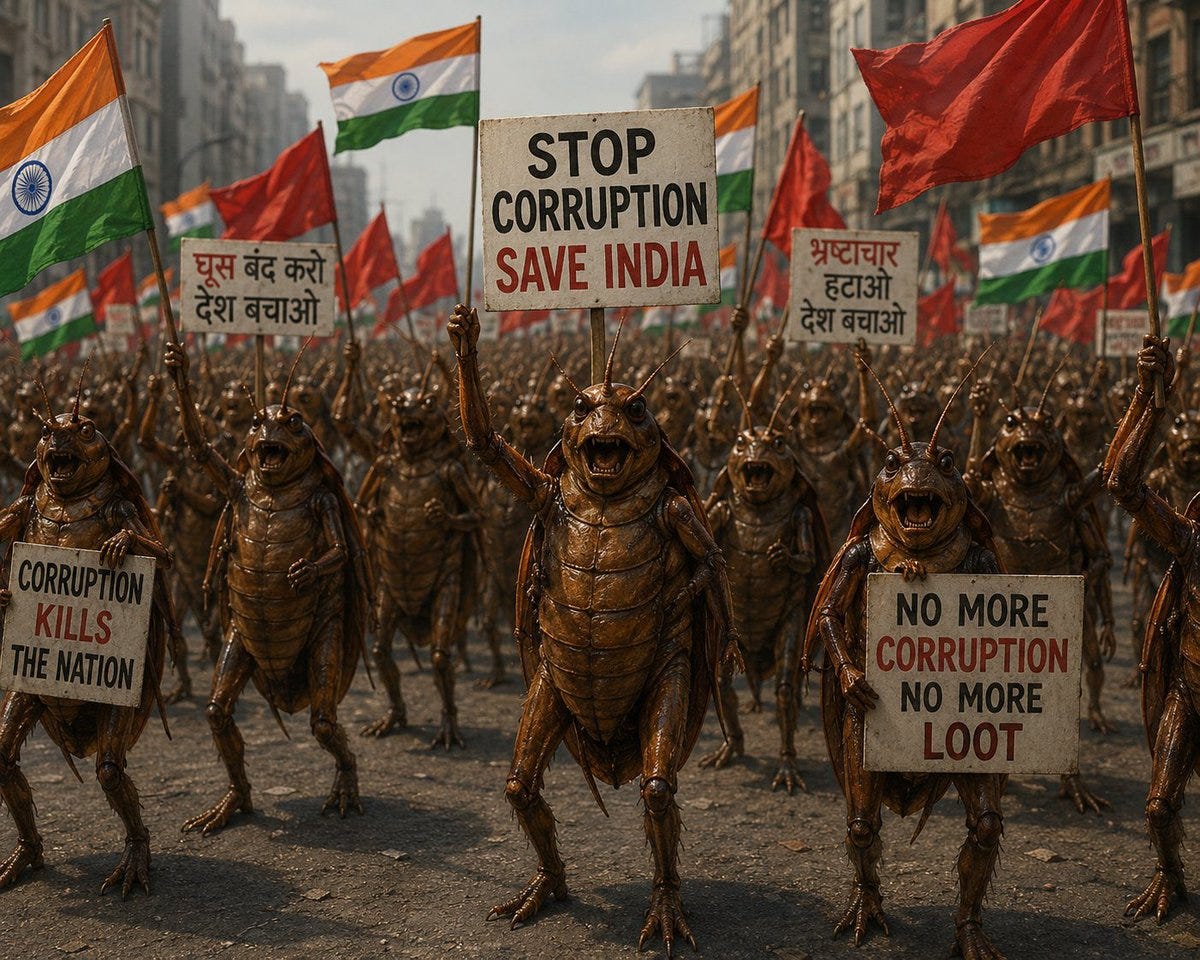
Ten weeks later, India’s Education Minister resigned.
The underlying grievance was real and specific. The NEET medical entrance exam was voided after question papers leaked, forcing over two million students to sit it again. The leaks have been linked to student suicides. What social media did was not create the anger. It gave it a shape, a name and a distribution network, in weeks rather than years.
By July, tens of millions of young people in India were actively ‘conversing’ with their government. One with iron-clad control by Prime Minister Modi and his BJP party.
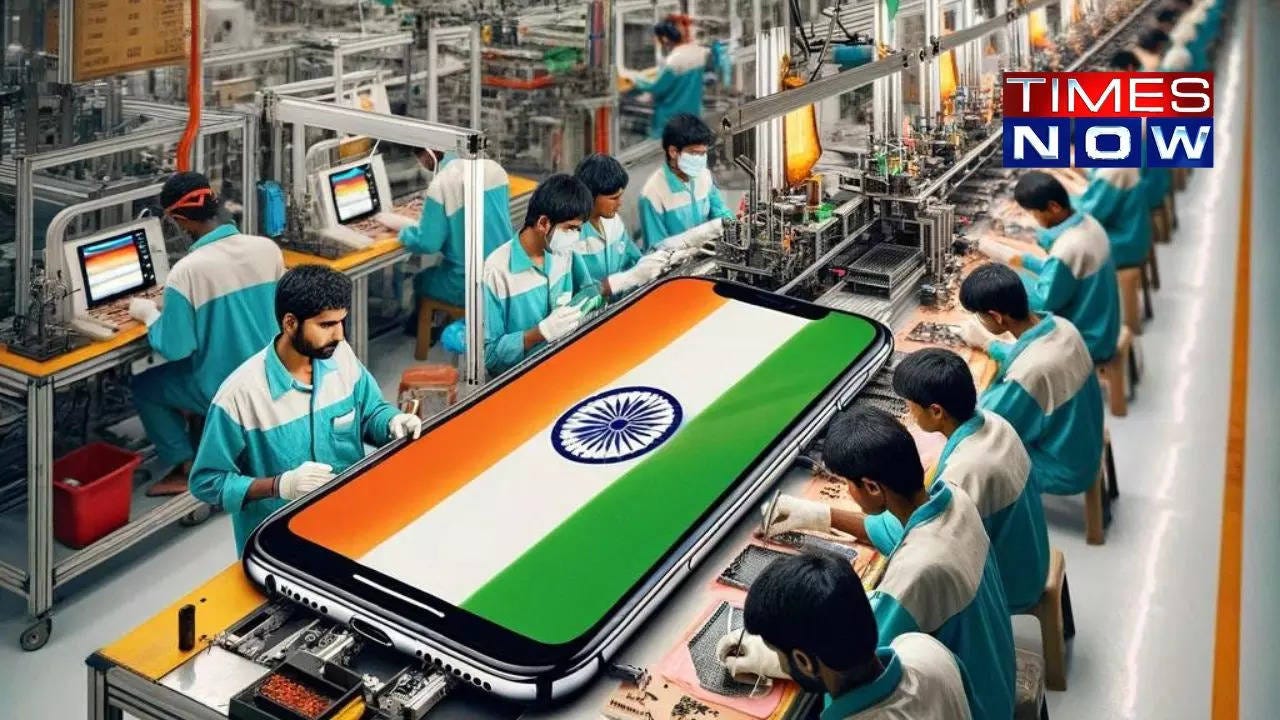
Over the past few decades, the world has seen massive unexpected influences on society driven by waves of technology. Social media of course is exhibit one, led by Facebook, Instagram, YouTube and the like. This is now showing up in force in India. Not just the iPhones made there bound for the US.
Bloomberg lays out what was shaking things up in “India’s Modi Adopts Reels Amid Instagram-Fueled Student Unrest“:
“As student protests spread across India, Prime Minister Narendra Modi has turned to Meta Platforms Inc.’s Instagram Reels, swapping his trademark cinematic videos for raw, self-recorded messages aimed at the country’s youth.”
“The 75-year-old posted two selfie videos on Instagram in as many days. In the first, a late-night post Thursday, he described the examination paper leak scandal as ‘extremely painful’ for students and parents and vowed that ‘those who try to harm the future of our youth will not be spared.’”
It was a quick and clever response, at scale, to something that started on social media in the first place.
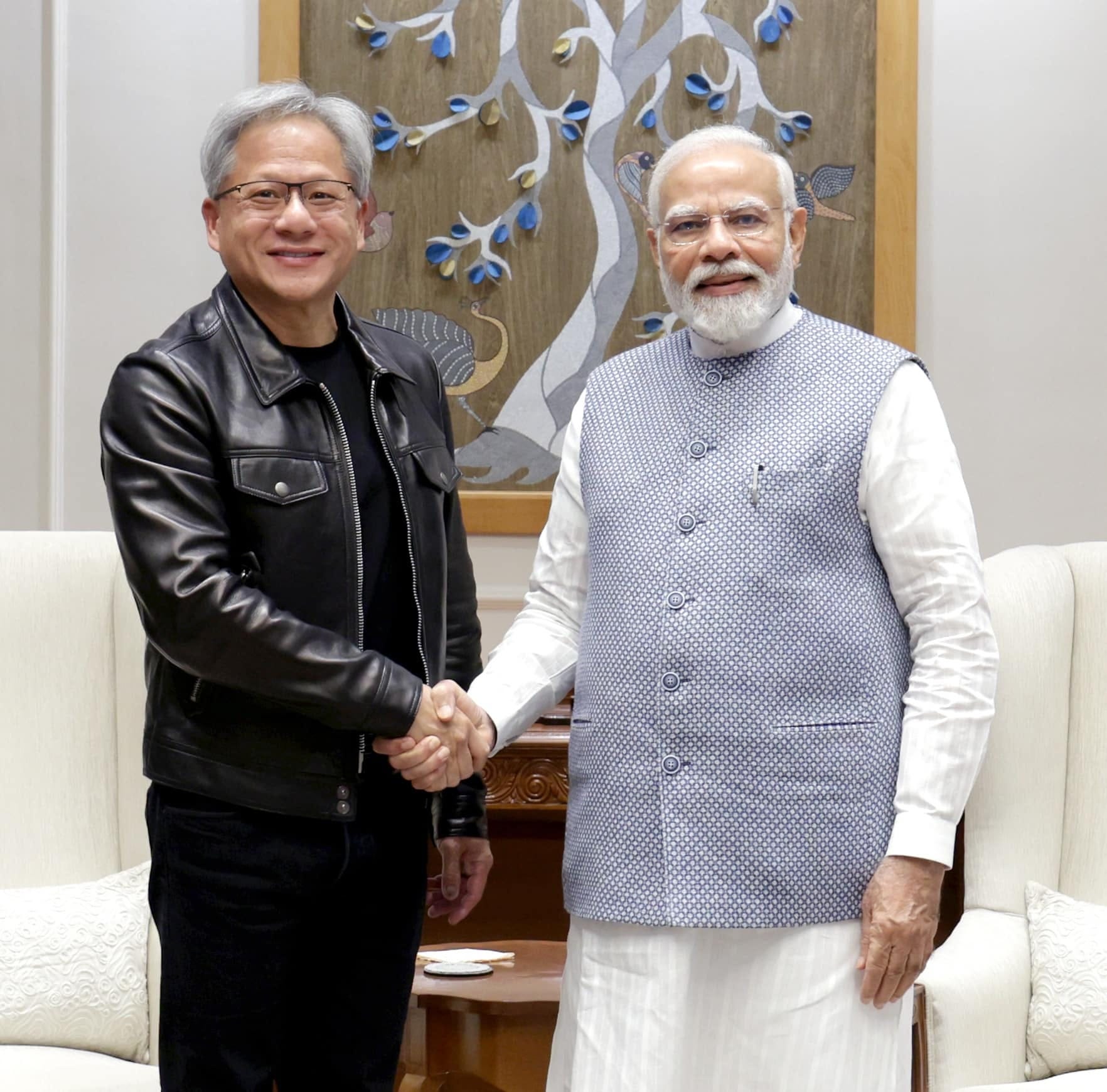
And the numbers are particularly notable. This is the market where Apple, Nvidia, Meta and others are increasingly stepping up their investments.
Modi’s Thursday video drew 303 million views in 24 hours, the most-viewed Instagram Reel in the platform’s history. It edged out the roughly 300 million record set days earlier by the YouTuber IShowSpeed meeting K-pop group BTS, posted after the World Cup final on July 19.
“Modi’s new approach mirrors the very style of the youth movement challenging his government. Led by the satirical Cockroach Janta Party, the protests have spread through memes, satire and internet humor, underscoring the growing influence of online culture on political mobilization in India.”
Analysts noticed the quick moves and counter-moves.
“For the first time in over a decade, it is the protesters who are setting the agenda, not Modi,” said Nilanjan Mukhopadhyay, the author of ‘Narendra Modi: The Man, The Times.’ “It doesn’t appear to be well thought out, because in the last 12 years, Modi has never faced a situation where it’s the protesters who are calling the shots, not him. I guess he’s at his wits’ end.”
It’s all important particularly because of India’s unique bounty of young people raring to go, given the right opportunities.

“India remains one of the world’s youngest major economies, with a median age of roughly 29, compared with about 40 in China and about 50 in Japan. Instagram also has more users in India than in any other country, at roughly 480 million, according to DataReportal.”
And they’re leveraging the technologies of both the past and the future. The CJP, formed only in May, has 26 million followers on Instagram, roughly a quarter of Modi’s more than 100 million.
Then there’s the other half of the story, and it’s the half that matters most for where this is going with young people, AI and related technologies.
Even while pushing hard on Instagram, the government moved against Bitchat, ordering GitHub on July 24 to take it down. Bitchat is Jack Dorsey’s encrypted peer-to-peer messenger built on Bluetooth mesh. It needs no internet connection at all. It came to prominence during Nepal’s 2025 Gen Z protests, for exactly that reason.
That’s a point worth noting and framing. In a digital India and world.
A government can throttle bandwidth, and increasingly it can out-produce you on the platforms. What it cannot easily do is switch off a network that doesn’t need the network.
And then, on Saturday, Education Minister Dharmendra Pradhan resigned. Weeks after he had called the protest leaders “the B team of terrorists.” He did not apologize for the leaks. But he went. The protests were called off, for now. Dipke’s response:
“Remember, do not mess with the cockroach.”
Which is the whole story in a snapshot. The most-viewed Meta Instagram Reel in history was deployed against a movement with a quarter of its author’s followers. And the Reel reeled.
But the Bigger Picture is that forces on either side of big debates, individual, national and global, are now quicker than ever to use the tech/AI tools at their disposal to counter any ‘Disturbance in the Force‘ in their realities.
And that the tools are getting used organically. Faster than the institutions using them.
India is just the latest country to see these forces at work. Especially as it works hard to harness its massive young resources for the AI opportunities ahead. A topic I’ve discussed at length in these pages.
China is seeing a different version of the same impact on its youth, as it restricts some of the addictive aspects of these technologies. It has to do with the anthropomorphizing of ‘AI companions‘, a topic I’ve discussed here as well. A story for another day.
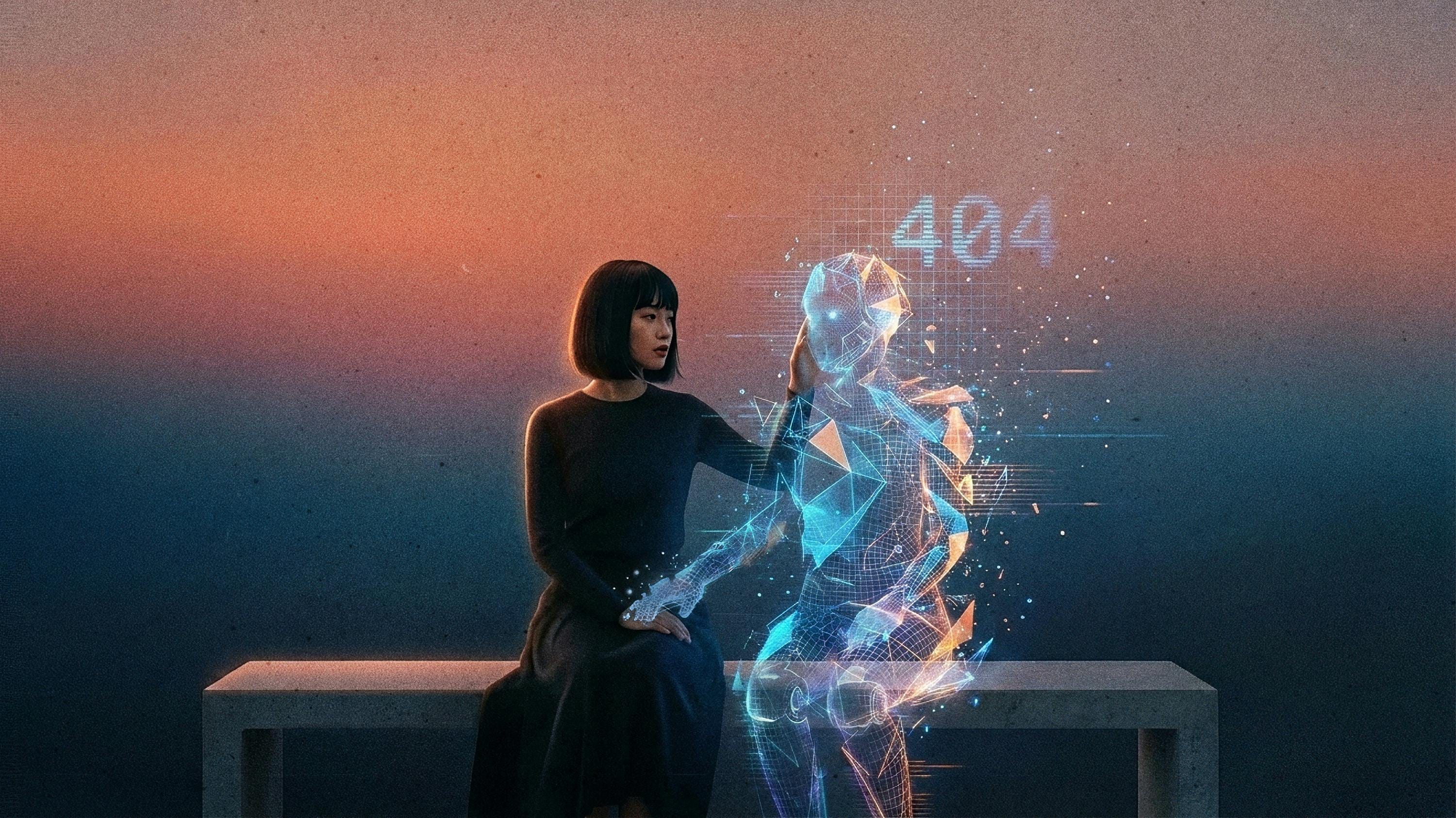
The young everywhere are of course using and reacting to the possibilities.
It’s always interesting to discuss and debate the underlying AI models and data center infrastructure spend around the AI Tech Wave.
But the societal impact of these technologies matters just as much.
India in July was social media driven by Gen Z doing the work. The next one will have AI in the loop, on both sides. In other spots around the world.
And that is a ‘Bigger Picture’ that AI in particular is likely to accelerate this AI Tech Wave. Stay tuned.
(NOTE: The discussions here are for information purposes only, and not meant as investment advice at any time. Thanks for joining us here.)


