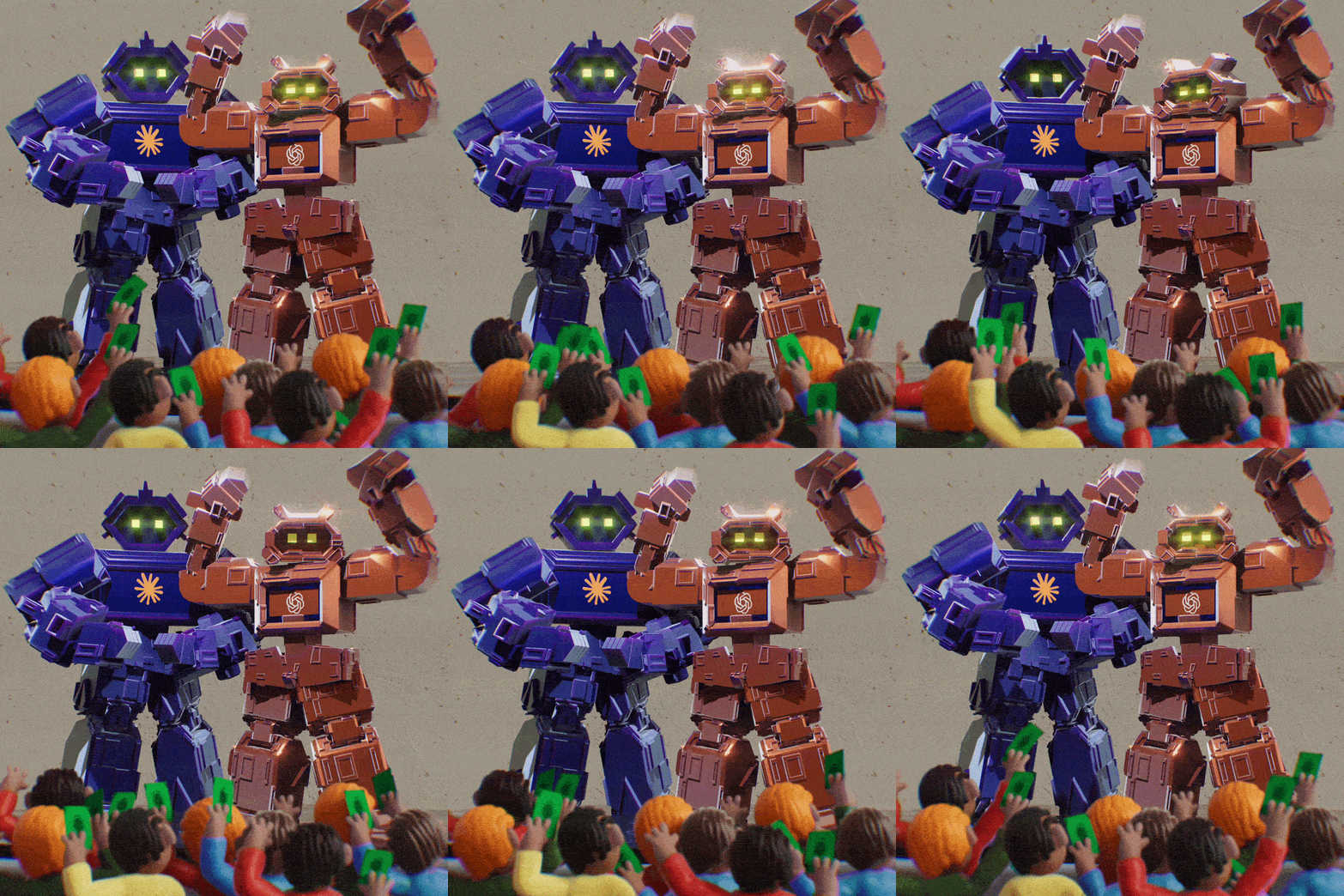
“OpenAI and Anthropic compete fiercely for customers. But in Washington, the two leading AI labs are aligning on one issue: warning policymakers about the risks of powerful Chinese open-weight AI models.”
“Why it matters: That shared position pits the top U.S. AI labs against researchers, startups and open-model advocates who argue broad access to AI is essential for competition and scientific progress.”
There are voices on both sides of the administration on this issue, but for now, the anti-China wing is louder. Egged on of course by the two leading US frontier AI model companies.
“The big picture: Closed-model labs stand to benefit from greater scrutiny of open-weight models.”
“Critics, including Trump administration adviser David Sacks, say that scrutiny could amount to regulatory capture: Rules intended to improve AI safety could instead entrench the largest companies by making it harder for competitors to release models.”
“Anthropic CEO Dario Amodei has argued that open-weight models are harder to keep safe because, once their weights are released, developers lose the ability to revoke access, update safety guardrails or prevent misuse.”
“That’s precisely what supporters of open-weight models see as their strength: No single company can control who uses them or how.”
OpenAI has jumped in on Anthropic’s side here after trying to be on both sides of the line until now.
“OpenAI views open source as part of “democratizing access,” a spokesperson said, but within a national framework. The company has not spelled out how that would work.”
“OpenAI, which has its own open-source model, has warned against distillation — a process in which a model is trained off another company’s model —echoing top Trump administration officials.”
“U.S. Trade Representative Jamieson Greer said the agency views Chinese distillation as a form of IP theft.”
“Treasury Secretary Scott Bessent yesterday said models from China need to be held to the same standardsas U.S. models and would be looked into in the coming weeks.”
As I described yesterday, the US AI companies have been distllling US data and models for years now from each other. The US/China framing is but a convenient flag to fly, to get formal US government support against the increasing use of global open source AI models by US companies and customers.
“Friction point: There are no detailed safety standards for U.S. models yet, and the administration is in the middle of figuring out what those should look like.”
“If U.S. officials’ allegations of distillation are substantiated, that would mean that Chinese model providers used American models to develop comparable systems at lower cost, then released subsidized versions into Western markets to compete with U.S. labs.”
“Between the lines: Advocates warn that treating distillation as IP theft could lead to de facto restrictions on open-weight models, including models that were developed independently.”
“Advances in Chinese open-weight models are not an argument against openness,” the OpenAI spokesperson said.”
“They reinforce the need for a coherent national framework that enables the U.S. to evaluate new models quickly, manage risks, and get the most powerful AI tools into the hands of cyber defenders,” the spokesperson added.”
The moves reduce options for US companies on all things AI for their operations worldwide. Chinese AI models are an important tool in their arsenal.
“Zoom out: Advocates of open models say they’re critical for enterprises looking to diversify their AI usage. They’re also essential to scientific discovery during this phase of the AI buildout.
“As a researcher, I’m very worried if, for example, we get access cut off to all the Chinese models,” Suresh Venkatasubramanian, former Biden White House tech adviser, told Axios, adding that would be a “big problem for doing research.”
“He argues that because open-weight models can be modified and studied more freely than closed models, they’re especially valuable to researchers.”
Nevertheless, the US frontier model companies are digging in on federal and state level AI regulations in their favor. Under the guise of model safety. Which is ironic, because open source is far safer than closed.
Not just in AI software, but traditional software for over fifty years.
“Zoom in: OpenAI and Anthropic may have similar prescriptions for federal AI regulation, but their differences are more apparent at the state level.”
“OpenAI on Tuesday endorsed a Massachusetts frontier safety bill that does not go as far as the version of the bill Anthropic endorsed weeks prior.”
“The version Anthropic supported required independent model testing every six months for catastrophic risks and public reports on the findings. That version also empowered the state attorney general to sue companies for noncompliance and impose civil penalties.”
“The bill OpenAI endorsed does not have that.”
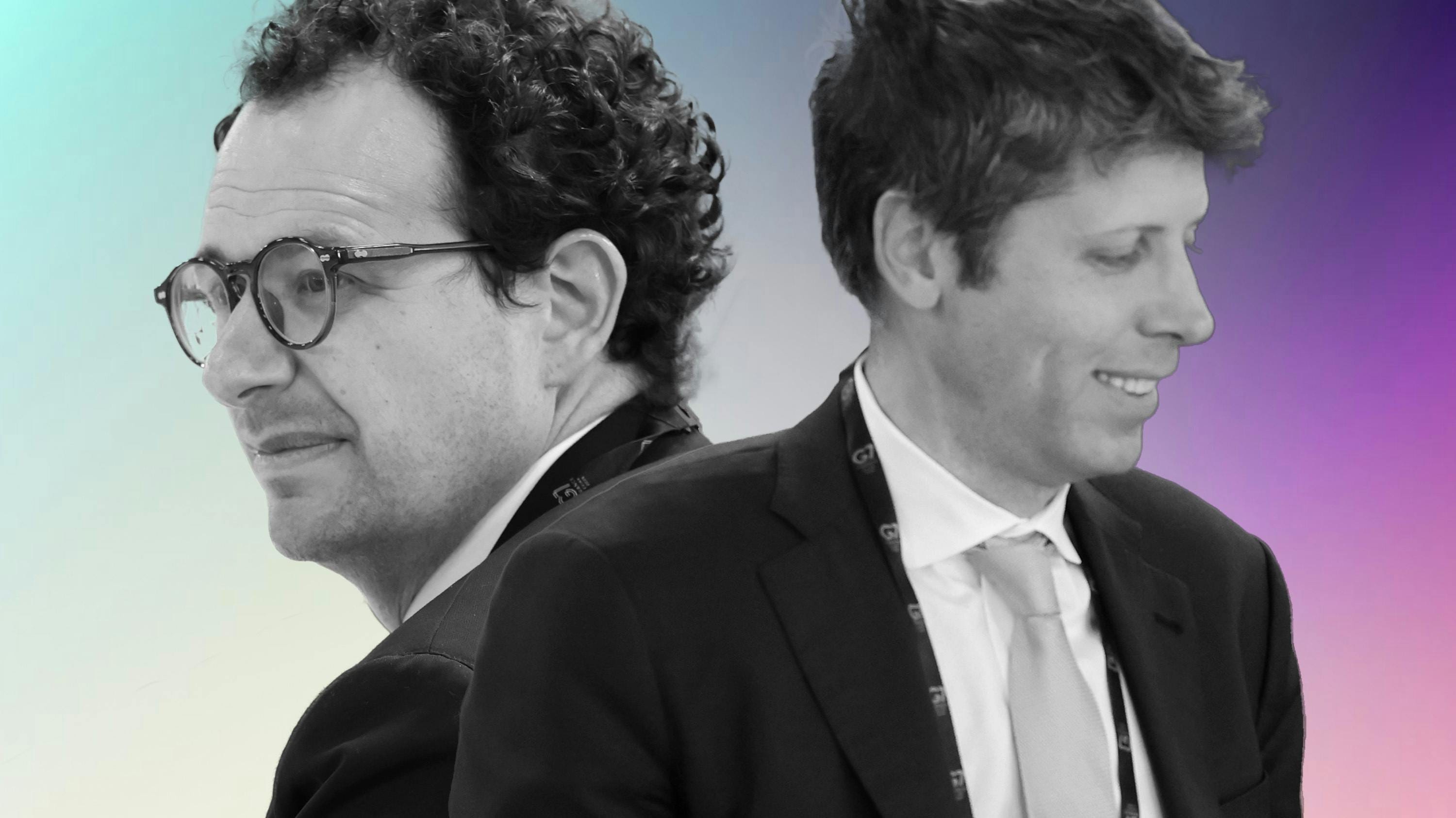
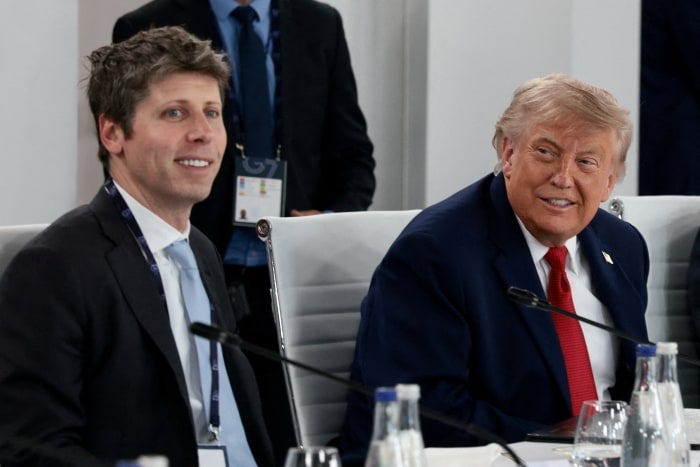
“What we’re watching: OpenAI CEO Sam Altman will meet next week with lawmakers and the White House to discuss upcoming releases of new models.”
The lines are drawn, and the sides have been picked. Now the political theater moves into the next stage ahead of the second US/China visit between the two Presidents at the White House September 24th. All have big implications for the AI Tech Wave going forward. Stay tuned.
(NOTE: The discussions here are for information purposes only, and not meant as investment advice at any time. Thanks for joining us here)
So much is written about how to be a superior investor. For the vast majority of people, their efforts would be better spent avoiding big mistakes, i.e....
Good morning… I am back with another episode of The Howard Lindzon Show with Michelle Steele and the world is loud. We start with the headline: investors...