
AI: Anthropic's 'The Blip 2.0' continues & lots more. AI-RTZ 1123


-
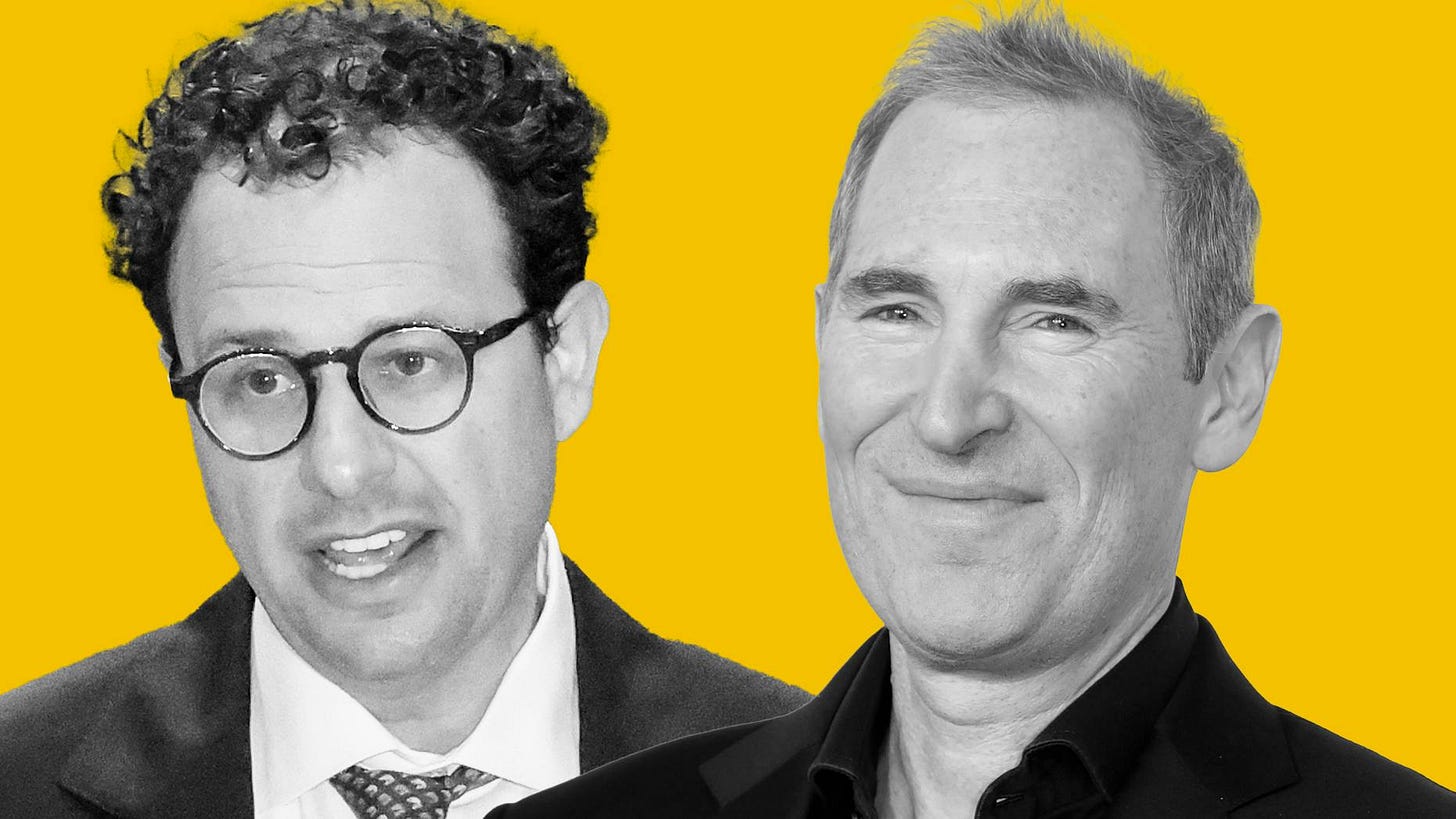
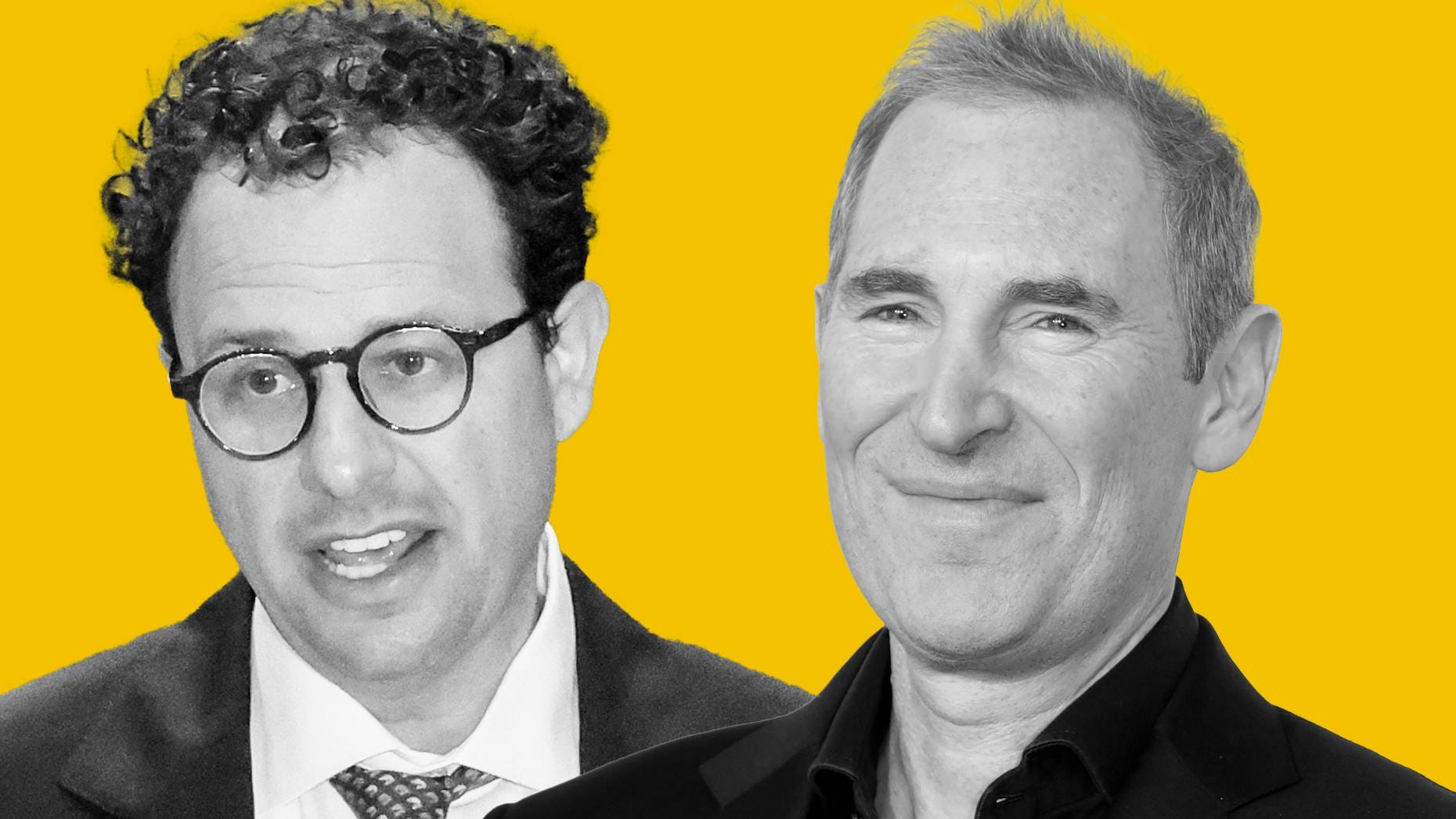
Anthropic ‘The Blip 2.0’ Continues: A full week has gone by since Anthropic’s top Mythos and Fable 5 models were unceremoniously taken off the global market by the US Government last Friday. Apparently after a chat between Amazon CEO Andy Jassy and US Treasury Secretary Scott Bessent. What I called ‘the Blip 2.0’, echoing the Blip 1.0 three years ago, when OpenAI’s founder/CEO was unceremoniously fired and then re-hired over a weekend by its then non-profit board. With much drama and implications for Microsoft and the AI Industry at large. The Blip 2.0 has even bigger implications for the industry, since Anthropic’s rivals are not too far behind with their own super-scale AI models like OpenAI’s 5.6 coming up. Ones with the 10+ trillion parameters in their training vs the current 1.5+ trillion parameters state of the art (SOTA) LLM AI models. The White House AI brain trust will need to have a more coordinated strategy for them all if they’re truly concerned about the ‘jail-breaking’ cybersecurity, and alleged geopolitical diffusion risks of these next generation models. The AI toothpaste is so out of the tube, both closed and open source. They’re all converging on and plan to exceed the best and worst of what is currently feared in Anthropic’s Mythos/Fable 5 series of models. More here.
-
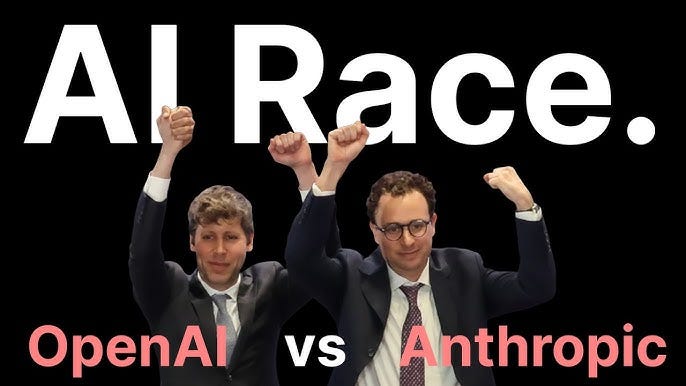
OpenAI throws in ‘Kitchen Sink’ pre-IPO: OpenAI is taking advantage of its sibling rival Anthropic’s ‘The Blip 2.0’, and running hard on its mega-AI IPO prep and path. This time taking cue from SpaceX IPO investors signaling they’re fine with rising AI Infrastructure losses and ramps. OpenAI is proactively communicating its ‘kitchen sink’ efforts to ramp up its AI compute ahead of its rivals, despite the rising pressure on costs vs revenues, and of course near term margins. This potentially gives OpenAI flexibility to compete with Anthropic on prices for its top models, where its rival is increasingly shifting to a la carte pricing for its top models in a ‘what the market will bear’ approach. This takes advantage of increasing customer questioning on the same rising prices, and their desire to diversify the set of AI models they use for various tasks. OpenAI would generally like users of both businesses and eventually consumers to use its upcoming AI ‘Super-App’, which blends the best of ChatGPT with OpenAI Codex and more. A ‘kitchen sink’ strategy indeed. More here.
-
Meta’s Wild Tokenmaxxing et al Swings: Meta has had some wild swings in its AI mega-bet of late, driven by the manic, laser focus of founder/CEO Mark Zuckerberg. Yes, he of supervoting control of stock and board (after all, he’s the ‘CEO…’). Hundreds of billions committed to MSL (Meta Superintelligence), starting with the industry startling acquihire last year of Alexandr Wang and his Scale AI for 14+ Big Ones. And then the frenetic AI Talent hire spree since then. The latest wild swing has been in ‘Tokenmaxxing’ challenges for its developers, first hyping it on internal leaderboards, and now tempering it with internal cost-benefit dashboards. Meta is still finding its center of gravity around its AI Strategies, for its 3.5+ billion mainstream global users, for its millions of advertisers using its AI tools and infrastructure, and of course, potentially like Elon/SpaceX baby steps, an AWS like strategy to rent AI Infrastructure to external parties. I’ve called it EWS for Elon Web Services, so it’d be MWS for Meta, where one can pick Mark as well in the name. More here.

-
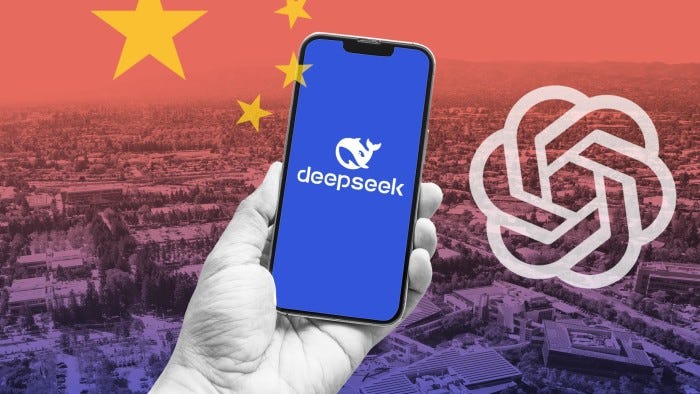
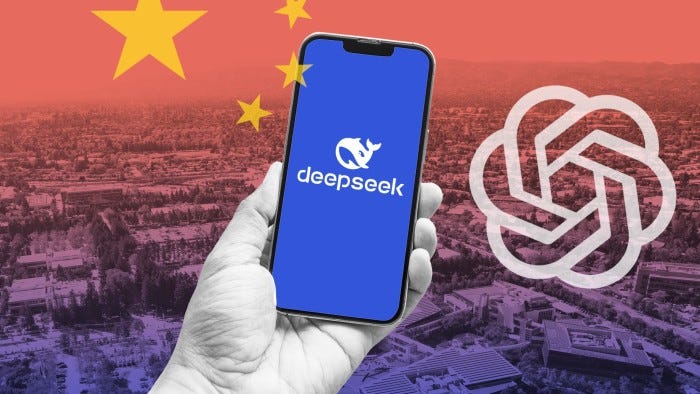
Open source AI a growing alternative: Two milestones this week for open source AI, the first being China’s DeepSeek raising $7.4+ billion at a $50+ billion valuation, and Microsoft weighing using DeepSeek with its core Copilot offerings. In addition to of course OpenAI and/or Anthropic models. To give business customers more flexibility on cost vs functionality. For DeepSeek, the fund raise means accelerated leadership around open source AI models in China and abroad. Especially since most Chinese companies have shifted to open source offerings since DeepSeek’s iconic debut in January 2025. That a company of Microsoft’s stature would even consider DeepSeek despite the geopolitical anti-China headwinds, is a point around the competitiveness of open source AI models. I continue to view Nvidia and Apple especially as being the leaders in US open source AI options and alternatives. And companies like Microsoft and DeepSeek, amongst many others, are in this new mix of options to come. More here.
-
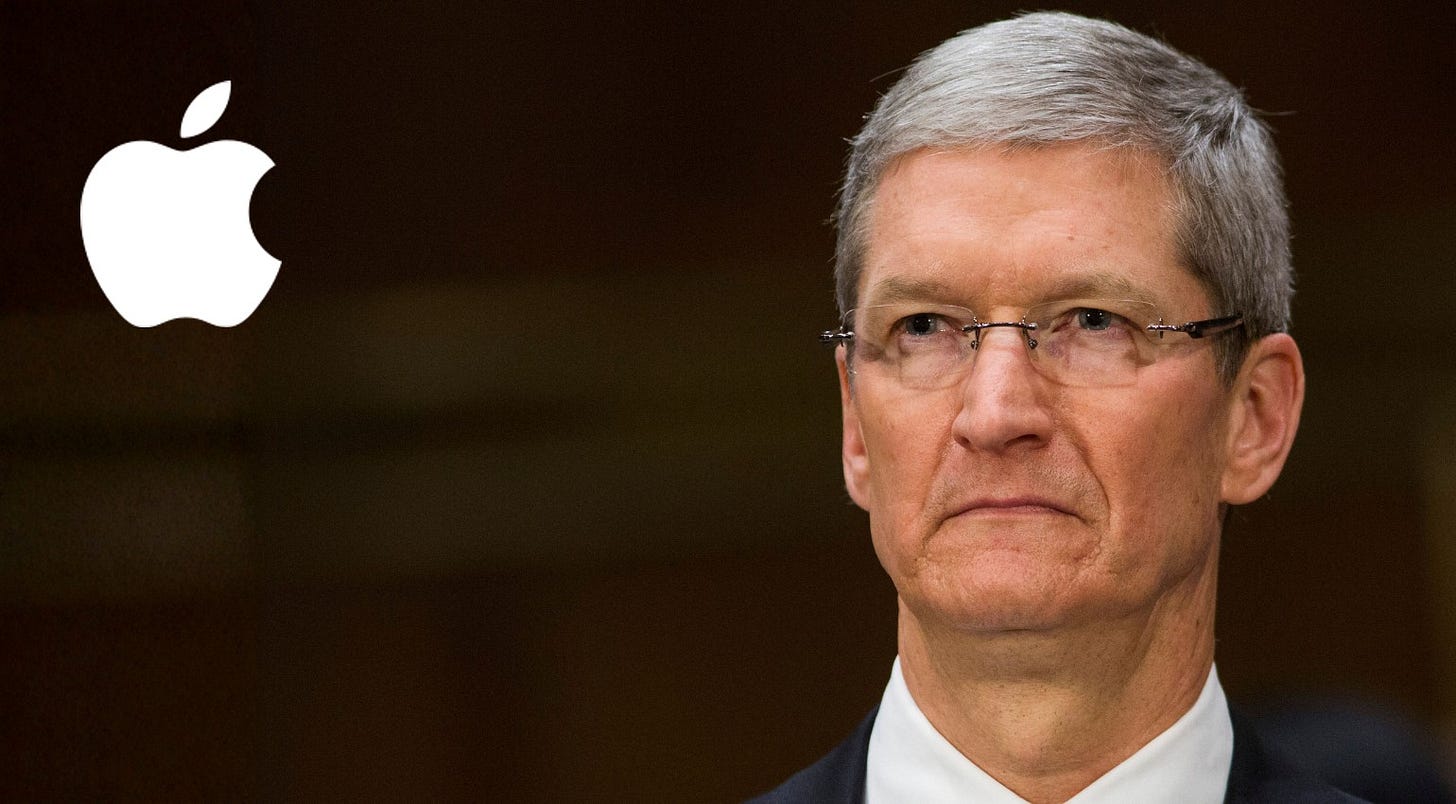
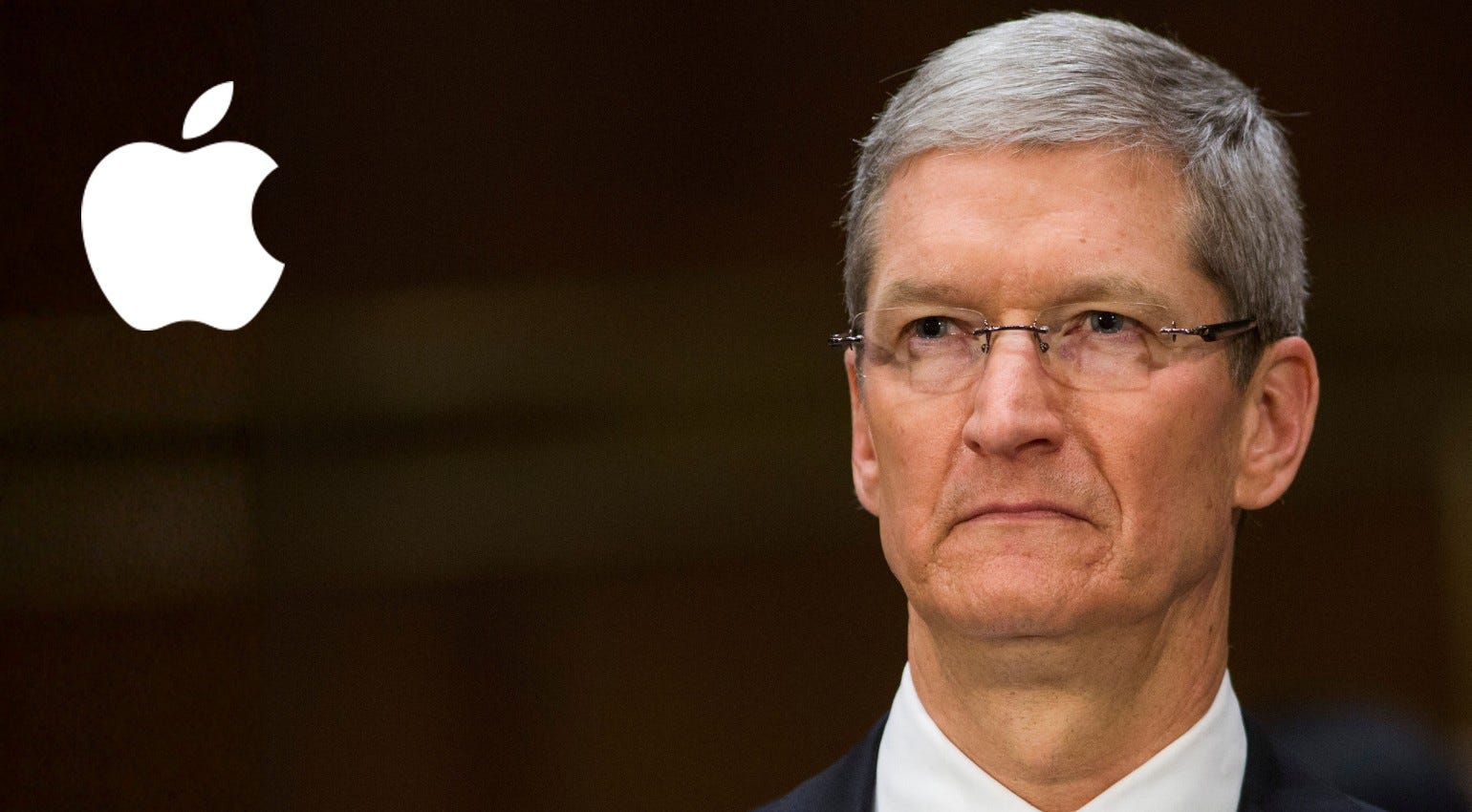
Apple signals higher prices: Apple’s outgoing CEO Tim Cook proactively announced that even Apple won’t be able to withstand rising industry supply constraints and price increases for memory and storage components. Where SK Hynix, Samsung, Micron and other memory companies have all shifted their production to AI Data Center memory and storage requirements. And despite Apple’s vaunted, multi-decade supply chain moats built by Tim Cook himself, the company is looking at higher prices for its products going forward. No Specifics, but industry analysis indicates an iPhone may be 20-30%+, or $200+ in iPhone prices alone. So $1300+ for well equipped models from the current sub-$1000 tiers. And this does include pressures from trade and tariff related issues, which could add more. It also impacts Apple products beyond the iPhone of course, including computers, laptops, wearables and more. And it also underlines the even bigger and deeper pressures for Windows and Android computer/smartphones companies in the dozens globally. All this also slows down the trend of ‘local AI’ non-metered computing on user devices, since they all require a lot more RAM and storage memory for beefier local AI inference computing. So ironically, it helps the ‘mainframe’ AI data center trend even further in the near term, through 2030 at least. More here.

Other AI Readings for weekend:
-
OpenAI hires AI OG Noam Shazeer from Google. More here.
-
More speed bumps for Google Waymo robotaxis. More here.
(Additional Note: AI Ramblings Daily on YouTube, is now a weekday Daily podcast called AI Ramblings Daily (ARD). Just passed the #100 podcast milestone mark. Different content than AI-Reset to Zero (AI-RTZ) substack, which remains a daily morning substack write-up. With now over 1,122+ ‘MY TAKES’ on key AI events and issues turbulently flowing by. ARD is typically a 20 minute afternoon podcast every day, on my take on additional AI developments. Both daily substack and podcasts typically discuss different AI issues and items. There is a daily text summary of the daily podcasts here on the substack, as well as one minute YouTube ‘Shorts’ video clips on the key topics discussed. And all are free to subscribe for now. Try this week’s series:
-
ARD 97 — Then There Were Two: SpaceX’s IPO is done, leaving OpenAI + Anthropic as the two mega-AI IPOs ahead — just as Anthropic’s ‘Blip 2.0’ begins.
-
ARD 98 — Lines in the Sand, Re-drawn and Dug In: major AI players and the US government adjust strategies on the fly, or entrench.
-
ARD 99 — From Frontier AIs to AI Gadgets, A ‘Failure to Communicate’: balancing fear and optimism for users and regulators across the AI industry.
-
ARD 100 — A Week of AI Milestones, & ‘The Blip 2.0’ Continues: the 100th ARD episode (50th since the daily switch).
-
ARD 101 — Ad Hoc AI Policy & Drama After ‘The Blip 2.0’: a week in, little resolution and more ‘on the fly’ White House demands):
Up next, the Sunday ‘The Bigger Picture’ tomorrow. Stay tuned.
(NOTE: The discussions here are for information purposes only, and not meant as investment advice at any time. Thanks for joining us here)


