AI: Apple's supply chain locks out most tech memory pressures. RTZ #1010

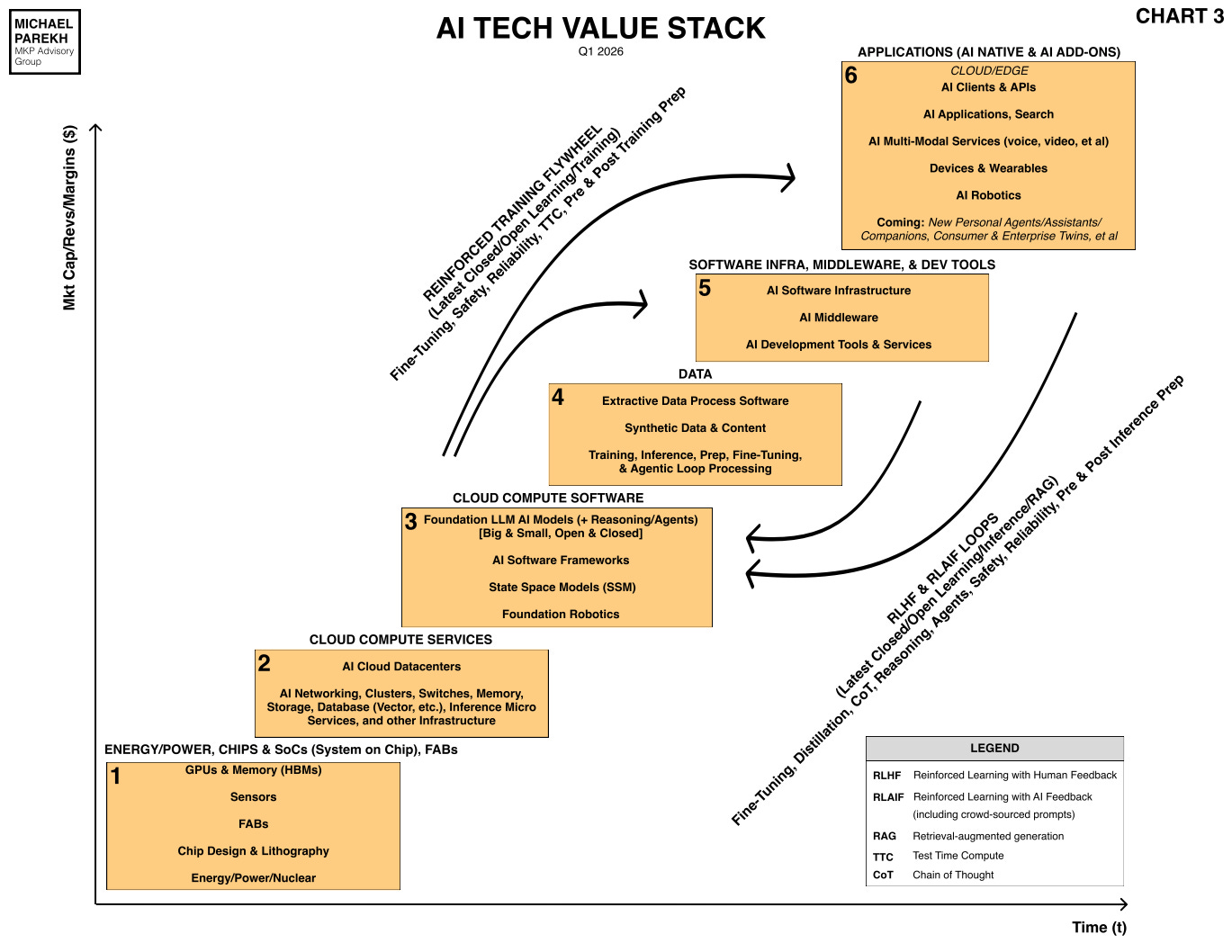
I’ve been going on for months how the single biggest input risk in AI Tech Wave for the big and smaller tech companies, is the availability of memory. Right next to Power for the AI data centers.
Indeed, memory in our AI systems has been a foundational piece I’ve been discussing since beginning AI Reset to Zero over a 1000 daily posts ago.
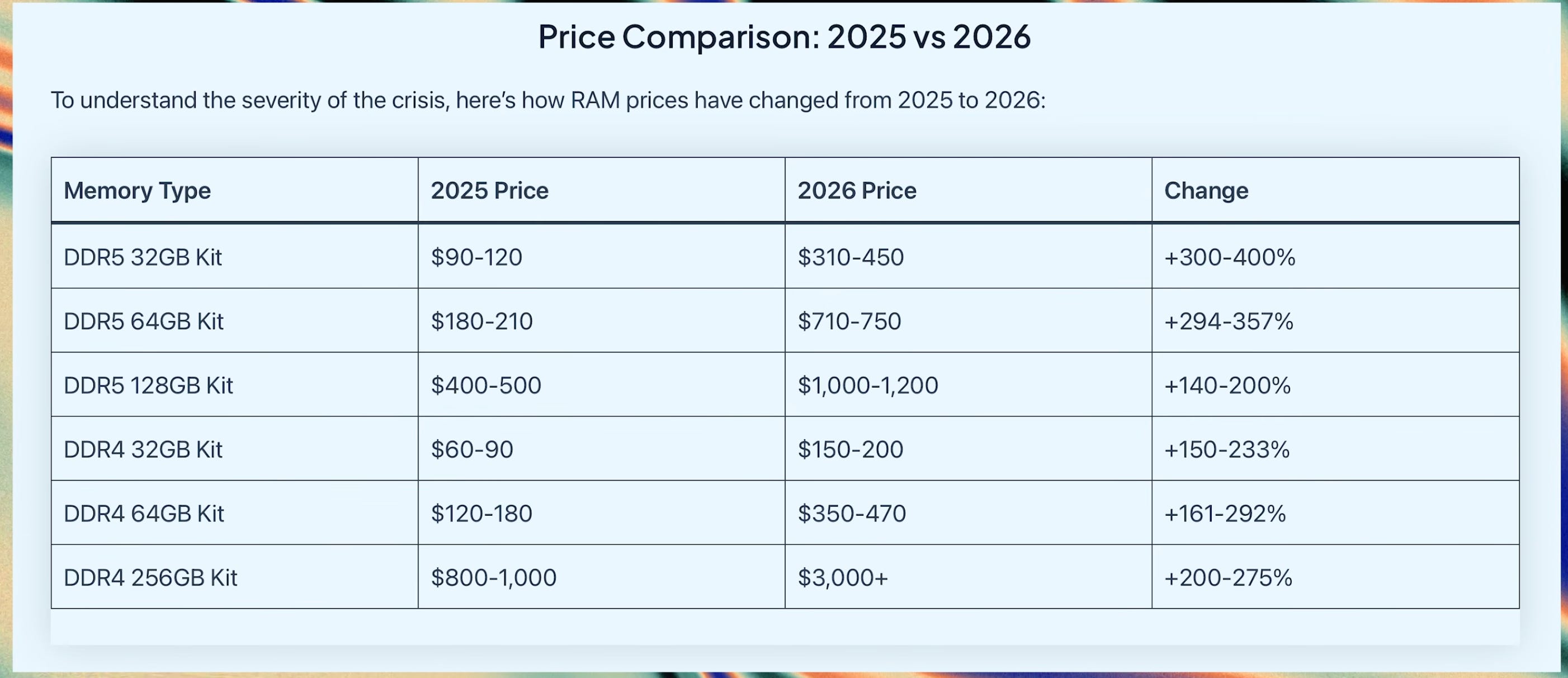
We are already seeing the impact of this memory price and availability crunch on AI devices from PCs to laptops to smartphones to wearables and beyond.
Samsung just confirmed memory impact on its latest S26 smartphones pricing. They’re the biggest vendor in the US of Android smartphones.
But then there’s the Apple iOS powered iPhone part of the smartphone spectrum.
There’s an under-appreciated advantage to Apple here vs its peers that I’d like to unpack today. And it’s directly tied to CEO Tim Cook’s global supply chain investments over decades.
It’s now better understood that AI is coming fast to mainstream users both via Cloud services, and local devices in the billions globally. I’ve discussed this at length.
Both at the AI data center level, and at the local devices level, which include PCs, laptops, smartphones, and the flood of AI devices to come.

The availability also refers to affordable prices, which is getting tougher for even the largest of OEMs.
As I’ve articulated in earlier pieces, the core issue is that memory, both RAM and storage in chip forms, are dominated globally by three companies, SK Hynix, Samsung and Micron. The last one is in the US.
They provide the bulk of the memory chips both in the local devices, AND the exploding market for AI data centers, and Power, dominated by the ‘Mag 7’ and others. And the major US computer companies like Dell, HP and others. Now all big providers of not just local computers, but computing infrastructure for AI data centers at scale.
As discussed earlier, just a handful of those companies are slated to invest $700 billion in AI capex this year alone. And growing from there up and down the AI Tech Stack.
And the memory prices continue to get more constrained at higher prices on the local device front. Especially as part of the ‘Bill of Materials’ (BOM) rankings of pc manufacturers globally.
Note this piece by the Register, where “HP says memory’s contribution to PC costs just doubled to 35 percent”:
“HP Inc. has revealed that memory now accounts for 35 percent of the cost of materials it needs to build a PC, up from between 15 and 18 percent last quarter. And the company expects RAM’s contribution will rise through the year.”
“Speaking on the company’s Q1 2026 earnings call, interim CEO Bruce Broussard said the company has secured long-term supply agreements for the year and also “qualified new suppliers [and] built in strategic inventory positions for key platforms and cut the time to qualify new material in half to accelerate our product configuration changes.”
This is important news from the #2 PC OEM in the US, also a participant in the global rush for AI data centers and Power builds.
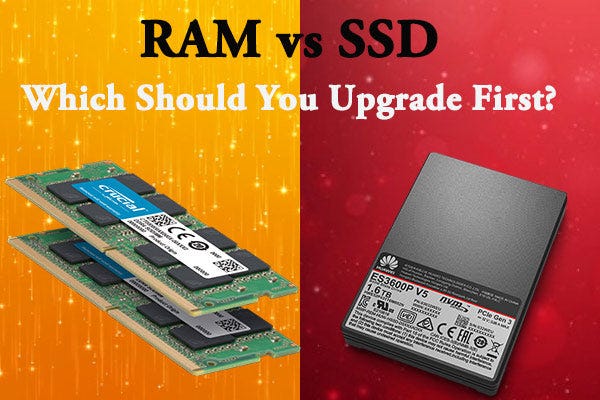
Memory, which is the RAM (random access memory) in PCs and laptops, is distinct from storage SSDs (silicon storage devices), which are also impacted by the global supply shortages. This means memory at 35% is now the top cost in the average costs of these devices, especially laptops.
And more RAM in computers and smartphoens generally means more AI intelligence inference processing for regular users, on their own devices. With all its advantages to work on privately and with trust on their personal computers.
Here’s what this distribution has looked like historically:
Note that memory (RAM) got doubled to nearly 18% in just one year. Dramatic vs the other components:
Laptop BOM (2025 mid-range baseline ~$500–650 in parts):
-
Display: ~16% — LCD panels in oversupply, keeping this relatively stable
-
CPU/SoC (System on a Chip): ~21% — gradual modest decline as competition increases
-
Memory (RAM): ~18% — nearly doubled from ~9% in 2022, the biggest story
-
Storage (SSD): ~11% — relatively flat
-
GPU (discrete): ~13% — elevated but stable
-
Motherboard/PCB: ~11% — shrinking as memory absorbs more share
Desktop BOM (2025 mid-range gaming ~$700–900 in parts):
-
GPU dominates at ~36%, but memory is now closing in fast at ~17%
-
CPU has slipped from 22% → 20% as memory pressure grows
Now, let’s adjust the rankings with the new HP data:
New Laptop BOM ranking (2026 HP-reported, high → low):
-
Memory (DRAM/RAM) — 35% ← was #3 in 2022 at 9%
-
CPU/SoC — 16%
-
Display/Screen — 13%
-
GPU — 10%
-
Storage (SSD) — 7%
-
Motherboard — 9%
-
Other — 6%
-
Battery — 4%
For desktops, GPU and memory are now essentially tied at the top (~28% vs 35%).
Of course, there are a much larger number of parts and components. But the ones above the most expensive ones.
Also, remember HP’s OEM ranking in Windows/PC vendors: They’re a solid #2 globally at ~20% market share (57.5M units in 2025, +8.4% YoY), well behind Lenovo (~25%) but significantly ahead of Dell (~14%). In the AI PC segment specifically, HP is #3 at 14% — noting that 35% of all PCs HP now sells are AI PCs, which was the one piece of good news on the call against the memory cost alarm.
So with this bump, RAM memory is now the biggest piece of non-gaming computers, adjusted for average GPUs in the devices.
All this is important as one looks at the landscape in a broader Apple vs PCs context.
Apple with its historically massive investments in its own Apple Silicon, and long-term memory acquisition programs with the top suppliers, is in a FAR better position vs its Windows/PC competitors.
It’s one reason that Apple has now gone from having more expensive computer options from laptops to desktops, now is increasingly the better ‘value’ from a hardware perspective from desktops to laptops. Note this analysis video by Snazzy Labs.
And this is point that is especially important in the AI context, because local memory in both laptops and desktops is a critical input through this global memory shortage at least for the next couple of years.
I’d summarize the Apple advantage in these five points:
-
The BOM shock — HP’s 35% memory cost increase is hitting all the global Windows PC/laptop vendors.
-
The Windows PC competitive picture — how all five major OEMs and beyond, are equally exposed and have no structural escape
-
The Apple structural advantage — Apple has secular structural advantages due to its global hardware/supply chip ecosystem around Apple Silicon:
-
unified memory already baked in at SoC (system on a chip) fabrication,
-
300M+ device scale vs PC-only OEMs,
-
the efficiency multiplier from Apple software operating system advantage (16GB does what 32GB does for competitors),
-
locked-in, long-term supply contracts at scale with Taiwan Semiconductor (TSMC) and other memory chip companies with LPDDR memory contracts vs. quarterly spot-market renegotiations for competitors
-
-
The AI PC angle — Apple at 45% of AI PC segment despite 9% overall share; the two advantages compound together significantly as ‘AI PC’ demand ramps globally
-
The under appreciated angle — Mac margins hold while Windows OEM margins compress; Apple’s hardware premium looks more reasonable as HP raises prices; Tim Cook’s supply chain legacy being validated in real time
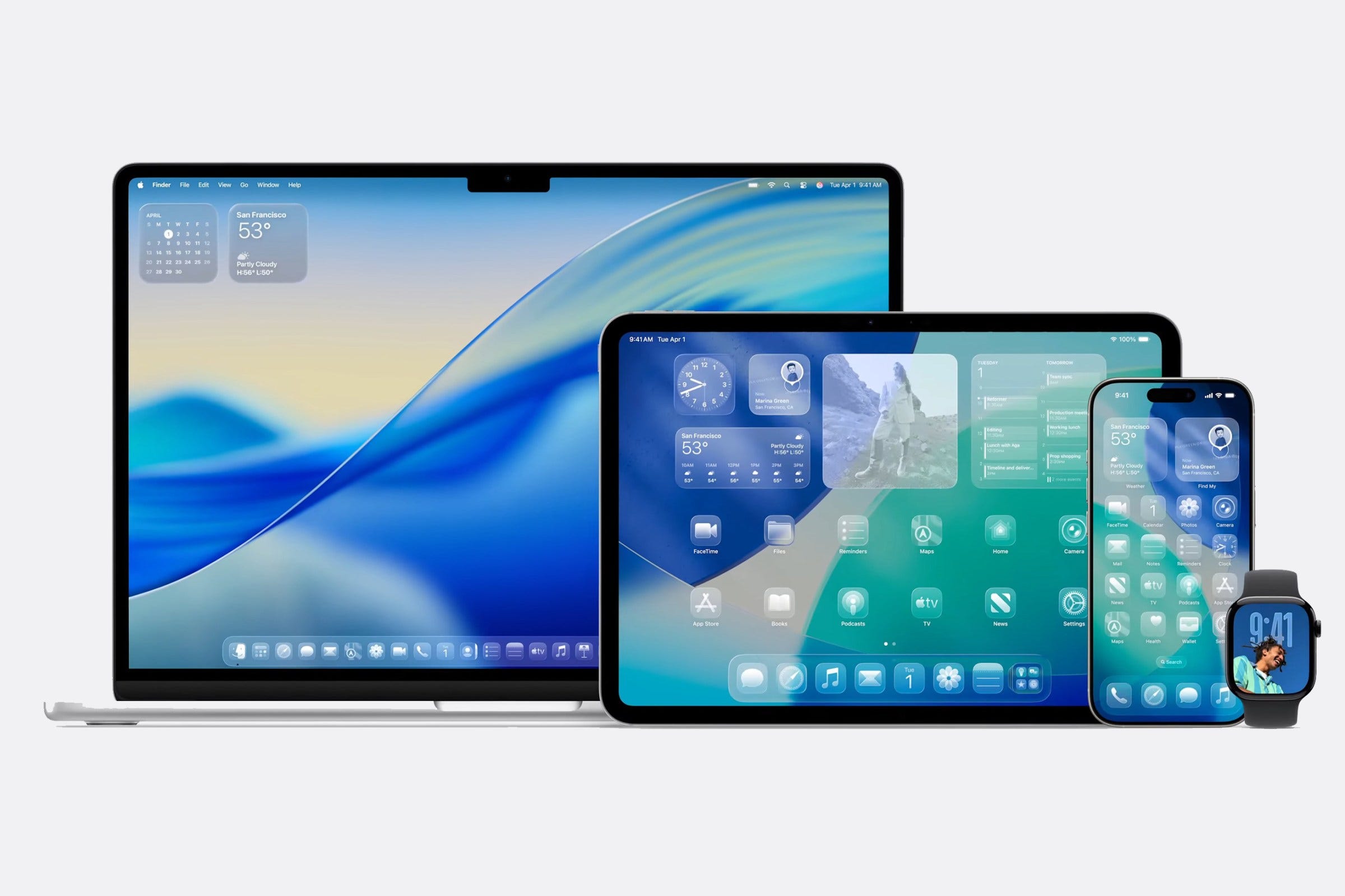
It’s an advantage for the Apple ecosystem that is not fully understood and discounted in the marketplace.
And a better positioning for Apple in this AI Tech Wave than generally realized.
Far beyond the arguments over Apple behind in AI, and not having its own AI chatbots and LLM AI models.
As a distribution partner for Google Gemini and others.
For mainstream users, it simply means that in this ‘AI era’, Apple products, will likely be more price and feature attractive vs competitors, for the foreseeable future. A historical twist indeed, where Apple has been globally viewed as the pricier, aspirational brand. Now it’s the better value.

One reason why there’s a rush for $600 Apple Mac Minis in silicon valley, as developers rush to try and deploy local AI agents with OpenClaw, now an OpenAI entity.
Apple continues to be in the catbird’s seat for AI in the near term. At least this analyst’s view. Stay tuned.
(NOTE: The discussions here are for information purposes only, and not meant as investment advice at any time. Thanks for joining us here)


