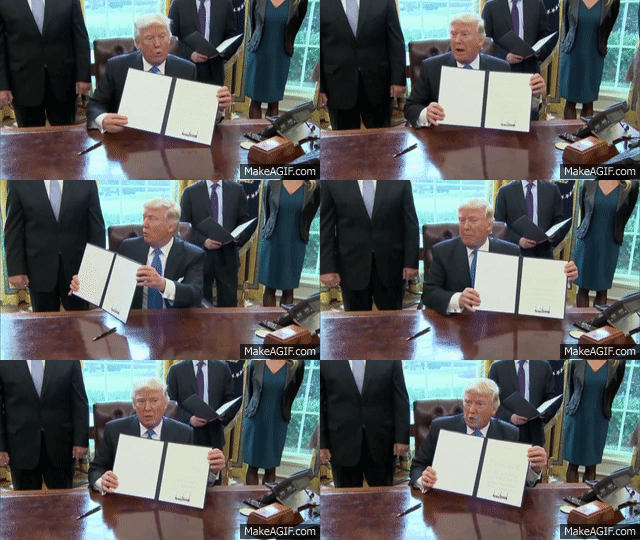
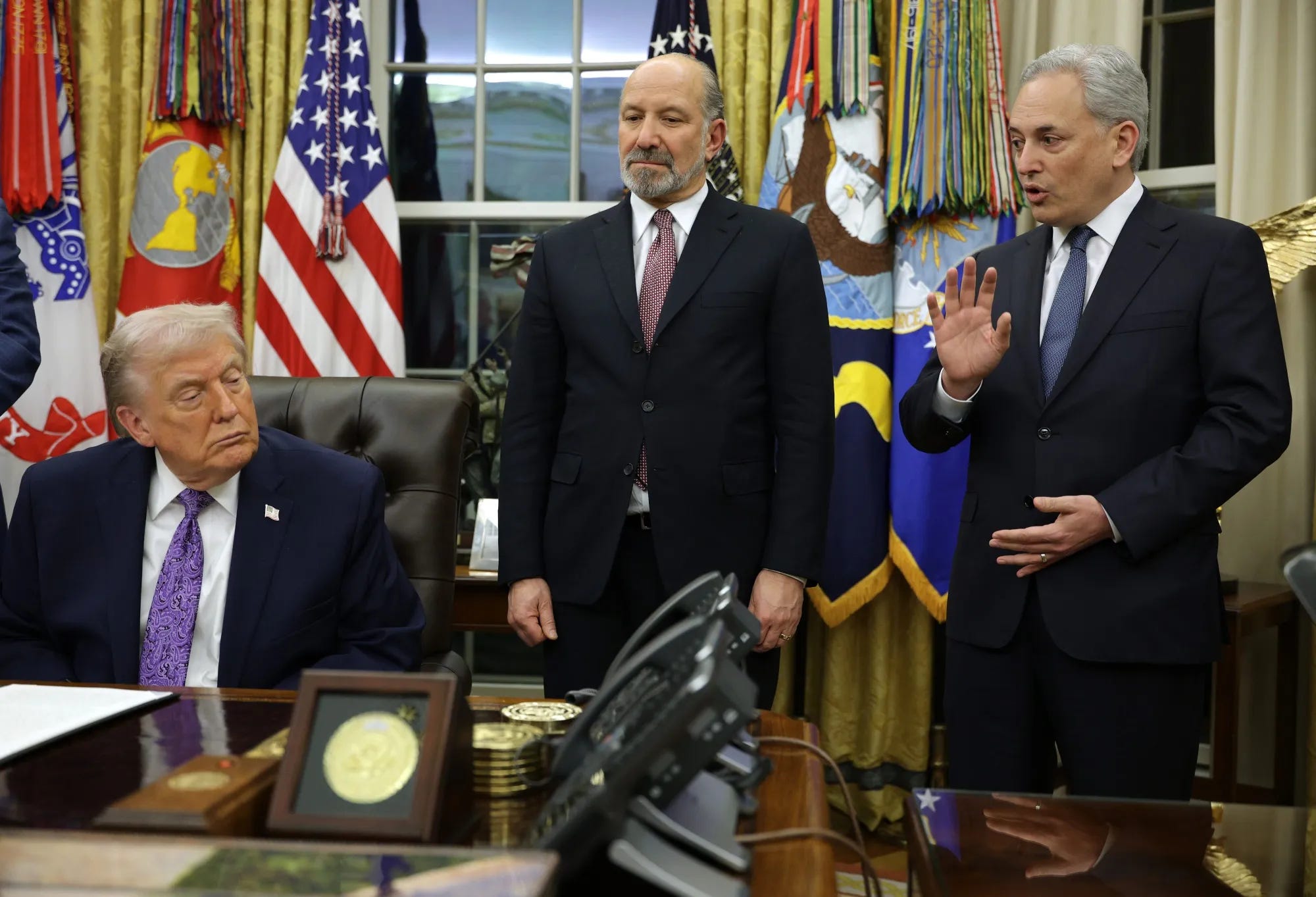
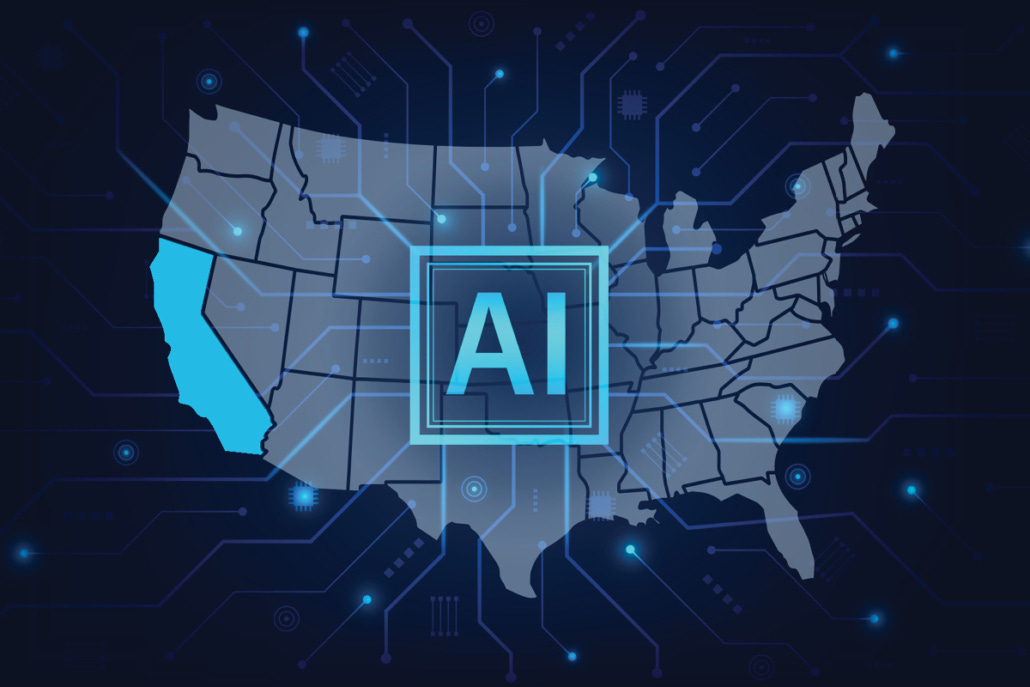
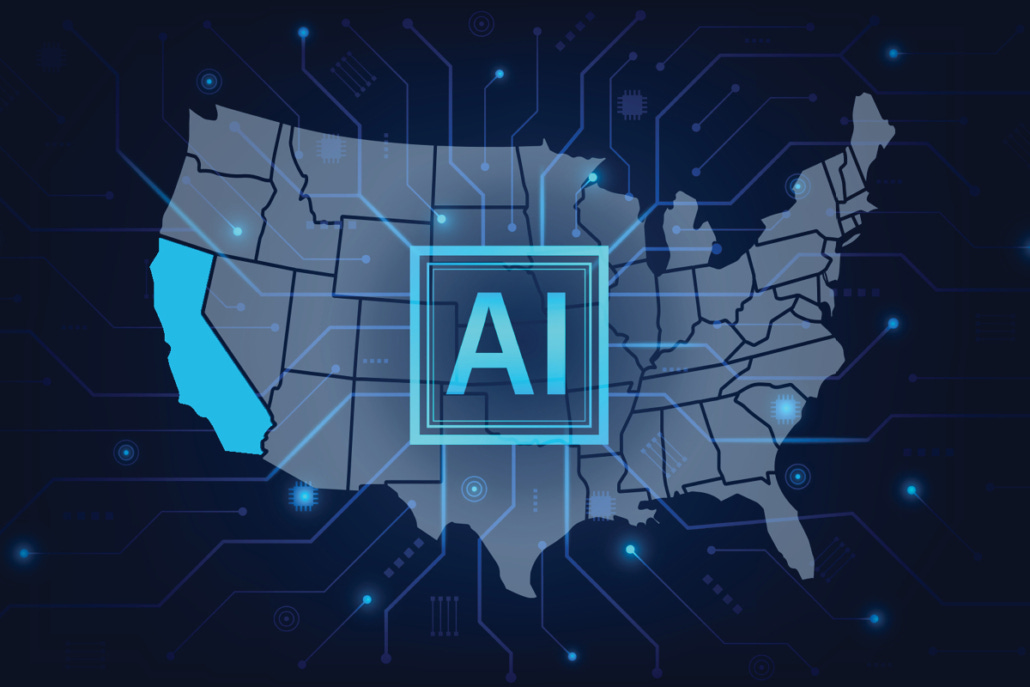
I highlighted in the weekly summary yesterday how State Level AI regulatory moves continue, as the Trump Administration continues to push against State Level AI regulations. This is a Bigger Picture worth understanding this AI Tech Wave, as we go into 2026 soon. Particularly because it differs from other tech waves over the last three decades, where regulatory issues like this were settled by federal regulations emanating from the third US government branch, the Congress. That however is not possible this time due to the current partisan times.
“States are forging ahead with AI laws despite President Trump’s new executive order aimed at reining them in.”
“Why it matters: Trump’s order is expected to pull states into legal battles and leave the U.S. AI rulebook in flux unless Congress acts.”
“The order looks to gut state AI laws by launching legal challenges and conditioning federal grants on compliance.”
Again, as mentioned above, Congress has been relatively quiet about all this thus far:
“What they’re saying: Policymakers behind key state AI bills scoffed at the order, and some vowed to bring legal action if the White House moves forward with implementation.”
“It’s absurd for Trump to think he he can weaponize the DOJ and Commerce to undermine those state rights,” said California state Sen. Scott Wiener, who authored a state AI bill, SB 53, that was signed into law this year.”
“If the Trump Administration tries to enforce this ridiculous order, we will see them in court.”
“New York state Assemblymember Alex Bores, who is behind a similar AI bill to SB 53 and is running for Congress, said in a statement that Trump is “throwing the door wide open” for “out-of-control AI development” and Congress needs to put guardrails in place “before it’s too late.”
Again, it’s not just the blue coastal states pushing ahead:
“Republican governors who previously spoke up against the preemption effort are charging ahead with their own AI plans.”
“Florida Gov. Ron DeSantis has a proposal for an AI Bill of Rights in the works that would establish parental controls, data privacy, consumer protection and restrictions on non-consensual use of a person’s name, image and likeness as well as to protect against data center-related harms.”
“He’s previously objected to Congress wanting to block state regulation without coming up with a “coherent regulatory scheme.”
“Ahead of the executive order’s unveiling, Utah Gov. Spencer Cox called for a MAGA-backed alternative that would protect kids and America competitiveness.”
As well as voices and forces beyond the formal government branches against the Executive Order:
“The alternative proposals were not reflected in the executive order, and ex-Trump adviser Steve Bannon, a major MAGA voice, told Axios that AI czar David Sacks is “completely” misleading the president on preemption.”
“Between the lines: The White House can’t preempt state-level regulation — that’s Congress’ job — and the order punts the thorniest issues like kids’ safety, censorship, and copyright back to the Hill.”
The criticisms have some common threads:
“Sen. Maria Cantwell (D-Wash.) said the executive order is “overly broad” and that Congress needs to “get it right and pass a bipartisan national AI framework.”
“Sen. Marsha Blackburn (R-Tenn.), who fought against congressional efforts for a state AI moratorium and has been vocal about protecting kids and artists online, said that she’ll work with the president to draft the federal framework called for in the order.”
“Sen. Brian Schatz (D-Hawaii), meanwhile, said he plans to introduce legislation to repeal the order.”
Which all sets up a tumultuous AI regulatory state of affairs going into 2026:
“What’s next: A lot of litigation.”
“The Trump administration, once it files suits against states it views as having onerous AI laws, should expect states to bring their own lawsuits about using federal funding levers to influence state policymaking, said Joseph Hoefer, principal and chief AI officer at public affairs firm Monument Advocacy.”
“Everyone wants a clearer national framework, but the system will now have to work through agency actions, the legislative debate the EO calls for, and the inevitable round of litigation that follows. And, unfortunately, none of that produces immediate clarity,” Hoefer said.”
This is the Bigger Picture to keep in mind as this AI Tech Wave rolls into the 250th anniversary of the United States. It remains to be seen if Congress gets in on the action by then. Stay tuned.
(NOTE: The discussions here are for information purposes only, and not meant as investment advice at any time. Thanks for joining us here)