AI: China ramping up in AI vs US, open source & beyond. AI-RTZ #1153

I’ve outlined in recent days how companies like Moonshot AI out of China, with Alibaba, DeepSeek and others are more than doing their part innovating in AI models this AI Tech Wave. They’re accelerating this competitive efforts technically, and ramping up their financial resources as well to invest more and improve their models globally faster. And Wall Street is taking notes.
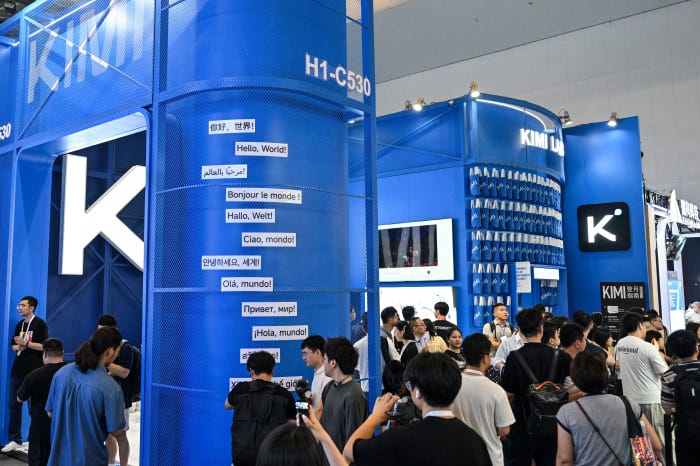
And for the most part, they’re competing on the open source front more than the closed models on the US side. Although US companies like Thinking Machines, are of course also ramping up on open source as I’ve outlined of late. Not to mention Apple’s efforts with the leading AI companies in China recently.

Going back to China, Bloomberg outlines the high points in “Alibaba’s Qwen Unveils Preview of Flagship AI Model”:
“Alibaba Group Holding Ltd. launched a preview version of its flagship Qwen3.8 Max model, which it described as comparable to leading frontier AI models and second only to Anthropic PBC’s Fable 5.”
“The Sunday release came only days after Chinese startup Moonshot AI unveiled a powerful offering. Kimi K3’s performance rivals top offerings from Anthropic and OpenAI and helped upend perceptions of China’s AI capabilities while roiling global technology stocks.”
“(Read: China’s Moonshot Plans IPO in Six Months After AI Breakthrough)”
“Developers can now access Qwen3.8 Max through Alibaba’s coding platforms, including Qoder. The new model is among the most powerful available today, the Hangzhou-based company said in a post on X.”
This new Qwen model with 2.4 trillion parameters, is in the ‘super-scale’ class with over 2 trillion parameters, just like the Kimi K3 2.8 trillion parameter model by Moonshot AI.
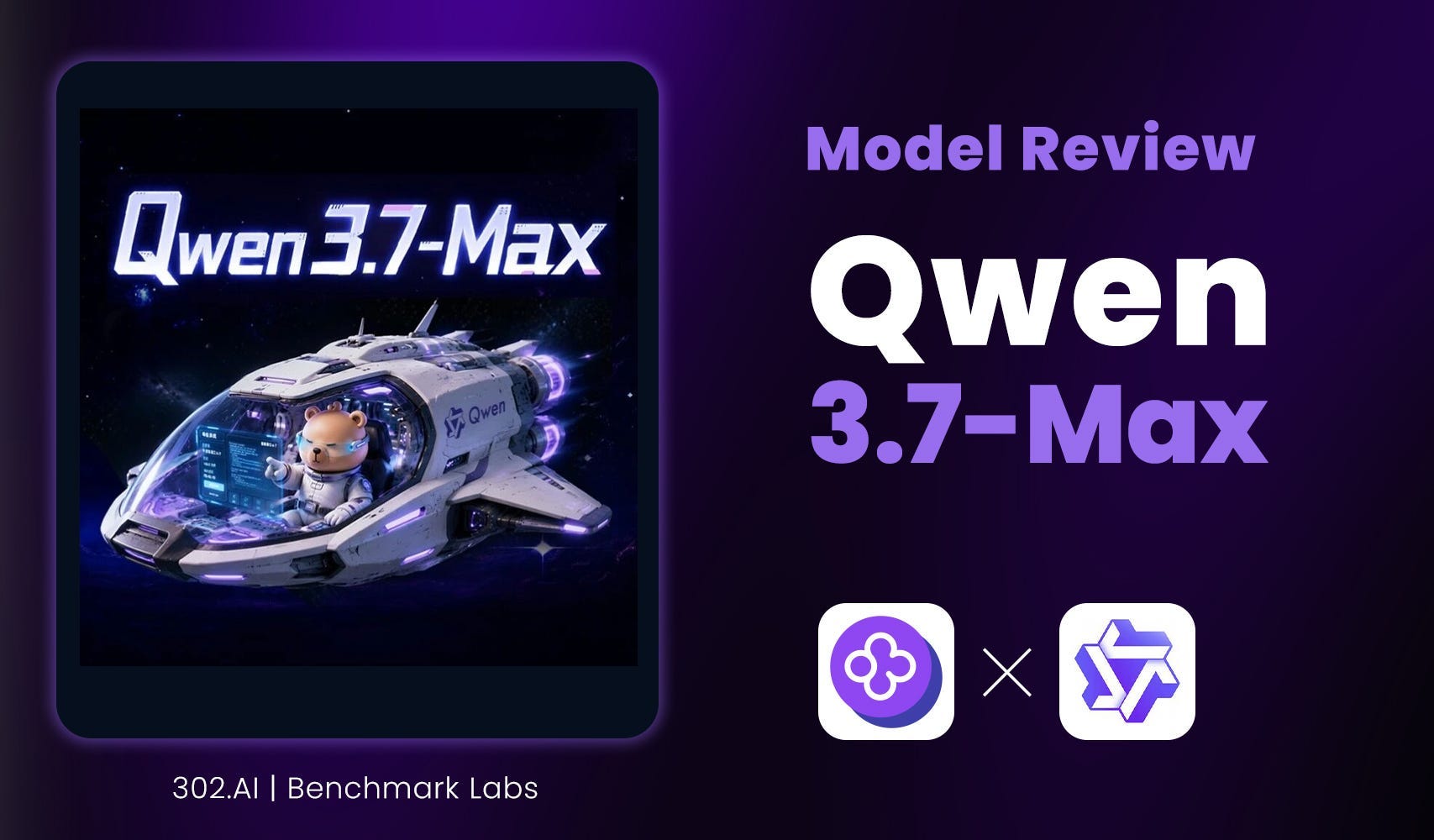
“Alibaba plans to make the model open-weight soon, expanding access beyond the preview release. The post said Qwen3.8 Max has 2.4 trillion parameters but provided no additional technical specifications. Moonshot’s Kimi K3, meanwhile, boasts of 2.8 trillion parameters.”
And then of course was Alibaba’s deal with Apple to have their AI models used in iPhones in China.
“The Chinese e-commerce giant recently scored a victory after Beijing approved Apple Intelligence, as Alibaba is serving as a technology partner for the US company’s AI offering in the Asian nation.”
Alibaba has a broader plan to ‘Target Nvidia’s dominant CUDA software ecosystem with an open source AI stack’., as the South China Morning Post outlines:
“The firm’s chip unit T-Head aims to lower migration barriers to Zhenwu AI computing architectures, following similar initiatives by Huawei and Moore Threads.”
“Alibaba Group Holding’s chip design unit, T-Head, has announced that it will open-source its proprietary software stack, marking its latest effort to streamline developer operations and challenge the dominance of American chip giant Nvidia’s CUDA ecosystem.”
This was showcased in China this past week, at a conference that saw a keynote from President Xi Jinping.
“At the World AI Conference (WAIC) in Shanghai on Saturday, T-Head announced that it was making the full technical stack of SAIL – the foundational software architecture for the unit’s Zhenwu series of AI chips – freely available to international developers starting on the same day.”
“The move is part of a broader campaign by Chinese AI chipmakers, including Huawei Technologies and Moore Threads Technology, to promote open, collaborative software ecosystems as an alternative to Nvidia’s dominant CUDA toolkit – the industry standard for writing software for graphics processing units.”
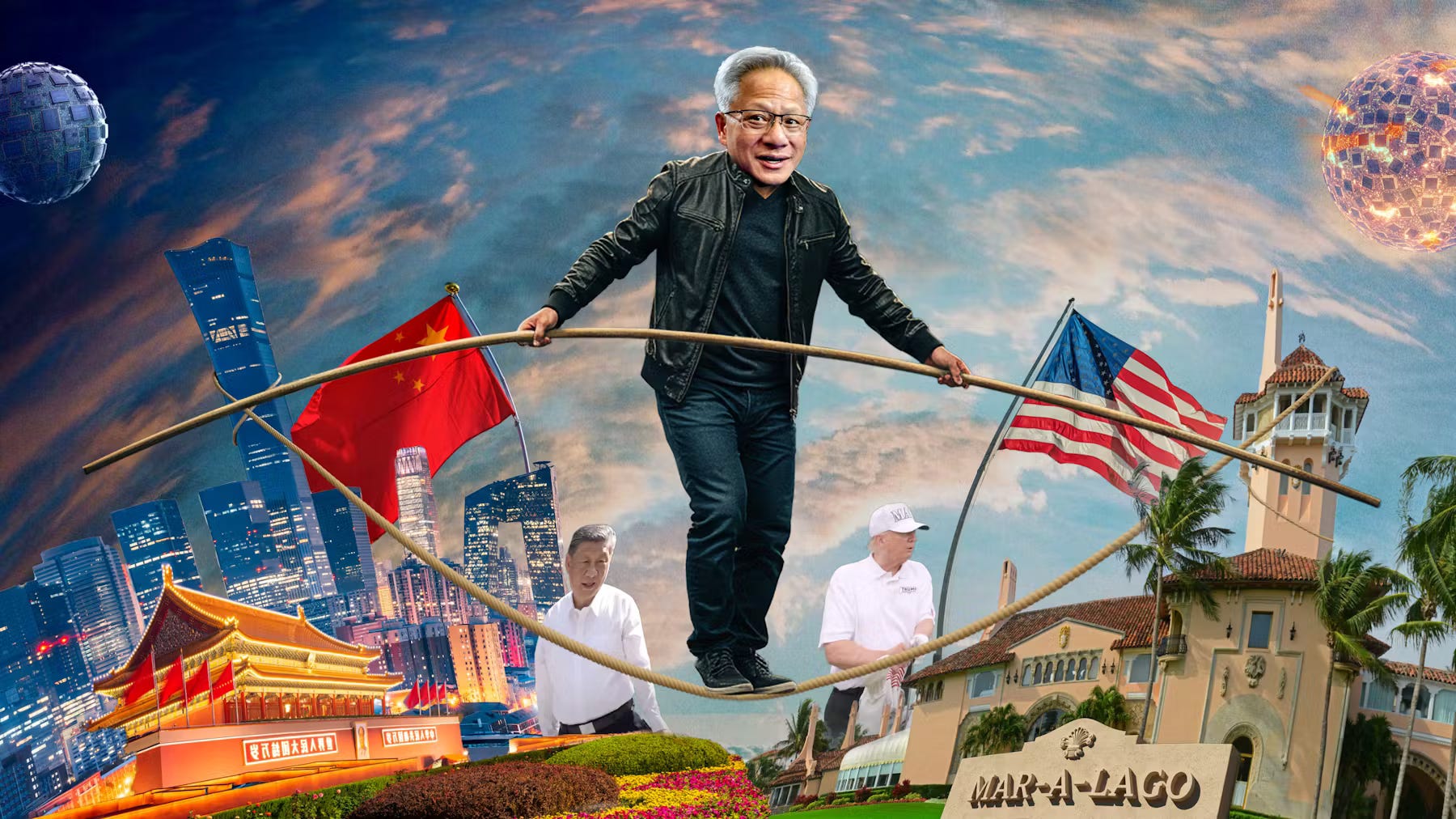
The broader context of course is the global competition with Nvidia.
“The vast majority of artificial intelligence programmers globally remain reliant on Nvidia’s specialised software, which effectively locks them into using the firm’s hardware. By offering alternative frameworks, Chinese technology firms seek to bolster self-sufficiency amid the broader US-China tech rivalry.”
“In 2025, Huawei pursued a similar strategy by open-sourcing its Compute Architecture for Neural Networks (CANN), the software platform used to develop applications for its Ascend AI processors.”
The whole piece is woth a full read on the additional context behind the AI technologies going up against Nvidia. In China and beyond.
Meanwhile, Moonshot AI on its end is not standing still, now planning an IPO in six months in Hong Kong. As Bloomberg reports separately,
“Moonshot AI is preparing to list in as early as six months, seeking to tap capital markets after its latest model upended industry perceptions of China’s artificial intelligence capabilities.”
“The startup has distributed a shareholder resolution to its investors, seeking their blessing on a Hong Kong listing, and is wrapping a fundraising round that may value it at more than $30 billion.”
“An IPO would mark a milestone for the fast-growing startup, which has achieved $300 million in annual recurring revenue and is racing toward markets as Beijing steps up support for domestic AI development.”
So it’s not just the frontier AI companies Anthropic and OpenAI, along with the US hyperscalers in the AI Tech Wave that matter. China is very much part of the global set of AI innovations.
Whether it’s considered an AI Race or not. The debates continue on the AI gap between the US vs China. Like this weekend’s debate over Argentina vs Spain.

Whether one frames is as a US/China AI Race, or just tech companies around the world just competing with each other around the world. Kind of like the amazing World Cup just ended. Stay tuned.
(NOTE: The discussions here are for information purposes only, and not meant as investment advice at any time. Thanks for joining us here)


