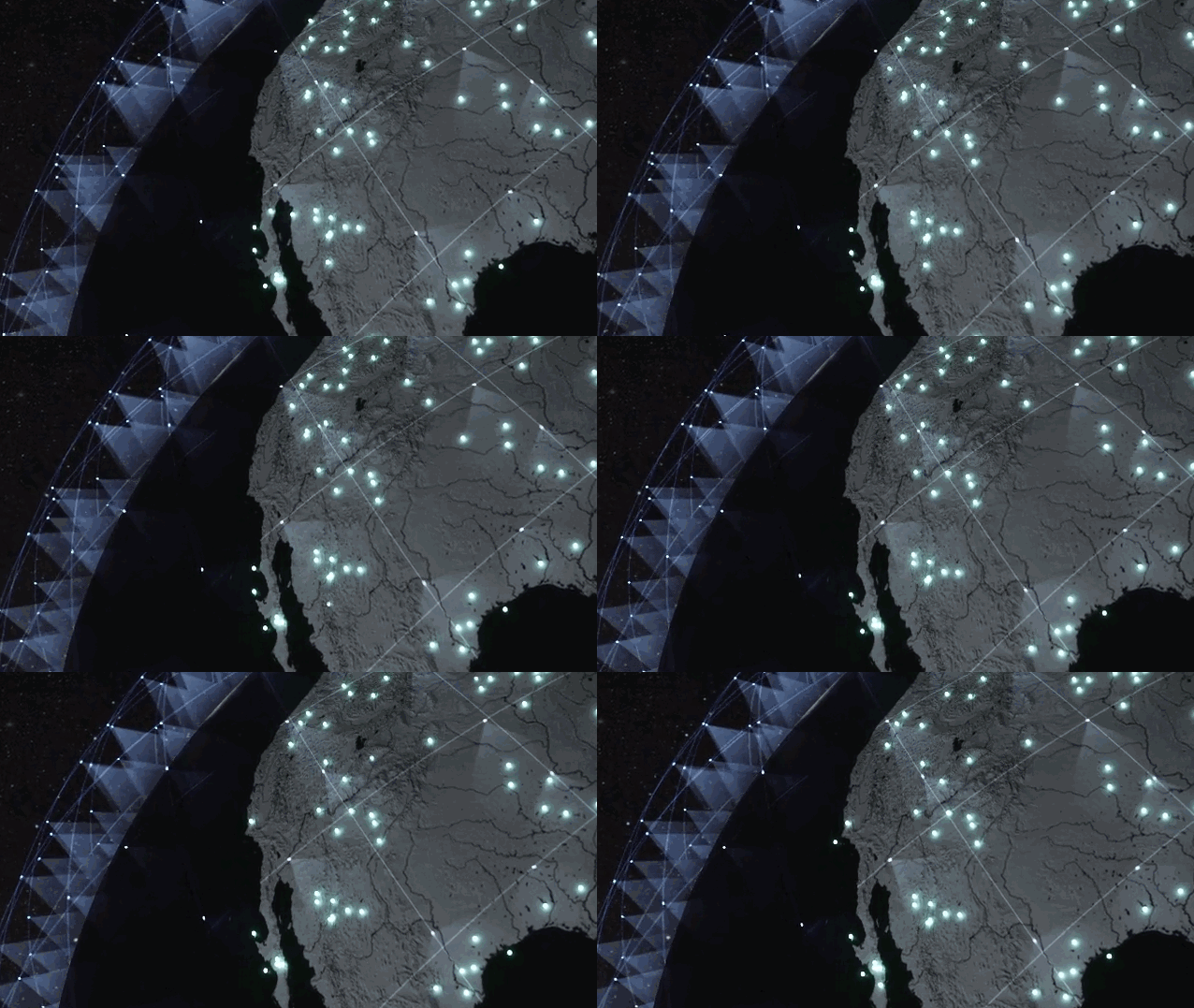
And while much of the discussion of its prospects today center around those space AI data centers, and the AI Compute imperatives for its xAI/Grok LLM business, the real business to watch is the Starlink subsidiary within SpaceX.
It’s Elon Musk’s unquestionably genius innovation to execute a miraculous multi-thousand low-orbit satellite cluster. All to provide high-speed internet access not just in an urban, telecom wired, oligopolistic connectivity reality.
The narrow-band to broadband connectivity that made every tech wave since the PC possible. From the Internet to Cloud to Social to Mobile to now the AI Tech Wave.
Technically, Starlink is a marvel of human ingenuity, and extraordinary tactical and strategic execution by Elon Musk.
Done against financial odds that most venture and government efforts would shy away from. Launch thousands of small, low-orbit satellites using SpaceX’s rapidly cost efficient rockets that then transmit to rapidly shrinking receivers on the ground, that then provide a cosmic relay race of handing internet connectivity tasks to tiny receivers that hunt for them from rural grounds.
Oh, and hundreds of those satellites gradually drop out from orbit and burn away in the atmosphere. Requiring a constant launch of countless more satellites every year. Leading to a place where Elon’s Starlink represent two-thirds of all active satellites orbiting the earth. And growing. Even if they mar astronomical telescope observations from earth.
And then market those satellite services to mainstream users. For hundreds of dollars in regular subscription fees. And hundreds of dollars upfront for the tiny dish satellite receivers they then have to position just right atop their houses, mobile habitats and even commercial planes.
Many times through the very telecom providers like T-Mobile who also compete with Starlink. Frenemies as in other parts of AI, whose core business is selling wireless and wired internet access subscriptions to mainstream users in urban and rural spots on the ground. With the majority of the market being in more urbanized areas.
Starlink’s subscription business model has investor appeal, despite its challenges given the above realities. But ahead of a June expected ‘mega-AI PO’, the imperative and the challenges are getting even hairier.
“SpaceX has recently slashed Starlink prices in the U.S.”
“Starlink faces roadblocks in big potential markets in India, Africa”
“SpaceX is spending more on customer service, bricks-and-mortar stores”
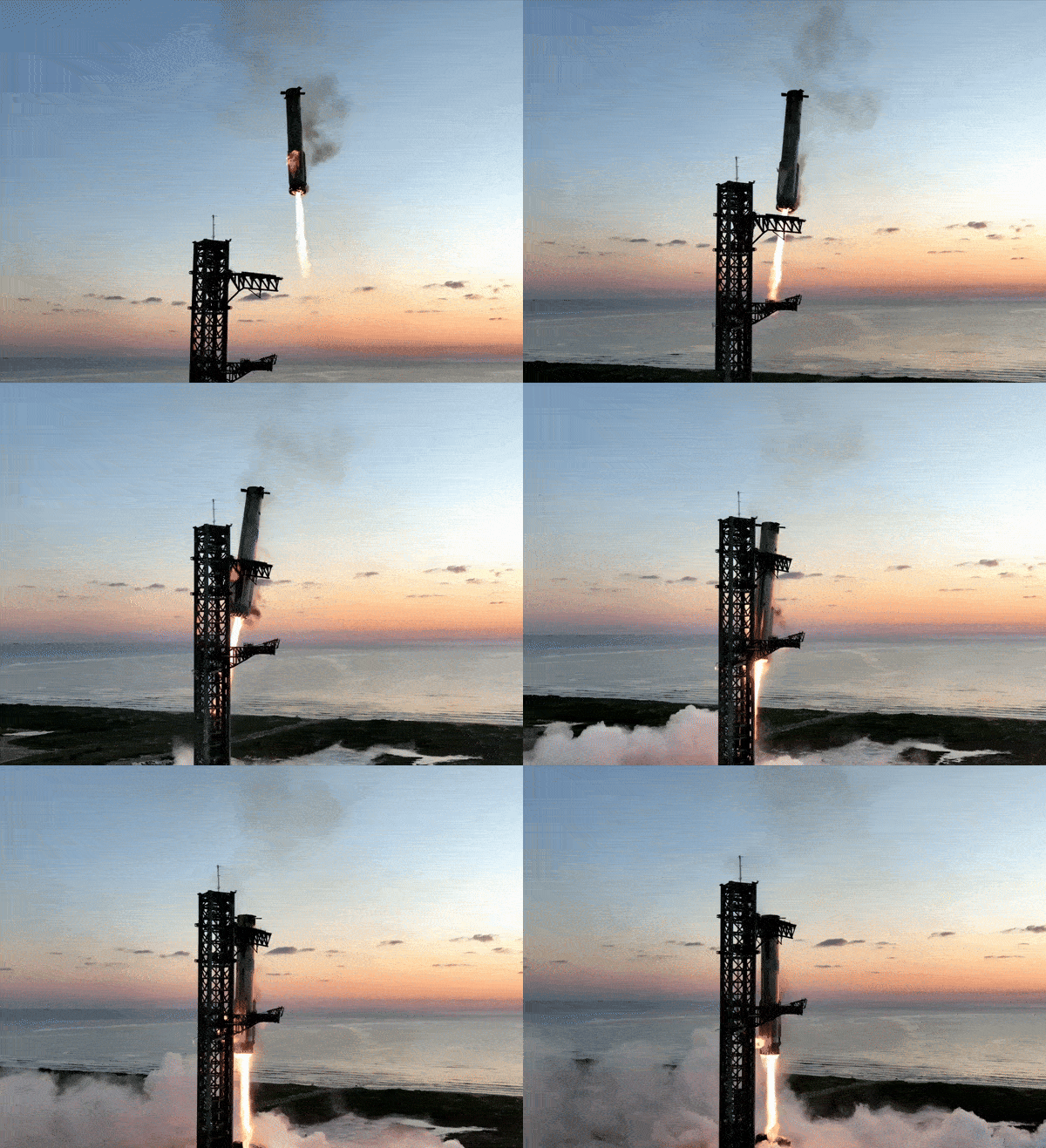
Contrary to its headline grabbing rockets currently being PARTIALLY reusable, due to spectacular pincers grabbing the returning base launcher, the revenue MPV at SpaceX is actually Starlink:
“Since launching in 2020, SpaceX’s Starlink satellite internet service has quickly eclipsed its rocket launch business to become its biggest source of revenue, and, investors hope, a significant cash generator in coming years.”
“However, “full reusability” continues to remain elusive to this day, with SpaceX founder, CEO and chief technology officer Elon Musk telling podcaster Joe Rogan, “It’s fair to say that you know we have not yet succeeded in creating in achieving full reusability but we at last have a rocket uh where full reusability is possible. And I think I think we’ll achieve it next year. So, that’s a that’s a really big deal.”
“Musk went further, detailing the challenges of developing a “fully reusable” rocket system that has plagued the aerospace industry from the world’s very first rockets, saying, “I mean we’re pushing the limits of physics here, and really in order to to make a a fully reusable orbital rocket which no one has succeeded in doing yet including us … Starship is the first time that there is a design for a rocket where where full and rapid reusability is actually possible…”
“Explaining the monumental impact this can have on space transportation and what it is set to achieve, Musk added, “the reason that’s such a big deal is that full reusability drops the cost of access to space by a hundred maybe even more than 100 actually. So could be like a thousand.” [bolding mine]
“Musk detailed just how costly the previous generation of space launch and exploration has been, comparing it to discarding a plane on each trip, with pilot, crew and passengers parachuting out of the aircraft to their destination, then utilising an entirely new aircraft for the return trip, only to repeat the process.”
“The SpaceX Falcon rocket is the only one that is is there that is at least mostly reusable. You’ve seen the Falcon rocket, you know, land. We’ve now done over 500 landings of of the SpaceX rocket of the Falcon 9 rocket … and this year, you know, we we’ll deliver probably, I don’t know, somewhere between 2,200 and 2,500 tonnes to orbit with with the Falcon 9,” Musk added.”
However, as is often the case in tech when well planned theories meet the first punch of competitive realities on the ground, the plans have to change (to paraphrase Mike Tyson):
“But recent efforts to maintain user growth have increasingly turned Starlink into a competitor to mass-market telecom firms selling internet access, rather than the premium service SpaceX CEO Elon Musk initially envisioned. Starlink has cut hardware and subscription costs aggressively, juicing user growth while potentially weighing on margins.”
“The firm introduced a $50 a month low-cost tier in the U.S. last year and in some cases gives away internet-access terminals that cost up to $600 each to manufacture, according to two former SpaceX employees with direct knowledge of the figure. In Europe, Starlink cut prices even earlier after running into weaker than expected demand, according to two additional former SpaceX employees.”
And as is often the case with cool tech, competitors swarm in like ants to exciting edibles:
“The latest price cuts come as the first serious potential rival to Starlink, Amazon’s Leo service, is gearing up to launch service in the U.S. and some other countries later this year. At the same time, Starlink has also been spending on improving its bare-bones customer service and opening its first bricks-and-mortar stores.”
“Although Starlink is growing very fast in subscribers, they’re cutting the price like crazy to keep growth up,” said space consultant Tim Farrar of TMF Associates. “They’ve got all the people who live in the middle of nowhere, but now they have to start competing with AT&T and Comcast. That requires going a lot cheaper.”
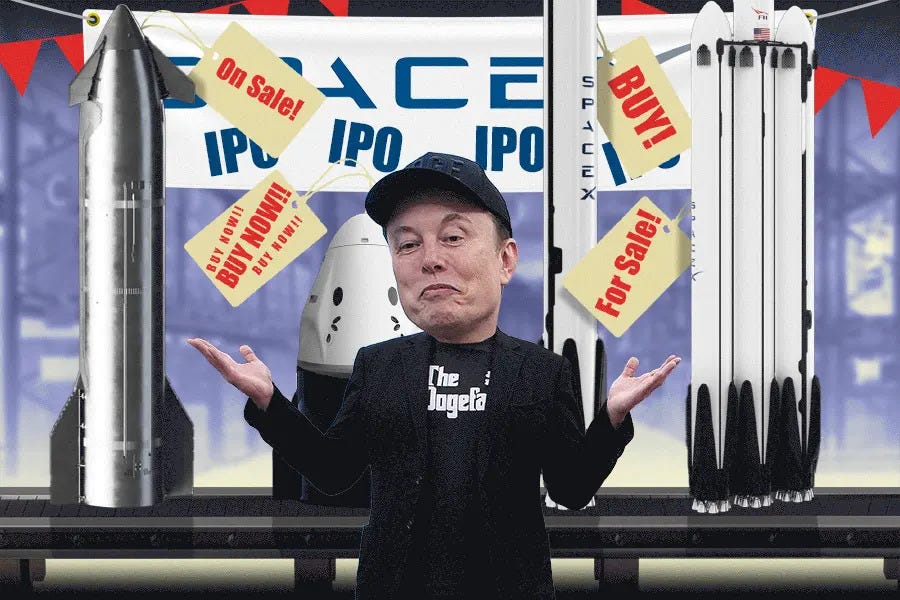
All this of course has dire urgency ahead of one of the possible biggest IPOs in history this June (unless Elon merges SpaceX/xAI into Tesla in a reverse IPO first):
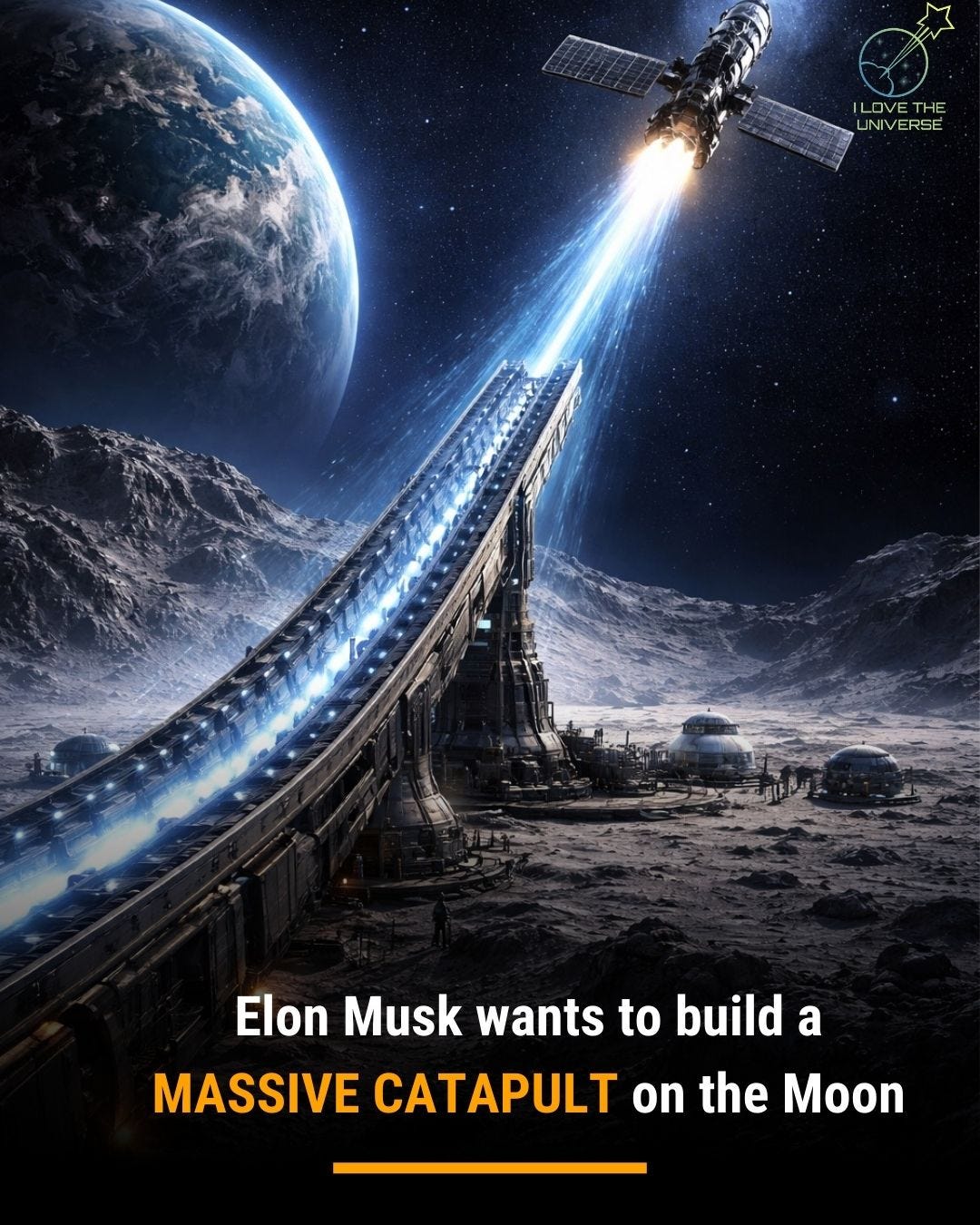
“Starlink’s cash-generating potential should be a big focus for investors ahead of a potential SpaceX initial public offering this summer. That’s particularly true now that the company has merged with xAI, which has been burning cash to the tune of $1 billion per month. And Musk is talking up costly endeavors such as putting data centers in space and building satellite factories on the moon.”
“Analysts have expected Starlink to become an increasingly important driver of the company’s overall free cash flow in the coming years, and for Starlink’s margins to eventually far exceed those of SpaceX’s launch business. But some of the assumptions underpinning initial expectations are looking increasingly questionable.”
“In a 2024 report that circulated widely among SpaceX investors, Morgan Stanley analysts made their projections assuming that SpaceX would bring in over $2,000 each year—or more than $170 a month—per individual Starlink user in 2024 and 2025, not including hardware or activation charges. (Morgan Stanley, historically Musk’s investment bank of choice, is among the banks that have started offering research coverage of private market companies in recent years.)”
“In that report, Morgan Stanley also projected that SpaceX’s overall revenue would reach $19 billion in 2025, driven primarily by growth in the number of Starlink subscribers, which the bank predicted would hit 6 million. While Starlink ended last year with 9.2 million subscribers, higher than the projections, SpaceX’s revenue fell short, coming in at around $16 billion. Starlink said it hit 10 million subscribers this month.”
“Inside Amazon, leaders have been closely watching the Starlink price cuts for consumers over the past few months, according to a person close to Amazon. They’ve interpreted the moves as a play to grab market share before Amazon’s launch of Leo.”
“Amazon plans to tap its large base of Prime members and other customers to sell consumer subscriptions, the person said, while leaning on existing Amazon Web Services relationships with companies and governments to boost enterprise sales and smooth local licensing approvals globally.”
Again, the plans and prospects for Starlink have changed drastically since its launch over half a decade ago:
“SpaceX initially envisioned Starlink as a premium service—Musk told staff it had to be fast enough for serious online gaming—that could command a significantly higher price than traditional wired internet. When the company launched Starlink in 2020 in the U.S., it charged a flat monthly rate of $99 for service, plus hundreds of dollars to buy hardware up-front.”
“But getting pricing right to drive adoption while using Starlink’s infrastructure as efficiently as possible is a complicated, worldwide undertaking.”
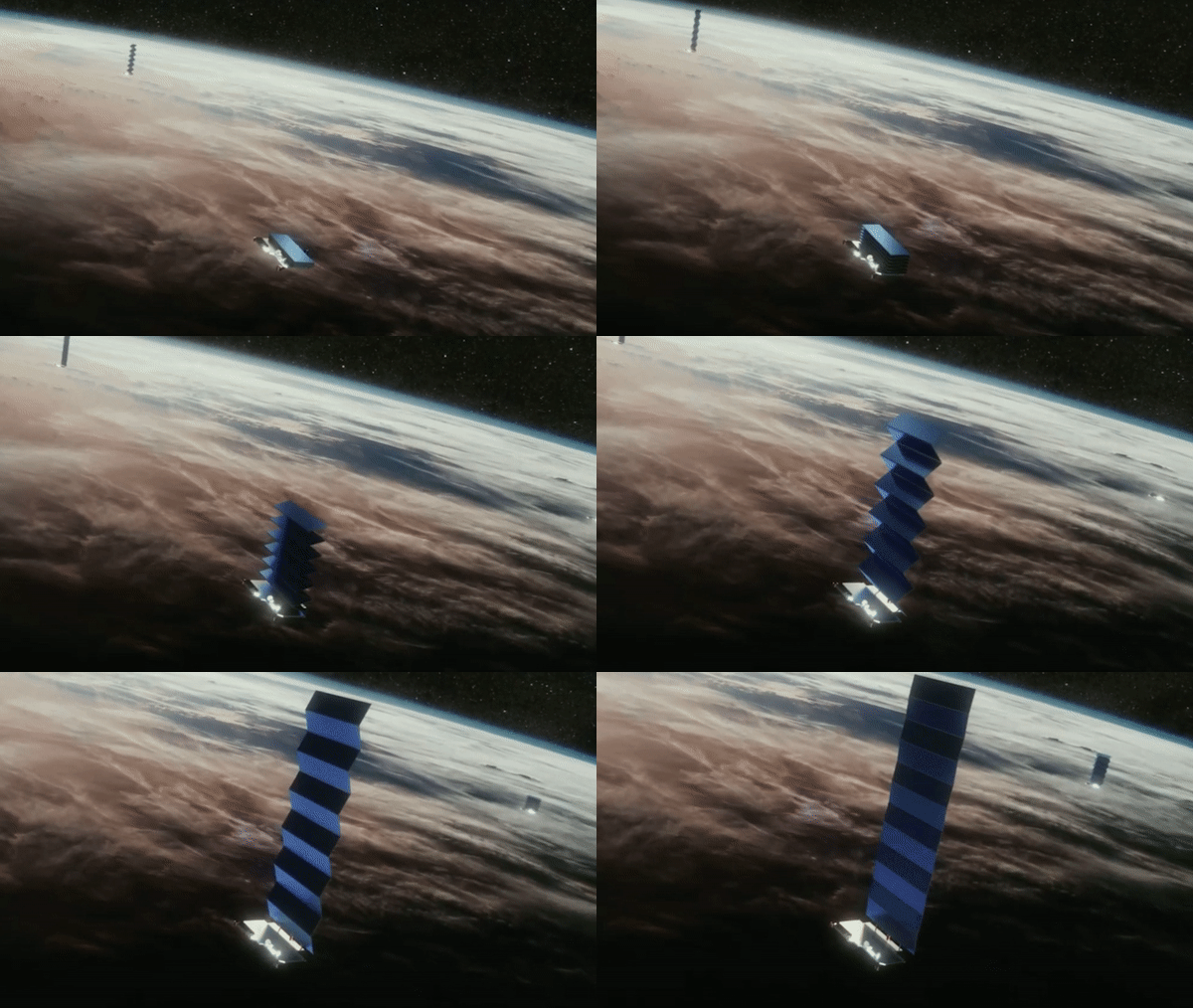
It’s useful again to keep the fluid dynamics of Starlink’s cosmic ballet of gobs of mini satellites in mind, as the ‘dancers’ go on and off the stage:
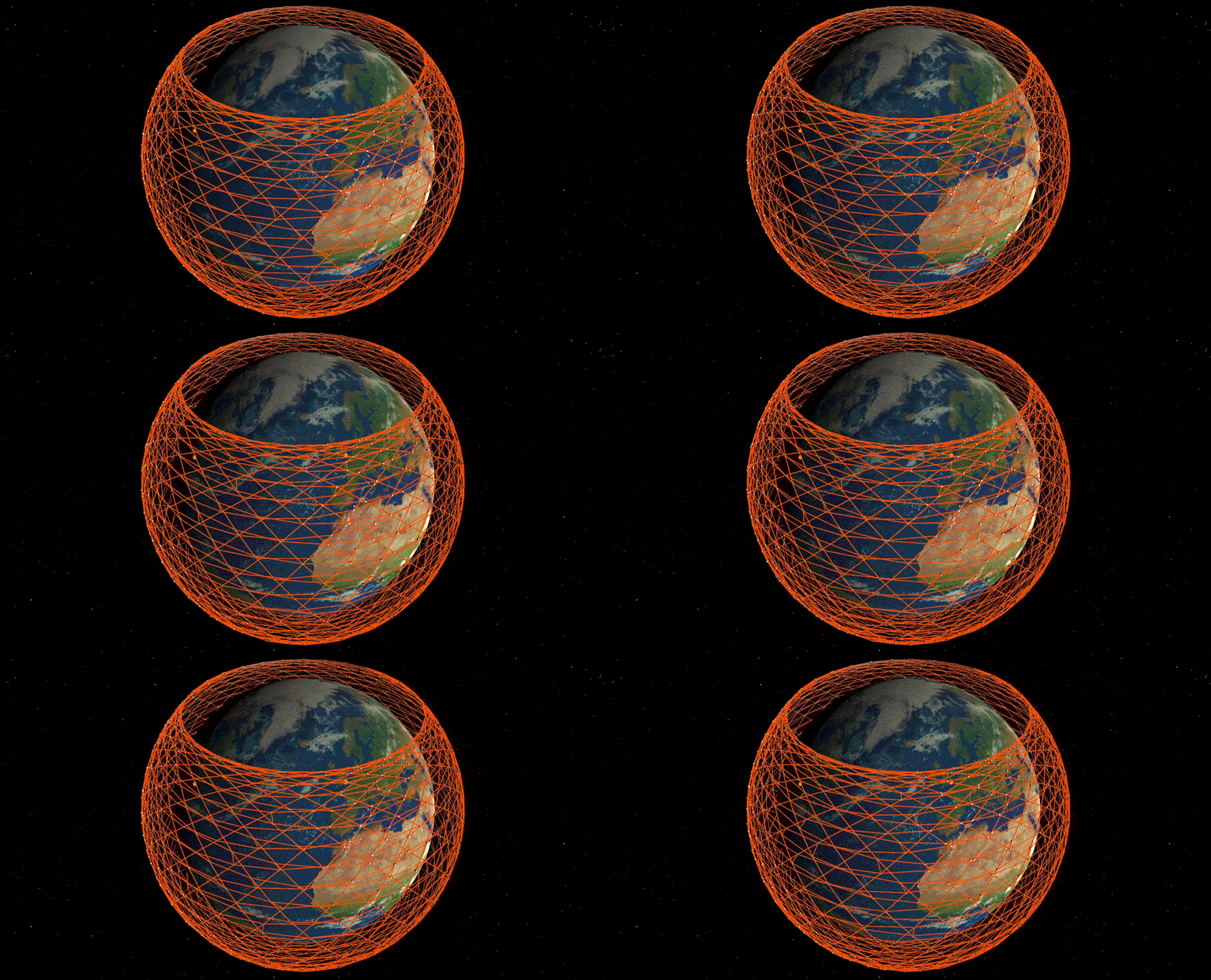
“Starlink works by surrounding the globe with thousands of orbiting satellites that beam down internet service to customers. That means when one of its satellites is traveling above a part of the world where it doesn’t sell subscriptions, SpaceX is leaving money on the table.”
Even with Starlink’s truly global footprint, marketing it across countries and regulatory ‘red-line’ thickets is a task in a league of its own:
“Expanding in as many countries as possible has always been a priority for SpaceX leadership. That requires wooing local regulators and sometimes navigating resistance from powerful telecom companies in order to launch. The company has grown to offer Starlink in more than 150 countries.”
“But SpaceX has had a tougher time winning over regulators than it initially expected in several large potential markets, according to three former staffers with knowledge of the effort.”
“That includes India, where SpaceX started taking Starlink preorders in 2021. The government quickly ordered SpaceX to stop taking preorders until it had received license to operate and to issue refunds for any already accepted. Starlink still hasn’t launched there. SpaceX also still hasn’t launched in some major African countries, including Egypt, Ethiopia and South Africa.”
Many times, demand has been underwhelming relative to expectations:
“And in some regions outside the U.S. where Starlink has launched, initial demand was weaker than expected. SpaceX leadership initially believed the service needed to keep pricing consistent as it entered new markets like Europe, according to one of the former staffers. Otherwise, the thinking went, customers in certain markets would see others paying different rates elsewhere and would feel ripped off.”
“But Starlink saw lackluster growth in Europe, where it started to launch in 2021, according to two of the former staffers, in part because consumers are generally used to lower internet services prices than in the U.S. In 2022, the company began to slash prices in European countries, starting with cutting subscription prices to 50 euros (around $50 at the time) in France.”
Tweaking prices in the better markets didn’t help:
“That same year, SpaceX hiked Starlink prices in the U.S., to $110 in 2022 and $120 in 2023. But more recently it has reversed course, introducing “lite” U.S. plans with slower speeds at rates as cheap as $50 per month, and offering even deeper discounts for plans in some parts of the country where it has excess capacity.”
“On the hardware side, SpaceX now sells its standard residential terminal for $349 in the U.S., down from $599 at its introduction in 2023, and frequently offers even deeper discounts or free terminals in certain areas where subscribers are particularly sparse.”
And competitors are drawing up their own plans and pricing:
“Meanwhile, Amazon has not yet announced how much it will charge for hardware or subscriptions. But the company has not been afraid of subsidizing hardware such as its Alexa devices in the past, and it has described its satellite internet ambitions as a way to bring connectivity to more places around the world, which would boost its e-commerce and entertainment businesses.”
Which means a rush for Starlink while it still has a bit of a timing advantage to market:
“Starlink is accelerating their market penetration in advance of Amazon,” said Chris Quilty of research and investment firm Quilty Space. “But I don’t think the market sufficiently appreciates how the dynamics are going to change when Amazon comes online. Amazon is going to be a disruptive force.” ”Besides cutting prices, there have been other shifts in SpaceX’s strategy to grow Starlink and hold onto customers. For most of Starlink’s existence, it has sold directly to consumers, mostly through its own website and with little marketing, an approach with relatively low costs. More recently, though, the company has been ramping up spending on marketing and distribution.”
The whole piece is worth a full attention read for a lot of salient details and charts.
Another possible entrant in the market over the next couple of years that the piece does NOT mention is Apple in my view.
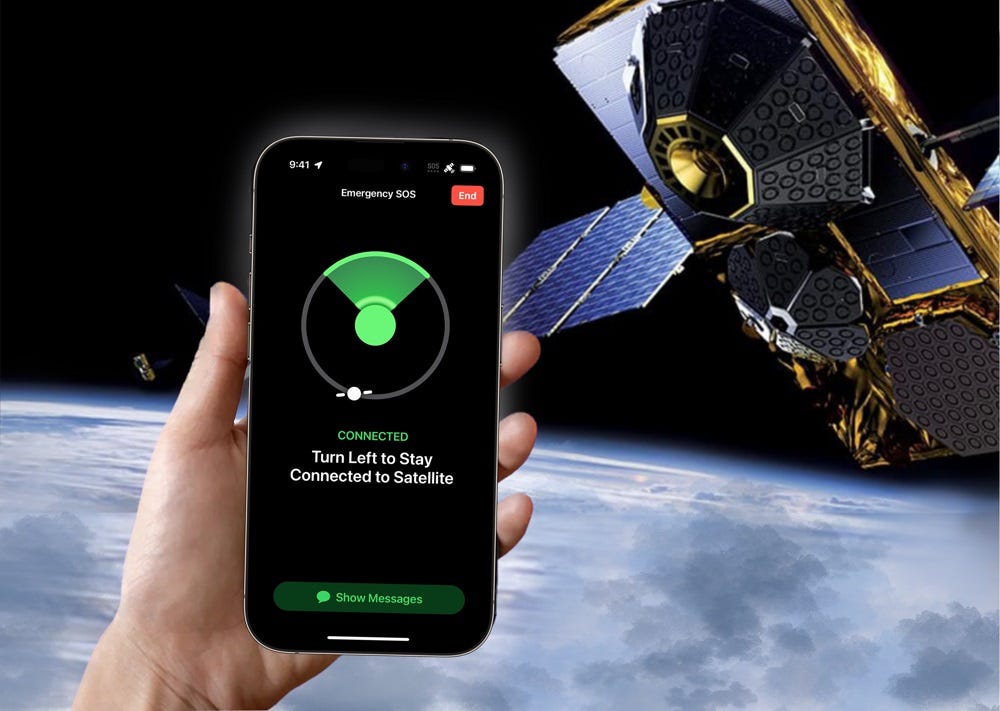
Apple has been closely studying and partnering with satellite to phone providers like Globalstar of late, even investing a billion dollars in that company. It’s small scale experimentation for now. Mostly for ‘emergency SOS’ type of capabilities on its two plus billion iPhones on the ground around the world. But it’s obvious they’re biding their time for bigger efforts in this area.
While I don’t expect Apple to launch its own satellites, I wouldn’t be surprised to see bigger partnerships and/or acquisitions in this space over the next 36 to 48 months.
Internet access to billions of smartphones around the world is rapidly changing, as tens going to hundreds of thousands of small satellites dot the skies soon. It’ll change the way telecoms thrive on providing internet access around the world today.
Google is also in the game here, with Aalyria, spun out of Google in 2022, just raising $100 million at $1.3 billion valuation.
Apple and Google especially have core stakes at play here with their world dominating iPhone and Android smartphone platforms.
So regardless of how SpaceX/xAI fares this AI Tech Wave later this year with an IPO or another transaction, this is an orbital dance barely started.
With some new players entering the space soon. Stay tuned.
(NOTE: The discussions here are for information purposes only, and not meant as investment advice at any time. Thanks for joining us here)
Daily Recap The new Harris Poll, The State of Marijuana in 2024, reveals just how integral cannabis has become to the modern American lifestyle. Among...
Stocktwits is planning a celebration of the best people and products in trading and investing, the Cashtag Awards. The event will be held on April 30th in...
Good morning… This week I cover the following topics: I added Affirm ($AFRM ( ▼ 4.44% )) to my Degenerate Economy Index, explained why Polymarket/Kalshi...