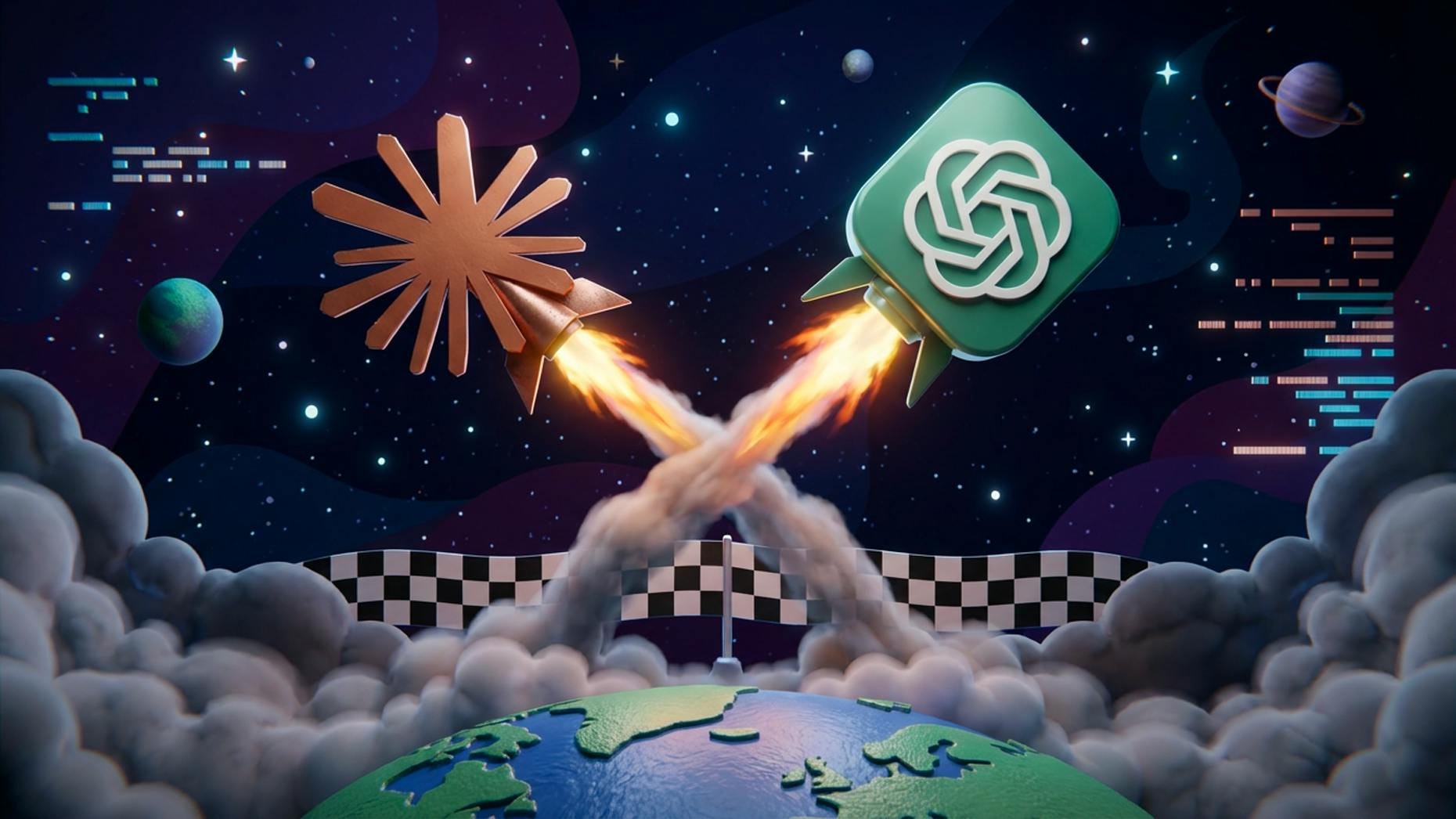
In particular, by the founder/CEOs of OpenAI and Anthropic in particular. Along with existential, doomer concerns by that other founder of OpenAI, Elon Musk. But it’s unexpected to hear that phrase from Google in recent years.
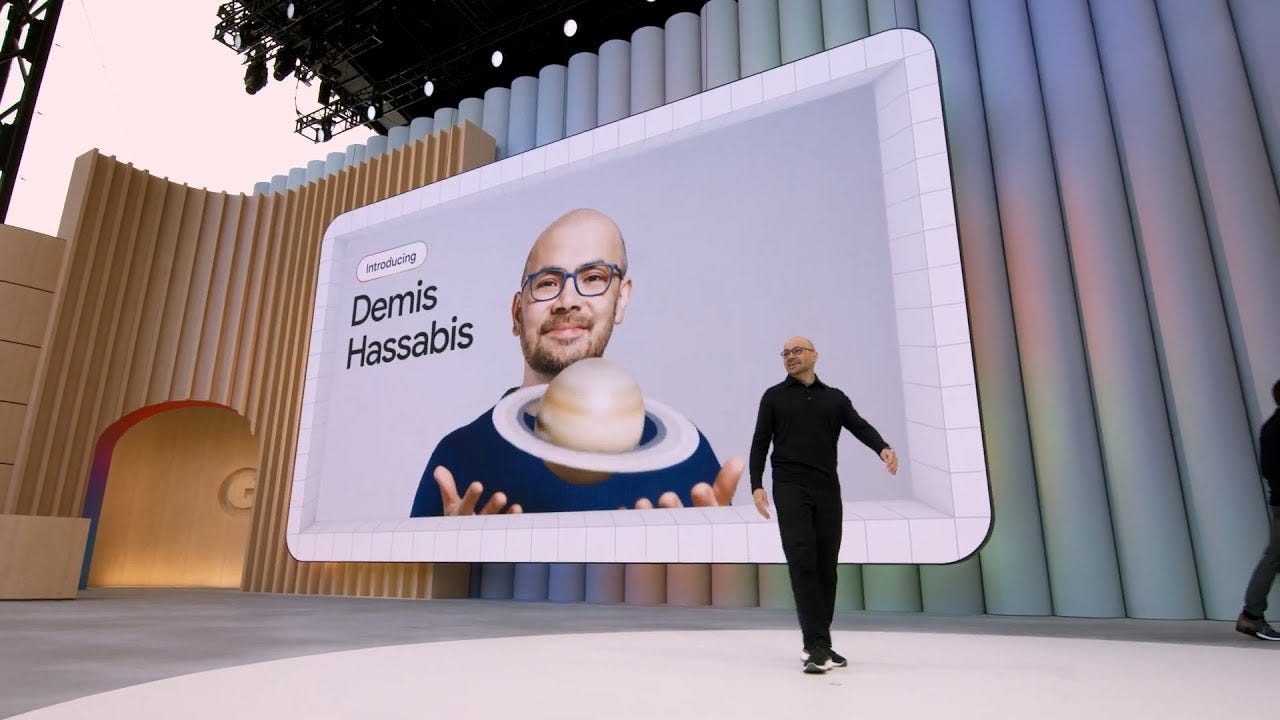
So a comment on the subject by Alphabet/Google AI chief and DeepMind founder Demis Hassabis, did grab the attention of AI watchers at large. Particularly at the end of a very successful Google I/O 2026 developer conference, I’ve written about in some detail. Where he made a point of outlining an earlier timeline than he’s ever talked about before.
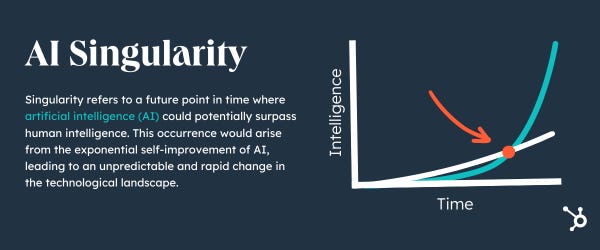
“Google DeepMind CEO Demis Hassabis said at Google’s developer conference last week that humanity is standing in the “foothills of the singularity” — and that society has only a few years left to prepare for AGI.”
“Why it matters: AI leaders have warned for years about the potential arrival of artificial general intelligence. What’s changing now is the urgency with which some of them are talking about it.”
“Driving the news: Speaking with Axios after his appearance at Google I/O, Hassabis said his prediction that AGI could arrive in four years — or even sooner — reflects growing confidence that the industry has found the right technical path.”
“We can see agents really happening now and imagine what they will be in another year, and how useful they’ll be,” he said.”
And here’s the shift to a timeline a bit closer.
“The big picture: Hassabis said he still broadly expects AGI around 2030, though he now sees 2029 as a possibility.”
“The next wave of AI agents should be viewed as a societal stress test for far more powerful systems still to come.”
“You can imagine the agentic era in this next year is a little bit like a practice run,” he said.”
“The power of Anthropic’s Mythos to catch businesses and governments unawares, for example, showed how we’re not prepared for how quickly these systems are advancing.”
“It was probably a good warning shot across the bow,” Hassabis said.”
In some ways, it’s a move by Google to also raise their voice with governments in particular on next generation AI models.
“Between the lines: Hassabis said he chose his words to provoke more urgency among governments, economists and the broader public to prepare for increasingly powerful AI.”
“This is partly why I use some of the terms I used, yeah, which were a little bit provocative,” he said.”
“The federal government’s tentative steps toward reprioritizing safety are a step in the right direction, he said, referring to a potential AI executive order that would mandate testing before new models are released.”
“I think [safety] needs to be accelerated,” he said. “This is a good moment to kind of strike while the iron is hot.”
“Hassabis said he is discussing possible safety measures with leaders at other top AI labs, though he declined to offer specifics.”
These messages for now don’t seem to be targeted yet at the general public at large. With some pointed comments at economists gauging the long-term financial impacts.
“Yes, but: Hassabis worries theconversation around the society-reshaping impact of AI remains largely confined to tech circles.”
“You’ve got to take this seriously,” he said. “My economist friends, I feel, are still not taking this seriously enough.”
“That needs to change,” he told Axios.”
Part of the comments are around the scale of improvements around the AI models.
“Zoom in: One looming milestone is recursive self-improvement — systems capable of materially accelerating their own development.”
“All the leading labs are quite focused on that,” Hassabis said. “There’ll be clear gains in terms of speed of your research. But there are also risks with that type of system.”
“We’re not yet at the point where the systems are getting better on their own, but the pace of development is clearly accelerating.”
“I think what we’re seeing is soft self-improvement, in the sense of these coding agents are making engineers much more productive,” he said.”
“What we’re watching: Whether society makes good use of the few years between now and AGI as time to prepare or just time for a few more cycles of hype and backlash.”
So it seems to be a well timed opportunistic effort by Google to catch up in step to the general anticipatory drumbeats around AGI.
And mark their current progress in this AI Tech Wave come across as all the more potent. Stay tuned.
(NOTE: The discussions here are for information purposes only, and not meant as investment advice at any time. Thanks for joining us here)
Markets The equity risk premium is negative. (advisorperspectives.com) The seven pillars of market bubbles. (acadian-asset.com) Crypto Fidelity Wise...
Podcasts Peter Mallouk and Charlie Bilello talk with Jonathan Clements about some big lessons. (podcasts.apple.com) Luca Dellanna and Ismail Manik talk...