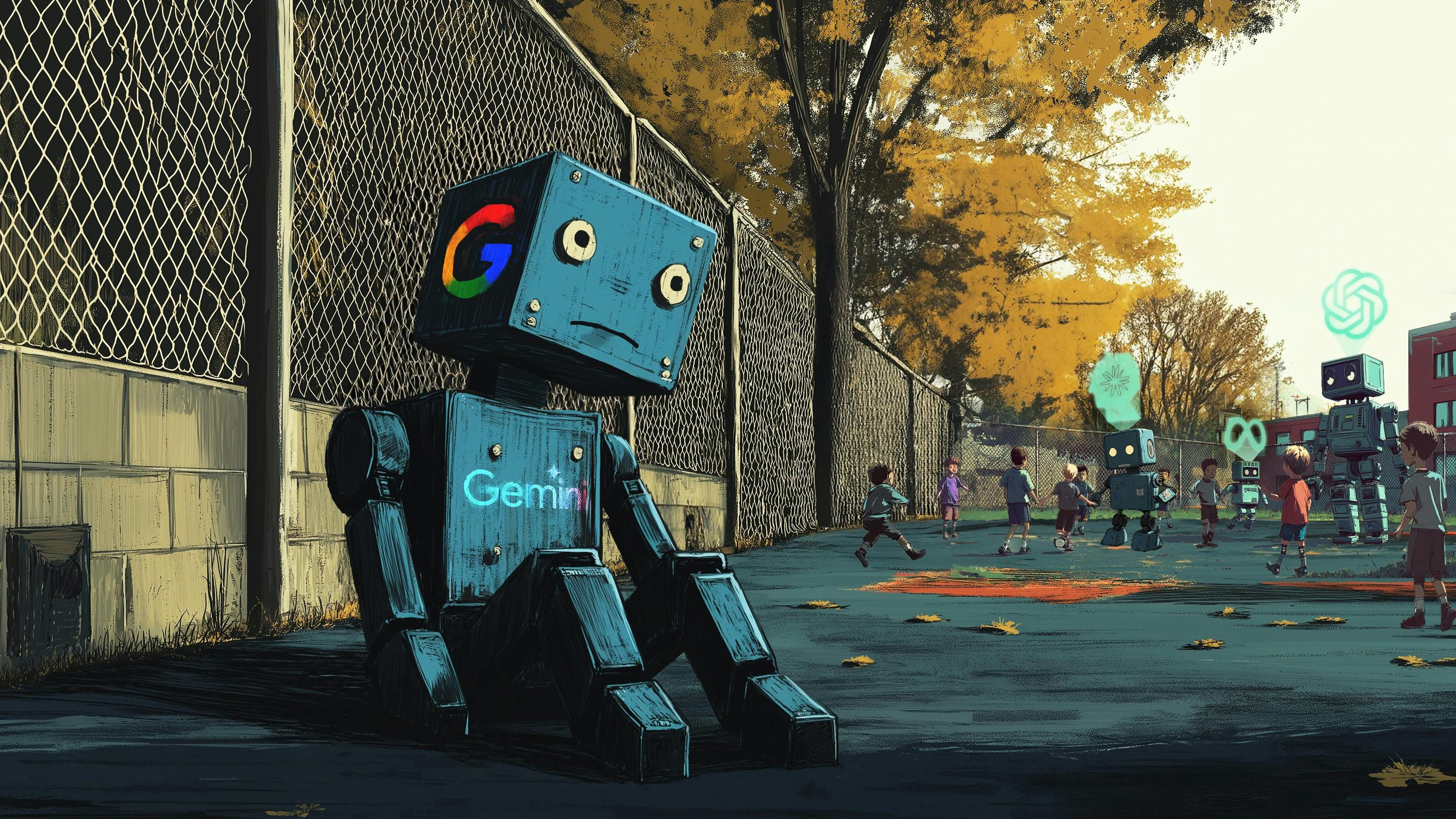
This is notable at this point in the AI Tech Wave, as it supplements Google’s momentum on the consumer side with Gemini via its recent partnership with Apple, with accelerated traction with developers in the enterprise.
“Google Gemini API calls more than doubled to 85 billion by August.”
“Gemini AI model sales boost Google Cloud revenue and related spending.”
“Gemini Enterprise gains 8 million subscribers but receives mixed customer reviews.”
“Google’s improvements to its Gemini AI models are boosting the company’s top line.”
“Over the past year, Google’s business selling access to its Gemini AI models has skyrocketed, reflecting the improving quality of those models, according to three people with knowledge of Gemini’s sales. That’s likely to lift revenue from Google Cloud’s core business of server sales, as money customers spend on AI tends to lead to additional spending on other Google products, according to a person familiar with Google’s sales.”
“And it could also bolster Google’s still-nascent business selling software on top of those models, which has grown quickly in recent months but has garnered mixed reviews from customers.”
Analysts are already looking forward to these anticipated results vs competitors like Amazon AWS and others:
“The improvements are likely to show up in Google’s fourth-quarter earnings, which the company is scheduled to report on Feb. 4. Investors will be looking for signs that Google is making a return on the extraordinary investments it has made over the past year as it competes on AI. Google said last fall that it expected to spend between $91 billion and $93 billion on capital expenditures, including to support its AI business, nearly double the $52.5 billion it spent on capex in 2024. In addition, the company has been hiring specialized talent for Google Cloud and its AI research unit, Google DeepMind (for more on that, see this story).”
“Google sells access to its models through Google Cloud via an application programming interface. Requests sent to the Gemini API, known as API calls, more than doubled from around 35 billion in March, when Gemini 2.5 was first released, to around 85 billion in August, according to internal data reviewed by The Information.”
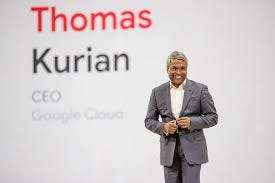
This of course is the continued major opportunity for Google Cloud under its head Thomas Kurian. Competing aggressively against market leader Amazon AWS, and Microsoft Azure.
“The big challenge Google still faces is persuading businesses to pay up for sophisticated software it has developed to run on top of its AI models. That software offers it a way to raise the profit margins on its AI business, according to people who have worked at Google Cloud. The strategy’s centerpiece is Gemini Enterprise, which combines access to Google’s Gemini chatbot with the ability to search across company data as well as a platform for building and using AI agents—AI that can complete more complex tasks.”
“A Google spokesperson said Gemini Enterprise has grown to 8 million subscribers across 1,500 companies, as well as over 1 million subscribers who have signed up online, a sign it is gaining ground. Google is expected to highlight the growth of Gemini Enterprise when it reports earnings in February.”
“We are seeing tremendous momentum throughout our Cloud business, particularly our AI applications,” a Google spokesperson said.”
“Google has always been much more of a builder’s cloud than a ‘buy a product’ cloud,” Margolis said. “You have a customer who could buy Gemini Enterprise or build a bunch of custom agents, and they will probably build a bunch of custom agents. Google makes it so easy to build something like that.”
“Google’s business selling access to its models had a slow start, as its early Gemini models weren’t particularly well received. But after Google released Gemini 2.5 last spring, to enthusiastic reviews from developers, the API sales took off.”
“So many customers, including staff at coding tool startup Cursor, wanted to use the Gemini API after the 2.5 release that Google had to tweak how the model was delivered to make it more efficient. That adjustment freed up enough compute to accommodate the additional usage, according to a separate person with knowledge of the situation.”
“There was another usage surge after Gemini 3 was released in November, also to strongly positive reviews, another of the people said.”
“Google has worked to improve API margins over the past year. Google’s first Gemini models, Gemini 1.0 and Gemini 1.5, had negative profit margins, meaning they cost more to operate than Google charged, due to its heavy discounting, one of the people said.”
“Gemini 2 only sometimes had positive margins. Gemini 2.5 had positive margins, as the improved quality of the models meant Google could compete on quality, not just price, according to the person, but even that only accounted for the cost of serving the tokens itself, not any of the costs that went into model development.”
“As of the middle of last year, Google’s blended Gemini margins—across all models—were barely positive, far below margins on Cloud as a whole, according to another person with direct knowledge of the situation.”
“However, the success of the Gemini API boosted Google’s business beyond just direct API sales. Google calculated that spending on API calls also increased spending on other Google Cloud products like storage or databases, the person said.”
Now, Google Gemini is hitting its stride with businesses large and small, despite previous headwinds:
“Gemini Enterprise”
“Where Google still has work to do is in its software AI application suite, Gemini Enterprise. According to Margolis, the product has received mixed reviews all year from customers.”
However, there’s some light at the end of this long tunnel:
“People are saying, ‘We’re going to give it a shot,’” Mehta said.”
But the bottom line is that Google is making headway with Gemini both with developers in the enterprise, as well as with consumers. And that is a good place to be at this stage of the AI Tech Wave.
Good afternoon… I am on a flight back to Phoenix from New York. I have this long post about degeneracy, crypto, Tik Tok, greed and grift to follow but it...
Good morning everyone, In this episode of Trends with Friends, Michael Parekh, Phil Pearlman, Tom Bruni and I are joined by special guests Chris Temple...