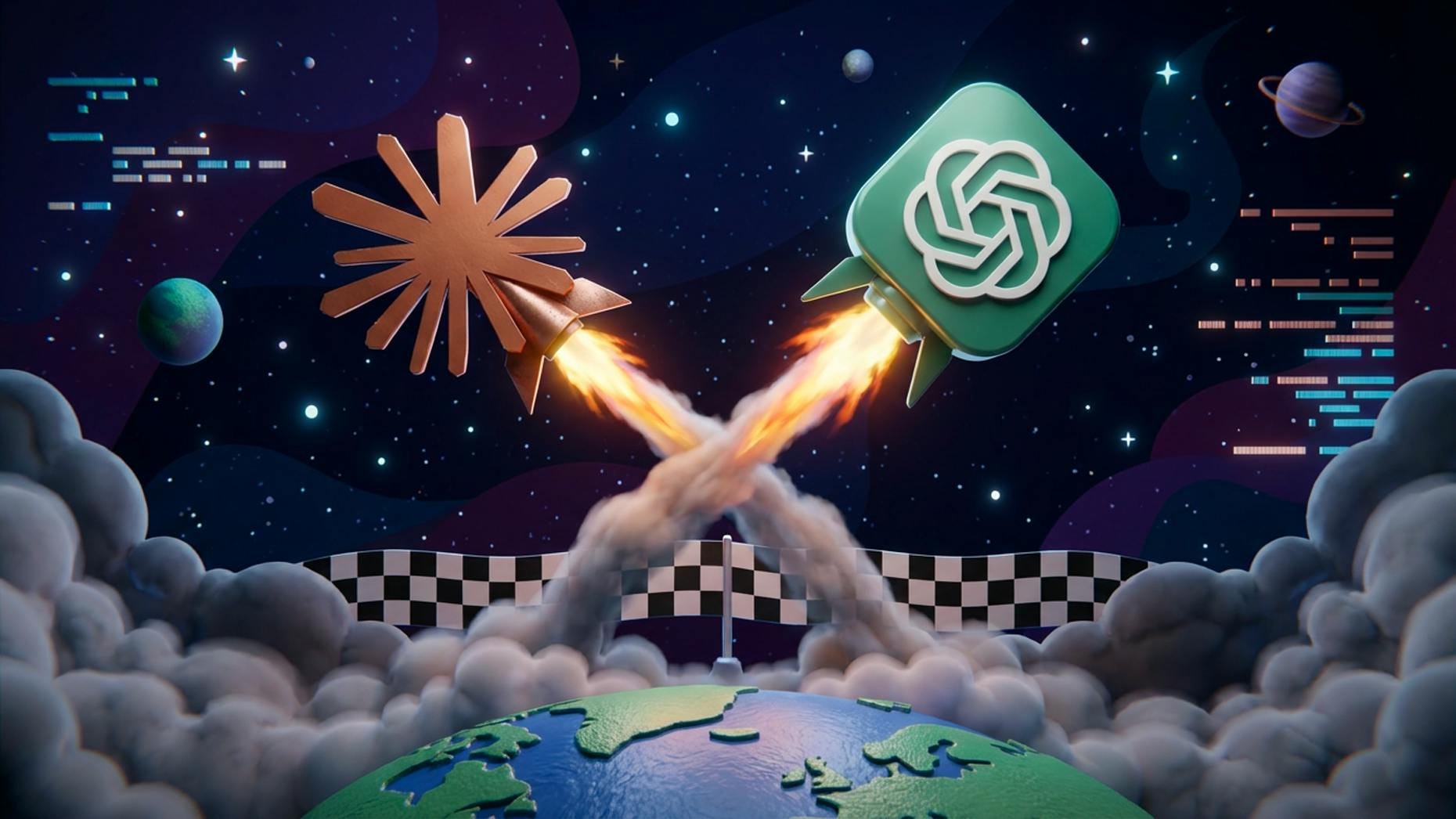
The big tech incumbents are feeling the competitive pressure of the two leading frontier model companies. Especially in the white hot field of AI Coding. Microsoft, Meta, Elon Musk’s SpaceX/xAI/Tesla, and now Google, discussed here today.
That white hot market that has found its enterprise/developer ‘product market fit’ in the tens of billions plus in market size. It’s driving much of the current momentum in the AI Tech Wave this year. Particularly as both race to their own trillion dollar plus mega-AI IPOs in the coming months.
All this as Anthropic’s ‘The Blip 2.0’, as I call it, is now almost two week old, continues. It’s the US government ban on its most feared and desired Mythos/Fable 5 AI models.
Potentially higher, as these companies build more general purpose ‘super AI apps’ over them like Anthropic has done with Claude Cowork, built on top of Claude Code. And what OpenAI is attempting to do with its Codex AI Coding product blended with ChatGPT and other ‘super-app’ capabilities.
And beyond for both of them, before we even get to the Mythos/Fable level of AI models with their ‘super-scale’ 10+ trillion parameter AI models. As compared to a ‘mere’ 1.5-2 trillion parameters for the preceding AI models like Anthropic’s Claude Opus 4.8, or OpenAI’s current GPT 5.5. Soon going to Mythos level presumably with OpenAI 5.6 and beyond.
I go through all this, because the other big tech and AI companies are now perceived to be losing half a lap or more in this race to the state of the art LLM AI models, and their coding variants. And they’re running faster to catch up.
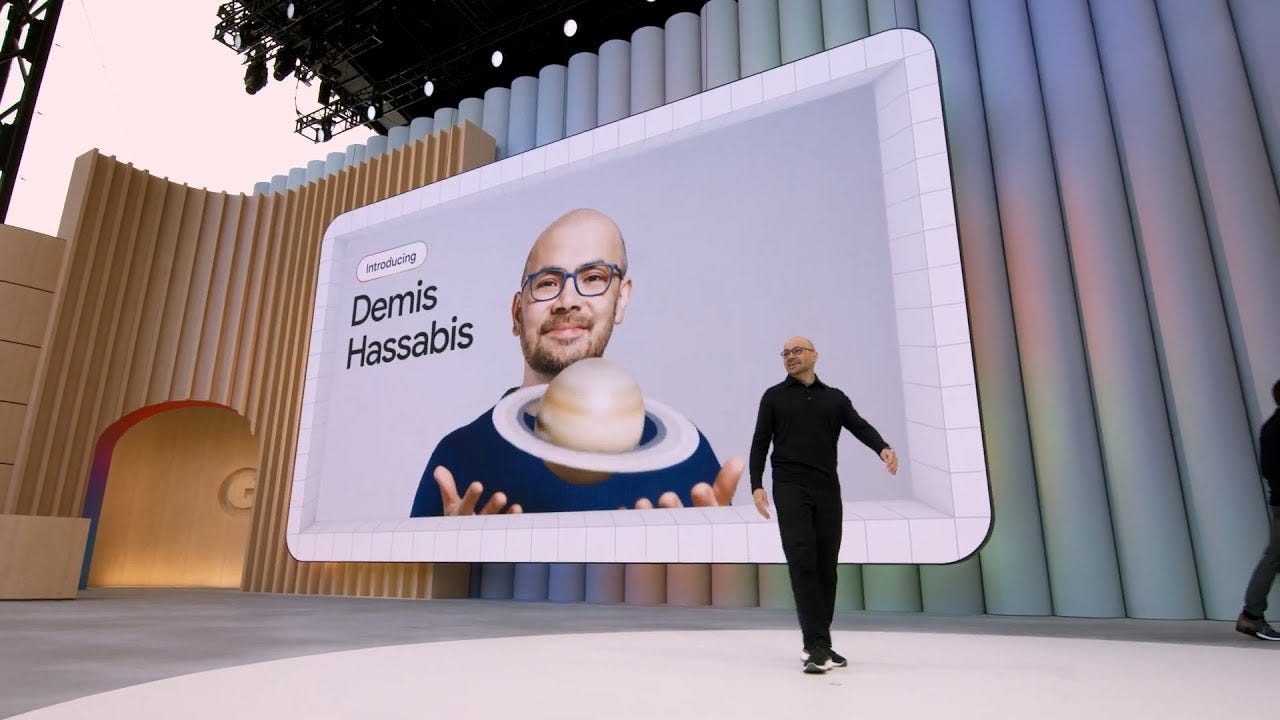
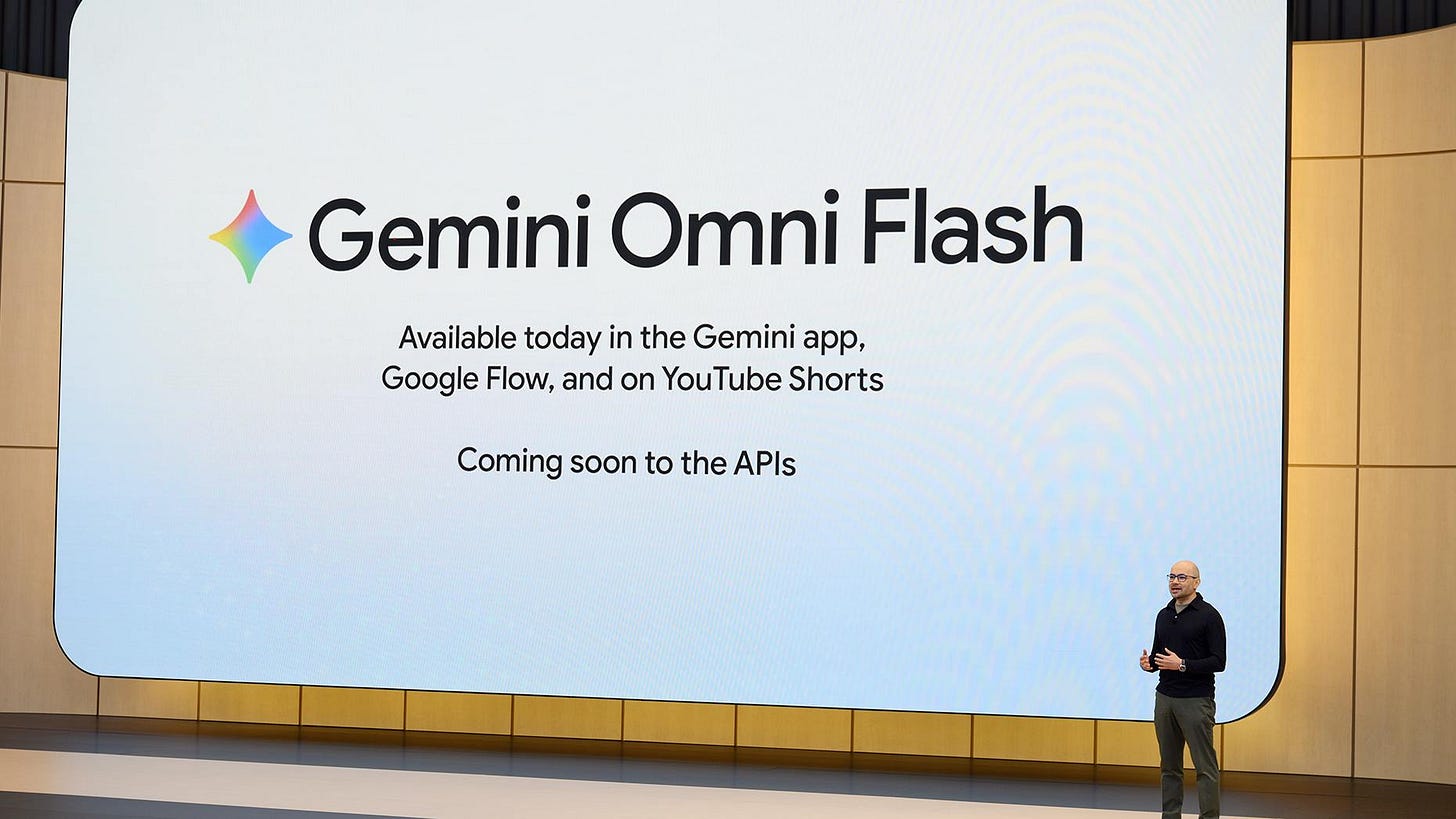
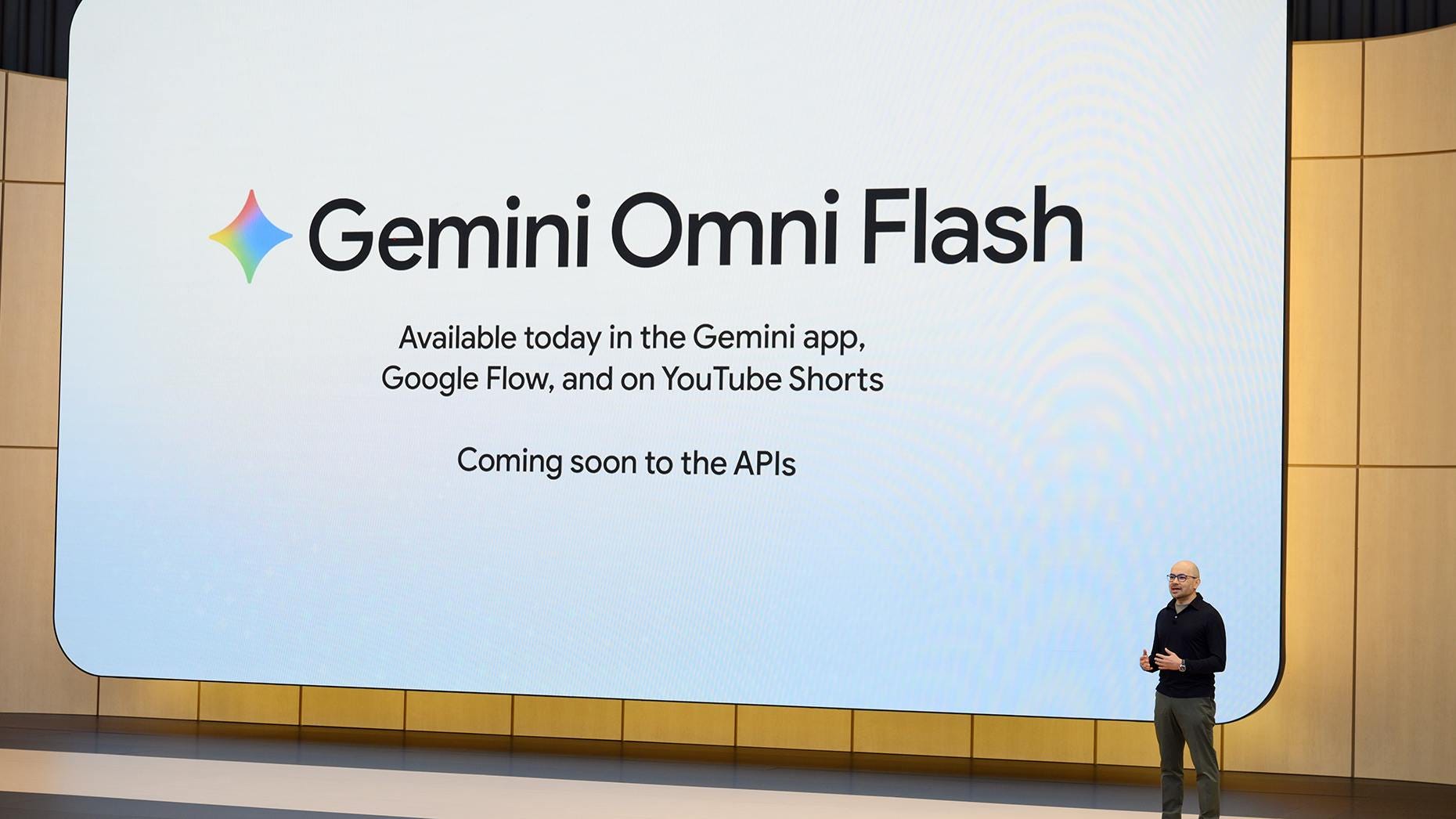
Today, I’d like to discuss Google, with its vaunted Demis Hassabis led DeepMind and Gemini AI assets, who is also fast trying to catch up on AI Coding in particular.
“Google revamps AI coding strike team to catch Anthropic in lucrative market.”
“Revamp comes as key AI researchers Noam Shazeer and John Jumper depart.”
“The changes together show key challenges facing Google in AI compute allocation and coding.”
“Google is reorganizing its recently launched strike team working on AI coding tools to try to catch up with Anthropic in the most lucrative AI applications, according to people familiar with the changes.”
“The goal is for the months-old strike team to change the approach to training Google’s AI models to improve their abilities in both coding and other areas such as creating presentations, the people said. That aligns with efforts by both Anthropic and OpenAI to expand AI coding tools to other business functions. In addition to expanding the scope of the strike team’s work, the changes also formalize the structure of what was originally a short-term group.”
“The revamp coincides with two major executive departures that have fueled concern about Google’s ability to stay at th e forefront of developing and adapting competitive AI models. While Google has broadly been one of the biggest winners of the AI boom, it has struggled with how best to allocate personnel and computing resources to compete with Anthropic and OpenAI.”
“Last week, star researcher Noam Shazeer quit abruptly to join OpenAI, as The Information was first to report. Shazeer and Google didn’t publicly provide a reason at the time, but people familiar with the situation said this week that his departure followed a change in his access to AI servers.”
“Shazeer’s departure was jarring to insiders and outside observers, after Google paid $2.7 billion in a licensing deal less than two years ago to bring him back following his departure in 2021 to found his own startup. A co-author of the 2017 paper on the so-called transformer architecture that has underpinned the current generative AI boom, Shazeer had recently been working on research to find new model architectures beyond transformers.”
“He told colleagues before leaving that the company had merged his compute allocation with that of another team, according to the people familiar with the situation. In an internal message announcing his departure, Koray Kavukcuoglu, chief technology officer of the DeepMind unit that leads Google’s AI efforts, said that Shazeer’s departure had happened quickly, one of the people said.”
The other AI talent shoe to drop at Google was close to DeepMind founder/CEO Demis Hassabis.
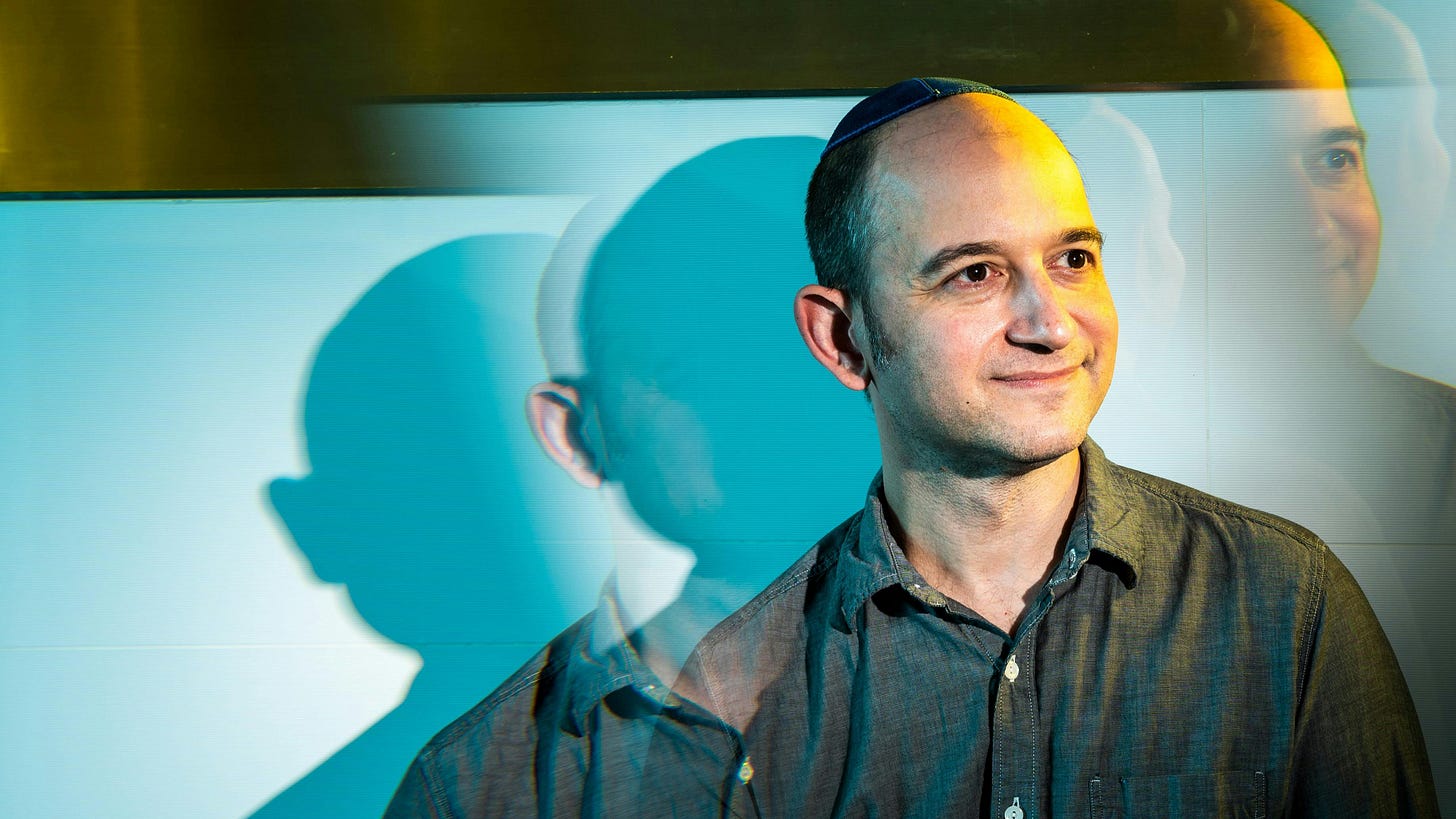
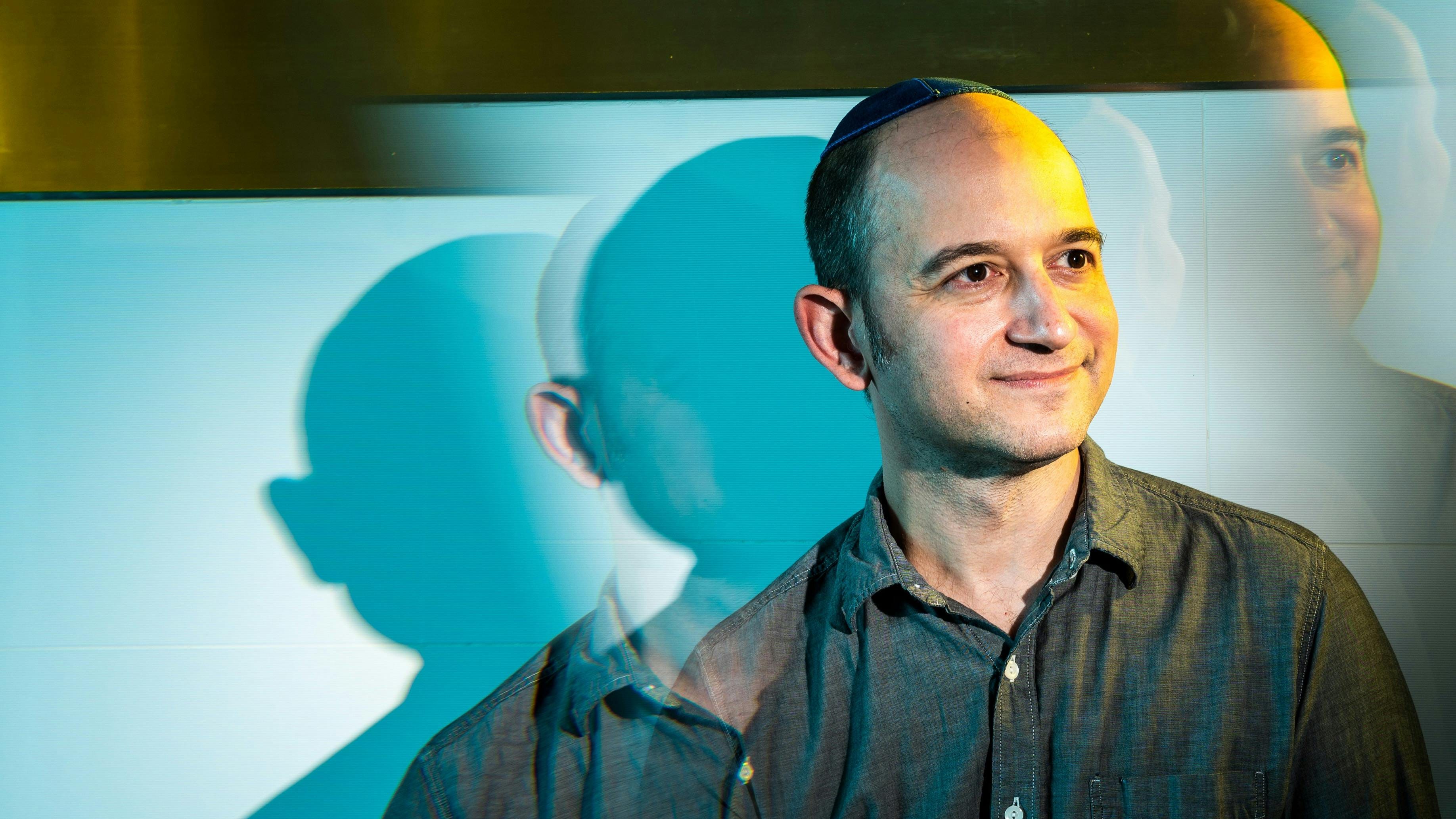
“Then, on Saturday, John Jumper—a DeepMind vice president who was awarded a Nobel Prize along with DeepMind CEO Demis Hassabis for their work on protein structure prediction—announced he was heading to Anthropic. Jumper had recently been moved to the strike team, according to two people familiar with his work.”
These events were likely catalysts to the current changes. And It looks like a fairly concerted effort to morph their approach.
“Google is reorganizing its recently launched strike team working on AI coding tools to try to catch up with Anthropic in the most lucrative AI applications, according to people familiar with the changes.”
“The goal is for the months-old strike team to change the approach to training Google’s AI models to improve their abilities in both coding and other areas such as creating presentations, the people said. That aligns with efforts by both Anthropic and OpenAI to expand AI coding tools to other business functions. In addition to expanding the scope of the strike team’s work, the changes also formalize the structure of what was originally a short-term group.”
The markets of course are watching closely relative to the frontier AI company leaders.
“The two departures shook investor faith in Google, sending the share price of parent company Alphabet down 5% on Monday, its worst day in over a year. The stock has fallen another 1% over the past two days, though it remains up nearly 30% so far in 2026.”
Especially since it’s been fairly recent that the market changes its mind about Google not being an AI laggard and a possible long-term victim. But a possible winner.
“Google since last year has been one of the biggest beneficiaries of investor enthusiasm for AI, thanks to its strength throughout the AI value chain, from homegrown chips to leading frontier models to cloud and ad businesses booming because of AI advances.”
“Those assets have brought their own difficulties, though. Executives have struggled to manage internal tensions over competing demands for compute from an array of outside customers and partners—including Anthropic, a major Google Cloud customer—and internal efforts such as Shazeer’s project and the coding strike team.”
And senior management attention to these compute resource allocation issues, did not lead to the expected results relative to the two leading Frontier AI Labs in particular.
“That coding effort has been important enough that it drew direct involvement from both Kavukcuoglu and Google co-founder Sergey Brin. Coding has been the most lucrative part of the AI services market, and Anthropic’s dominance in the area has propelled it to an annualized revenue rate of $47 billion as of last month, more than three times the level in February.”
“OpenAI has been aggressively building its own coding tool, Codex, and both OpenAI and Anthropic have been expanding their tools to work on other white-collar applications.”
The resources demanded are garguantan, even for a company as deeply resourced as Google.
“The Google changes center on how AI models are trained. The work has broadly been divided into pretraining, or building the models, and post-training to adapt the models for specific uses. Google’s code strike team is now expanding into a midtraining team in between those stages, for training models on more specialized data, according to a person with knowledge of the changes.”
“The midtraining team will take some responsibilities for scaling model capabilities, including coding, that previously belonged to the post-training team, which will now focus on what it’s like for people to interact with the models. The goal is to separate those two areas to speed up capabilities improvement.”
And management is clarifying the new approach, especially to market watchers.
“While we are moving ahead with great speed, this is also a good time to structure the organization to have clear swimlanes and responsibilities,” Kavukcuoglu told employees in the email announcing the reorganization.”
“Coding has emerged as a major weakness in Google’s AI portfolio. It initially focused little on the area, in the belief that having the most capable base AI model would lead to coding abilities, according to a person involved in the effort.”
Then there is the constant issue of making desired changes and upgrades fast enough.
“Some developers criticized Google’s most recent model release, Gemini 3.5 Flash, for overly sycophantic answers and a higher price compared to previous Flash models. And developers met its Antigravity coding tool with mixed reviews after a buggy initial release.”
“The company has yet to release its next flagship model, Gemini 3.5 Pro, which it said at its May developer conference would arrive in June. At that time, it wasn’t expected to surpass Anthropic’s most advanced model, Mythos, according to a person who has tested it.”
All this highlights why developing, maintaining and selling frontier level AI models is one of the hardest set of execution challenges I’ve seen in any technology wave. These struggles by even the top companies like Google, Microsoft and others, highlight this reality in this AI Tech Wave.
And AI Coding is the test market to focus on for all the incumbents competing with Anthropic and OpenAI. It’s not Google and Microsoft. Meta, and Elon Musk’s SpaceX/xAI/Tesla AI endeavors are similarly running hard to catch up. Elon even consummated the largest private tech M&A deal with its $60+ billion acquisition of AI Coding leader Cursor.
The key this time though is that the managements of these companies are not complacent. But are proactively responding and accelerating.
Making it harder for the two up front to get complacent in their current leads.
That is a difference relative to many other earlier tech waves, where there was a higher degree of incumbent complacency.
Not this time at all. The incumbents are wide awake and ready. Stay tuned.
(NOTE: The discussions here are for information purposes only, and not meant as investment advice at any time. Thanks for joining us here)
Bigger Picture, Sunday, October 5, 2025 As you may have noticed in several posts on AI: RTZ this week, the Mag 7 companies are in a race to develop AI...