The current geopolitical dynamics between the US and China are making a lot more AI things possible for Huawei in its home country, the second largest AI market in the world.
In particular, leading US tech companies like Nvidia, Apple, Tesla and others are meaningfully in a worse relative position around the world due to the geopollitical kerfuffles between the US and China.
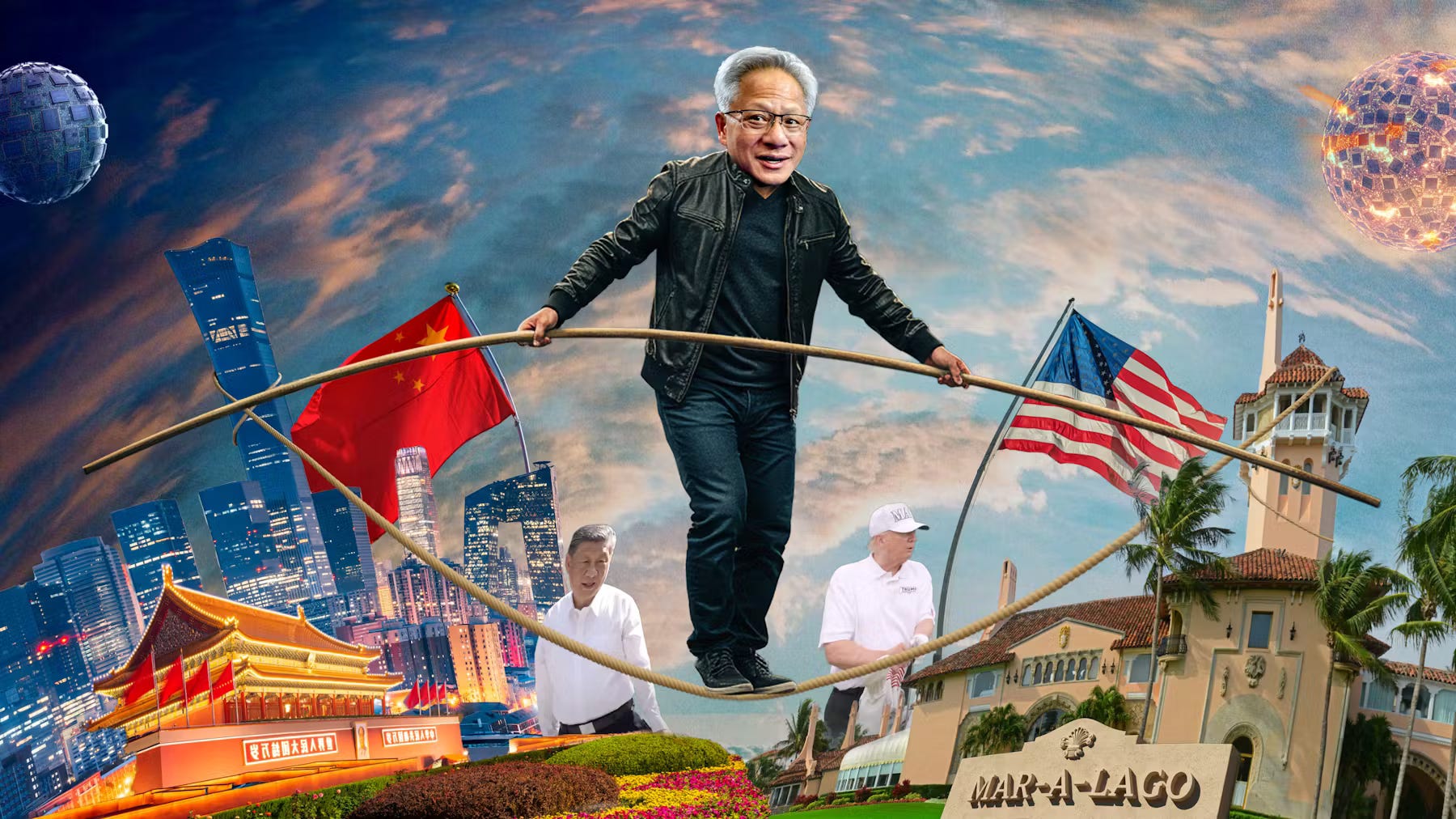
Especially if the two countries don’t figure out a way to ‘thread the needle’ between their differences and navigate a ‘win-win’ scenario for both despite their major differences. Particularly for US investors as I’ve discussed earlier.
“Chinese tech companies place large orders for the Shenzhen-based group’s latest range of AI processors.”
“Huawei is set to capture the largest share of China’s AI chip market this year, with sales jumping by at least 60 per cent amid strong demand from Chinese companies seeking domestic alternatives to Nvidia.”
“China’s tech groups have placed large orders for Huawei’s latest Ascend processor 950PR, according to two people with knowledge of the matter, as the Shenzhen-based company races to make inroads into a sector long dominated by the $5.1tn US chip group. Huawei expects revenues from its AI chips to reach about $12bn this year based on orders it has already received, up from $7.5bn in 2025.”
“The majority of orders this year are for 950PR, which entered mass production in March. It also plans to launch an upgraded version of 950DT in the fourth quarter, the people said.”
This is the set of AI chips that would directly compete with Nvidia’s Blackwell and the currently ramping Vera Rubin AI GPU chip architectures.
While these remain technically ahead in power and efficiency vs Huawei’s wares, the difference becomes academic if China’s tech companies are forced to single source locally from Huawei.
“The Chinese tech group has aggressively expanded its chipmaking capabilities as Nvidia continues to face regulatory barriers in Washington and Beijing. While Nvidia chief Jensen Huang said in March the company had finally received US licences to sell its H200 chips to China, no shipments have yet been made due to regulatory issues, according to two people with knowledge of the matter.”
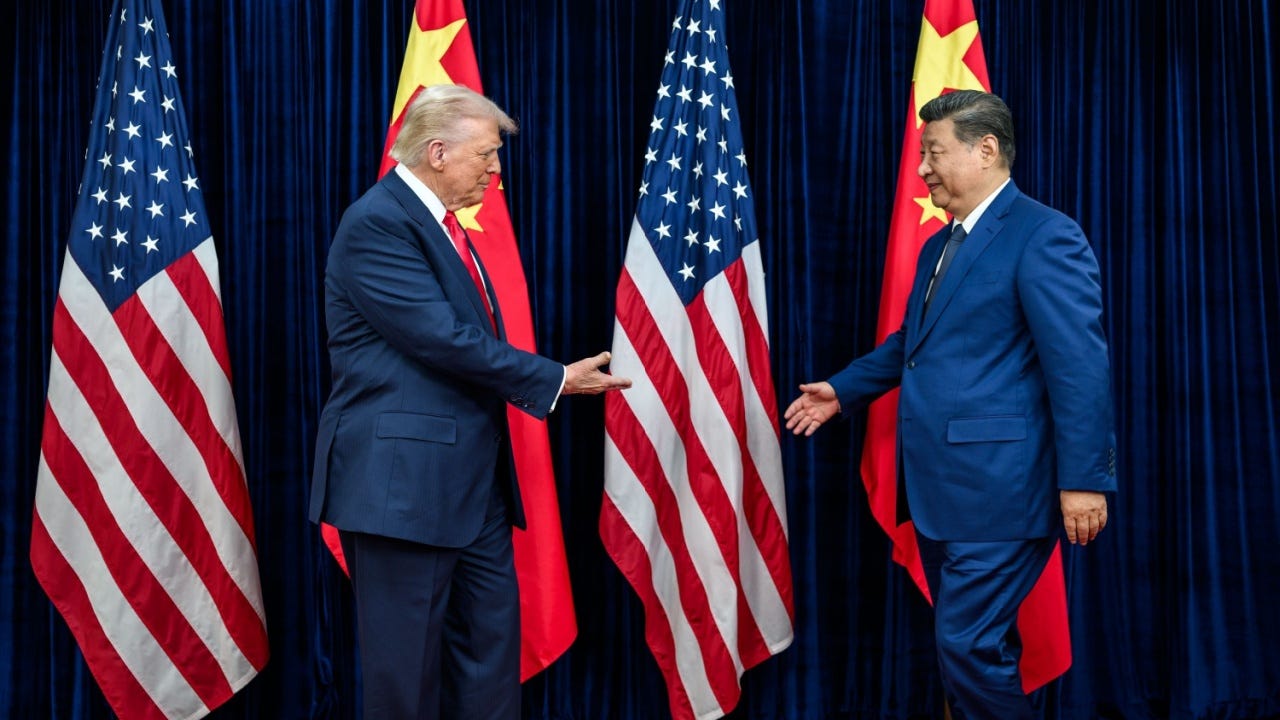
And President Xi’s government is leaning into local chips, especially ahead of the big trade talks this month with President Trump in Asia.
“Beijing has told Chinese tech companies to support domestic producers and limit their use of Nvidia chips to overseas, one of the people said. Meanwhile US regulators require that all Nvidia chips ordered by Chinese clients only be used in China, according to the person. This has led to no customs clearance for H200 in China, which is required for shipments.”
“Huawei’s AI chip revenue forecast could rise if its production ramp-up exceeds projections, the people said. The Chinese tech group manufactures most of its AI chips with Semiconductor Manufacturing International Corporation (SMIC), China’s leading fab. Later this year two additional fabrication plants dedicated to its needs are scheduled to launch.”
Again, the gap for now is wide between the two classes of chips here and there.
“While Huawei’s latest chips still lag Nvidia’s most advanced products by at least two generations, the Chinese company has steadily improved the performance and efficiency of its AI chips. The Chinese tech group has positioned its latest 950PR processors as the hardware of choice for domestic companies running “inference”, the computation LLMs use to generate responses.”
In particular, the current bet is on AI inference demand mitigating the ongoing demand for AI training. Nvidia’s chips have historically been advantaged on the latter vs the former.
“Huawei is betting that inference, which is technically less challenging than model training, will be a bigger future source of demand as AI applications such as agents become more widespread. The tech group is also leveraging its networking capability to build powerful computing clusters, offsetting weaker single-chip performance.”
DeepSeek, China’s iconic AI software company, which just released its latest technically clever, fully open sourced V4 LLM AI models, is having to use the Huawei chips despite their need for Nvidia architecture going forward.
“Earlier this month DeepSeek said it worked with Huawei’s 950PR for its latest V4 model, which features improved inference efficiency at reduced costs. But the majority of V4’s training was still done on Nvidia’s chips, according to people familiar with the matter. “The day that DeepSeek comes out on Huawei first, that is a horrible outcome for our nation,” Nvidia’s Huang said in a recent interview with podcaster Dwarkesh Patel.”
“It could lead to a scenario where “AI models around the world are developed and they run best on non-American hardware”, he added. A key challenge for Nvidia’s Chinese competitors has been building a software system to rival the US chipmaker’s Cuda, which remains dominant globally.”
Nvidia founder/CEO Jensen Huang has continually highlighted the advantage that his company’s multi-decade investment in open source CUDA software infrastructure for its hardware globally, could be undermined if Huawei and other companies in China ‘roll their own’ software frameworks for these new class of AI chips.
“Huawei’s Cann, started a decade after Cuda, has drawn complaints for being difficult to use, which greatly increases clients’ operating costs. While improvements are being made, its disadvantage compared to Nvidia’s Cuda remains significant, developers say.”
Again the overall markets are big enough to matter, and getting bigger fast.
“Morgan Stanley forecasts China’s AI chip market will reach $67bn in 2030, with 86 per cent expected to be supplied by Chinese players. It estimates the market to be about $21bn this year from domestic suppliers.”
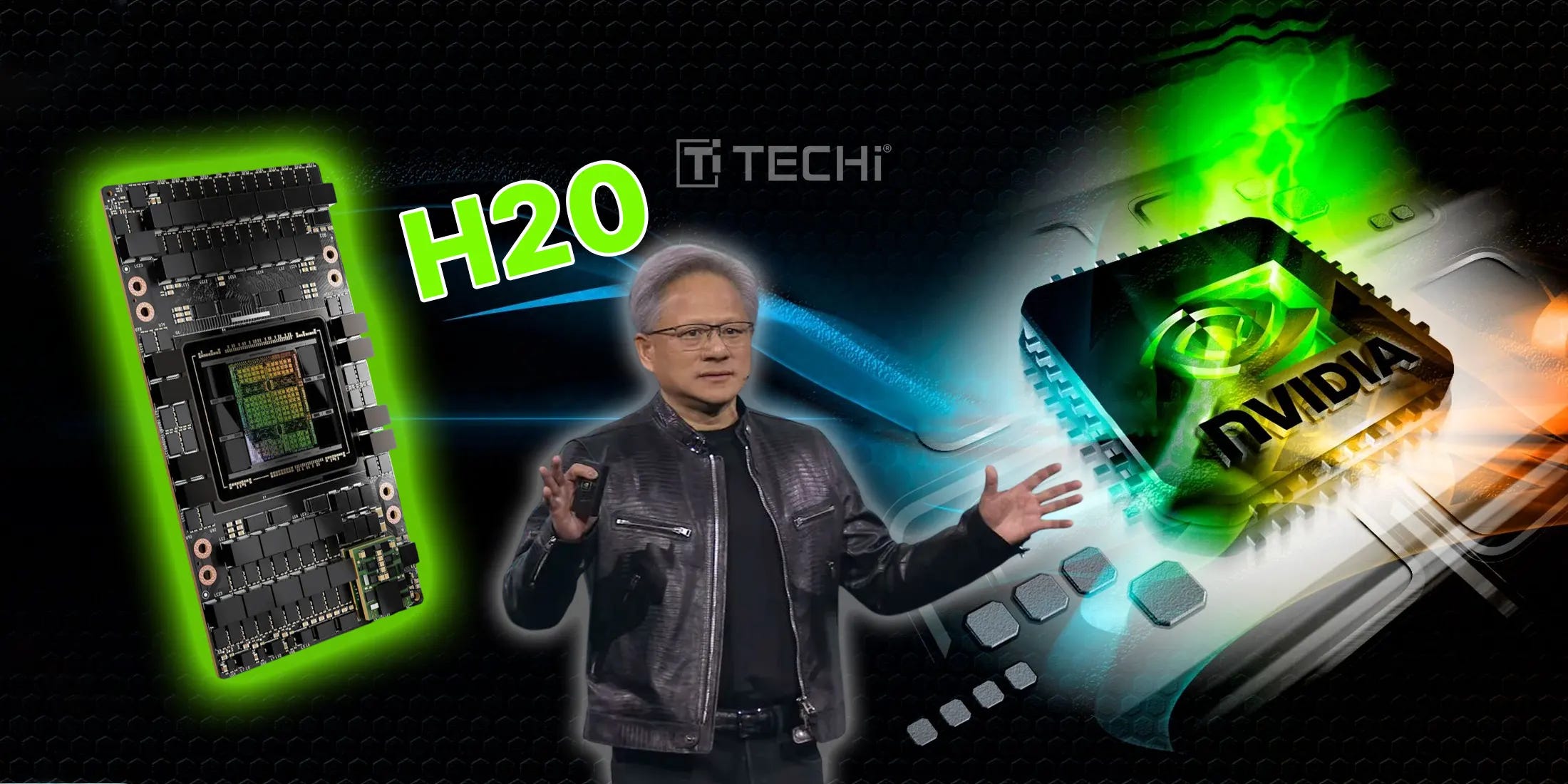
“China’s AI chip sector was previously dominated by Nvidia, which sold $17.1bn in fiscal year 2025, mostly from H20, a watered-down product tailored for China to meet US export controls. Since the US banned the sales of the H20 to China a year ago, Nvidia has struggled to re-enter the market with another AI chip that would satisfy both US and Chinese regulators’ concerns.”
All this is worth keeping in mind as this AI Tech Wave continues its own frenetic growth in the US and markets outside of China.
But what happens in China is of meaningful significance for US and its tech companies, more than is currently being appreciated. Stay tuned.
(NOTE: The discussions here are for information purposes only, and not meant as investment advice at any time. Thanks for joining us here)
Today’s Talk Your Book is presented by Invesco QQQ:On today’s show, we are joined by Ryan McCormack, Factor and Core Equity Strategist and Paul Schroeder,...