AI: Looking beyond Space & AI Races. AI-RTZ #1138

The Bigger Picture, Sunday, July 5, 2026
This weekend, the United States of America turned 250. I’ve been waiting for this a long time.
As a first-generation American — since I landed in Auburn Alabama as a 17-year-old in 1977 — I want to step back this Sunday and offer a Bigger Picture that’s been on my mind for a while through this AI Tech Wave.
It connects the ‘Us vs Them’ Enterprise AI wars I covered in Friday’s ARD 111, the US/China AI race dominating our headlines — and a golden record flying through interstellar space.
It’s remarkable how it all ties together.
The year I arrived, US & NASA mailed the cosmos a mixtape
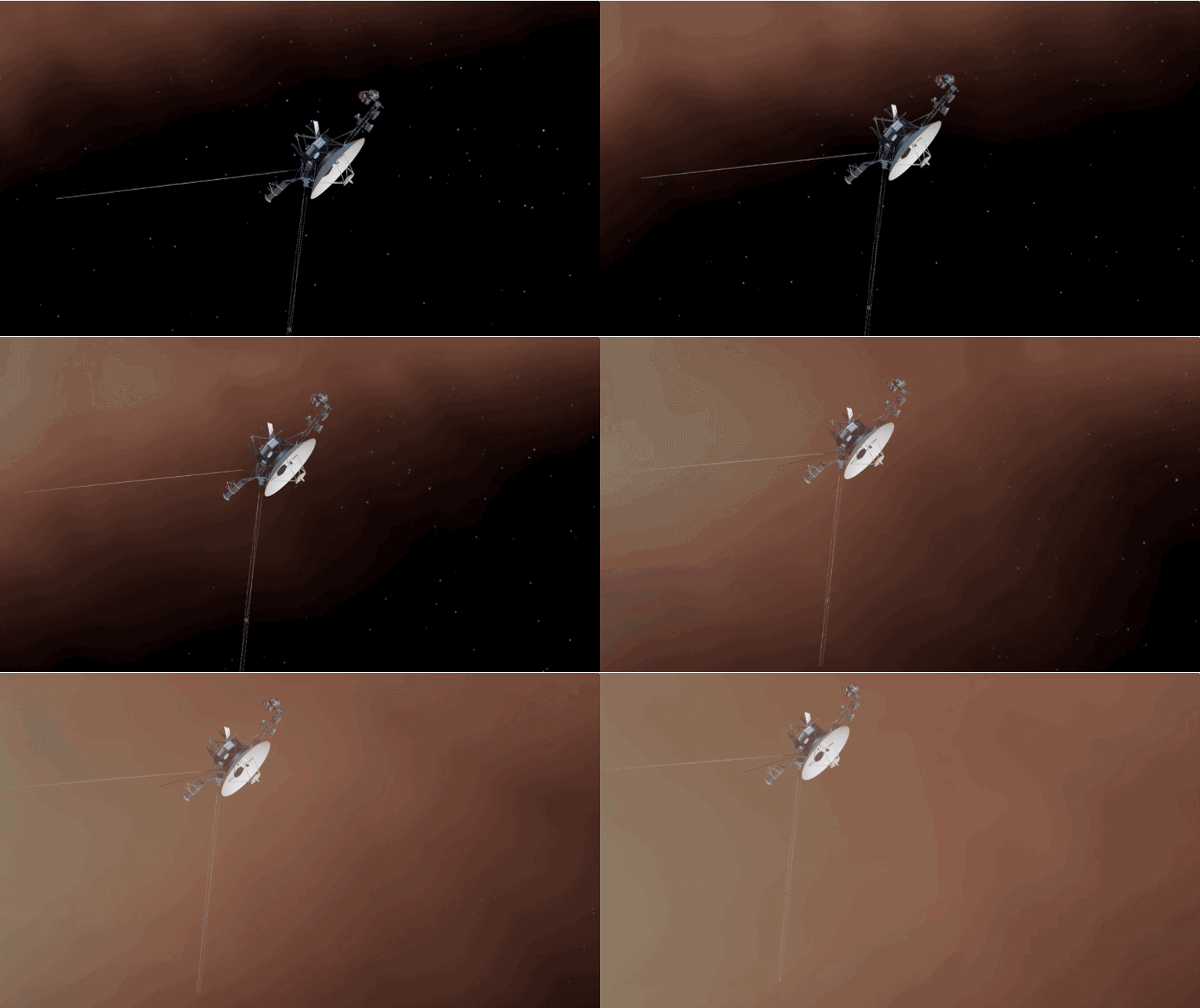
1977 — the year I landed in America , in the wonderfully warm campus at Auburn University in Alabama — the United States launched not one but two interplanetary probes, Voyager 1 and 2. They are now the farthest human-made objects in existence — over 15 billion and 13 billion miles away, past the edge of our solar system, on their way through the cosmos for hundreds of thousands, even millions of years.
Each carries a Golden Record — curated by a committee chaired by the great Carl Sagan — the sounds, music, greetings and images of Earth.
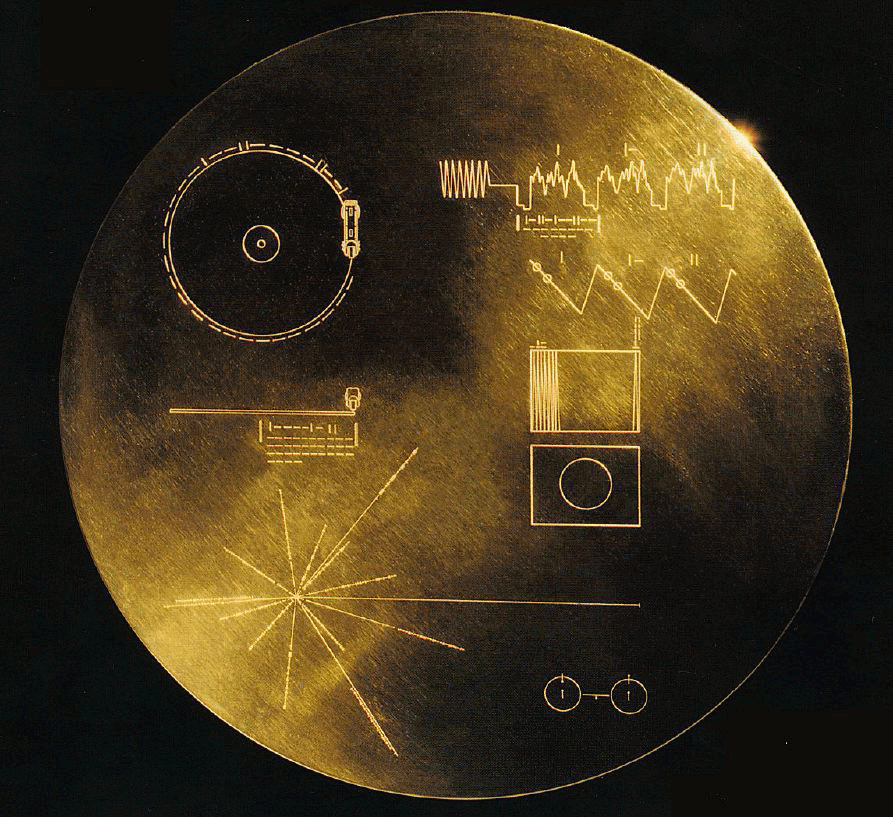
A note in a bottle documenting who sent it: humans, more united than they think, from a small blue planet. (I’ve kept a copy of the Golden Record for years — I showed it on Friday’s show. Sagan has been a north star of mine for decades.)
Those probes were launched by a country and ‘melting pot’ culture punching far above its chronological age — a people inspired about what’s possible out there by their tales of Star Trek, Star Wars, I, Robot and so many more. Dreaming of a Federation of Planets while striving — imperfectly, tumultuously, continuously — to build a better federation of states, nations and peoples here on Earth. A work in progress indeed. And here’s the technical marvel that should humble every AI-era engineer: the Voyagers navigate the interstellar dark with less computing power than the key fob in your pocket.
The ‘race’ everyone remembers. The partnership everyone forgets.
Now the part of the story that’s gone fuzzy for most of the 8 billion of us.
The US/USSR Space Race — ignited by Sputnik in 1957 — was the defining ‘Us vs Them’ campaign of the 20th century. Duck-and-cover drills. Missile gaps. A Moon race run at existential pitch, until the 12th American walked last on the Moon in 1972. Over 50 years ago.
And then something happened that almost nobody talks about: the race ended in a handshake. In 1975 — just three years after the last moonwalk — an Apollo capsule docked with a Soyuz capsule, and American astronauts and Soviet cosmonauts shook hands in orbit.
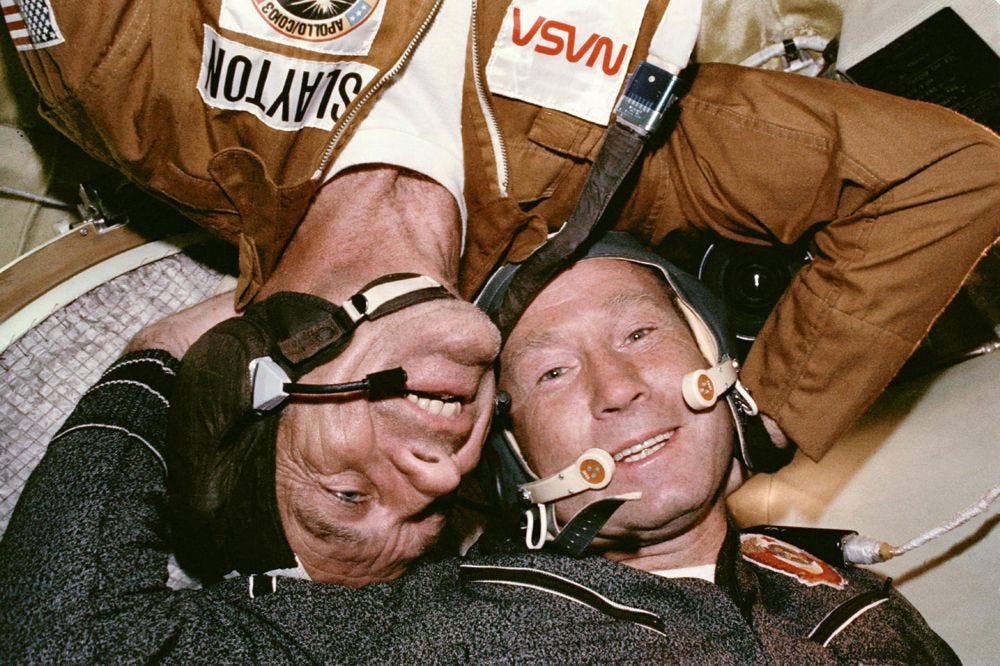
What followed was five decades of partnership: the Shuttle-Mir program in the 1990s, and the International Space Station — where Americans and Russians have lived and worked together continuously for over 25 years. Through sanctions, expulsions, wars and every geopolitical hiccup of the last half-century, the two ‘mortal rivals’ kept flying together. American astronauts rode Russian Soyuz capsules to orbit for a decade when the US had no ride of its own.
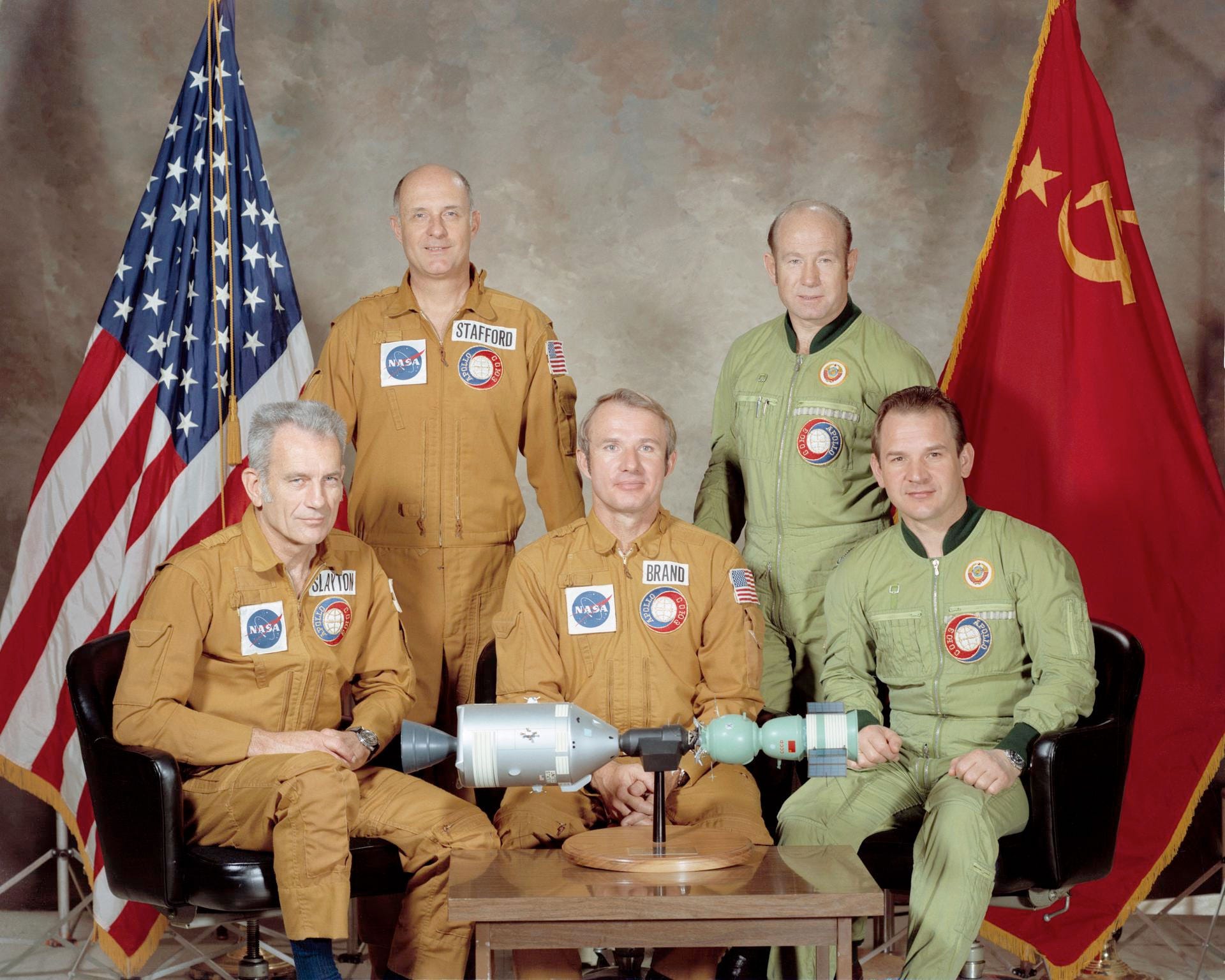
The ‘Us vs Them’ narrative did its job so well that we remember the race — and forgot the partnership.
Why this matters for the AI race
I spent Friday’s show on the ‘Us vs Them’ campaigns erupting in Enterprise AI — Microsoft and Palantir defining frontier labs as ‘the Other,’ with rhetoric reaching for Karl Marx. And the biggest ‘Us vs Them’ of all hangs over everything: the US/China AI race, with its export controls, model gatings, and escalating narratives on both sides — what I’ve called both countries strapping kryptonite trinkets to their own ambitions.
‘Us vs Them’ is the oldest coalition-building tool humanity has — it organized city-states, religions and Cold War blocs for thousands of years before it organized software markets. It’s real, it’s powerful, and in the early stakes-setting phase of every tech wave, it’s profitable. But the space race teaches the longer lesson: the race is the headline; the cooperation is the history. The competition that terrified a generation produced, within three years of its finish line, the most durable peaceful partnership two adversaries have ever run — 250 miles overhead, every single day, for over 50 years.
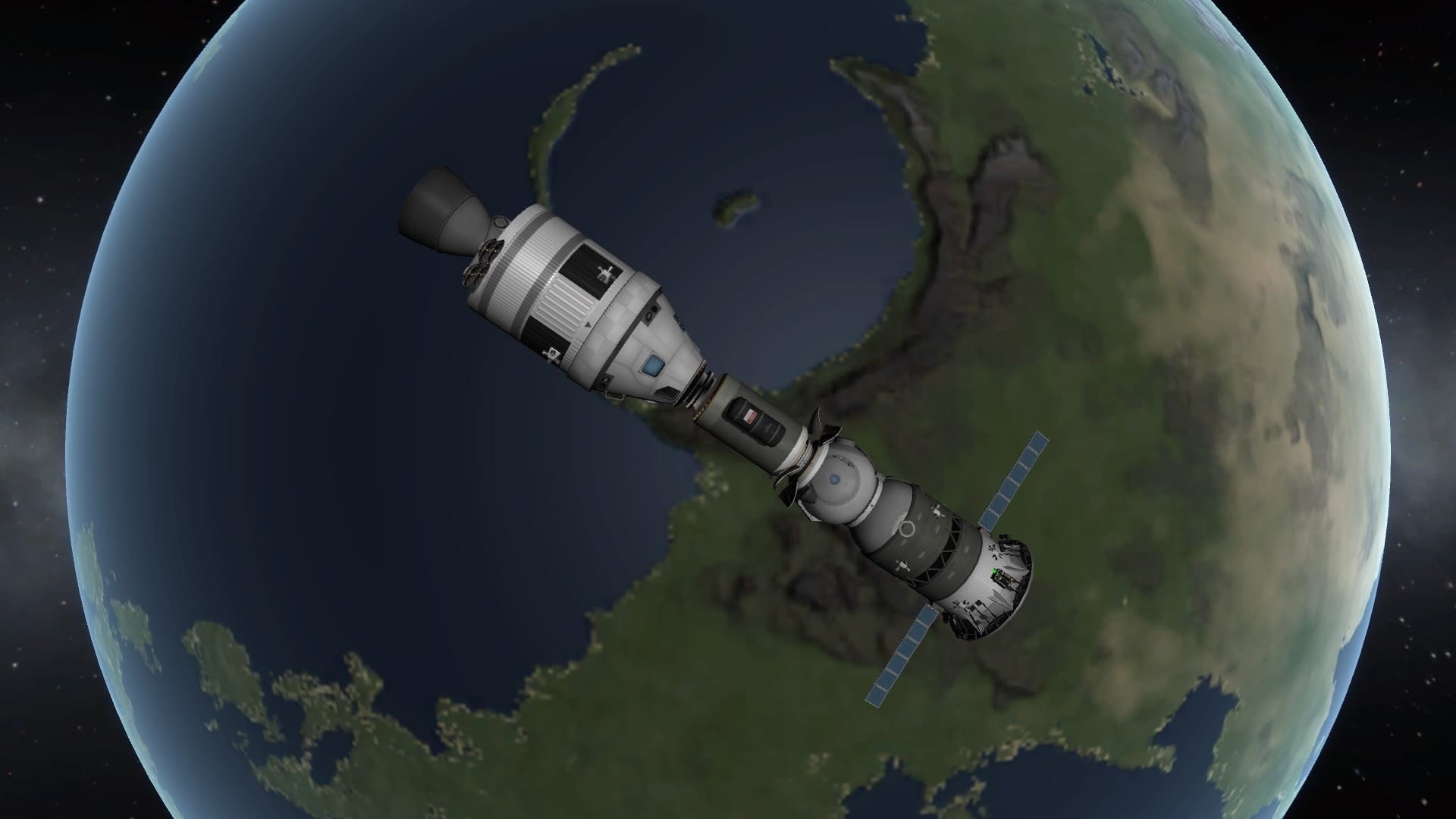
I’m not naive about the differences — AI is a dual-use technology in ways space station modules are not, and the cybersecurity concerns behind ‘The Blip 2.0’ are genuine. But when I watch today’s AI headlines — the races, the gatings, the trillion-dollar ‘Us vs Them’ campaigns — I think back to the almost forgotten Apollo-Soyuz handshake. We’ve been more together than our memories admit.
It influences our language, thoughts and actions in the technology competitions of today. We can re-frame it all together. With more mutual respect than fears.
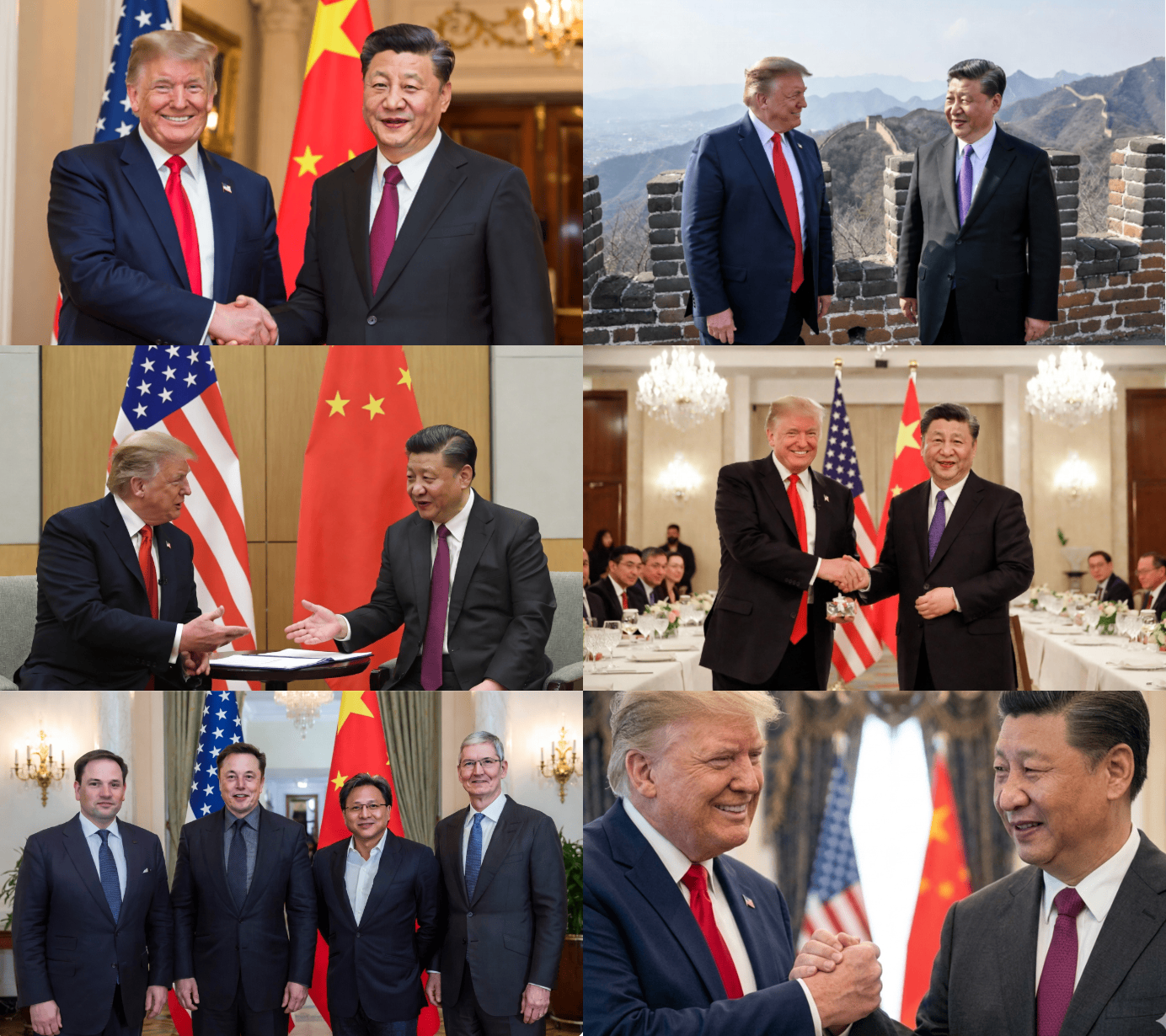
A Xi-Trump September meeting coming up at the White House, joint AI-safety tracks, research communities that already span both countries — the raw material is there, just as it was in 1975.
Fifty years ahead in AI could be very positively different than currently imagined.
The Even Bigger Picture
Americans, too, have historically been more united than it has seemed at almost every point in this country’s extraordinary, tumultuous 250 years.
I’ve seen it up close since 1977 — through the lows and the highs, with far more in common than shows on the surface.
So that’s what I’m celebrating this weekend, in this fourth year since ChatGPT moment, and second year since the DeepSeek one.
In this AI Tech Wave we’re ALL in together, globally: a 250-year-old work in progress that mailed the cosmos a golden mixtape, raced its perceived and feared rival to the Moon — and then flew with them together for over fifty years.
A few hundred miles above eight billion human heads.
And 350+ million American heads.
That’s my Bigger Picture today. At this point in the AI Tech Wave.
Happy 250th Birthday, USA.
And here’s to remembering the handshakes, not just the races.
Want to wish you all a very happy 4th of July celebration and weekend. Stay tuned.
(P.S.: Here’s a youtube video version of this Essay that’s useful to consume and share: )
(NOTE: The discussions here are for information purposes only, and not meant as investment advice at any time. Thanks for joining us here.)