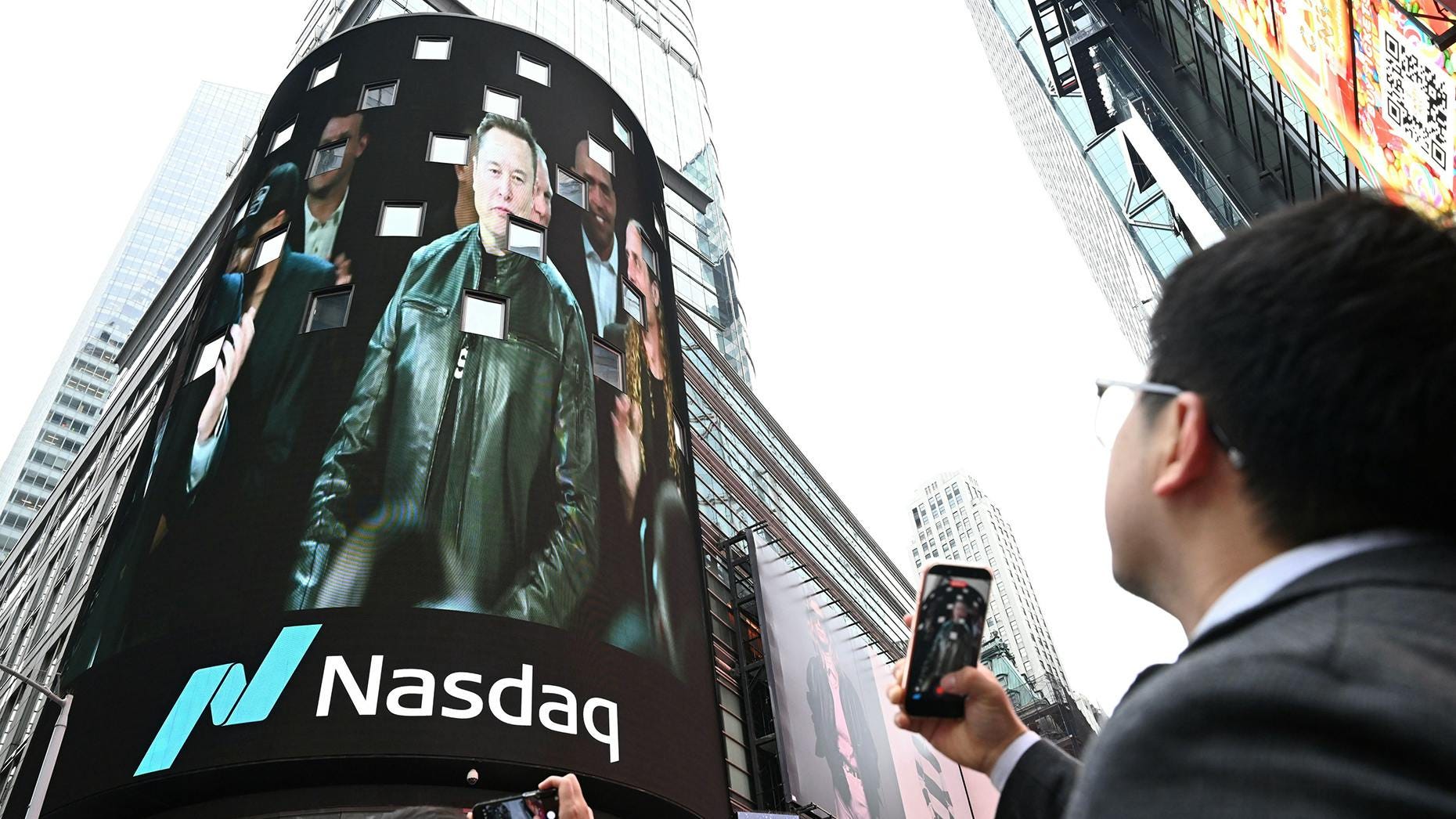
And the clock for their imminent launch. Given Elon’s relatively flawless execution of his IPO on a tight schedule, the discussion of course turns to the logistics of the timing for the other two.
“SpaceX’s rapid 74-day IPO sets a new benchmark for tech listings.”
“SEC’s faster review process enabled SpaceX’s quick public offering.”
“OpenAI and Anthropic could follow SpaceX’s accelerated IPO timeline.”
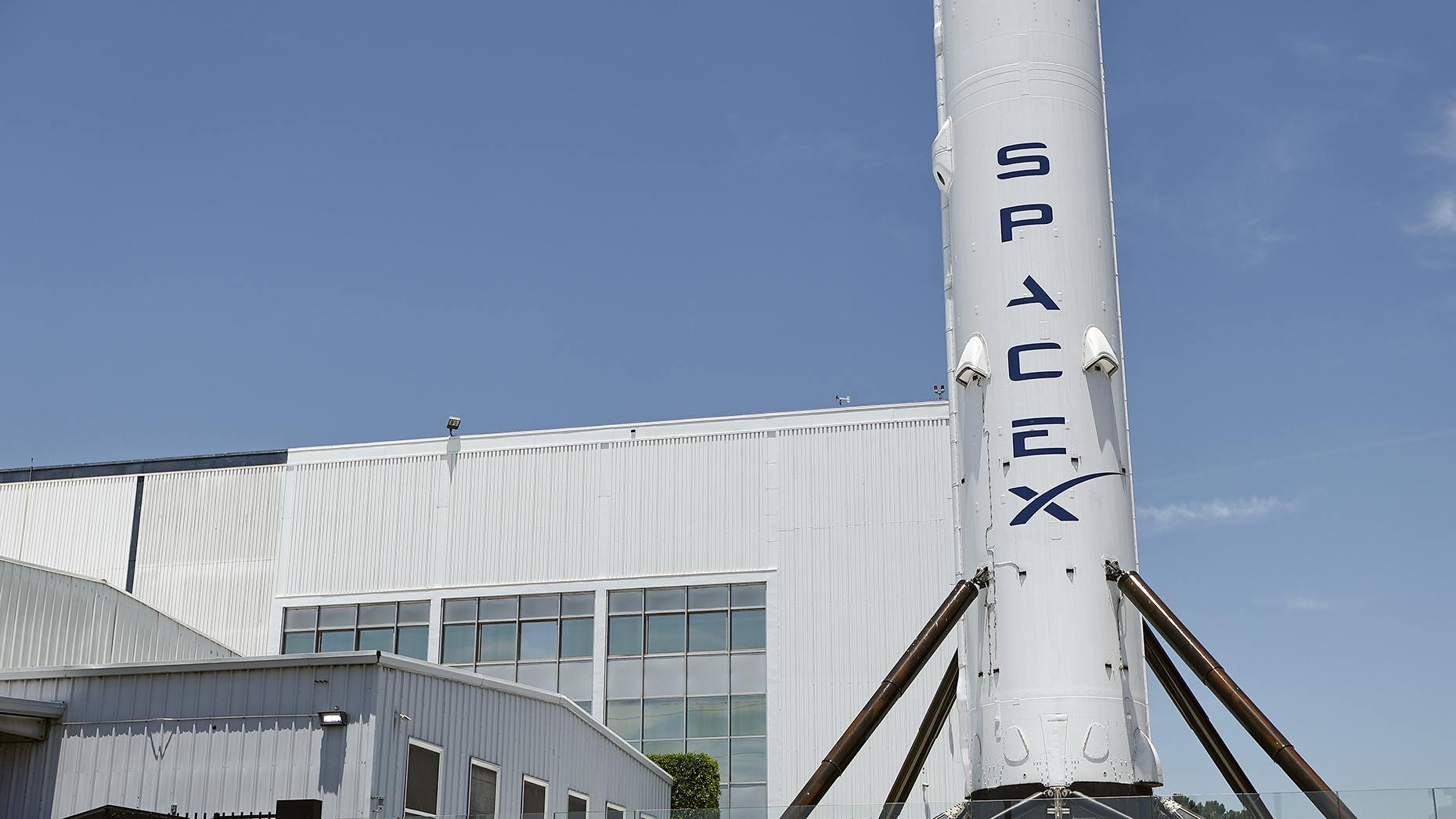
“SpaceX’s strong first week of trading made one thing clear: Racing through its IPO at warp speed cost it nothing. The company went from initial confidential filing to listing in just 74 days, much faster than other tech IPOs in recent years, including those of CoreWeave, Figma and Airbnb, an analysis of securities filings shows.”
The current regulatory environment makes a difference relative to prior IPOs.
“Initial public offering lawyers and consultants say the speed reflects a more hands-off approach adopted by the Securities and Exchange Commission, which has to review and approve IPO filings before they are made public, in the Trump administration. Heavy demand for the offering also helped the company avoid a prolonged schedule of investor meetings.”
And sets the clock for the other two.
“The timeline provides a baseline for OpenAI and Anthropic, which both said earlier this month they had confidentially filed their IPO prospectuses. Assuming the SEC moves as quickly, they should be able to make their prospectuses public by mid to late July. It typically takes roughly three weeks after an IPO prospectus is made public for the IPO to happen.”
“That suggests a mid-August timeframe for both companies is possible, although they would likely push back those processes slightly to avoid investors’ August vacations.”
So Fall at the earliest is the more likely timeframe.
“A fast IPO process is particularly important for companies raising large sums of money because otherwise large public investors could decide to put cash they have freed up elsewhere. “You have investors with billions of dollars sitting in a cash account ready to deploy in your IPO,” said Julian Perlmutter, a capital markets lawyer who consults for companies going public. “You want to deliver the deal for them when they’re ready.”
“There’s another advantage, too. “The more time elapses, the more time that people who are skeptical [have to] poke holes in the story,” he added.”
It’s a race of narratives against the usual gautlet of market risks.
“Companies going public face two primary legs of their IPO journey. First, there’s the period between filing the draft registration statement and making it public. This period usually involves multiple rounds of back-and-forth discussions between the company and SEC staff over disclosures like corporate risks, nontraditional accounting measures and facts that veer into marketing language.”
SpaceX ran the gauntlet at its own record speed.
“This period took just 51 days for SpaceX, filings show. That’s much faster than big tech IPOs of yesteryear, like those of Snowflake, Airbnb and Snap, which took between 70 and 95 days. Two of last year’s big IPOs, Figma’s and CoreWeave’s, each took 77 days. Only electric vehicle maker Rivian, which pulled off a massive IPO in 2021, got through SEC review faster—but it had no revenue at the time, simplifying its business description.”
“Then there’s the time between the public reveal of the prospectus and the IPO, which includes a mandatory waiting period and then a week or so of road show meetings with big investors. SpaceX got through this stage in just 23 days, which was the fastest among large tech IPOs in recent years.”
“Altogether, the IPO process from draft filing to listing day usually takes 117 days, according to Latham & Watkins, a law firm that runs many big tech IPOs. SpaceX shaved about 37% off that time.”
“Mike Blankenship, co-chair of capital markets at law firm Winston Taylor, said he wasn’t surprised at the speed of the SpaceX listing because “this administration has been moving a lot more quickly as it relates to [SEC] comments.”
“The difference between this SEC and previous ones is this one really wants more capital formation, so they’re not drilling down on certain disclosures,” he said. “They want these bigger-name companies out there, listed.”
“It’s not clear yet exactly what issues SEC staff pressed SpaceX on. Those letters take about a month after an IPO to be released publicly through the financial regulator’s website.”
“But in other times there could have been plenty to slow down the proceedings. The company acquired Elon Musk’s xAI in February, turning SpaceX from a profitable business into a deeply unprofitable one.”
And Elon/SpaceX surprised their bankers and others on some record transactions done in the interim, like the $60+ billion acquisition of AI Coding firm Cursor, the largest such M&A tech deal to date.
“Three weeks after it confidentially filed to go public, SpaceX secured an options agreement to buy AI coding startup Cursor for $60 billion. (The two sides officially agreed on the deal last week, just days after SpaceX’s listing.) And in the middle of the IPO road show, SpaceX struck two multibillion-dollar cloud computing deals with customers, Anthropic and Google.”
“The company also had a heavy debt load, extensive related-party transactions and a heavily Musk-tilted corporate governance structure—features that would typically invite more scrutiny from investors and regulators.”
“The speed from filing to listing paid off for SpaceX, which raised the $75 billion with ease, at the price it wanted. It has since traded up 37%, briefly surpassing the market cap of Amazon (albeit with a relatively small supply of shares available for sale, inflating its value).”
Which brings to mind other historical comparisons.
“The current speed reminded Blankenship, the IPO attorney, of another period. “Dot-com stuff 25 years ago, those IPOs were moving fast too,” he said. The accounting scandals from that period led to major financial regulation: the Sarbanes-Oxley Act of 2002, which held executives and boards more accountable for the financial statements they file.”
The whole piece is worth a read, especially for the relative timing chart of the various tech IPOs from filing to listing.
To match and beat Elon’s execution on that metric would mean both Anthropic and OpenAI to be listed before the Fall.
But then, everything this AI Tech Wave runs on different clock speeds than prior tech waves. Stay tuned.
(NOTE: The discussions here are for information purposes only, and not meant as investment advice at any time. Thanks for joining us here)
Google knocked it out of the park. As I posited they could do two years ago. They got all their wood behind the AI Arrow, aimed, and hit the target....
As a reminder, MarketSurge (by Investor’s Business Daily) is now a sponsor of the weekly show. All the charts you have been seeing in the videos and...