Mere weeks after China’s DeepSeek electrified the AI World early last year with its open source LLM AI models that were technically innovative vs anything from the US, developers around the world either adopted and/or adapted the innovations into their AI product plans.
This despite ongoing geopolitical issues between the US and China around tech trade, tariffs and tussles around geopolitical supply chain matters. DeepSeek also had an electric effect within China’s AI/Tech ecosystem, with the majority switching, and soon leading in open source LLM AI development. None more so than one of China’s leading tech companies, Alibaba, with its Qwen open sourced AI models.
Indeed, I recently outlined how most US startups and enterprise customers are embracing Chinese open source models. Even as they embrace the latest ‘closed’ offerings from OpenAI, Anthropic and others.
Now, it seems that electrification process is running the other way.
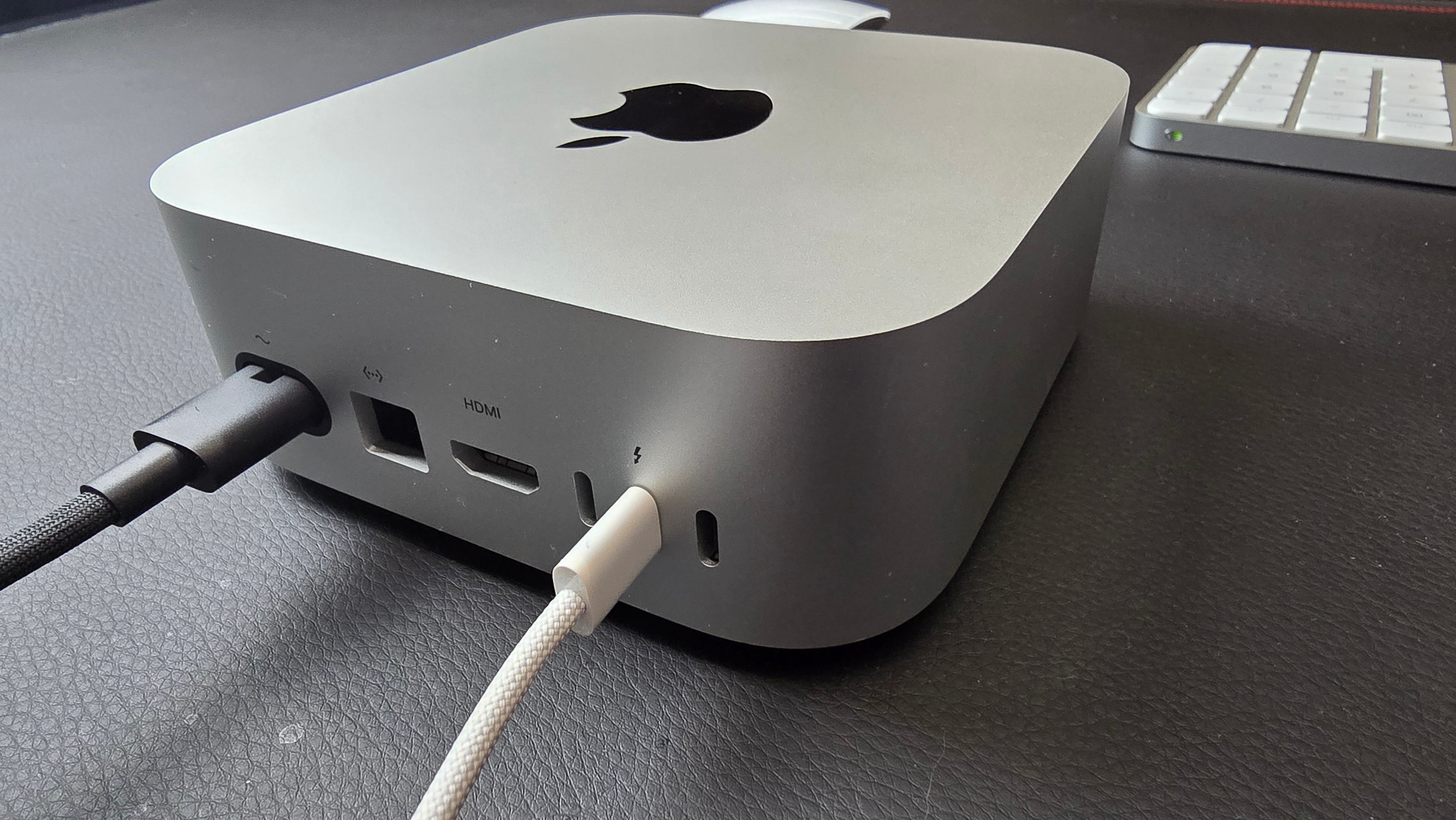
Indeed, it’s merely weeks ago that US OpenAI ‘acqui-hired’ Austrian Peter Steinberger created, open-source AI Agent pioneer OpenClaw. After it showed developers globally, the power of AI Agents running on local computers (Mac Minis especially).
It’s now catalyzing a frenzy of adoption and adaptation in China by its large and dynamic AI software developer community.
“OpenClaw sparks intense development frenzy across China’s tech sector.”
“Chinese cloud giants offer OpenClaw services, unlike U.S. counterparts.”
“OpenClaw drives new AI agent applications and hardware demand in China.”
“OpenClaw mania has swept across China.”
“Last month, at a five-day online hackathon organized by a Hangzhou-based AI startup, one contestant developed the equivalent of Tinder for AI agents seeking love interests on behalf of their human owners. Another created a recruiting site where job seekers’ AI agents talk to employers’ AI agents. A third created a gamelike app where the users’ AI alter egos travel virtually around the world, meet each other and write regular travelogues.”
“The hackathon was inspired by OpenClaw, open-source software for developing AI agents that take over personal computers, which has created a frenzy in Silicon Valley in recent weeks.”
“Every founder I know is now working on new projects to test the boundaries of what personal AI agents can do,” said Felix Tao, co-founder and CEO of Mindverse AI, the startup that hosted the hackathon. Mindverse, backed by Australian venture capital firm Square Peg and China’s HongShan, is trying to turn its Second Me app, which creates AI agents that act as users’ digital twins, into an OpenClaw competitor.”
It’s notable the different sets of experimentation underway with open sourced OpenClaw in the US and in China:
“In the U.S., engineers are using OpenClaw to create agents that can do everything from book a dentist appointment to record a business meeting. Startups working on similar projects have had to accelerate their plans. OpenClaw turned heads at big tech companies: Meta Platforms tried to hire its creator, Peter Steinberger, although he ended up going to OpenAI. Meanwhile, companies like Google and Anthropic have blocked access to OpenClaw. Others have encountered security problems with the tool.”
“Enthusiasm in China may be even greater. The country’s biggest cloud firms, ByteDance, Alibaba Group and Tencent Holdings, have launched services running OpenClaw on their cloud computing platforms. That’s something none of the U.S. cloud giants has done. Some developers in China say the cloud services offer easy and secure access compared to buying costly hardware to run OpenClaw on their own.”
And the energy around OpenClaw in China, does seem to have quite the momentum with Developers:
“Meanwhile, many founders in China worked nonstop during the Lunar New Year holiday last month to come up with new products.”
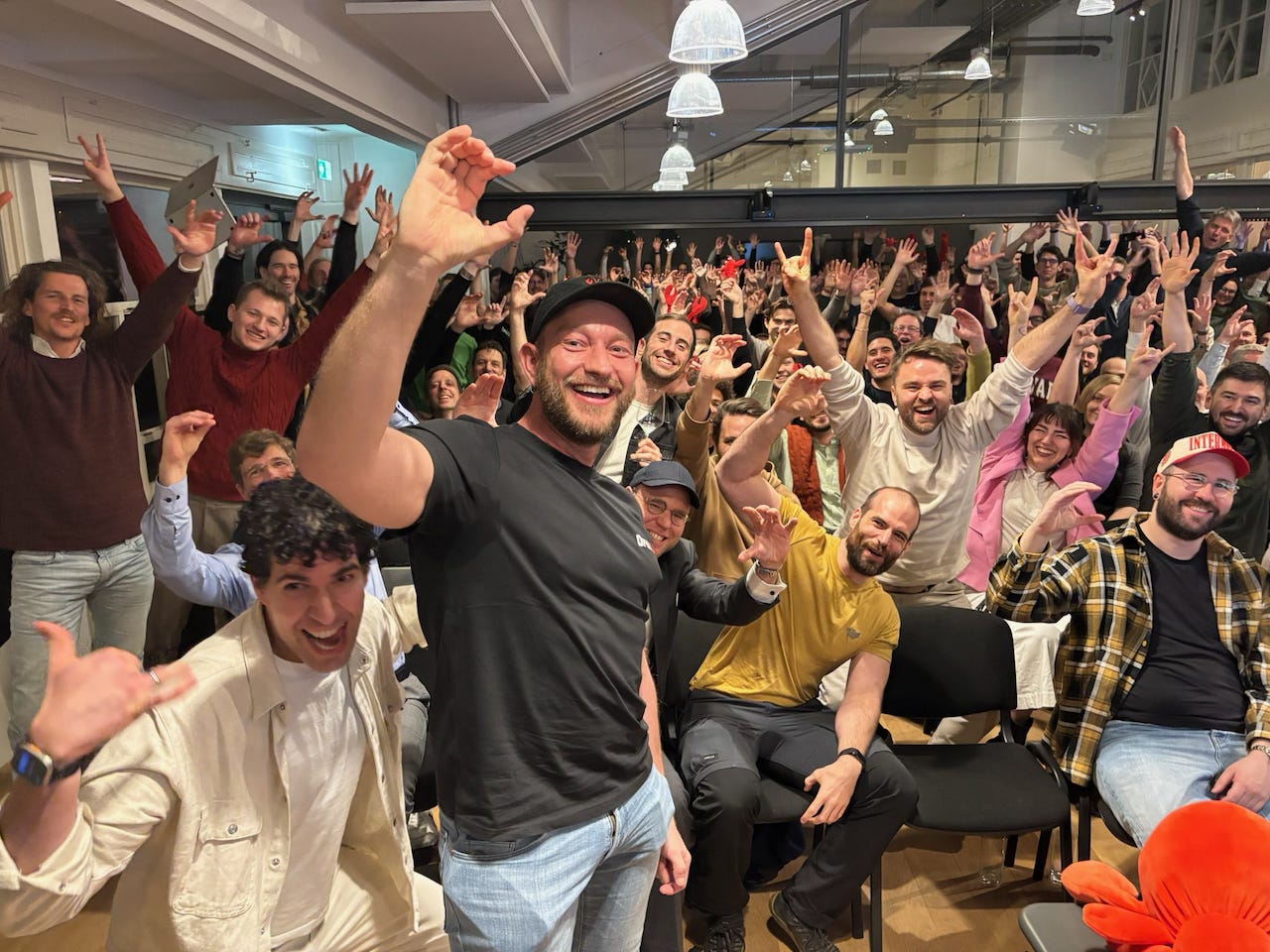
“On Saturday, Qu went to check out a developer meetup in Beijing that focused on OpenClaw. About 300 people attended to hear founders and startup employees talk about their experiences using OpenClaw for new products and pet projects.”
“Tech entrepreneurs in China responded immediately to OpenClaw and launched new projects because they knew all of their competitors would also be doing the same. Nobody wants to be left behind,” Qu said.”
Indeed, the leading Chinese AI companies seem to be in a race unto itself around OpenClaw:
“Last month, Chinese AI model developers such as MiniMax and Moonshot AI started offering an easily accessible cloud-based version of OpenClaw within their own AI apps to attract more users to their platforms.”
And the market are seen locally spun out iterations of their own AI agent efforts run locally:
“China now has many open-source AI models that offer agentic capabilities at low prices, making it easy for local entrepreneurs to launch new projects with OpenClaw. For instance, Moonshot’s K2.5 model in early February was the most popular model for developers using OpenClaw via OpenRouter, an AI model marketplace for developers.”
It also seems to be having an impact on AI hardware innovation:
“The OpenClaw frenzy is also having an impact on the country’s hardware manufacturing sector.”
“In Southern China’s manufacturing hub of Guangzhou, Candysign, a startup that makes smart device chargers for offices and homes, last week started letting users remotely control its chargers by talking to an OpenClaw-based AI agent through a popular messaging app run by ByteDance. Users outside China can control the chargers through Telegram, another messaging app.”
It’s almost as if the engineers can’t help themselves:
“Our company is made up of a bunch of nerds and geeks.…It was quite natural for us to start experimenting with OpenClaw on our own products,” said Candysign co-founder Wilson Wang.”
“Haopeng Chen, a Beijing-based product manager at one of China’s biggest tech firms, has a side hustle operating AI-generated influencer accounts on X and other social media sites. When the OpenClaw craze began in January, he immediately saw an opportunity to scale up his influencer business by developing a fleet of AI agents to work for him.”
“Chen bought eight secondhand MacBook Air computers and started running different OpenClaw agents on each of them. They now operate around the clock, using various tools to create new content for social media accounts and respond to comments from followers. Some of the posts made by the OpenClaw agents generated tens of thousands of likes, according to screenshots Chen shared.”
And they are finding the same thrills with locally running AI Agents as their US counterparts:
“My OpenClaw workers have no ego, no mood swings. You can push them to work at 4 a.m., and they get back to you in minutes,” Chen said. When Chen goes out, he sometimes takes his “team” with him, carrying all the laptops in a huge backpack. “It’s heavy, but I’m having way too much fun.”
“Just a few days ago, Chen purchased three more secondhand MacBook Air laptops to expand his team. He’s betting that scaling up the business will result in a higher income that will make up for the cost of running the agents.”
The whole piece is worth a read for its various stories on Chinese developers embracing OpenClaw experimentation. And the various innovative applications that are emerging in that market off that trial and error.
Ignore political headwinds and innovate off cool, new iterations of the latest technology, WHERE EVER it may come from. Nerds and geeks being nerds and geeks. Regardless of the borders they work within. And doing it open-source both ways.
And that is good to see for all of us with a stake in this global AI Tech Wave.
Especially since it expands the overall possibilities that these AI technology waters flow to where ever the grounds lead. For maximum distribution and societal good.
Returning this serve makes for a far better game for us all together. Stay tuned.
(NOTE: The discussions here are for information purposes only, and not meant as investment advice at any time. Thanks for joining us here)
Good afternoon… I took a rare week off from writing as I drove around Florida on a work/play tour. Im on way to frigid New York to work for the next week....
Strategy Leveraged and inverse ETFs can help magnify your mistakes. (wsj.com) Are public markets now a dumping ground for marginal companies? (on.ft.com)...