And some of those being ‘AI Wearables’, will promise AI features and functionality, because of course, 2025 has been quite the AI Tech Wave year.
And unfortunately, MOST of those will likely undershoot their aspirational marks, be they Meta’s Ray-Ban glasses, or various AI devices worn about the body beyond the face.
Two of the top tech reviewers out there, Joanna Stern of the Wall Street Journal, and Victoria Song of the Verge just wrote two must read pieces summarizing AI devices and gadgets as we end 2025. And how they under-shoot the mark for the most part. But also how their future looks much brighter into 2026 and beyond.
This is a topic I’ve discussed at length, but it’s useful to take a look at the current snapshot. Especially as a few of us haven’t done all our gift shopping for the Season, and may be about to hit ‘Buy’ on some of these items.
“I know what you’re thinking: You must be a terrible person. How did you let that happen?! The answer: When it’s a poker-chip-size gadget that adds no value to my life, it’s pretty easy.”
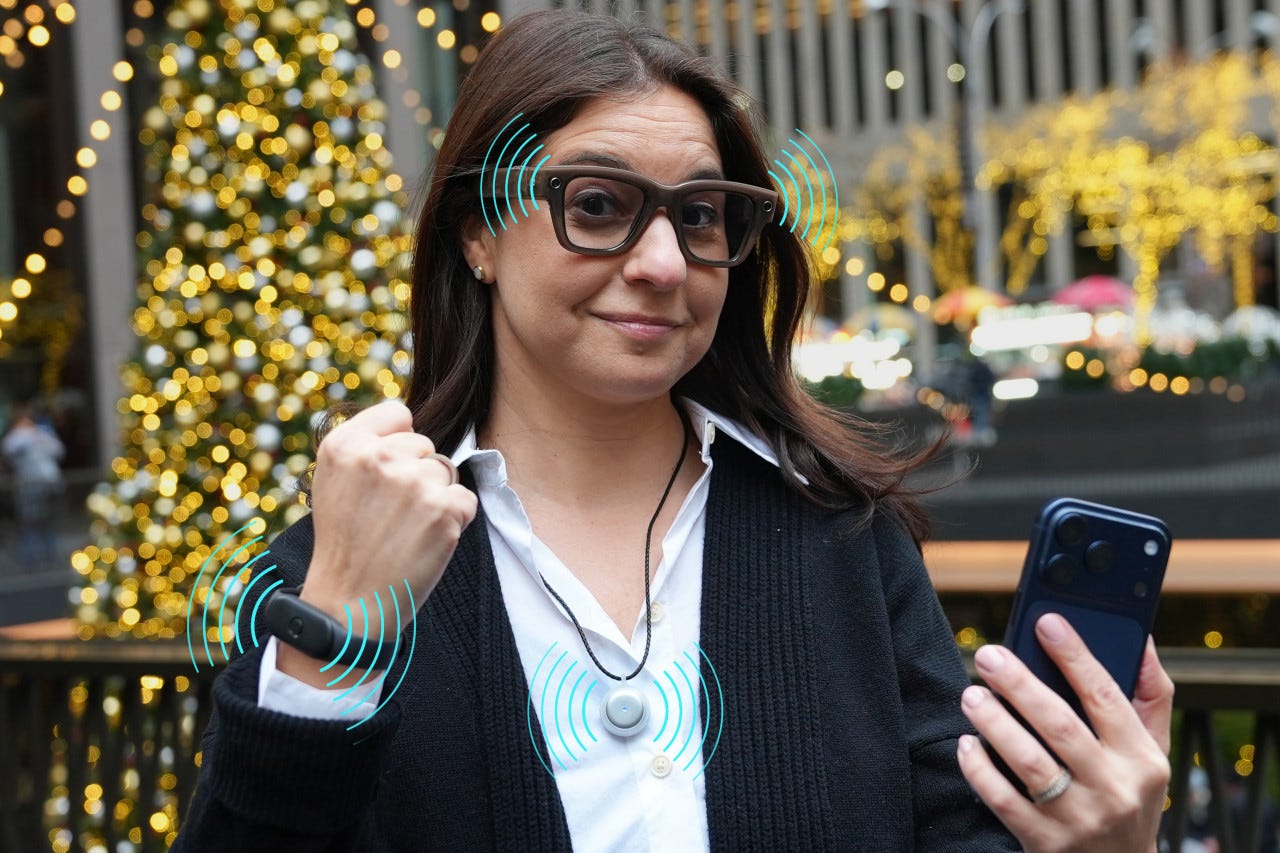
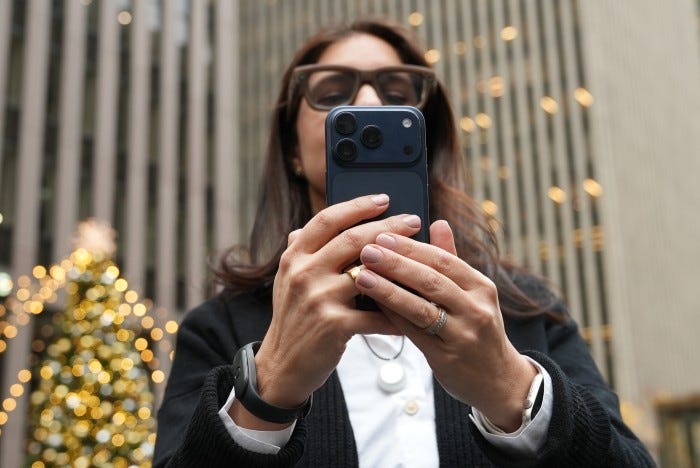
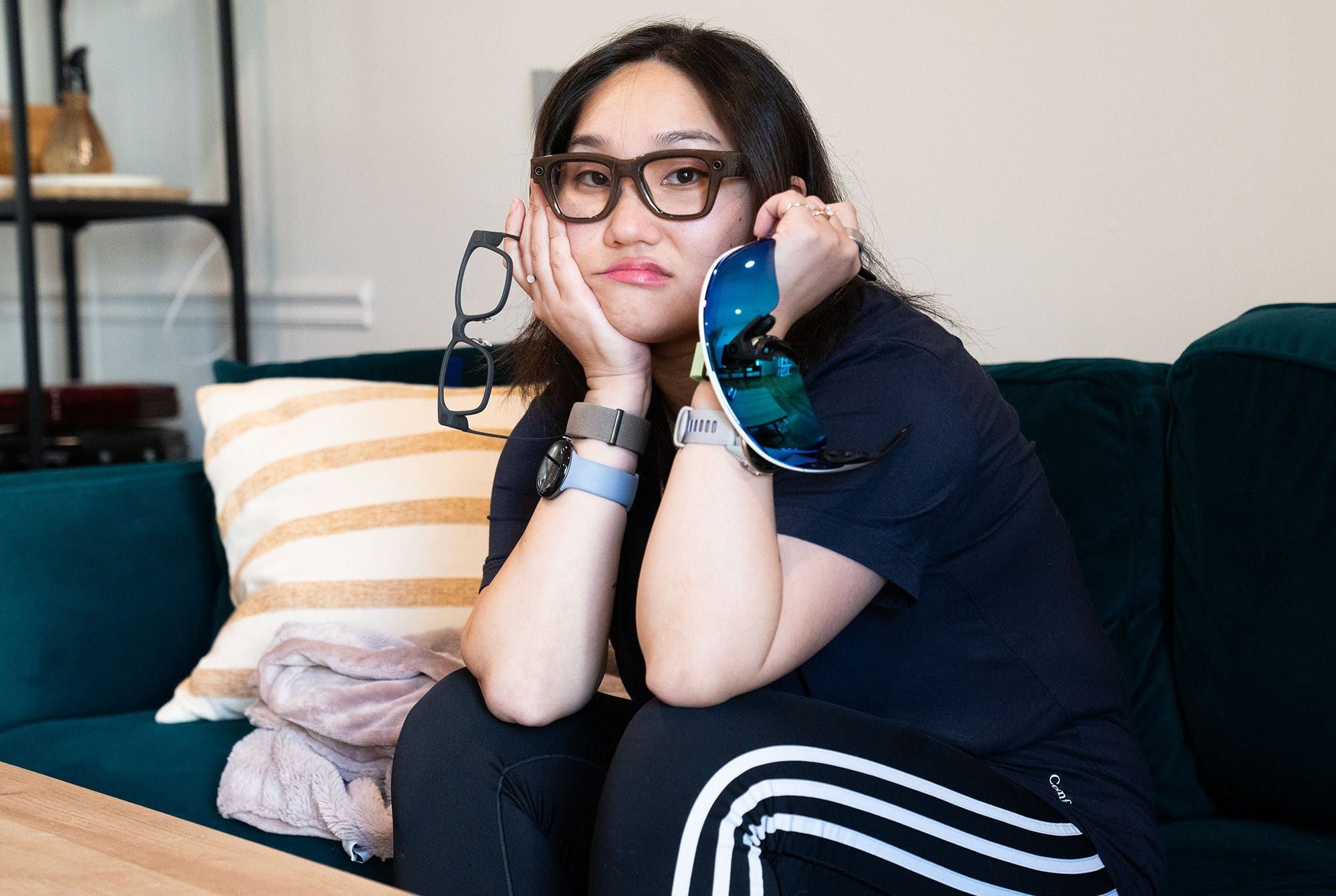
“Friend was one of eight AI wearables I tried this year. Like so many others, it ended up abandoned within days. Pendants that clip to necklaces, pins, glasses, bracelets—I’ve tried ’em all, sometimes all at once. Nice to meet you, I’m a walking wire tap.”
“And every big tech company will want you to try this new category, too. Google’s promising AI glasses in 2026. Meta bought Limitless, the startup behind a mic-equipped pendant I tested, while Amazon bought one of my favorites, the Bee bracelet. Sam Altman says OpenAI is going after Apple with its future AI devices, developed in partnership with famed Apple designer Jony Ive.”
The race towards these gadgets is a frenetic one. By companies large and small. And the Fear of Missing out (aka FOMO), is palpable. And a rush to cram these AI technologies of today into any shape of device imagined for the future. Be they devices on our person, or humanoid robots. Joanna continues:
“Why the gadget rush? The thinking is that the personalized, context-aware future of artificial intelligence demands a new kind of device. Rest assured, though, that smartphone in your pocket will be the brains of the operation for years to come.”
“AI models interact in a personalized way, so these gadgets aim to give the assistant access to your world. You can talk to it, let it overhear your day and—in the case of glasses—let it see what you’re seeing in real time. The promise is a seamless and hands-free flow of answers, live translations, reminders, coaching and ways to pretend you absolutely pay attention in meetings.”
Then she gets down to brass tacks:
“Great idea, not-so-great execution so far. Here’s where they have let me down—and where I’m hoping for big improvements soon.”
“The first big question: What shape should these things take to fit in our everyday lives? Right now, it’s a fashion free-for-all.”
“Bracelets:The Bee I’ve been wearing for nearly a year is all about its mic. Tap the button and it listens to everything. When it hears conversation, it streams the audio to your phone, then to Bee’s servers, where it’s transcribed and turned into summaries and to-do lists that show up in the app. Bee doesn’t give you audio clips, just the transcript. The hardware is flimsy, but the summaries and automatic to-do lists have been surprisingly useful. The LED recording light is about the size of a poppy seed, so it’s on you to tell people you’re wearing a wire.”
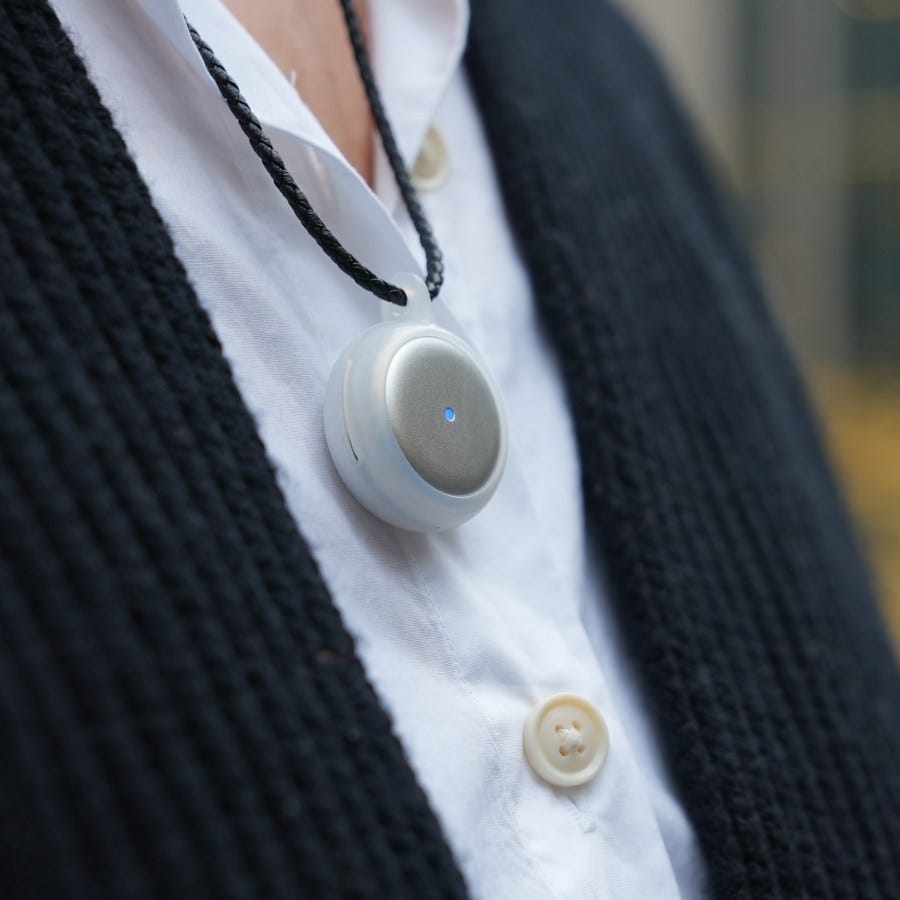
“Pendants: Necklaces like the Limitless and Omi work similarly. You trigger the mic, they record and you get transcripts and summaries in the app. Friend, on the other hand, is all about chatting. There’s no speaker on the pendant, so you still need your phone nearby to hear your new friend’s response—which defeats the point of wearing the pendant in the first place. According to Friend Global CEO Avi Schiffmann, the next version will have a speaker and a voice.”
“Also, none of these are attractive enough to claim neck real estate reserved for actual jewelry. Silver lining: With low-powered hardware and no screen, the batteries last for days.”
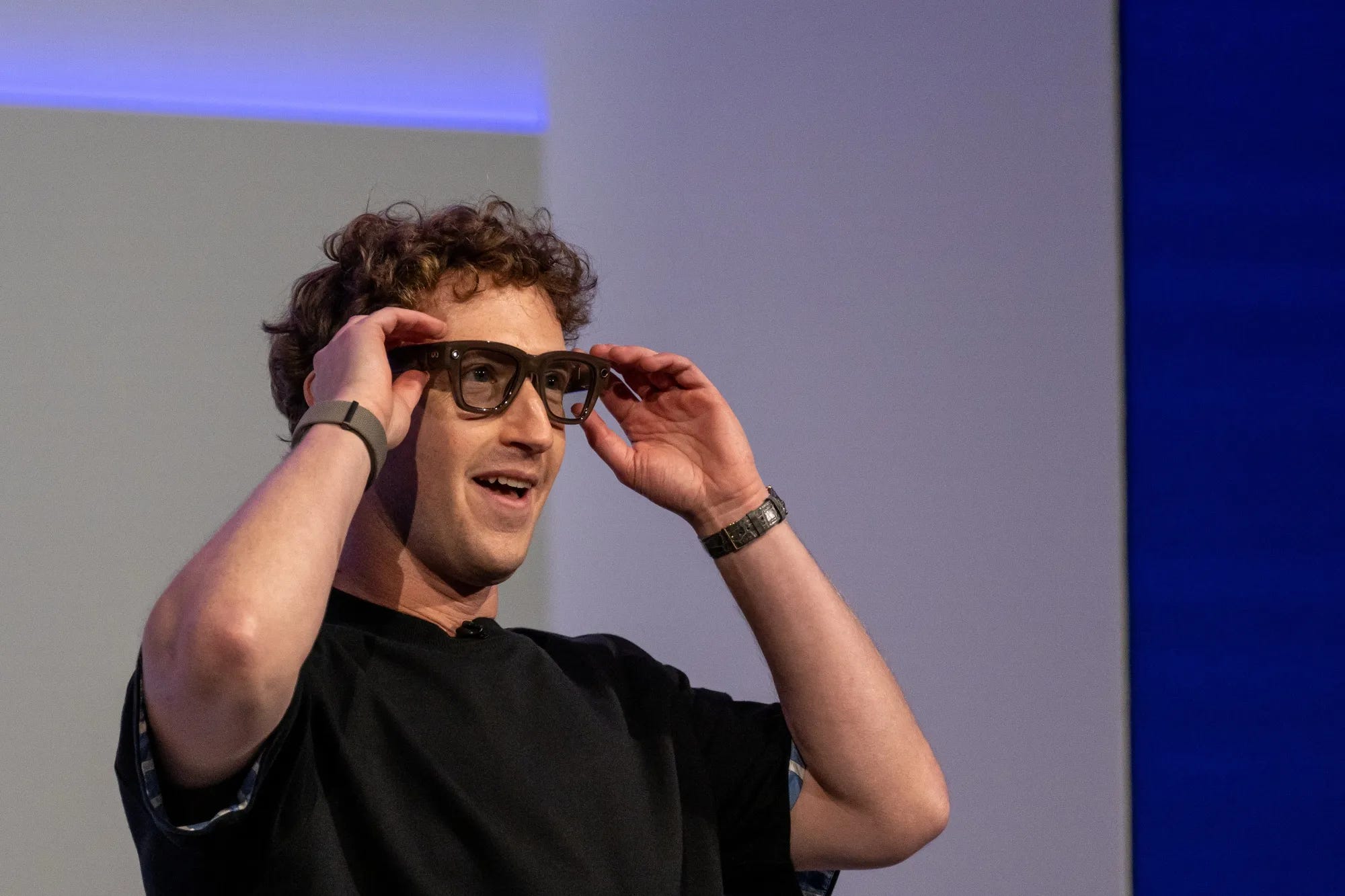
“Glasses: The Ray-Ban Meta glasses are the only “AI gadget” I’d recommend right now. But it’s more about the hands-free camera—the AI is just a bonus. You can ask Meta AI about whatever you’re looking at. The new Ray-Ban Meta Display glasses I’ve been testing preview the next phase, where there’s a floating screen in your line of sight. But the display is tiny, the neural-band bracelet control is too fiddly and the glasses themselves make me look like a kid playing dress-up with her dad’s ’70s eyewear.”
“Rings: When you wear the upcoming Sandbar Stream, which I tried out, you raise your hand to your mouth and tap the ring’s touchpad to talk to the AI. It’s meant to be summoned, not always listening.”
“At a lunch this week with a group of journalists, Sam Altman said OpenAI plans to build a small family of devices—different ones for when you’re on-the-go and when you’re at your desk. He didn’t share specifics, but he did say he hopes one will be something people carry instead of a smartphone. He added that glasses are exciting but will take more time, implying they won’t be part of OpenAI’s first wave of hardware.”
Then there’s the big, personal data and trust question that is the real AI elephant in the room. And comes back to haunt the AI devices of Christmas Present.
“Second big question: How much data do we need to give these things for them to work?”
“I’ve worn the Bee and the Ray-Ban Metas for most of 2025, because of the AI-life-takeover book I’m writing. Meta’s AI has been great for quick, in-the-moment answers, but ChatGPT’s Live Mode is far better when you actually need guidance, like fixing a household item.”
“The Bee app continuously surfaces things I otherwise would have forgotten, but it hasn’t gotten smarter over time. It still doesn’t really integrate with my other services or proactively do anything for me.”
“The more context AI has about you and your life, the better it will anticipate your needs. That’s the magic promise, a concierge of sorts that just seems to know what you want. To get there, it needs…all your data, from calendar entries to conversation transcripts, plus a memory of all your previous interactions.”
“Is that a worthwhile trade-off? Do we really want a world where everyone is recording everything, all the time? For most people right now, the answer is a hard no.”
Part of the answer is local processing, a topic I’ve also discussed at length:
“But as the smarts improve, so will the privacy. On-device AI processing, where shrunken-down AI models do the work right on your phone, is advancing fast. Bee even let me try a version that ran its models entirely on my phone. And Altman said this week he hopes OpenAI can move toward on-device processing, rightly noting that most people don’t want a device beaming everything they say and do to a cloud server.”
“And where will those on-device models live? For now, your smartphone. So fear not, you might get an AI bauble or two but your phone won’t vanish. Unlike my Friend, who is still very missing.”
“It’s clear to me that in the search for what comes after the smartphone, tech companies have decided they should live on — and eventually, in — our bodies. (See: brain-computer interfaces and continuous glucose monitors.)”
“I wish I could write this off as my paranoia. Unfortunately, you can see signs of it in how tech executives speak about this next wave of hands-free computing.”
“Earlier this summer, I spoke with Sandeep Waraich, Google’s product lead for Pixel Wearables, and Rishi Chandra, Google’s VP of Fitbit and Health. Both told me in plain terms that Google envisions “the future will be a diverse set of accessories” embedded with AI. The appeal of smartwatches and headphones, they told me, was that they are existing products you already use.”
“If the point of all this is to make life better, then I need Big Tech to have a deep, long think about whether the problems they’re trying to solve were ever really problems to begin with. Take it from me, a wearable maximalist: I am exhausted, running out of body parts, and feeling more cyborg than human with each passing day. And if we blindly race toward a future where everyone feels like that? We’ve lost sight of why any of us ever loved technology in the first place.”
I point all these issues out as we get to open a bunch of these tech presents in a few days. And some of the questions above may be good conversation at holiday lunches and dinners.
(Seasonal Note: For those demotivated about tech gifts this year by the above piece, do not despair. There are a ton of cool tech gift ideas that have just the right amount of AI that works this year. My Gen Z Nephew Neal Makwana and I discuss our favorite AI products and gadgets this yeear at this mark in our AI Ramblins, Episode 34 podcast. Complete with showcased products. Some solid gift ideas here for those still scrambling for last minute gifts. Happy Holidays!):
(NOTE: The discussions here are for information purposes only, and not meant as investment advice at any time. Thanks for joining us here)
Podcasts Michael Batnick talks with Marc Rubinstein about the rapid rise of private asset secondaries. (youtube.com) Thomas Kopelman talk long-short...