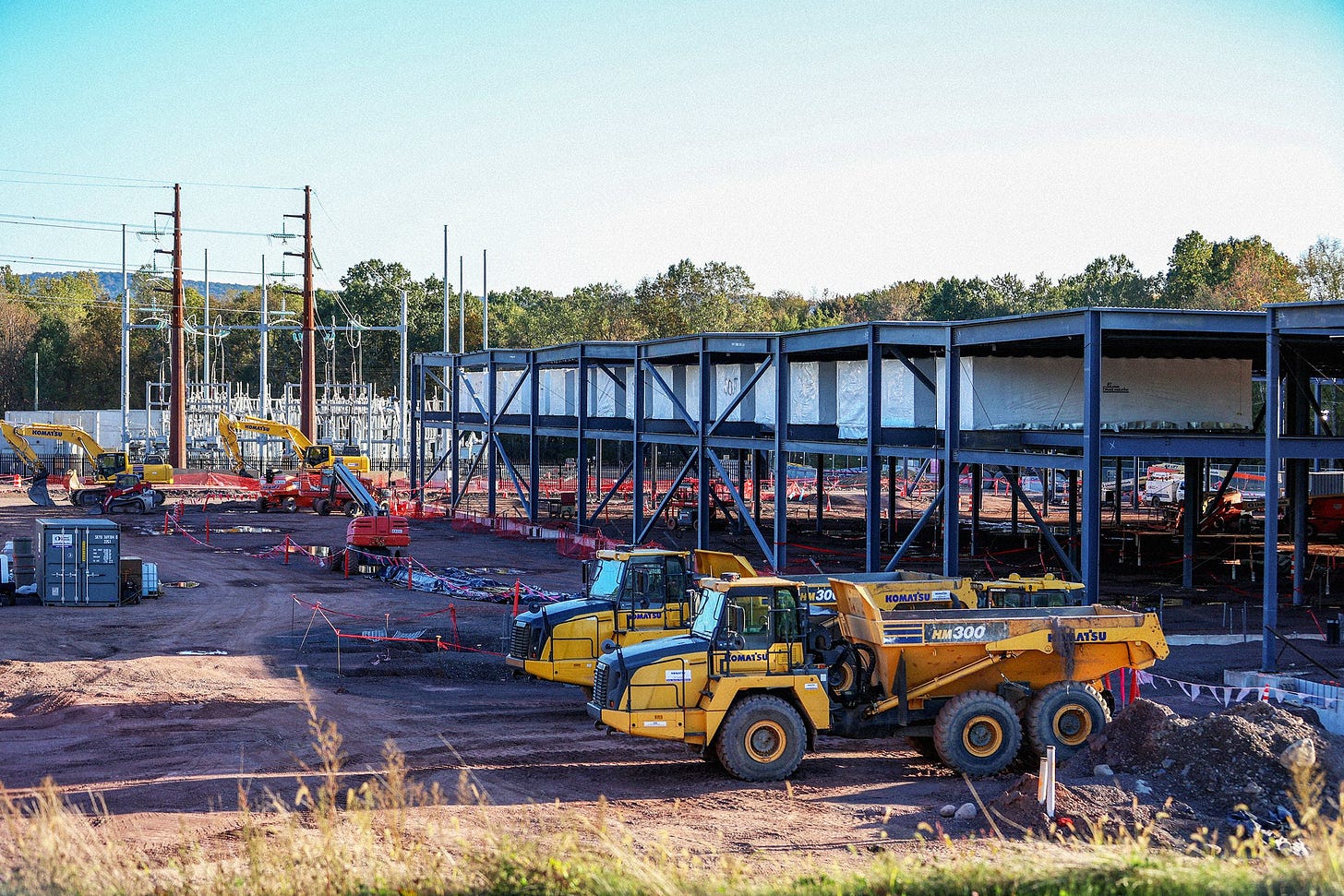
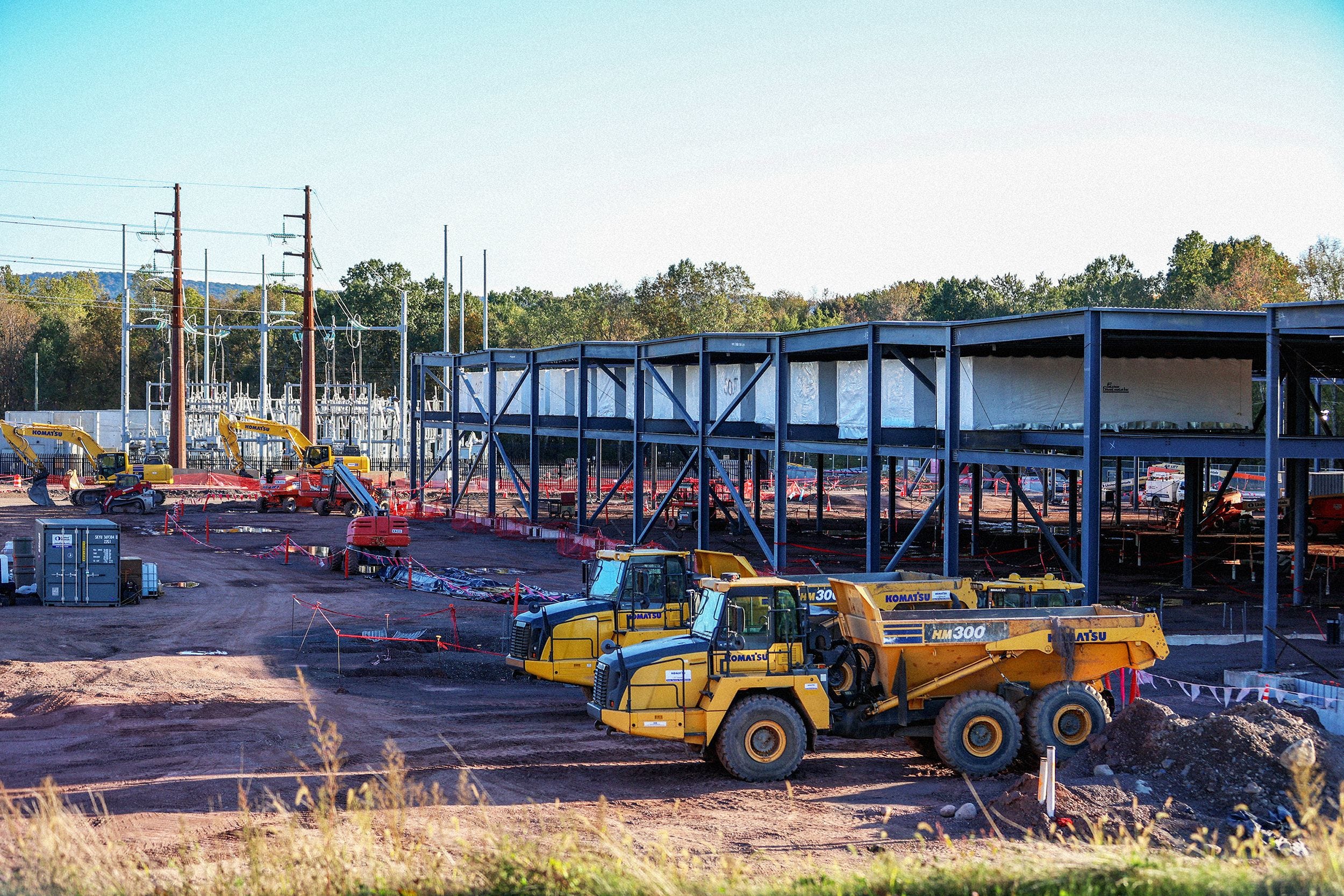
“The AI boom is driving an unprecedented wave of data center construction, but there aren’t enough skilled tradespeople in the US to keep up.”
“AI companies likeMeta and OpenAI have been offering multimillion-dollar pay packages to top talent, hoping to lure the best researchers and engineers away from their competitors. But there’s another dimension of the AI talent wars that has garnered far less attention: the massive shortage of electricians, plumbers, and heating and cooling technicians in the US who can build the physical data centers that power AI.”
The numbers are sobering:
“The Bureau of Labor Statistics estimates that between 2024 and 2034, there will be a shortage of roughly 81,000 electricians on average each year in the US, measured in terms of unfilled jobs. The BLS projects the number of employed electricians to grow 9 percent over the next decade, “much faster than the average for all occupations.” One McKinsey study came to a more dire conclusion: Between 2023 and 2030, it estimates that an additional 130,000 trained electricians—as well as 240,000 construction laborers and 150,000 construction supervisors—would be needed in the US.”
“The rapid construction of AI data centers across the country is likely a major driver of demand for skilled tradespeople. According to a May blog by the International Brotherhood of Electrical Workers—a labor union representing electrical workers in the US, Canada, and US territories—some local affiliates “are facing single data center projects that require two, three, sometimes four times their current membership.”
And the challenges to feed the demand are growing:
“Chris Madello, an international representative with the United Association, a union for plumbers and pipe fitters, says data center projects are currently demanding more workers than any other single industry. He adds that with the growth of AI, which requires a huge amount of electricity to run, “more and more manpower” is required.:
“Some tech companies are already sounding the alarm about the dwindling pool of skilled tradespeople and taking steps to address it. Google announced last spring that it was donating an undisclosed amount of money to the Electrical Training Alliance, a group that provides training materials for electrical workers, to help 100,000 existing electricians upgrade their skills and train 30,000 new apprentices by 2030. The company said the project would contribute to an estimated 70 percent increase in the size of the trade in the coming years.”
And of course this incremental demand across the country, impacts the underlying demand for these skilled workers:
“Tech companies building data centers have to compete for trades talent with other construction projects, including residential housing, hospitals, factories, and energy facilities. In all of these areas, there’s already not enough workers to go around. “We have had a skilled construction worker shortage in America for years,” says Anirban Basu, chief economist of the Associated Builders and Contractors, a trade group for the construction industry. In earlier eras, he says, tradespeople passed their skills on to their children, but more recently they have been encouraging the next generation to pursue four-year college degrees. As a result, Basu explains, the construction workers with the most advanced skills are now reaching retirement age.”
Part of the challenge is training qualified workers on the intricacies of building and maintaining AI Data Centers. Up and down the AI Tech Stack:
“One problem, however, is getting people trained quickly enough to work on data center projects. Quinonez says the work itself is not very different from other plumbing jobs, but data centers are built on strict schedules, leaving little room for delays or errors.”
“That matters because apprentices typically learn on the job alongside more experienced plumbers at active construction sites. On data center projects, Quinonez says, companies are far less willing to take risks, since even small mistakes can slow a project down.”
“It could get very costly for a contractor for something to go wrong,” he explains. Apprentices and trainees, he adds, may have to go through “more rigorous training” before they are assigned to help build a data center.”
“The competition does get fierce,” Quinonez adds. “And part of the problem is there’s just not enough plumbers and HVAC technicians.”
The timeline for these shortages is another issue:
“It’s unclear how long demand for tradespeople will last after the artificial intelligence boom eventually starts to wane. When construction ends, data centers typically keep a small crew on site around the clock, along with a network of outside contractors who handle repairs for multiple facilities.”
“If construction eventually tapers off, there might not be enough alternative jobs to go around, especially if the US economy enters a recession. But for now, business is great, and how things will end remains anyone’s guess. “Is it a sustained boom? Does it crash spectacularly?” says Basu. “Is the activity just gradually receding once the heart of the boom is over?”
The whole piece is worth reading for additional details and nuance. But the broader point is worth internalising as we assess the various players in AI Tech Wave.
Add skilled worker demand to build the infrastructure to the long list of supply constraints for the annual multi-hundred billion dollar investment push for all things AI. With no easy solutions in sight. Stay tuned.
(NOTE: The discussions here are for information purposes only, and not meant as investment advice at any time. Thanks for joining us here)
I’ve been discussing for a while the growing schism in this AI Tech Wave between the AI Researchers that believe AI Scaling can get us to AGI, in any form....