AI: Trends from AI 'Data Center Davos' in Hawaii. RTZ #979


The world’s top AI Data Center industry execs just wrapped up the Pacific Telecommumications Council PTC 2026 confab in Hawaii. It’s doubtful any of them had a chance to sway in a hammock at all last week.
It was the Annual AI Data Center Conference just completed. Far from the other Davos that defined the geopolitical AI priorities this year. They traded white snow for white sands.
As regular readers here know, the AI Tech Wave the last few months has been particularly notable for the trillions in ‘circular’ mega gigawatt AI Data Center Deals and the attendant Power to turn them all on.
And of course the eye watering AI Research and Plumbing Talent to build and run it all. Not to mention other critical supply inputs like memory chips and relentless geopolitical pressures on foundries like Taiwan Semiconductor (TSMC) to build out sufficient ‘fab’ factory capacity through the end of the decade at least, to run it all.
This year, it seems to be more about the tactical execution on DELIVERING the AI data centers rather than just announcing the mega deals.
And that is but one of several takeaways from the PTC 2026 confab.
The Information runs it down in “Five Takeaways from ‘Data Center Davos’”:
“Last week, the data center industry migrated temporarily to Hawaii for the Pacific Telecommunications Council conference. The event—like Davos except warmer—is typically where deal talks in the data center business begin and the priorities for the year are set.”
“The sector’s power brokers are coming off a wild 12 months, bookended by the announcement—during last year’s conference—of the $500 billion [OpenAI/Softbank] Stargate data center project, and by the largest transaction in the industry’s history, the $40 billion acquisition of Aligned Data Centers last fall by a group led by BlackRock.”
“Aligned CEO Andrew Schaap was omnipresent last week, along with senior financiers from Goldman Sachs, Citizens Bank, Apollo and Macquarie. OpenAI arrived with a sizable delegation, including executive Peter Hoeschele and, notably, a large number of lawyers.”
They go on to list the five key points, with the first one the main event from my perspective:
“2026 Will Be About Execution, Not Announcements”
“The Stargate plan kicked off a wave of similarly ambitious declarations throughout 2025, with companies pledging hundreds of billions of dollars for AI infrastructure and racing to lock up gigawatts of power.”
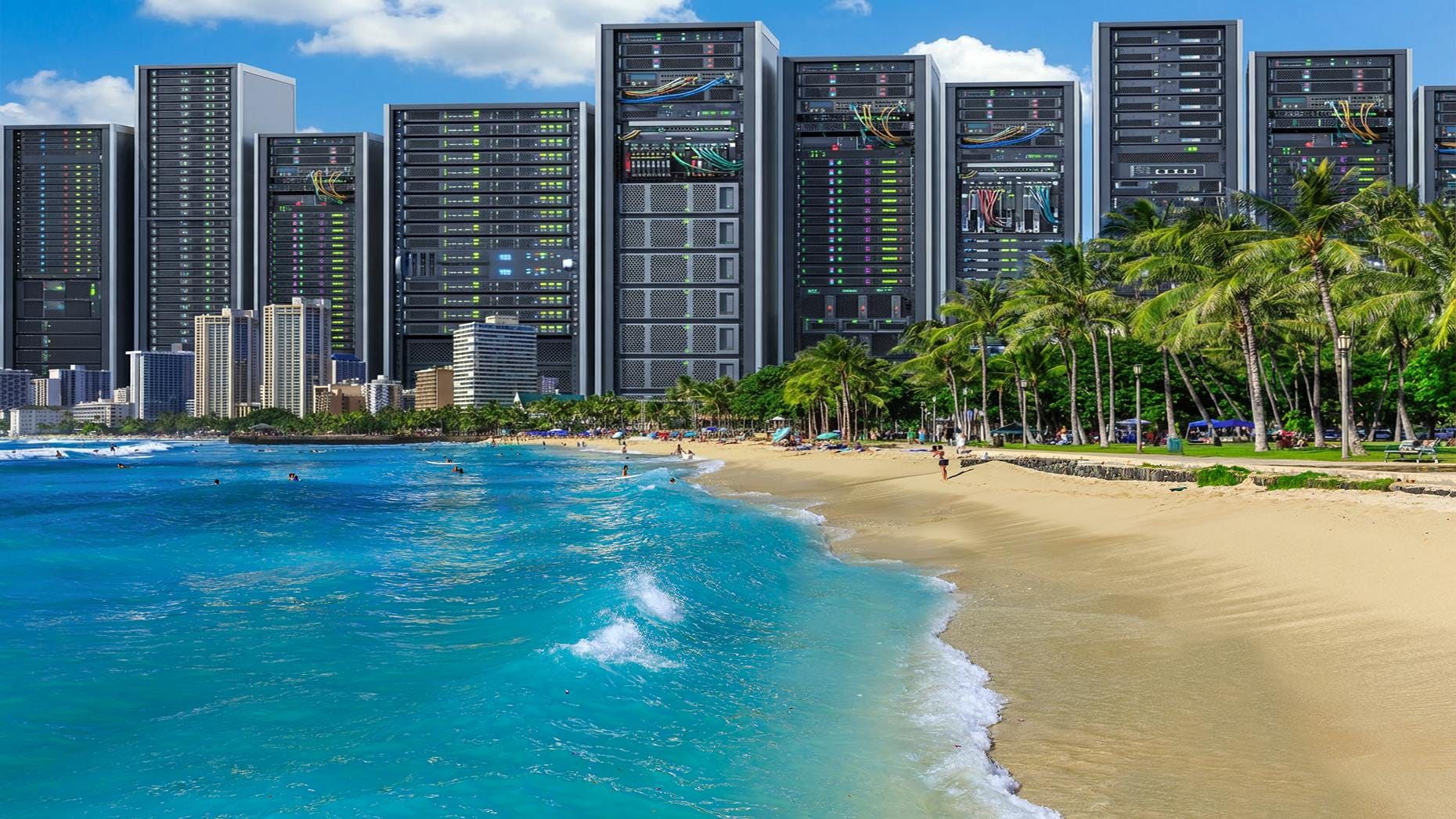
I’ve discussed these deals as ‘Bragawatt’ deals, especially given the verbal AI Infrastructure ‘cage match’ between Meta founder/CEO Mark Zuckerberg and xAI/Grok Tesla Elon Musk last year:
“I think that era is ending. Data center CEOs say that 2026 will be judged less by what companies announce and more by what they actually deliver. This raises stakes for developers that have made big promises.”
“With deadlines approaching for projects, delays could mean developers start losing their customers, either because they walk away or because competitors come in to salvage stalled projects. I’ve heard that investors, as well as cloud providers, are crafting their data center deals to include favorable “step-in rights,” meaning they could take over projects if their developer is struggling or costs are rising.”
“The focus on execution this year could mean that top data center executives will be in high demand, similar to the talent wars over AI researchers.”
“Some people will be delayed, and the customer will live with it,” one data center CEO told me. “Some people are going to be delayed, and their project is going to fail.”
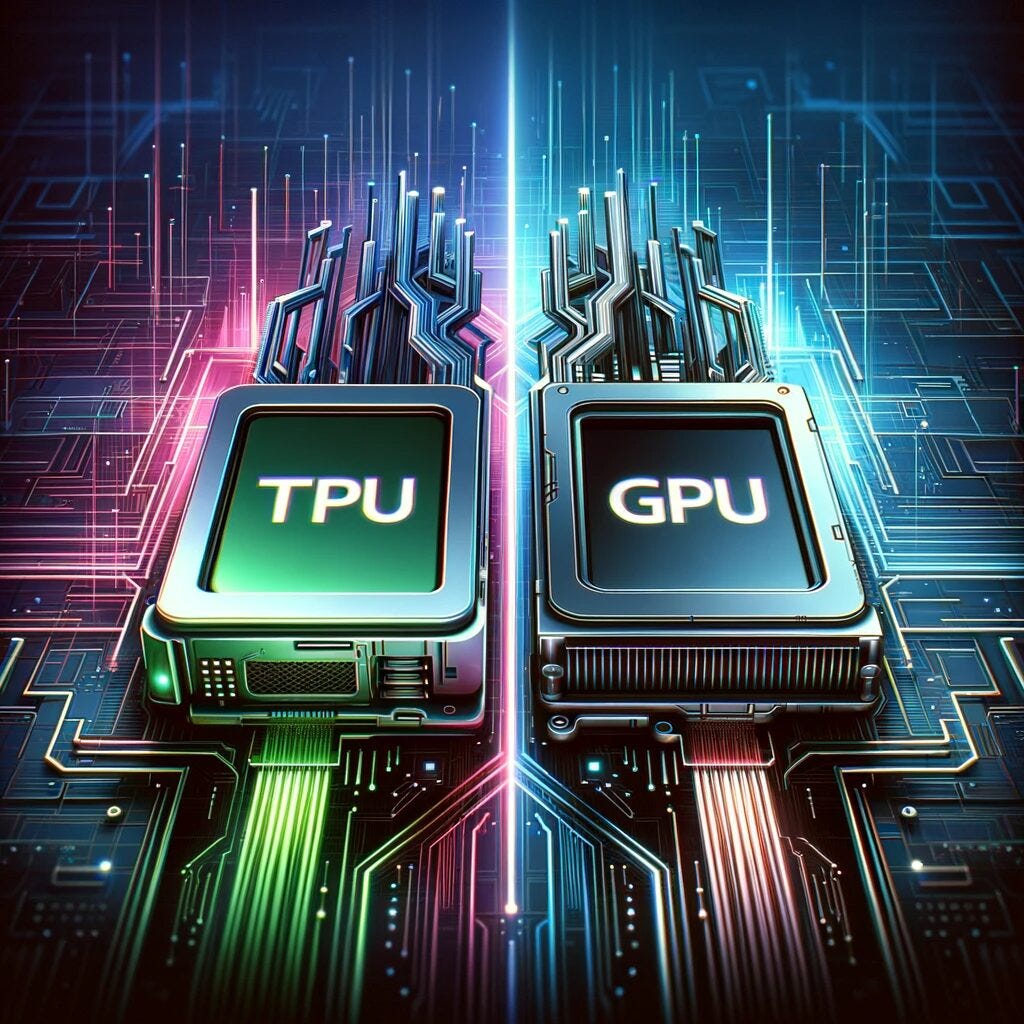
Google featured in the discussions, given their emerging leadership with its TPU AI Infrastructure stack vs Nvidia’s industry leading AI GPUs that I’ve written about extensively.
“Google’s TPUs Emerging as a Threat”
“For years, Nvidia’s graphics processing units were the unquestioned, default choice for large-scale AI data centers. But several executives told me that Google’s tensor processing units have become part of infrastructure planning conversations.”
“Everyone also senses that Google is aggressively pushing its chip, a trend we’ve written about here and here.”
“Data center investors in particular like Google’s approach. It is backstopping the debt and leases of certain TPU facilities so that new entrants such as Fluidstack can more easily get financing. A few people told me they think that might put more pressure on Nvidia to do the same thing. (While Nvidia leases back some of its chips from cloud providers and invests in companies that buy its chips, it hasn’t broadly guaranteed data center project debt or facility leases.)”
“Also new this year was talk of the cloud startups focusing on Google’s TPUs. Last year was dominated by cloud startups such as CoreWeave, Crusoe and Lambda that primarily focus on GPUs from Nvidia.”
Not surprisingly, state and local AI regulations, despite federal opposition, were a big headwind topic at the event as the AI Data Center land and power rush continues.
“Local Pushback Is Becoming a Real Risk”
“Some executives said power availability isn’t their biggest concern anymore. Instead, they’re worried about community resistance to data centers.”
“That context made OpenAI’s recent announcement about developing “community plans” for its Stargate campuses feel less surprising. The move followed a similar effort by Microsoft and reflects mounting concerns—from water usage to electricity prices—about the impact of data centers.”
“Industry veteran Hunter Newby, who focuses on expanding internet connectivity, told me he’s largely stopped using the words “data center” when speaking with local communities, given its growing negative connotation. (“Cloud pod,” anyone?)”
And of course new competitors swarming the markets in a free for all AI Infrastructure gold rush:
“New Players Hit the Beach”
“PTC is often seen as a reunion of industry veterans. This year, a wave of startups crashed the party, sometimes with audacious plans.”
“Power developer American Terawatt emerged from stealth mode, advertising that it would have 600 megawatts of capacity available by the end of this year, though it didn’t say where.”
“It was also the first time I heard anyone casually invoke the word “terawatt”—a unit 1,000 times larger than a gigawatt—in a data center context, which is an apt illustration of where the industry’s ambitions have gone.”
Part of the rush is over securing capacity vs demand for immediate projects:
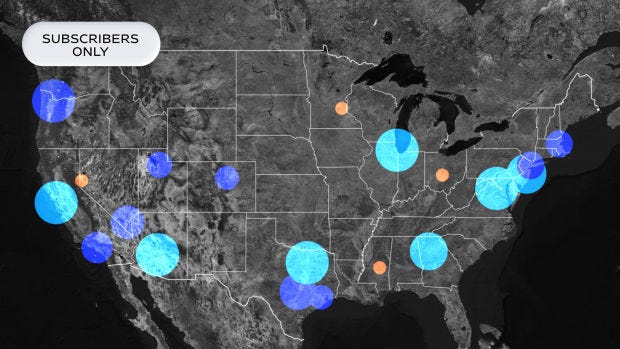
“Who’s Looking for Data Center Capacity”
“Multiple attendees told me they came to Hawaii hoping to secure capacity for near-term projects, only to leave empty-handed. Still, it was interesting to hear who was doing the asking and who they were talking to.”
“For instance, OpenAI was taking meetings last week with “colocation providers,” which essentially offer pre-built data centers to which customers can bring their own server hardware. Today, OpenAI rents its capacity from cloud providers that own the servers.”
“I also heard last week that the Chinese hyperscalers, including ByteDance, are talking to cloud providers such as Oracle about renting cloud capacity in the U.S. for AI. This is particularly interesting given my colleague Qianer Liu’s recent reporting that the Chinese government is restricting companies from buying Nvidia chips. Maybe those firms will rent the capacity in the U.S. instead?”
The whole piece is worth reading in full for additional details.
But the broad point for this AI Tech Wave, that delivering AI data centers with running power at scale will be more important this year, than just more ‘dazzling’ and circular AI deal announcements to come. Stay tuned.
(NOTE: The discussions here are for information purposes only, and not meant as investment advice at any time. Thanks for joining us here)