And the key companies are moving to take advantage of this turn of events. SK Hynix announced a recprd $29+ Billion US listing to increase capacity.
The historical cyclicality of the memory chip business a distant memory. And every consumer electronics item from computers to smartphones to gaming consoles and far more, all seeing their bill of materials go from less than 5% to over 40%+.
Again, all well documented trends. Especially the one about computers and smartphones no longer going down in price every year as per Moore’s Law for decades.
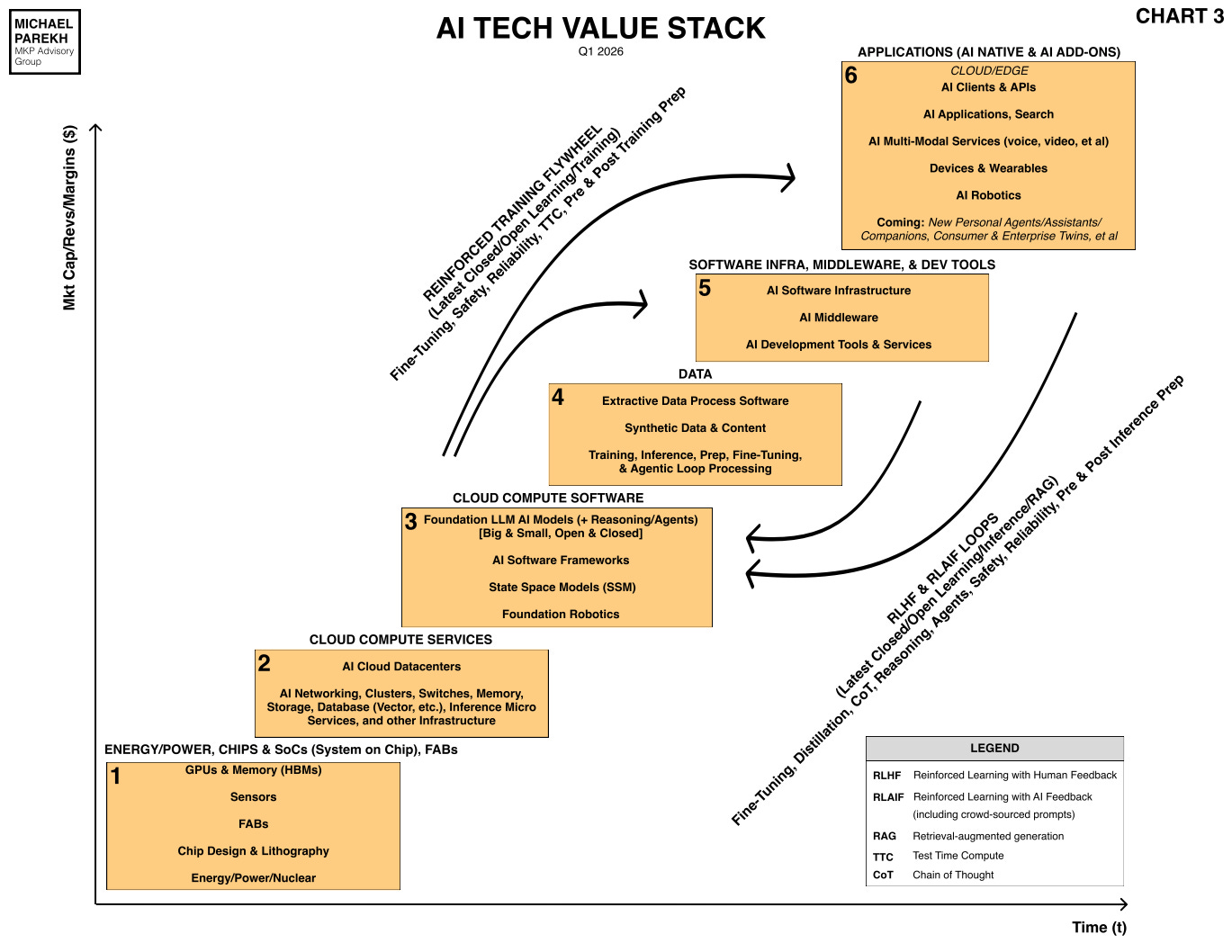
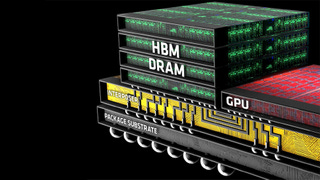
A key driver of course is the multi-trillion dollar global AI data center boom that is spiking the demand for the HBM (high bandwidth memory) needed for the AI data centers. They use the same fabs as the lower priced, lower margin memory chips (DRAM, NAND etc.) that go into the consumer electronics. And that capacity has swung in a big way to the bigger profit stuff by the three key memory companies. Capitalism hard at work.
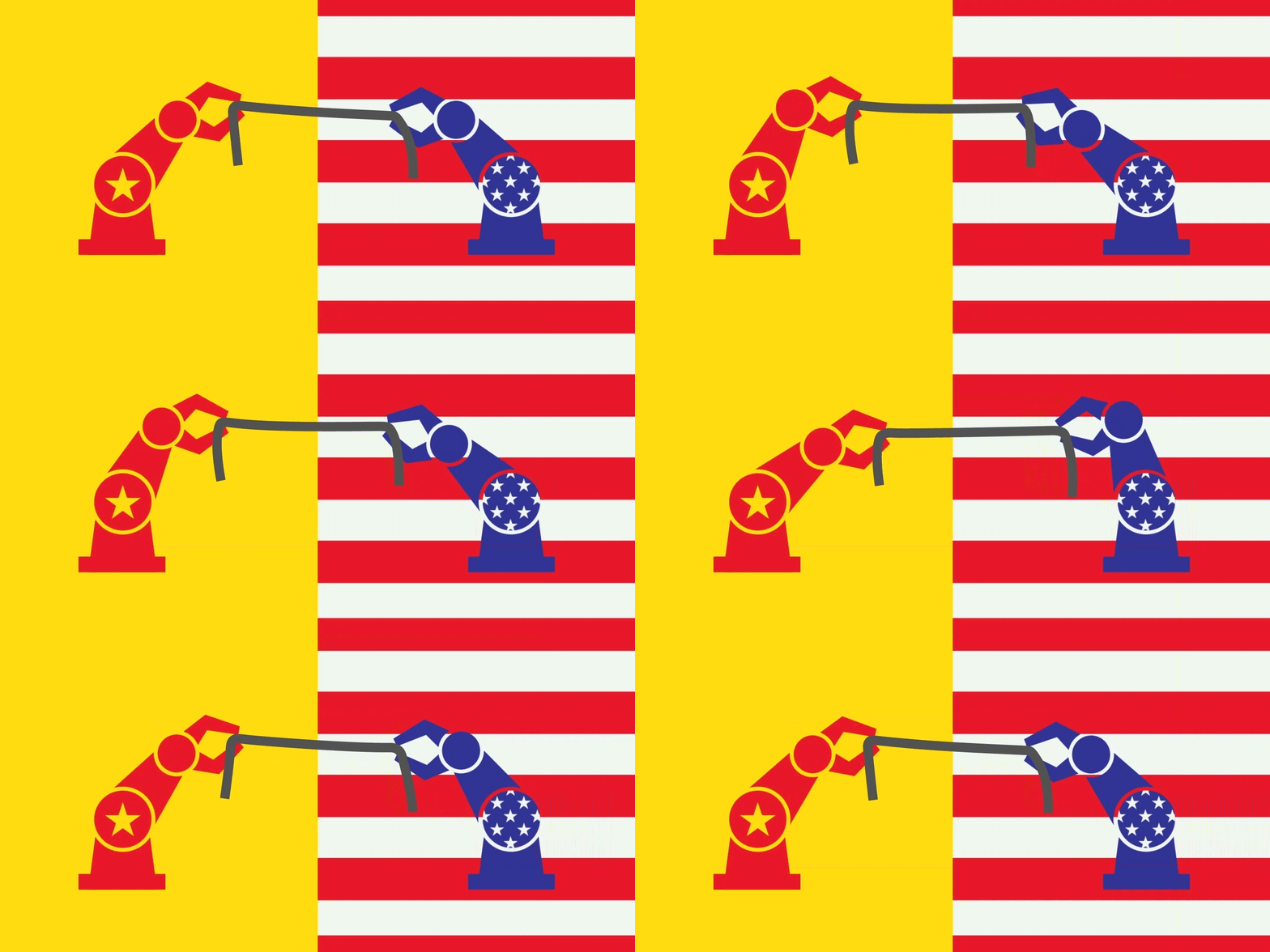
But one relief valve that might otherwise be available, cannot be availed by US big tech companies like Apple, Microsoft and many others. And that are memory chip providers in China.
Of course due to the US/China geopolitical trade and tariff kerfuffles. And of course lobbying by some of the aforementioned chip companies like Micron above.
“Prices soar because capacity isn’t growing quickly, while China option is limited by national-security concerns.”
“A memory-chip shortage, driven by artificial-intelligence demand, is hitting consumer-technology companies and raising prices.”
“U.S. lawmakers approved billions for chip manufacturing, but it takes years to get new factories up and running.”
“National-security rules hinder collaboration with Chinese firms, despite some companies seeking loosened restrictions.”
“The last thing President Trump wants is another hit to consumers’ pocketbooks. But there is little policymakers can do to quickly address the memory-chip shortage behind Apple’sdecision to raise prices.”
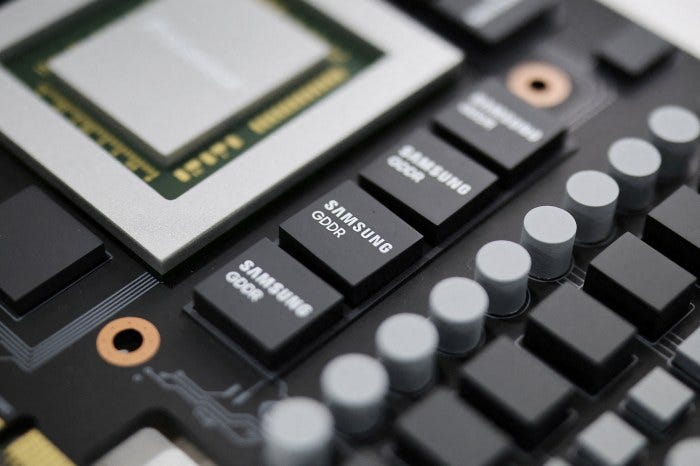
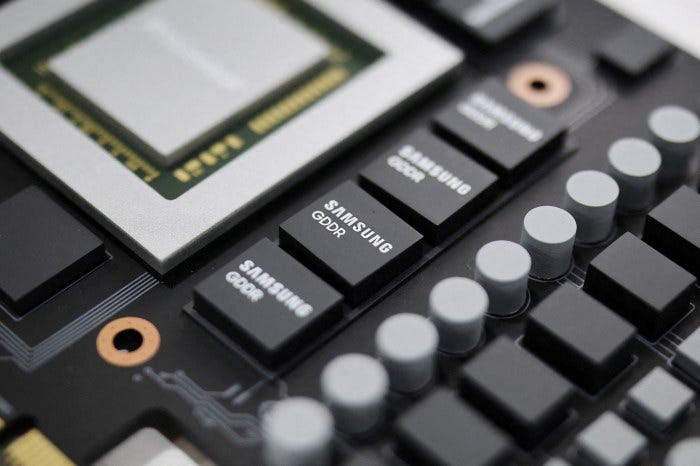
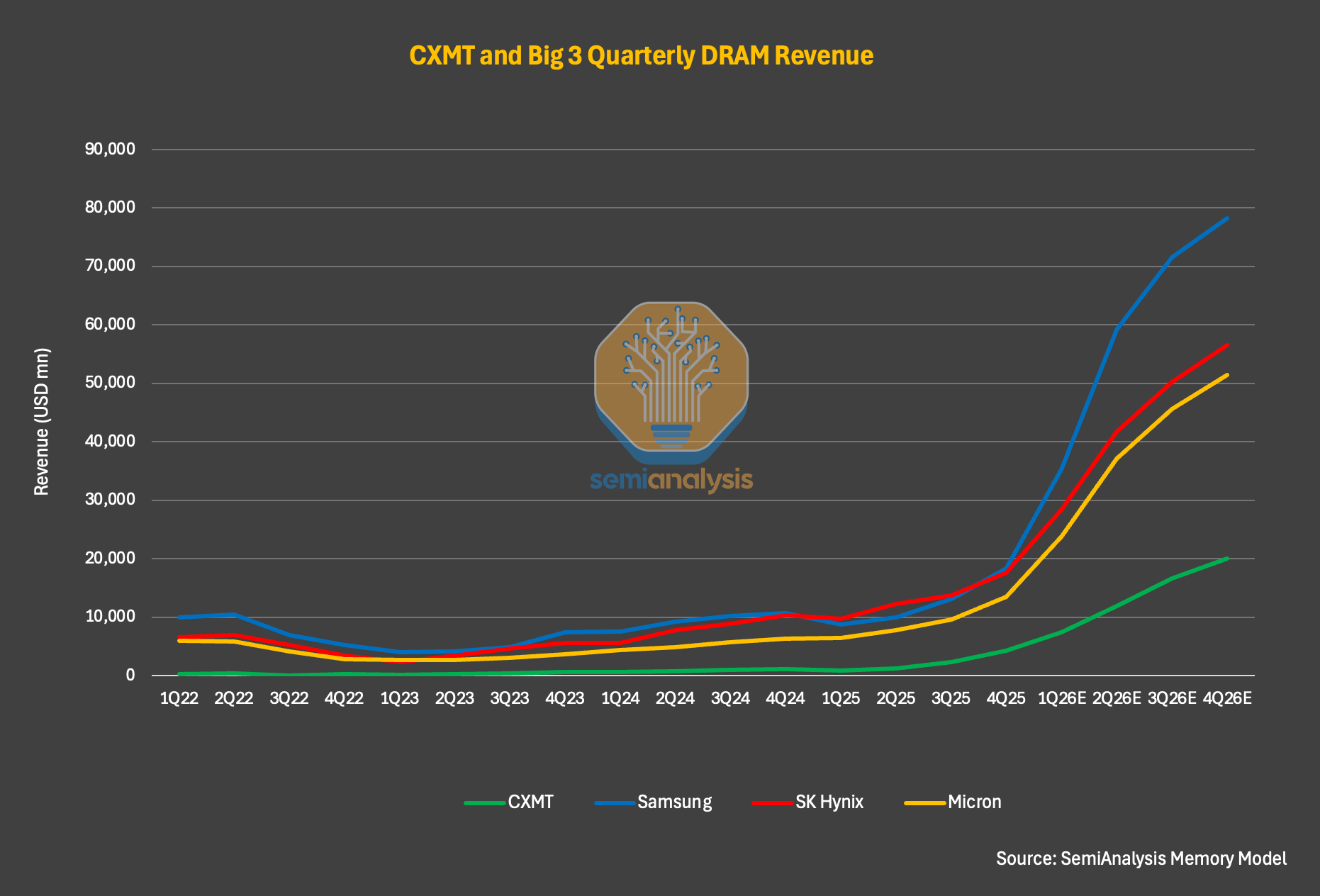
“Only a handful of companies make memory and storage chips, and it takes years to build new factories. Three industry titans—Samsung Electronics, SK Hynix and Micron Technology—dominate the business of memory chips, also called DRAM. They are using much of their capacity to serve the fast-growing artificial-intelligence industry, squeezing consumer-technology companies.”
The US has been supporting memory chips in the US on a selective basis.
“U.S. lawmakers have approved tens of billions of dollars in grants and tax credits to expand semiconductor manufacturing in the U.S., including memory-chip factories being built by Micron in Boise, Idaho, and Clay, N.Y., near Syracuse. The problem is, the first of the new Idaho facilities won’t open until the middle of next year, and the New York plant won’t start production until 2030.”
“You have this fast-moving technological shift, but you’re constrained by slower moving physical systems like manufacturing,” said Kathryn Mitchell, a tech-policy adviser at law firm DLA Piper who previously helped fund chip projects at the Commerce Department.”
“Burned by past boom-bust cycles, the big memory-chip producers are cautious about creating another glut, which is why their spending on new plants remains relatively conservative.”
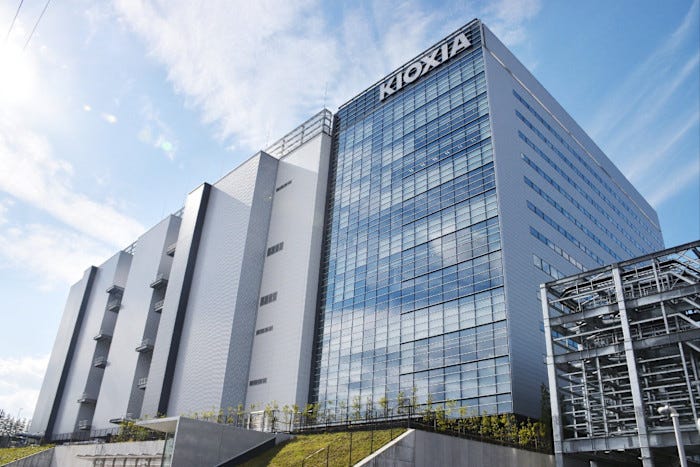
“That is also true for the makers of storage chips known as NAND, which include the three titans plus Kioxia and Sandisk. The caution comes despite gross profit margins that have soared to records: in Micron’s case, 80%.”
“As recently as 2023, South Korea’s SK Hynix—now valued at more than $1 trillion alongside Samsung and Micron—was losing billions of dollars and cutting production during an industry downturn. Micron cut 15% of its staff that year.”
“Not long after, AI took off, stoking demand for a particular memory chip well-suited for use in computers that train and query popular artificial-intelligence models. AI data centers also need large quantities of more traditional memory chips.”
““The AI companies have the deepest pockets in the economy and they’re outbidding everyone else for memory,” said Jim Secreto, a consultant who worked in the Commerce Department during the Biden administration. “The rest of us just have to pay for it.”
The administration has been focused on the broader array of chips in the US.
“Trump and Commerce Secretary Howard Lutnick have focused on getting chip companies to increase their domestic investments to access subsidies from the 2022 Chips and Science Act and have threatened tariffs on semiconductor producers that don’t invest enough in the U.S.”
“Trump could direct the memory-chip makers to allocate a certain percentage of their output to consumer-technology products. Such an arrangement, however, would be difficult to enforce and could lead to shortages in other market segments, industry executives and analysts said.”
In the meantime, there’s what’s going on in China in terms of ramping memory chip supply for the world. The one the US has been busy in trade, tariff and geopolitical kerfuffles. Seeming to thread the needle with meetings and counter meetings. Next one up when China’s President Xi visits the White House this September.
Soon will be as familiar as SK Hynix and Samsung around the world. Apple is trying to expand their memory sourcing there of late, despite frowning by the US government.
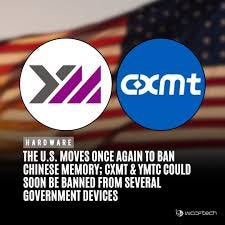
“Two Chinese chip makers—CXMT, the country’s top DRAM producer, and Yangtze Memory Technologies [YMTC], which focuses on NAND storage—are growing fast and want to expand their global clientele. China is the closest thing to a quick fix for the chip shortage, but the solution is at best partial.”
“Yangtze Memory is building three new factories in China that would more than double its current capacity by the end of 2027, people familiar with the plans said. Meanwhile CXMT is seeking to raise $4 billion in an initial public offering in Shanghai, and it is building new factories. It said its revenue rose by more than 700% year-over-year in the first quarter of 2026, though it acknowledged that its products still trail those of the three industry leaders.”
Water, water everywhere, but not a drop to drink for US companies it seems, to paraphrase the 1798 poem by Samuel Taylor Coleridge.
“U.S. national-security rules make it hard for American companies to work with Chinese memory-chip makers. The goal is to protect U.S. technology secrets as well as the market position of Micron and suppliers based in South Korea and Japan, both U.S. allies.”
Micron of course is keenly aware where its bread is buttered in the short run.
“Micron, an Apple supplier, has been lobbying for even stronger restrictions on U.S. partnerships with Chinese firms deemed security risks, people familiar with the talks said. In Congress, lawmakers have introduced bipartisan legislation backing that position. Micron recently started production on a new supply line as part of an expansion at a Manassas, Va., plant and has pledged to invest some $200 billion across the country.”
“Kevin Wolf, a lawyer at Akin Gump who worked on export controls in the Obama administration, said the question for policymakers was: “What is the greater threat, the shortage or propping up China making advanced memory?” Wolf said that in his view, propping up China would be bad for national security.”
The choice against China seems short-sighed of late.
“Yet the memory-chip shortage has gotten bad enough that some big consumer-tech companies have asked administration officials to loosen the restrictions on working with China. The companies also want the U.S. to make it easier for Samsung and SK Hynix to boost production in China.”
“Apple Chief Executive Tim Cook said in a Wall Street Journal interview that “everything needs to be on the table” regarding policy choices.”
“In 2022, Apple worked with Yangtze Memory to prepare the Chinese NAND maker to become one of its suppliers of flash storage but was forced to abandon that plan when lawmakers opposed it.”
“Some of the world’s biggest personal-computer makers, including HP, are in talks with supply-chain partners about using CXMT memory chips in products bound for Asia, people familiar with the discussions said.”
And going up against SK Hynix and Samsung in South Korea, as well as Micron in the US. Not far beyind is the other major Chinese memory company YMTC mentioned above.
They’re both poised to be the two companies to go up against the troika of memory chip kings today. With or without US government policies on US companies being able to access memory chips via Chinese suppliers.
This is an overall dynamic worth tracking closely in this AI Tech Wave through the end of this decade at least. There are some other short-term supplies of water without compromising US security and geopolitical interests.
It gave us the US tech leadership enjoyed today. Supplied by chips from aroumd the world, including China.
But for now, that source of chip supply is capped. Until we potentially see a resumption of memory chip supplies globally.
And see the global chip companies finally making more, like regular potato chips. Stay tuned.
(NOTE: The discussions here are for information purposes only, and not meant as investment advice at any time. Thanks for joining us here)
Autos How EV batteries are holding up in real life. (newatlas.com) How the spreads of EVs will affect home prices. (klementoninvesting.substack.com) BYD...
Happy shopping day. I want to thank all my readers so today I am offering a 50 percent discount on all your insults to me for this already free newsletter....