
AI: Weekly Summary. RTZ #1011


-
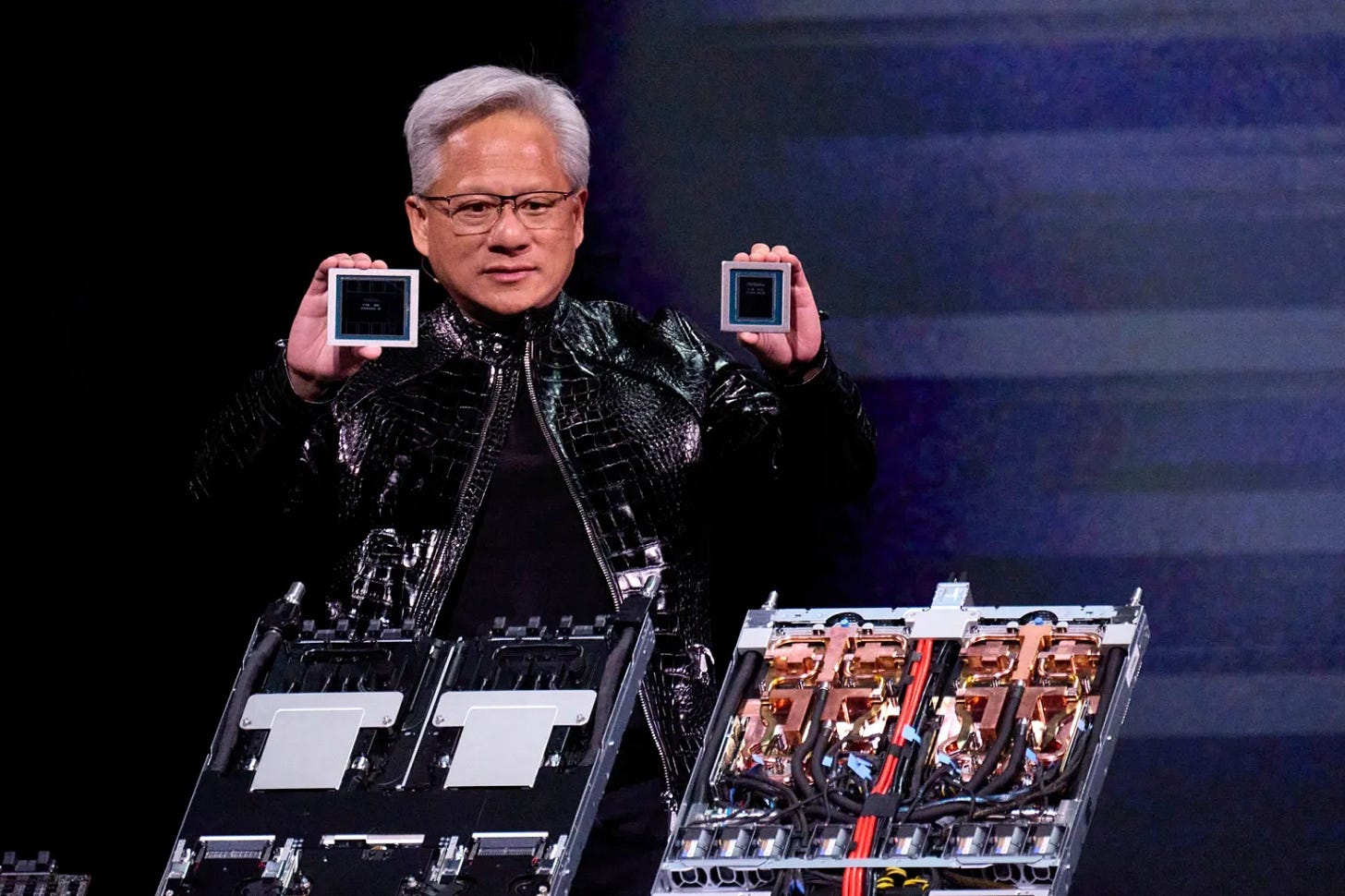
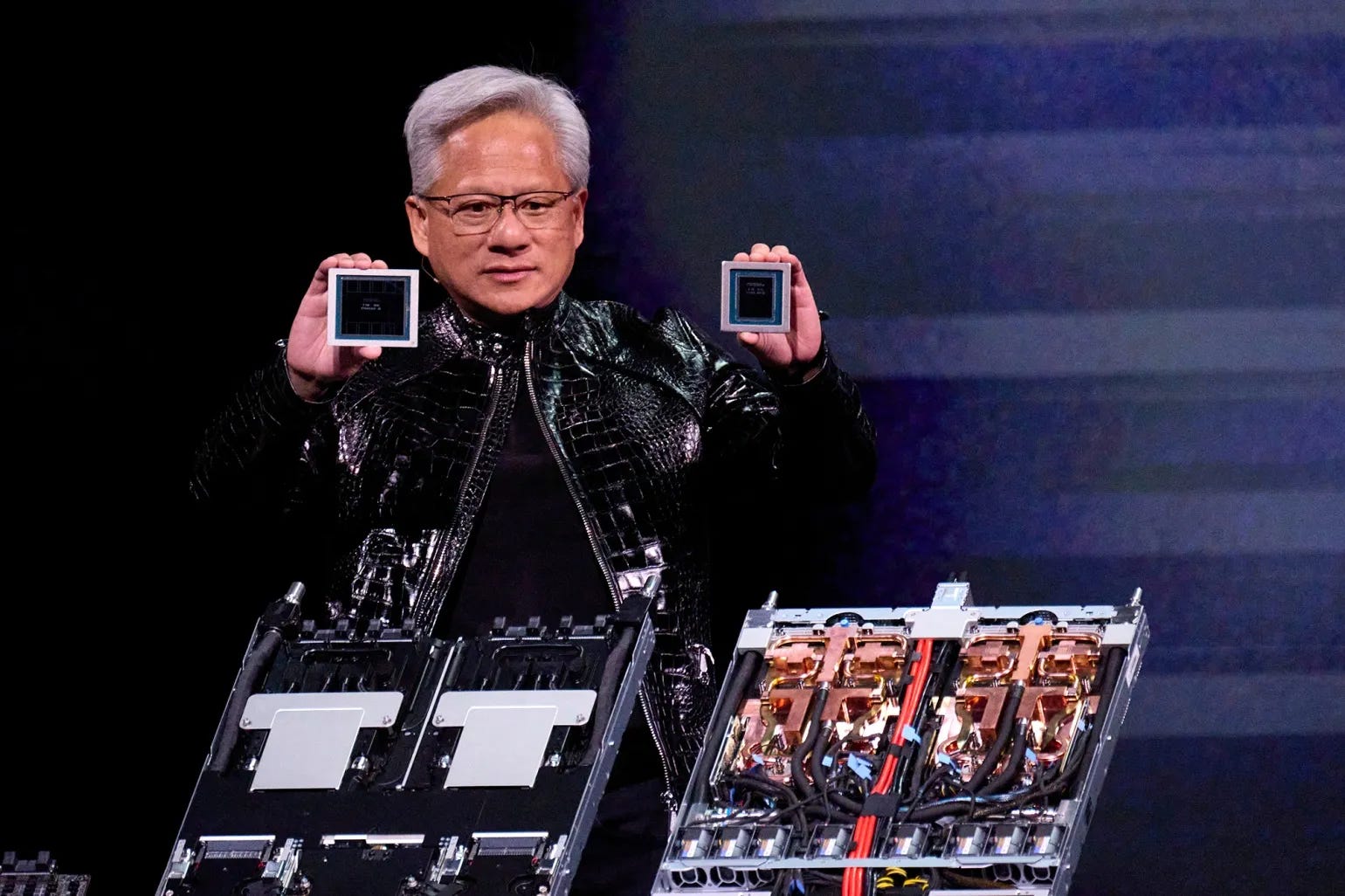
Nvidia Earnings Reign Again: Nvidia logged another strong quarter, capping Q4 and F2026 with expectations beating prior results. All key metrics, revenues, EPS, margins beat consensus and guidance expectations. The stock sold off on the news, with investors continuing to focus on near-term issues of big tech AI capex spending, which will surpass $700 billion in 2026 and go up from there for the foreseeable future. Also in the mix are ongoing fears of AI’s impact on the broader software industry, dubbed ‘Software Apocalypse’. And ongoing concerns over white collar job losses starting at big tech and spreading broadly from there. This in the face of historical evidence of new tech waves expanding markets that are initially impacted (aka Jevon’s Paradox). Nvidia founder/CEO Jensen Huang made this argument forcefully of course in the quarterly conference call. More here and here.
-
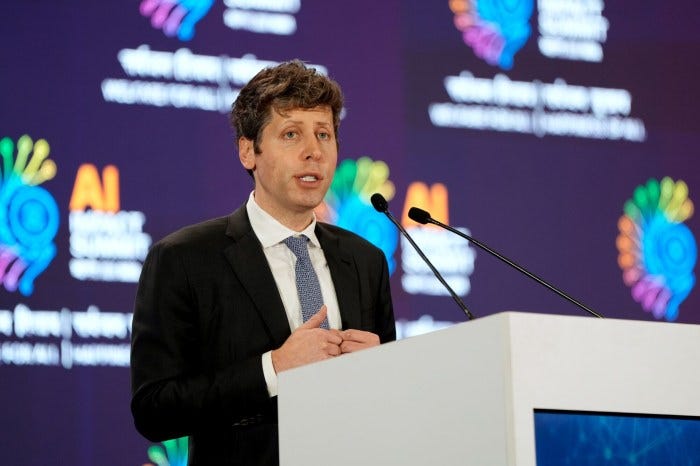
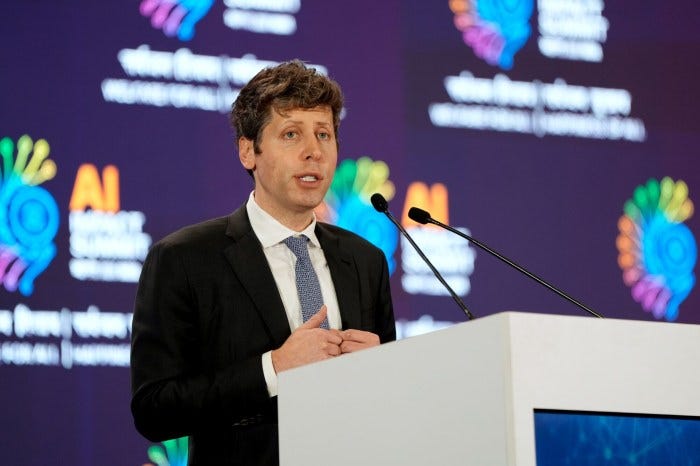
OpenAI’s Challenging Races: OpenAI closed its long-expected $110 funding round at a $840 billion post-valuation, with backing from Amazon, Nvidia, Softbank and others. This positions OpenAI for an IPO likely in the second half of the year, along with Anthropic and SpaceX/xAI vying for their ‘mega-AI IPOs’ as well. The new strategic investors also mean ongoing diversification for OpenAI on its cloud services providers, besides Microsoft Azure. OpenAI is also racing to maintain and expand its ChatGPT market leadership vs Google Gemini, Perplexity and others. It’s now in its fourth year, with an expansion into AI Agentic services. Leading the charge there is Anthropic with Claude Code and CoWork. OpenAI’s countering those products with its Codex product for Developers, and recent OpenClaw ‘acqui-hire’ of AI Agents ‘guru’ Peter Steinberger. OpenAI’s other major priority this year remains executing on its AI Data Center ramp dubbed ‘Stargate’, in partnership with Softbank, Oracle and others. More here.
-
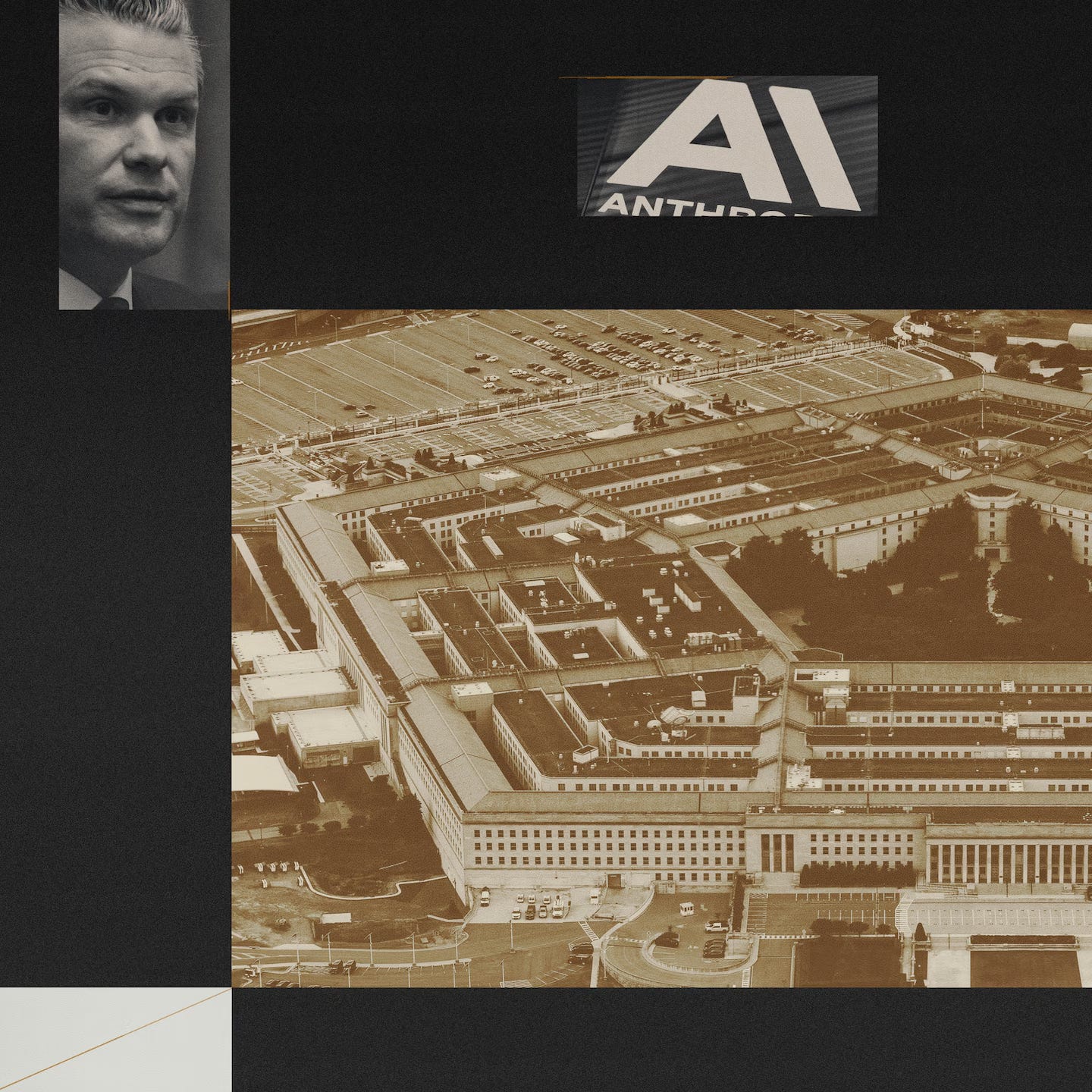
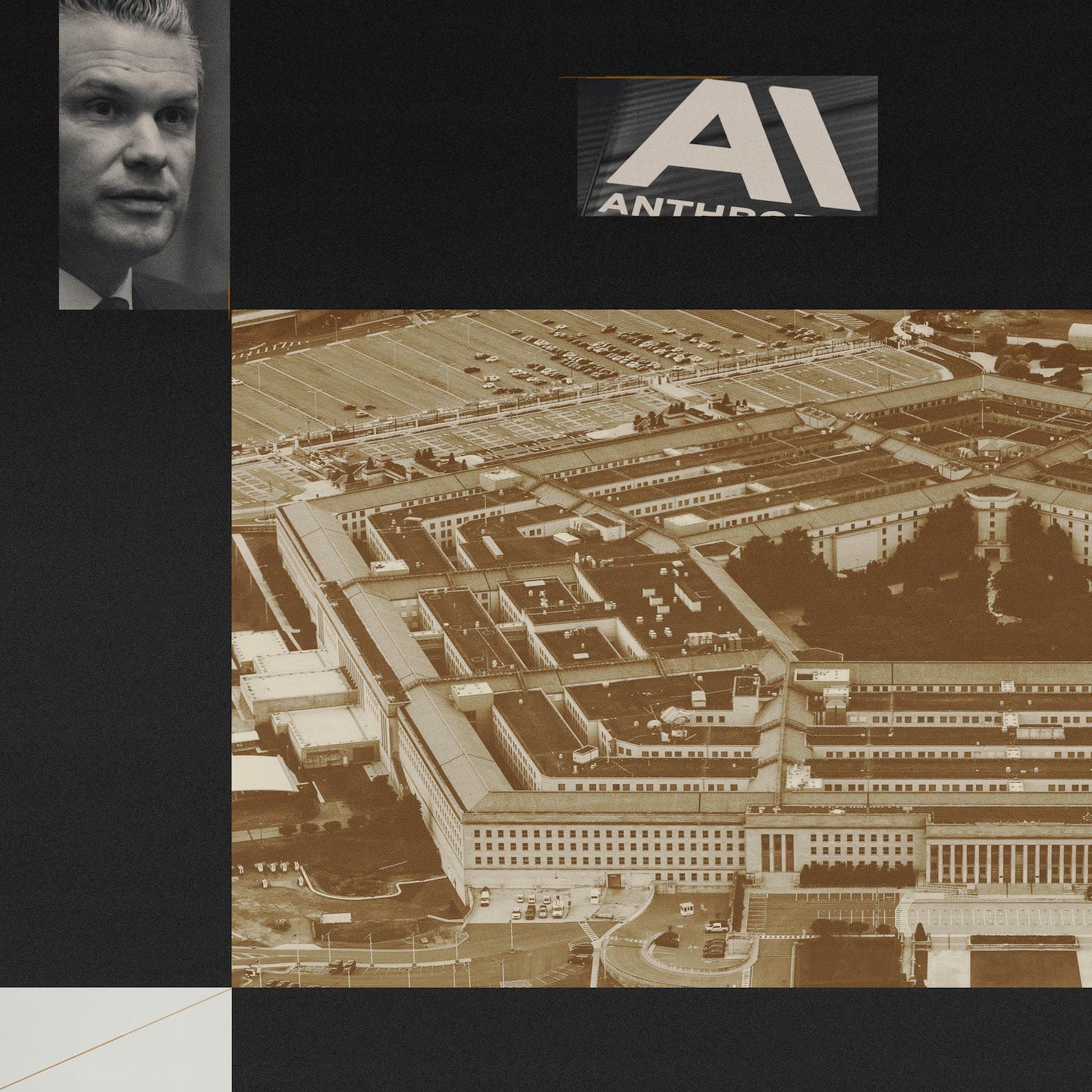
Anthropic vs DoD: It’s time for a deeper dive on Anthropic founder/CEO Dario Amodei holding the line vs DoD demands, given the rising debate over AI safeguards for society at large, especially in the realms of universal surveillance, and AI controls of weapons systems without humans in the loop. It’s also an issue for the broader LLM AI providers like OpenAI and others. And has tech implications globally, as other nations watch the US example, and shape their policies around AI and Defense applications For now, the Pentagon is taking steps toward blacklisting Anthropic, while also figuring out ways to force Anthropic to comply with its requirements. This contradictory set of affairs is more of an ongoing negotiation, given the leverage Anthropic does have for now with its market leading Claude Code product that seems to have broader and deeper traction with developers than its peers. More here.
-
Apple’s Memory Resiliency: More evidence that the global memory shortage in the face of the AI boom is hurting the local end of the spectrum of AI devices from PCs to laptops to smartphones. Samsung confirmed memory price impact on its latest S26 smartphones. HP, the number two US PC vendor, cited memory as now the most expensive component for its laptops and computers, comprising 35% of its bill of materials, up from an already high 18% last year and 9% the year before. The driver here of course is the global AI capex boom, and the oligopolistic memory supplier chain comprising SK Hynix, Samsung and Micron. This means that while the cloud and chip companies will likely be able to get their supply of memory chips, the multi-hundred million unit segment of AI PCs and smartphones, will see price and availability skew and slow the market in terms of end users globally. Notably and Ironically, Apple is potentially the most resilient link in this chain. With CEO Tim Cook’s multi-year focus on robust supply chains for its own Apple Silicon and related chips, Apple has more flexibility vs its PC and Smartphone peers on pricing and availability for its next generation ‘AI capable’ versions of its devices. Apple now is in the unique position of being a better value relative to competitors across the hardware spectrum, from computers to laptops to smartphones. A position that it should be able to hold for a couple of years at least. More here.
-
Elon’s SpaceX/Starlink Realities: While Elon Musk sharpens the narrative for his June expected SpaceX/xAI IPO at north of a $1.25 trillion valuation, beyond ‘AI Data Centers in Space’ and eventually ‘fully reusable’ rockets, he needs to tell the Starlink story at SpaceX as well. Starlink, which already totals over two-thirds of satellites orbiting the earth, has on the surface, an attractive subscription model narrative around providing internet access to markets not in the urban zone of internet connectivity on earth. This while there’s rising competition from competing sovereign networks, and providers like Amazon with its Leo network, Globalstar and others, The latter is a partner with Apple, who is keenly interested in satellite based internet access for its phones beyond emergency SOS text capabilities. This part of SpaceX will continue to need additional focus and investment, along with the rapidly accelerating AI data center requirements for xAI, to keep up with the other hyperscalers. More here.


Other AI Readings for weekend:
-
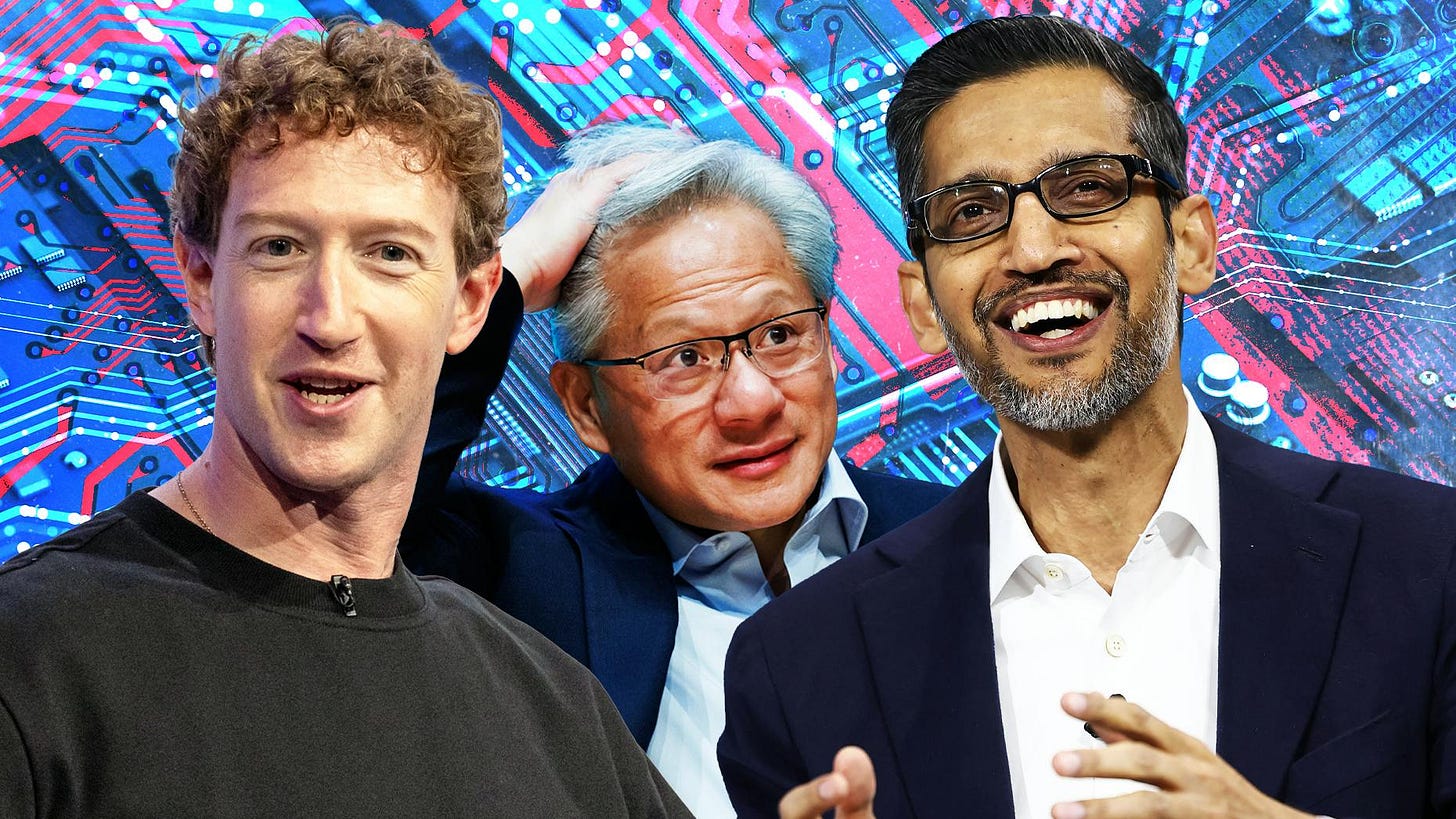
Google secures another victory with Meta as another TPU Cloud customer beyond OpenAI and others. More here.
-
Netflix to do without Warner Brothers Discovery, leaving Ellisons with Oracle backed prize. Refocuses Netflix competition with Google YouTube powered by creator generated contentMore here.


(Additional Note: For more weekend AI listening, here’s the latest AI Ramblings Episode 43 on topical items):
Up next, the Sunday ‘The Bigger Picture’ tomorrow. Stay tuned.
(NOTE: The discussions here are for information purposes only, and not meant as investment advice at any time. Thanks for joining us here)


