
AI: Weekly Summary. RTZ #1032


-
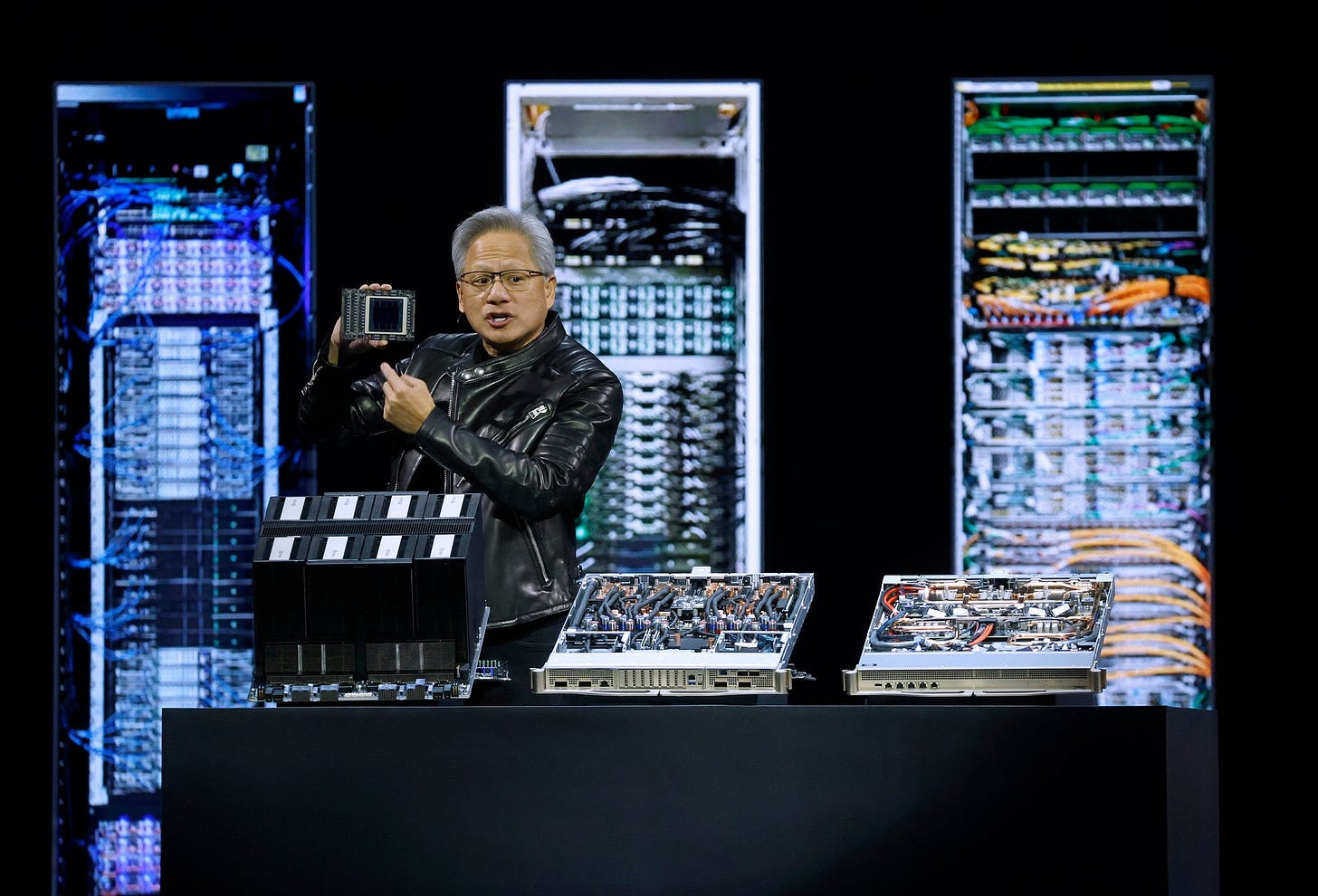
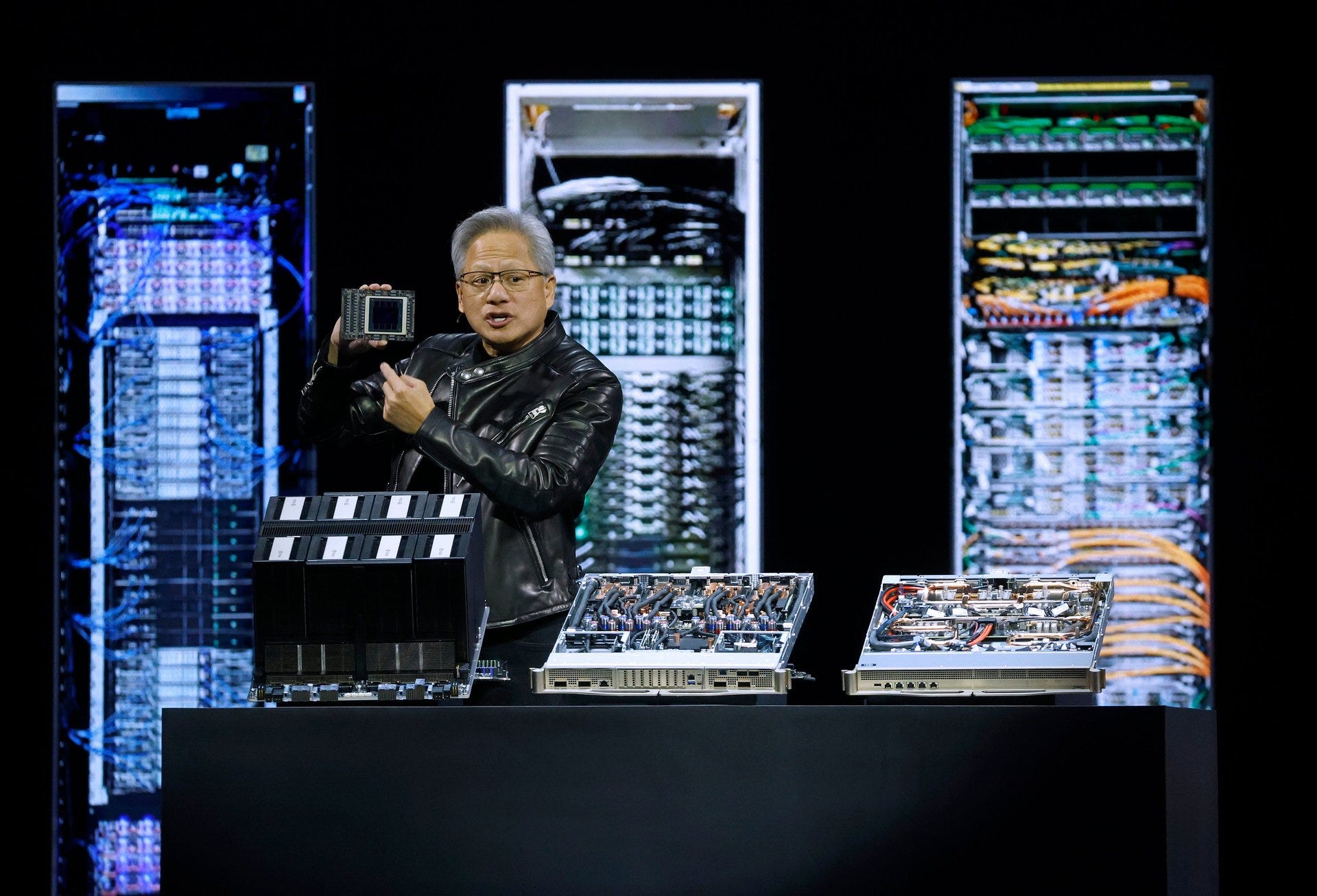
Nvidia GTC 2026 Trillion+ $ AI Roadmap: Nvidia rolled out an unexpectedly super-sized AI product roadmap at its 2026 GTC, flanking most competitive prospects in the near term. Founder/CEO Jensen Huang’s detailed Keynote had a dense, deep and diverse array of its AI hardware/software offerings being upgraded rapidly, to meet a plethora of user needs globally. The biggest headline was a doubling of expectations of AI Infrastructure sales to the top AI hyperscalers from half a trillion plus last year, to over a trillion by 2027. Notable in particular was its post Blackwell line of AI Compute infrastructure dubbed Vera Rubin, with over half a dozen varieties of combinations of CPUs, memory and AI GPUs, all bolstered with Nvidia’s next generation connection technologies. Nvidia also addressed its perceived vulnerability on accelerating AI Inference chip demand, with its Groq 3 LPU offering shipping only weeks after its $20 billion acquihire of those technologies and key people. Also of note was NemoClaw, it’s secure version of OpenAI OpenClaw’s runaway open source software success globally, including China. Nvidia is also making important headway with its self-driving Alpamayo and Thor hardware and software computing platform, with an expanding array of global customers including Nissan, BYD, Geely, Mercedes and others. Similar progress on the AI robotics side with over a hundred different companies and platforms using Nvidia AI hardware and software like Gr00t and others. Overall, the roadmap provides vivid clarity on Nvidia’s moats and parth to over a trillion dollars in revenues in just a couple of years ahead. More here and here.
-
OpenAI’s new AI ‘SuperApp’ focus: OpenAI plans to consolidate ChatGPT, Codex app, and its AI browser into a desktop ‘SuperApp’. It’s an extended ‘Code Red’ shift away from ‘side quests’ within OpenAI, with more of an enterprise and coding customer focus. It comes with notable organizational changes to meet the challenge and opportunity. And it’s an effort to leverage AI Agents into mainstream user habits ahead of offerings from Anthropic, Google and others. It also is an emphasis by OpenAI towards the enterprise AI space to block Anthropic, which is running away at the moment in that category. While being led by an ex-Meta executive in charge of all AI applications at OpenAI. The initiative is the latest from its ‘CEO of Applications’ ex-Meta exec Fidji Simo, aimed to refocus OpenAI’s wide number of offerings into a simpler, easier to use application by mainstream users, particularly in the enterprise. While OpenAI has hired droves of ex-Meta folks with consumer and ad-monetization expertise. As mentioned earlier, the move is partly a response to Anthropic’s runaway success of late with its Claude Code software, and its recent Cowork application built on top of it. Microsoft, OpenAI’s long time investor and partner, recently also invested in Anthropic, and just launched a re-branded ‘Copilot Cowork’ using Anthropic’s product, to leverage against its 450+ million Microsoft Office user base globally. For OpenAI, this latest ‘SuperApp’ move is a way to potentially focus more of its technical chops, OpenClaw and others, around AI Agents in the workplace and home applications. While it also races towards an IPO this year, along with Anthropic. More here.
-
Google Gemini ‘Personal Intelligence’ ramps Mainstream: Google is racing ahead with Gemini AI ‘Personal Intelligence’, making its agentic capabilities now available to the free tier of Google users. And integrating both the search and agentic capabilities of Gemini into a whole host of Google apps from the bottom up. These include everything from Gmail to Google Maps to Google Photos and more. Also to be expected would be similar integrations with core Google/Alphabet properties like YouTube. That collectively covers billions of daily users of Google properties around the world. All that of course leverages the personal data (with permission presumably), back into Google Gemini AI for post-training scaling. And weaving Google Gemini AI into their basic work and home habits. We are now in the distribution phase of AI chatbots and agents, and Google is in the pole position here vs OpenAI and Meta in particular. Particularly with its Gemini technology partnership with Apple, as that company integrated it into its Siri and other applications in its 2.5 billion strong global user ecosystem. Google’s Personal Intelligence approach also gets to emphasize trust, security and privacy as a differentiator vs competing offerings by Meta and others. Google’s vertical stack including its TPU compute infrastructure is a key competitive advantage vs its peers. Currently, Apple continues to lead on the mainstream end-user trust metric globally, with Google in second place. Anthropic likely leads OpenAI on trust perception amongst the AI startups. And Meta and Elon Musk’s xAI/X/Grok, bring up the rear with a relative global trust deficit. As they all race to offer mainstream AI products and services while investing countless billions. More here.
-
Helium latest global AI Supply Constraint: The US/Iran War is introducing a global helium shortage as a new supply constraint in building AI Data Centers and other Compute infrastructure. Helium is a key input in the fabs used to manufacture AI GPUs, memory and a whole host of other chips. And a lot of its supply to fabs in Taiwan, South Korea and other points in Asia, go through the currently embattled Hormuz Strait. Prices of course have jumped up a lot, anticipating at least a month- long interruption in the supply chain. This exacerbates the shortage of other components for the AI investment boom, including memory and other chips (see below). Tech supply stalwarts from TSMC to SK Hynix to ASML in the Netherlands are impacted by this development. It’s all ironic given how helium and hydrogen were the two most basic elements that kicked off the creation of the universe with the Big Bang 13.8 billion years ago. Helping the tech industry recently, convert sand into AI intelligence tokens here on earth, with a little bit of energy. More here.


-
Memory Supply Constraints thru 2030: The chairman of SK Hynix, the largest of the three global memory chip suppliers along with Samsung and Micron, reaffirmed the global shortage of memory due to the trillion dollar global AI capex boom, running at least through 2030. With anticipated supply shortages of over 20% from baseline. Covering both high bandwidth memory of AI Data Centers, to local memory chips for computers, laptops, smartphones and AI devices. In fact, the impact on the latter front is giving an edge to companies with long-term supply contracts like Apple to move into the ‘value’ segment of the market. This at the expense of hundreds of Windows computer and Android smartphone OEMs, especially in Asia, who do not have the long-term supply contracts and the lead customer position with the major chip companies like the ones above and TSMC on the wider base of chips. The bill of materials of memory has gone from single digits to over a third in many cases of laptops and smartphones. Thus Apple has an opening with its new $599 Macbook Neo, competing against low end windows and chrome OS laptops. We’re seeing sharp retrenchment of laptop and smartphone offerings from dozens of OEM manufacturers already. Also impacted are plans for new AI devices that are increasingly being made non-viable due to memory chip shortages and price increases. These trends are now a part of the landscape through this decade. More here.
Other AI Readings for weekend:
-
Amazon’s Jeff Bezos raising a $100 billion AI Manufacturing Fund, with global investors, extending Amazon’s infrastructure investments. More here.
-
Investors assess Elon Musk’s SpaceX/xAI June mega-IPO. More here.
(Additional Note: For more weekend AI listening, here’s the latest AI Ramblings Episode 46 on topical items. This week, the Mad, Mad, Mad, Mad Race for AI Agents & More):
Up next, the Sunday ‘The Bigger Picture’ tomorrow. Stay tuned.
(NOTE: The discussions here are for information purposes only, and not meant as investment advice at any time. Thanks for joining us here)


