
AI. Weekly Summary. RTZ #990


-
Google’s Quarter & Doubling AI Capex: Google brought in strong Q4 and year end results, relative to expectations. Annual revenues crossed $400 billion for the first time with over $132 billion in profits. And its AI capex for Google Cloud and core businesses were projected to reach over $175 billion, vs $92 billion in 2025. Also notable was Google’s industry leading Gemini 3 app surpassing 750 million monthly active users, closer to rival OpenAI’s reported 900 million on the same metric. Reviews of the quarter were generally upbeat, with some asking CEO Sundar Pichai ‘to take a bow’. Google in particular ‘came from behind’ in LLM AIs, with Gemini in particular, and forced OpenAI to declare an internal code red on the fourth year of its iconic ChatGPT launch. Also notable was Google’s big distribution deal for Gemini with Apple, with Apple Siri and other products to be released later this year. Google is also making headway with its vertically integrated TPU architecture for its AI Data Centers vs Nvidia and other competitors. More here.


-
Amazon’s Quarter & $200 Billion 2026 AI Capex: Amazon followed its peers with strong overall and AWS Cloud results. And committed to investing over $200 billion this year on AI Capex, up over 60% over 2025. Investors who have both rewarded and sold off other big tech companies with robust AI capex spending, took Amazon down over 10%. So far, Microsoft, Google, meta and other tech companies are all scrambling to build and finance massive AI data centers, with a collective spend of over $700 billion in 2026. That is close to the 2026 national budget for Japan, and great than those of Germany and Mexico. While investors rewarded Meta and Google for aggressive AI capex spending plans, they took down Microsoft and Amazon for ‘not growing their AI related businesses quickly enough’. Amazon reiterated that it’s selling AI data center capex as quickly as they bring it online, and believe the demand is long term. More here.


-
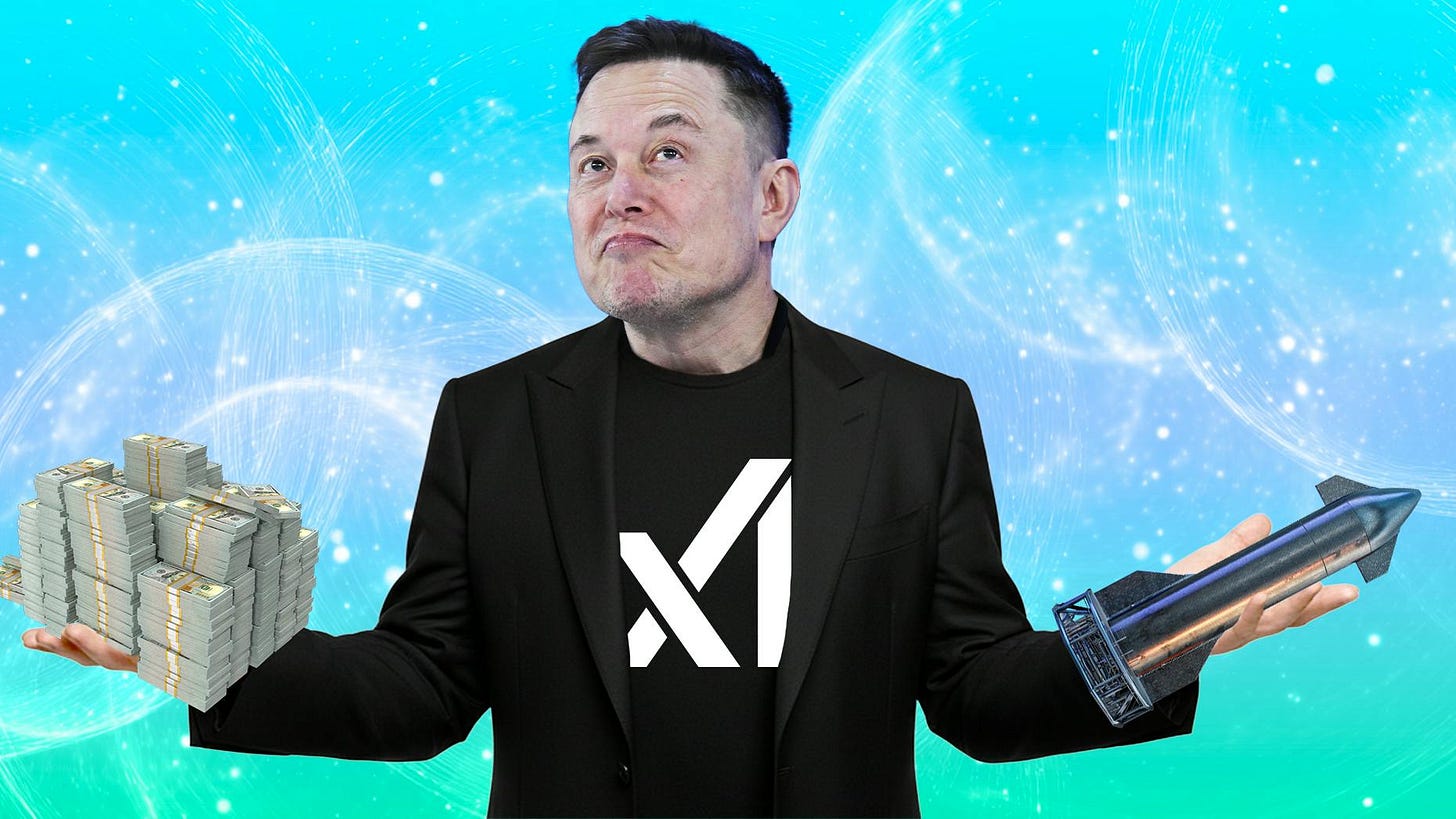
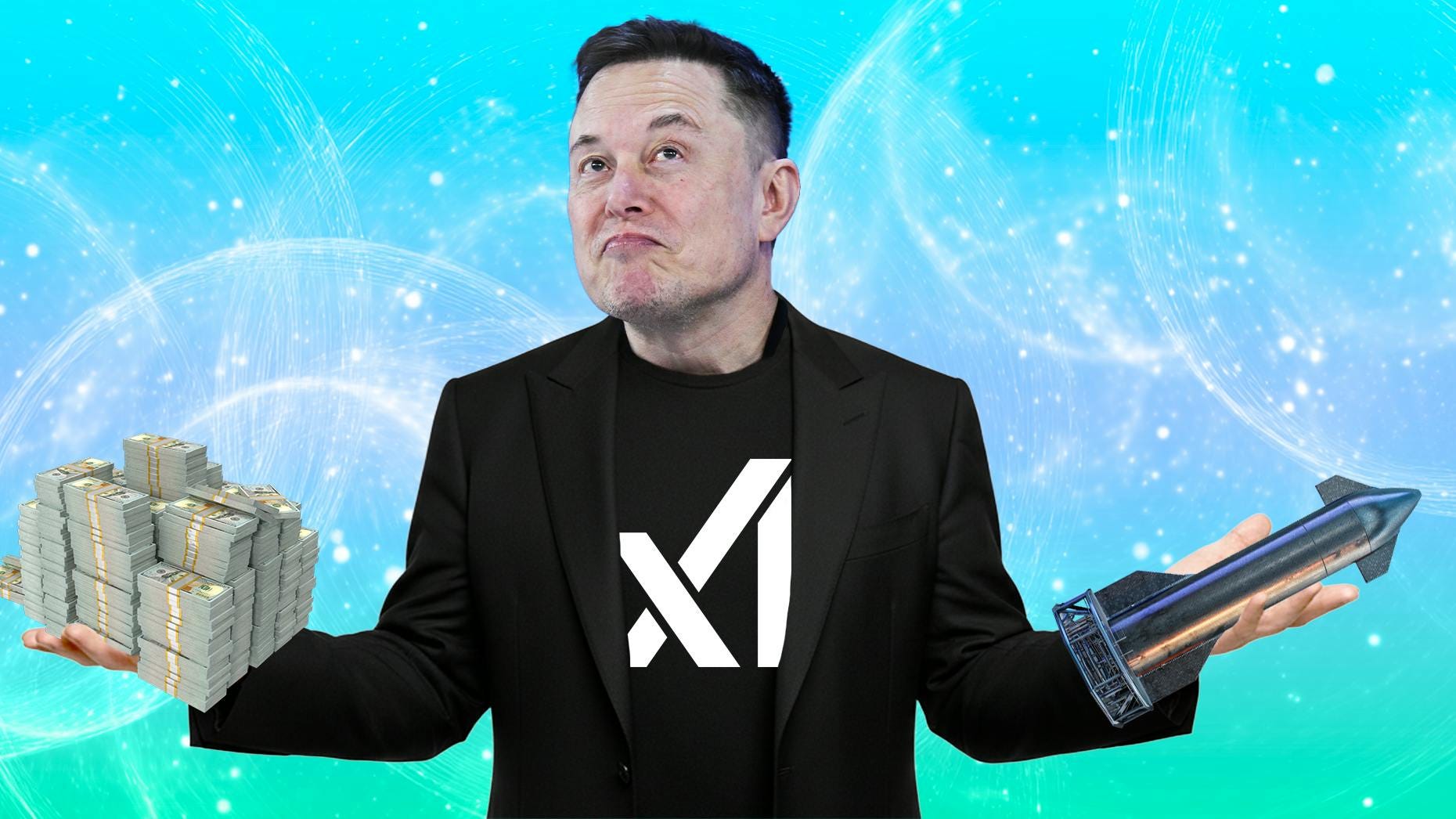
Musk Merges SpaceX & xAI/Grok: Elon Musk merged private SpaceX with xAI for a new $1.25 trillion behemoth, prepping a June IPO that would be expected to trade above that. The transaction follows an old Elon playbook where various companies are fused into larger entities. In this case the transaction facilitates higher equity and debt financing to scale AI capex in the tens of billions for xAI, which then could serve the interests of both Tesla and SpaceX. The new narrative that he’s adding for SpaceX is a potentially large market for AI Space Data Centers. While it makes for a good story, the technical and financial underpinnings of that narrative are nascent indeed. Much of the science and financial assumptions have yet to be worked out and proven. That narrative is added to the two he has already enthusiastically embraced for Tesla, humanoid Optimus robots, and self-driving Robotaxi fleets (latter going up against Google’s Waymo and others). It’s not out of the realm of possibility that he may merge SpaceX and Tesla later this year with a ‘reverse IPO’, creating a much larger close to $3 trillion market cap public entity. More here.
-
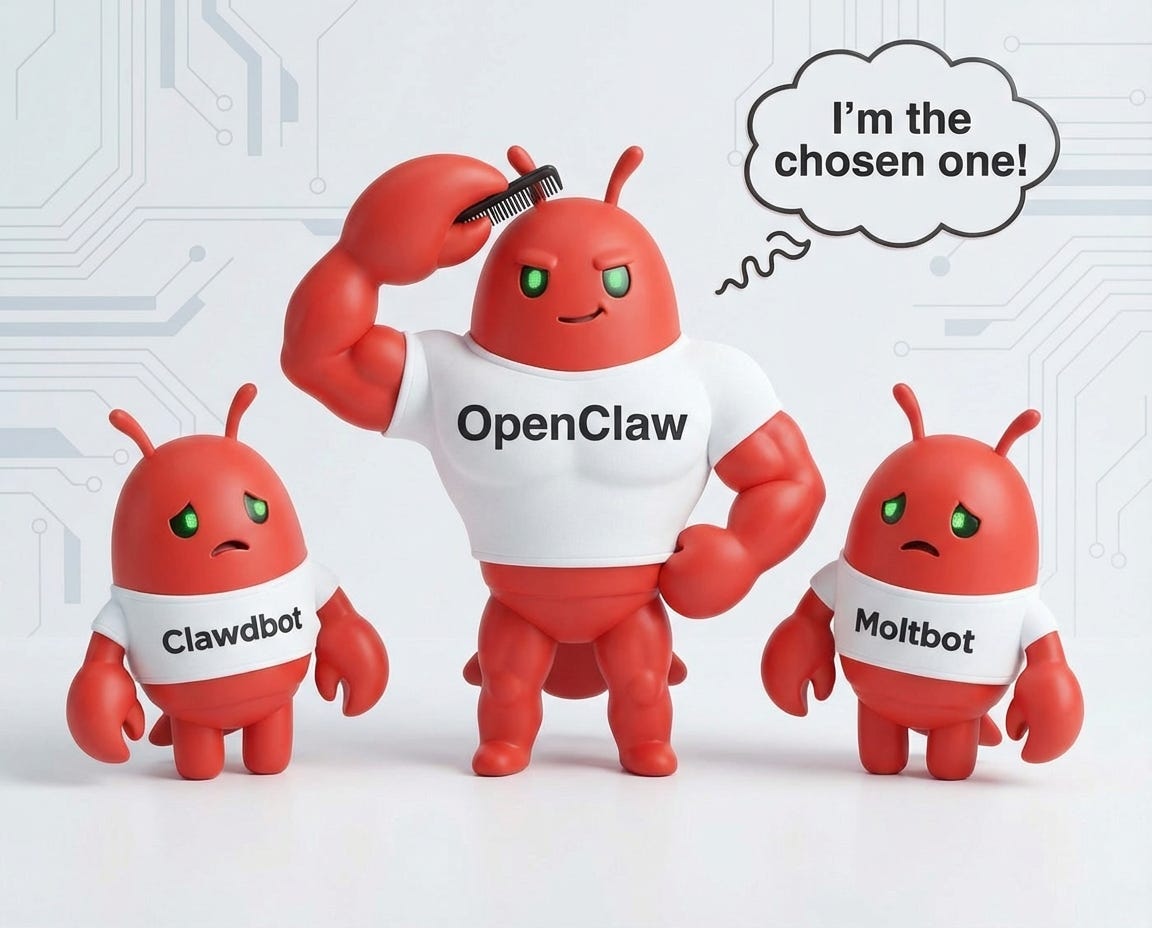
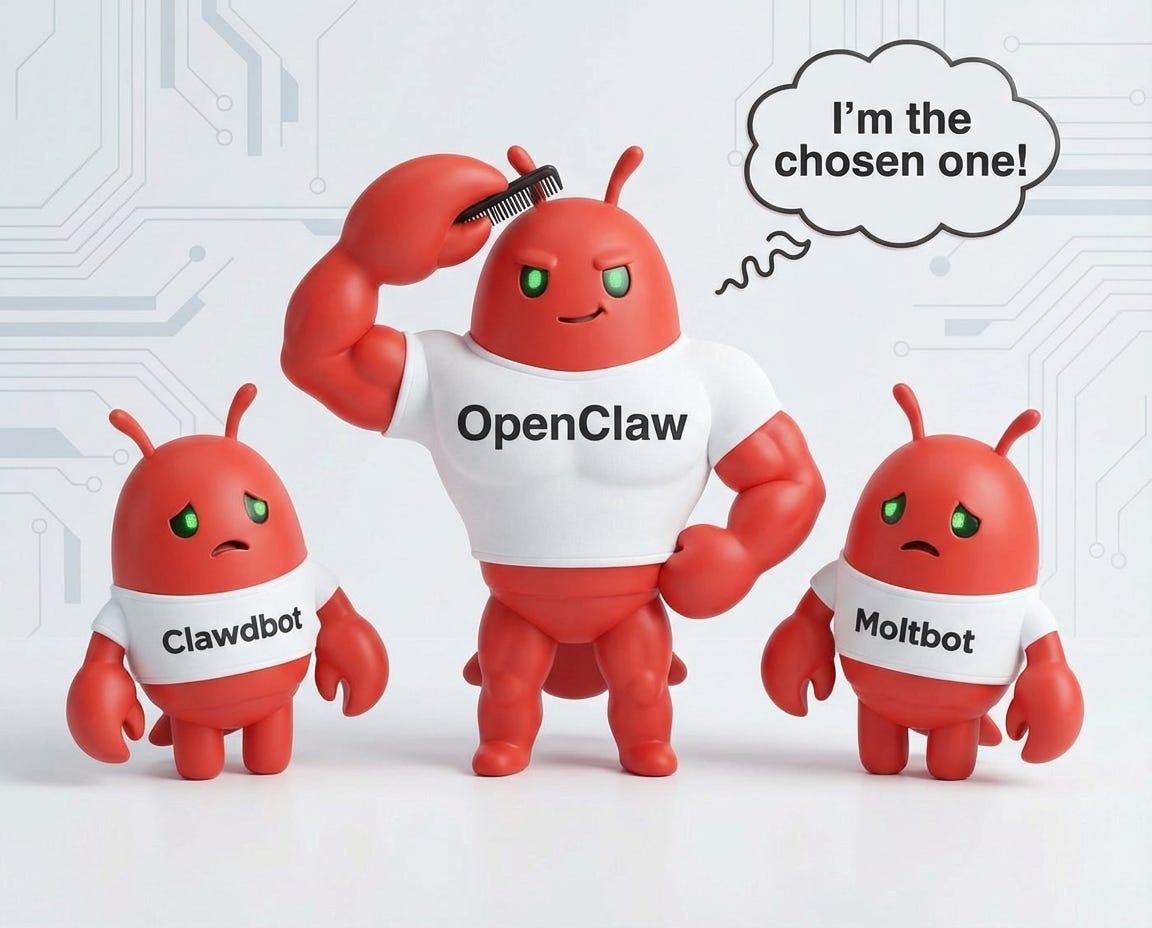
OpenClaw, a viral open source Developer Tool/Toy: The rage in silicon valley the past few weeks amongst developers of all stripes is the open source AI Agent software known as OpenClaw (formerly Clawdbot and Moltbot). It was created by software developer Peter Steinberger of Austria. The software was ‘inspired’ by Anthropic’s Claude software, and has been tried by scores of software developers. It enabled new risky, but interesting applications like ‘Moltbook’ to build on top that are ‘social networks’ for AI Agents a la Facebook mashed with Reddit for humans. Although the software is raw and not at all ready for mainstream users, and has significant risks for those building things with it, the platforms are illustrating the ‘agent to agent’ future that has been long discussed by developers as possible as possible with AI. Most exciting for a lot of software developers is that these ‘lego’ like tools allow rapid prototyping of possible AI Agents that have long been the realm of scifi than real software applications. More here.
-
Markets swoon prematurely on AI led ‘Software-Apocalypse’; Software companies swooned by over $300 billion this week after Anthropic announced some new Claude software for the legal software applications area. Application companies from Legalzoom and Expedia to private investment companies Area and Apollo and many others, fell sharply this week, with a brief respite on Friday. Market observers in some quarters are fearing horizontal LLM AI companies to take out the need for vertical software applications in a variety of domains. Dubbed an AI led ‘Software Apocalypse’, the concerns while potentially premature, are long-held concerns as and when LLM AI companies improve and scale their AI technologies to allow customers to do a lot more with a lot less. More here.


Other AI Readings for weekend:
-
Google Waymo’s new Funding & Strategy. More here.

-
OpenAI’s Frontier, an AI Agent platform as part of Enterprise AI push. More here.

(Additional Note: For more weekend AI listening, have a new podcast series on AI, from a Gen Z to Boomer perspective. It’s called AI Ramblings. Now 40 weekly Episodes and counting. More with the latest AI Ramblings Episode 40. Co-hosted with my Gen Z nephew Neal Makwana):
Up next, the Sunday ‘The Bigger Picture’ tomorrow. Stay tuned.
(NOTE: The discussions here are for information purposes only, and not meant as investment advice at any time. Thanks for joining us here)