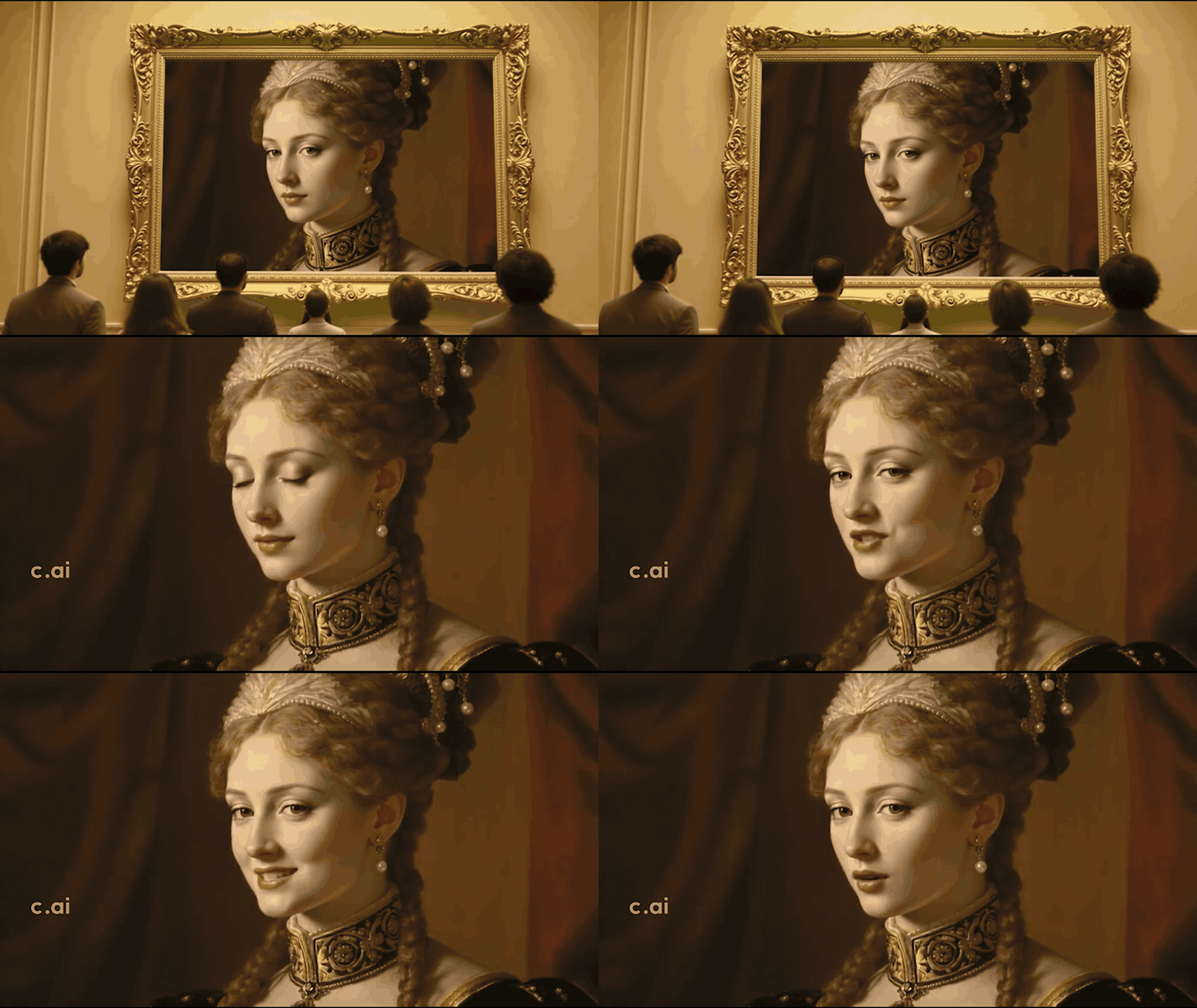
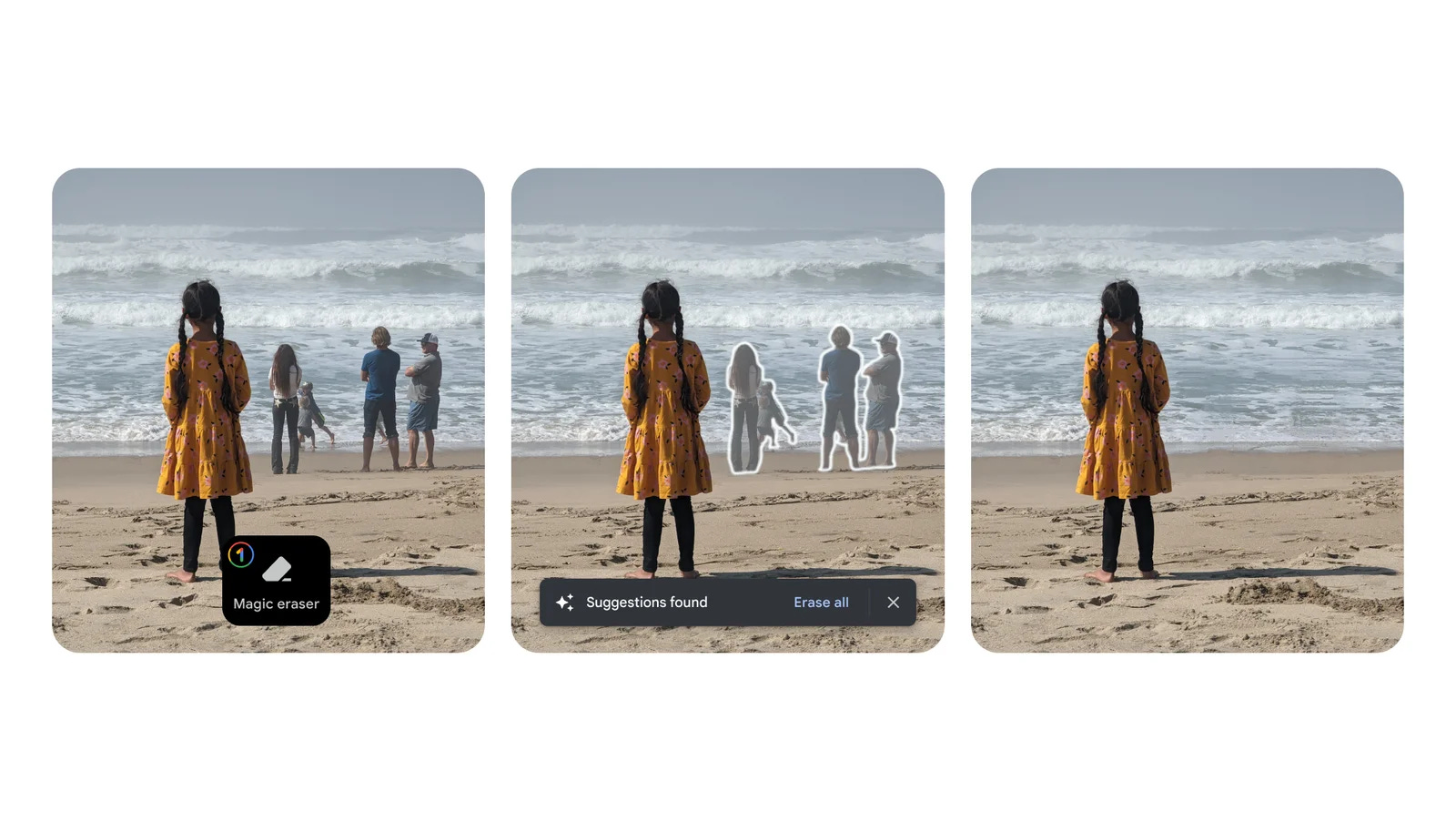
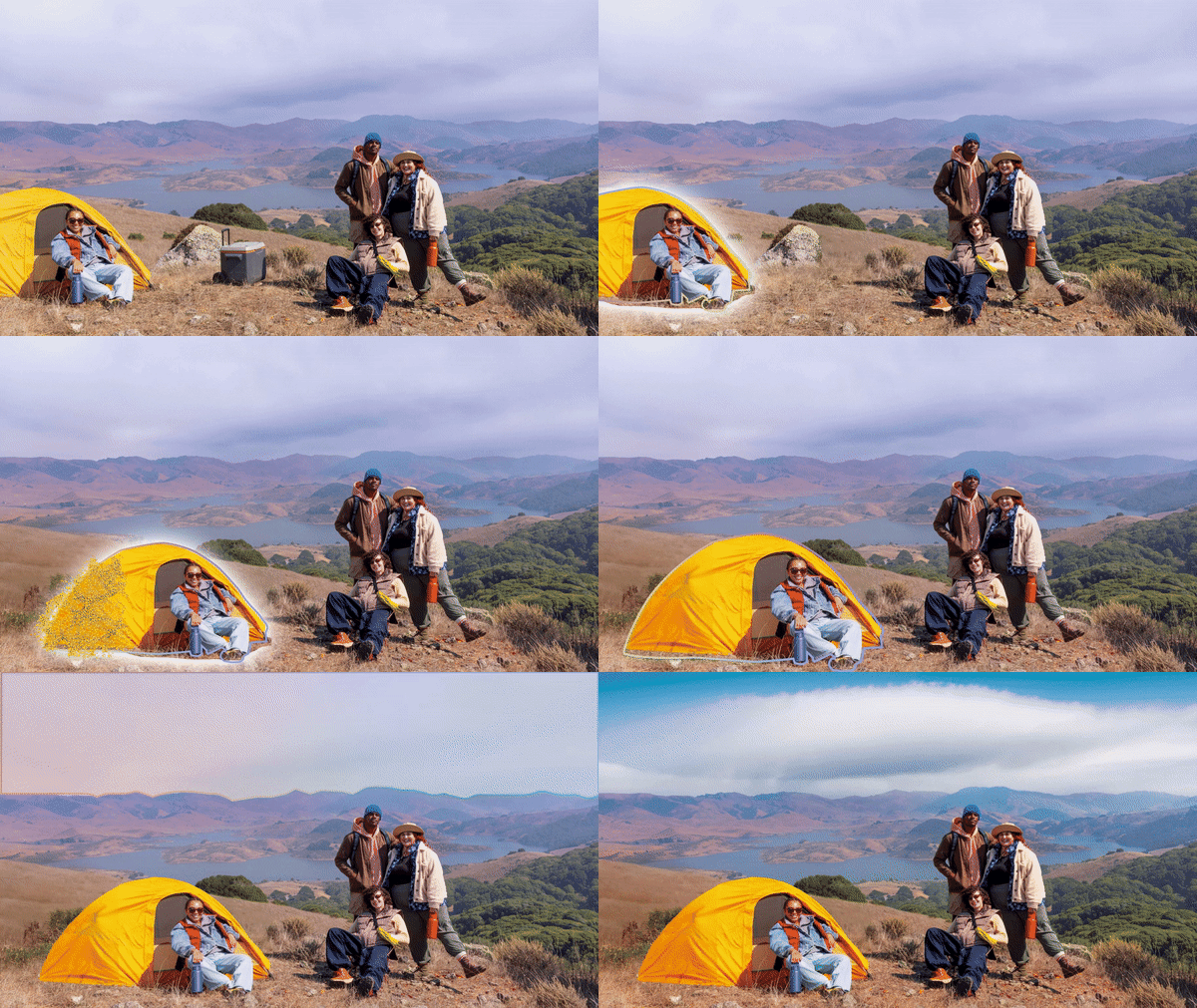
AI over the last few years has raised increasing concerns over ‘synthetic content’, deep-fakes and the like. Especially as AI gets ever better at recreating photos, videos and voice into forms that deviate meaningfully from the ‘original’, ‘real world’ versions.
“In many ways, Samsung’s new phones are fairly normal upgrades. The S26 lines come with some useful new things — particularly the Privacy Display on the S26 Ultra, which looks like an extremely cool bit of tech and a really useful new feature — and a lot of iterative year-over-year changes. The new camera features, on the other hand, are neither of those things. They’re something worse. Something scarier.”
“On this episode of The Vergecast, Nilay and David discuss the new phones, then dive into the ways in which the S26’s AI camera features seem to be clearly designed to change the whole idea of what happens when you try to take a picture. For that matter, it’s not even clear that what you’re taking is a “picture” anymore. We’ve been talking about the “What is a photo?” apocalypse for some time, and the S26 feels like a crossing of a line. All in the service of some cupcakes.”
They jump into the issues at the 8:15 mark, and the candid discussion is worth a watch.
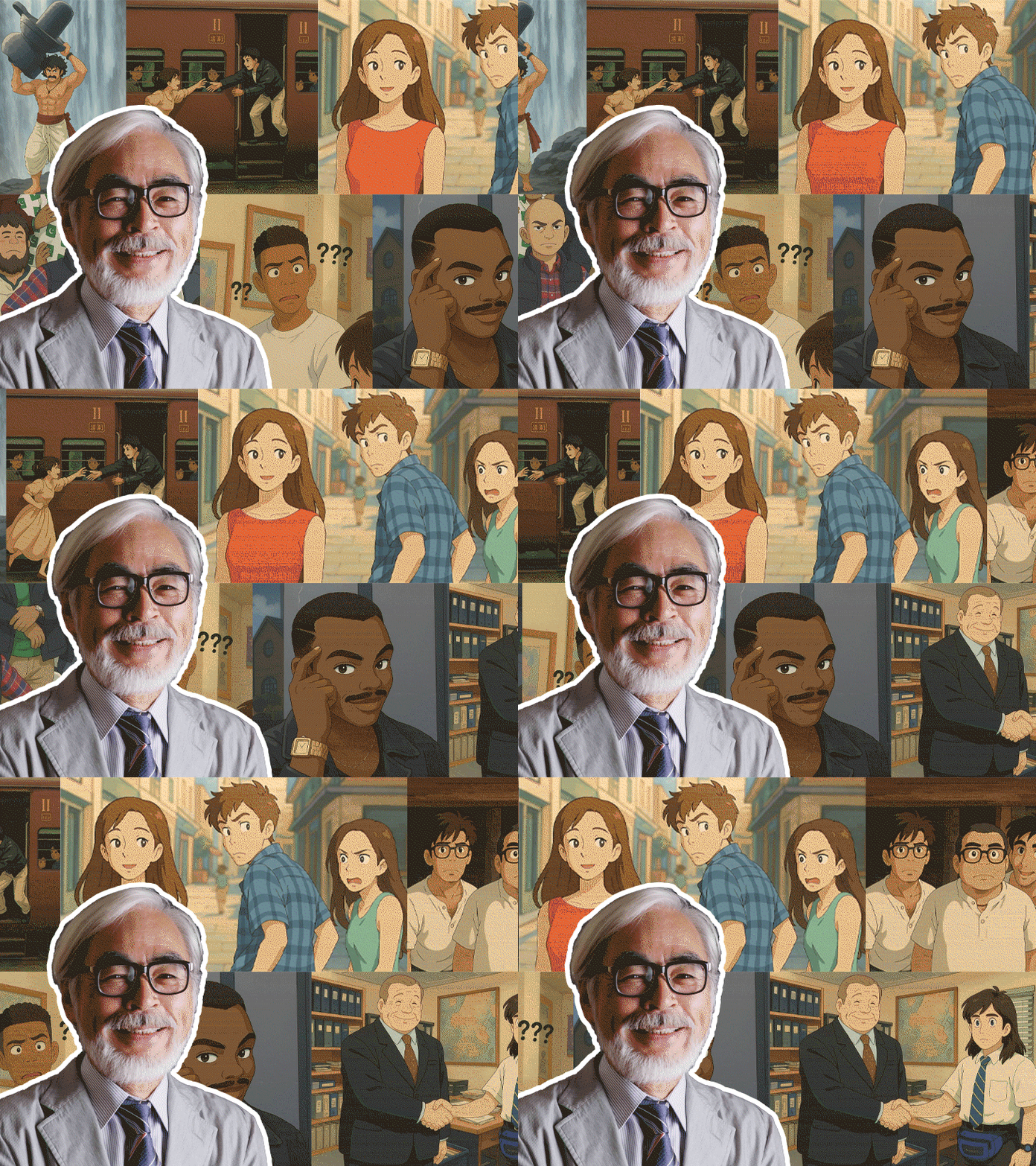
This big question is one The Verge folks have spent some time on for months now, especially in the context of how the big social media companies like Meta are addressing the accelerating move to AI ‘synthetic content’ (aka ‘AI Slop’), a topic I’ve discussed at length as well. OpenAI had its own version with the ‘Ghibli’ trend not so long ago.
“Instagram boss Adam Mosseri is closing out 2025 with a 20-images-deep dive into what a new era of “infinite synthetic content” means as it all becomes harder and harder to distinguish from reality, and the old, more personal Instagram feed that he says has been “dead” for years. Last year, The Verge’s Sarah Jeong wrote that “…the default assumption about a photo is about to become that it’s faked, because creating realistic and believable fake photos is now trivial to do,” and Mosseri eventually concurs:”
“For most of my life I could safely assume photographs or videos were largely accurate captures of moments that happened. This is clearly no longer the case and it’s going to take us years to adapt.”
“We’re going to move from assuming what we see is real by default, to starting with skepticism. Paying attention to who is sharing something and why. This will be uncomfortable – we’re genetically predisposed to believing our eyes.”
They continue:
“Our readers and listeners know we’ve spent the last few years discussing the “what is a photo?” apocalypse arriving in the form of AI image editing and generation. Now, as we hurtle into 2026, it feels a little late to lay out a thin list of proposals.”
“Mosseri’s Instagram-centered view of the whole thing claims that “We like to complain about ‘AI slop,’ but there’s a lot of amazing AI content,” without specifically identifying any of it, or specifically mentioning Meta’s push for AI tools. He claims camera companies are going the wrong way by trying to give everyone the ability to “look like a pro photographer from 2015.”
“Mosseri is far from the first tech exec to point toward the same issue. Samsung exec Patrick Chomet took the approach that “actually, there is no such thing as a real picture,” after controversies last year over the Galaxy phones’ approach to Moon photography, and Apple’s Craig Federighi told the WSJ he’s “concerned” about the impact of AI editing. But hey, maybe we’re just another Instagram slideshow or two away from figuring all of this out.”
The latest launch by Samsung of its new S26 smartphones illustrate how fast this trend is moving. Innocuous capabilities to add a dog in a picture when it wasn’t there, or change the outfits of a person in the photo at whim can have zero friction momentum for societally negative purposes in the billions.
And that is something the tech and AI industry is not going to ‘self-regulate’ itself into. Regardless of the initial ‘goog’ impulses, like Google’s original ‘Don’t be Evil’.
We’re in the earliest days still of what AI is going to be able to do this AI Tech Wave. AI is rapidly changing photos and videos, be they physical or digital. From unique SCARCE manifestations of human moments in time and memories, into ABUNDANT manifestations of anything else on a whim. Instantly inserting a different context than the people in them intended. Into a whole new thing. Sometimes creepy. Crossing societal norms held for decades, centuries or longer.
Ultimately, we are all going to have to brace ourselves, and be prepared for these changes fast coming our way. And keep this quaint question of ‘What is a Photo’ in mind from 2026 on. Stay tuned.
(NOTE: The discussions here are for information purposes only, and not meant as investment advice at any time. Thanks for joining us here)
Top clicks this week The big multi-decade trends driving the U.S. stock market. (awealthofcommonsense.com) Want to hedge inflation? Buy stocks. (axios.com)...
This year is ending with OpenAI and Google racing a bit ahead of the pack on AI announcements ahead of the New Year. In particular, both companies have...